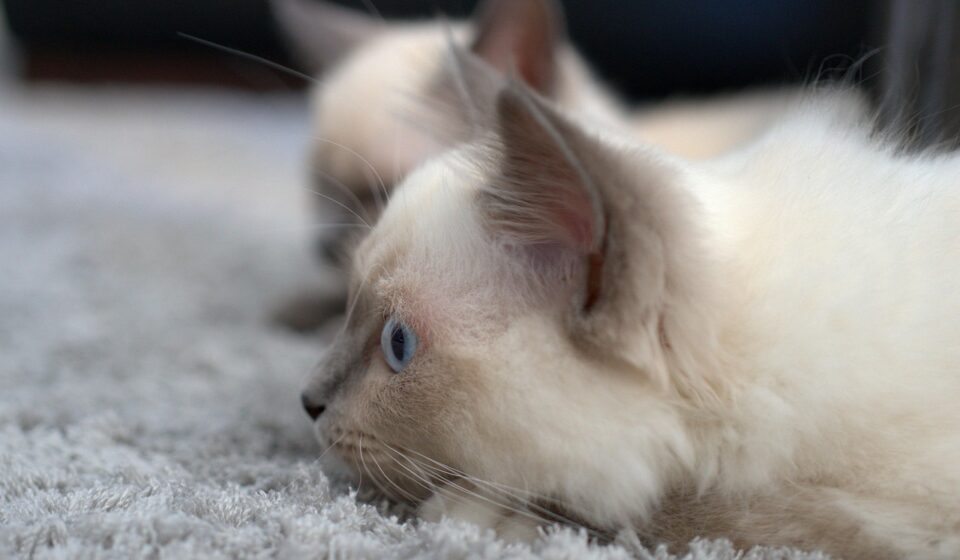
amese cats thrive on interaction and can become distressed if left alone for extended periods.
A Royal History: From Siam to Global Favourite
The Siamese cat boasts a lineage stretching back centuries, with historical records and artistic depictions suggesting their presence in Siam (modern-day Thailand) for at least 600 years. Originally, they were prized by royalty and considered sacred temple cats. Their distinctive appearance, including the colorpoint pattern, large ears, and wedge-shaped head, is a result of a temperature-sensitive genetic mutation affecting pigment production. According to the Encyclopædia Britannica, the breed was first introduced to the West in the late 19th century, quickly gaining popularity amongst cat fanciers for their exotic looks and strong personalities. The breed’s journey from the royal courts of Siam to becoming one of the most recognised breeds globally is a testament to their enduring appeal. This rich history means that by 2026, understanding their origins helps appreciate their unique behaviours and needs.
Last updated: July 13, 2026

The Chatty Companion: Siamese Cat Personality
One of the most defining characteristics of the Siamese cat is their vocal nature. They are known to ‘talk’ to their owners, using a wide range of meows and trills to express their needs, opinions, and affection. This breed thrives on human companionship and often forms an intense bond with one or two family members. If you’re looking for an independent feline, a Siamese might not be the best fit.
They are highly intelligent, curious, and can be quite mischievous. Their playful antics and desire for engagement mean they often participate actively in family life, sometimes even learning to play fetch or walk on a lead. However, this need for interaction also means they can suffer from separation anxiety if left alone for too long.
Striking Features: Appearance of the Siamese Cat
The Siamese cat is instantly recognizable. Their sleek, muscular body is typically long and slender, with a graceful, elegant build. They possess large, expressive blue eyes that are almond-shaped, set at an angle on a distinctive wedge-shaped head. Large, wide-set ears further contribute to their unique profile.
The breed’s most famous feature is its colorpoint pattern, where the body is a lighter colour, and the ‘points’ – the ears, face, paws, and tail – are a darker, contrasting hue. As of 2026, common point colours include seal, chocolate, blue, and lilac. While the classic Siamese has these points, variations exist, such as the Applehead Siamese, which has a rounder face and stockier build, though this is not recognised by all breed registries. Their short, fine coat is easy to maintain, typically requiring only weekly brushing.
Essential Siamese Cat Care in 2026
Caring for a Siamese cat involves understanding their specific needs. Their high intelligence and energetic nature mean they require significant mental and physical stimulation. Puzzle feeders, interactive toys, and regular play sessions are crucial to prevent boredom and destructive behaviours. Providing climbing opportunities with cat trees or shelves can also cater to their natural instincts.
Social interaction is paramount; Siamese cats don’t typically enjoy being left alone for extended periods. If your household has a busy schedule, consider getting a pair of Siamese cats so they can keep each other company. Grooming is relatively straightforward due to their short coat; a weekly brush helps distribute natural oils and keeps their fur healthy.
Nutrition for a Vibrant Siamese
Siamese cats, like all felines, are obligate carnivores and require a diet rich in animal protein. High-quality commercial cat food formulated for their life stage (kitten, adult, senior) is generally recommended. Wet food can be beneficial for hydration, while dry kibble can help maintain dental hygiene. Some owners opt for raw or homemade diets, but these must be carefully balanced by a veterinary nutritionist to ensure they meet all nutritional requirements. As of July 2026, pet food manufacturers continue to innovate, offering specialised formulas that cater to breed-specific needs or dietary sensitivities. Always consult your veterinarian regarding the best diet for your individual Siamese cat, considering their age, activity level, and any health conditions.
Health and Longevity: What to Expect
Siamese cats are generally a strong breed, but they are predisposed to certain health issues. According to the Cornell Feline Health Centre, they can be prone to respiratory problems, including feline asthma and bronchitis, likely due to their sensitive respiratory systems. Dental issues, such as gingivitis and periodontal disease, are also common. Genetic conditions such as progressive retinal atrophy (PRA), which can lead to blindness, and amyloidosis (a condition where abnormal protein deposits build up in organs, particularly the liver and kidneys) have been noted in the breed.
Some Siamese cats may also develop hypertrophic cardiomyopathy (HCM), a heart condition. As of 2026, responsible breeders screen their cats for these genetic predispositions. With proper care, diet, and regular veterinary check-ups, Siamese cats typically have a lifespan of 12 to 15 years, with many living into their late teens.
The Financial Picture: Siamese Cat Costs in 2026
Owning a Siamese cat involves several financial considerations. The initial cost can vary significantly. Purchasing a kitten from a reputable breeder in July 2026 can range from £600 to £1,200, depending on lineage, breeder reputation, and location. Adoption is a more affordable option, with fees typically ranging from £150 to £400 from rescue organisations or shelters; these often include initial vaccinations, microchipping, and spaying/neutering.
Beyond the initial purchase or adoption fee, ongoing costs include high-quality food, annual veterinary check-ups (£80-£150), vaccinations, parasite prevention, litter, toys, and potential emergency medical care. Pet insurance, which is advisable given the breed’s predispositions, can add another £20-£40 per month. In total, owners should budget for an annual cost of £700-£1,500 for basic care, with potential for much higher veterinary expenses if health issues arise.

Adoption vs. Breeder: Where to Find Your Siamese
When seeking a Siamese cat or kitten, prospective owners have two primary avenues: adoption from a rescuorganizationsn or purchasing from a reputable breeder. Adoption offers a second chance to a cat in need and is generally more cost-effective. Organisations like the Siamese Cat Rescue Centre or local animal shelters often have Siamese cats available. If opting for a breeder, thorough research is essential.
Look for breeders who prioritise health and temperament, who are transparent about genetic testing, and who allow you to visit their facilities and meet the parent cats. Avoid breeders who seem more interested in making a sale than in the well-being of their animals, or those who can’t provide health clearances. As of 2026, finding a responsible breeder is key to ensuring you bring home a healthy, well-adjusted companion.
Avoiding Pitfalls: Common Siamese Cat Owner Mistakes
One of the most common mistakes potential Siamese owners make is underestimating their need for socialization and mental stimulation. This can lead to behavioural issues like excessive vocalization, destructive chewing, or anxiety. To combat this, ensure you dedicate ample time daily for play and interaction. Another pitfall is neglecting dental care; regular brushing and dental treats can help prevent costly dental procedures down the line. Additionally, owners may not realise how sensitive Siamese cats can be to changes in routine or environment, which can cause stress. Providing a stable and predictable environment, with plenty of enrichment, is key to a happy Siamese.
Expert Insights for Siamese Cat Enthusiasts
For those considering a Siamese, remember they are not just pets but active members of the family. Their intelligence means they can even be trained to perform tricks or respond to commands, much like a dog. Early socialization from kittenhood is vital to ensure they grow into well-adjusted adults. Introduce new experiences, sounds, and people gradually.
Consider Siamese cat types such as the traditional ‘Applehead’ if you prefer a gentler, less angular appearance and potentially a less intense personality. When it comes to their health, staying informed about breed-specific predispositions and maintaining a strong relationship with your veterinarian are the best strategies for ensuring a long and healthy life for your feline companion. As of 2026, the breed’s popularity shows no sign of waning, highlighting their continued appeal.
Frequently Asked Questions
Are Siamese cats good with children?
Yes, Siamese cats can be excellent companions for children, provided they are socialized from a young age. Their playful and engaging nature often makes them good playmates, though supervision is always recommended, especially with younger children, to ensure gentle interaction from both sides.
How much exercise do Siamese cats need?
Siamese cats are energetic and require a significant amount of daily exercise and mental stimulation. Aim for at least 15–30 minutes of interactive play each day, using toys like feather wands or laser pointers to engage their hunting instincts.
What is the average lifespan of a Siamese cat?
As of July 2026, a well-cared-for Siamese cat typically lives between 12 to 15 years. However, many individuals can live longer, reaching their late teens or even early twenties with excellent health and consistent veterinary care.
Do Siamese cats shed a lot?
Siamese cats have a short, fine coat and generally shed less than many other breeds. Weekly brushing is usually sufficient to manage shedding and keep their coat in good condition, making them a good option for those with mild allergies, though no cat is truly hypoallergenic.
Can Siamese cats be left alone?
Siamese cats are highly social and form strong bonds with their owners. They generally don’t cope well with being left alone for long periods and can develop separation anxiety. If you are away for most of the day, consider getting a pair or arranging for regular companionship.
What are the most common health problems for Siamese cats?
Common health concerns include respiratory issues, dental disease, and genetic conditions such as progressive retinal atrophy (PRA) and amyloidosis. Regular veterinary check-ups are crucial for early detection and management of these potential issues.
Embracing the Siamese Lifestyle
The Siamese cat is a breed that offers unparalleled companionship, intelligence, and a touch of exotic charm. Their vocal nature and demanding need for interaction mean they are best suited for owners who can provide ample attention and engagement. By understanding their unique history, personality traits, care requirements, and potential health considerations, you can ensure a fulfilling and enriching life together. As of 2026, welcoming a Siamese cat into your home is a decision that promises a journey filled with conversation, affection, and delightful antics.
Information current as of July 2026; pricing and product details may change.
Editorial Note: This article was researched and written by the Pet Magazine editorial team. We fact-check our content and update it regularly. For questions or corrections, contact us.
Related read: Red Point Siamese Cats: A Guide to Their Unique Charm.