A puppy breathing fast while sleeping is usually in REM sleep. Vivid dreams during REM sleep cause active brain activity. You may also see muscle twitching and rapid respiration. This is common and healthy. Puppies naturally have a higher resting breathing rate. This rate is 20 to 50 breaths per minute. It can temporarily spike to 60 breaths per minute. This happens during dream cycles, which answers the question: why is my puppy breathing so fast while sleeping? This does not indicate illness.
As a new owner, you may find it alarming to see your puppy breathing fast while sleeping. Veterinary experts confirm that rapid sleep respiration is often completely normal in young dogs. It stems from high metabolic rates. Also, nervous system development and active dream cycles contribute to it. You can learn to distinguish standard sleep variations. This will help you identify signs of genuine physical distress. As a result, you will gain peace of mind. You will also help protect your puppy’s health.
What is a normal sleeping breathing rate for a puppy?
Establishing a clear baseline for your puppy’s resting respiratory rate (RRR) is key. An adult dog at rest typically breathes between 10 and 30 times per minute. Puppies have smaller lung capacities and higher metabolic demands, resulting in faster baseline rates.
According to the Royal Veterinary College, a healthy puppy maintains a respiratory rate of 20 and 50 breaths per minute. This occurs while resting. It happens during deep, dreamless sleep. During active dream phases, this rate can temporarily rise, a phenomenon sometimes seen as a puppy breathing fast sleeping. It may reach 50 or 60 breaths per minute. You may also observe shallow chest movements. Brief pauses followed by soft sighing can also occur.
Physical size greatly influences these measurements. Toy and small breeds breathe faster. For example, Chihuahuas and Pomeranians have faster metabolic rates. Giant breeds like Great Danes or Mastiffs breathe more slowly. Therefore, these smaller breeds naturally breathe faster.
How does a puppy’s age affect its breathing rate? (e.g., 8 week old puppy)
Younger puppies breathe faster than older puppies and adult dogs. This is true for puppies under 12 weeks old. An 8-week-old puppy is an example. Their rapid development causes this. Also, their respiratory systems are immature. They have higher metabolic demands. As puppies mature, their breathing slows. It reaches adult norms by six to twelve months. This depends on the breed. An 8-week-old puppy’s system works intensely. It needs to grow and process new information. This leads to more rapid breathing. This occurs during active and quiet sleep. A 6-month-old puppy will not show puppy breathing fast sleeping.
Why do puppies breathe so fast when they dream?
Rapid breathing during sleep happens primarily because of REM sleep engagement. REM stands for Rapid Eye Movement. Mammalian sleep cycles transition between two states. One is Non-REM (NREM) sleep. This is a quiet, restorative state with steady heart and breathing rates. The other is REM sleep. This involves heightened brain activity, vivid dreams, and physiological fluctuations, often seen in a puppy breathing fast sleeping.
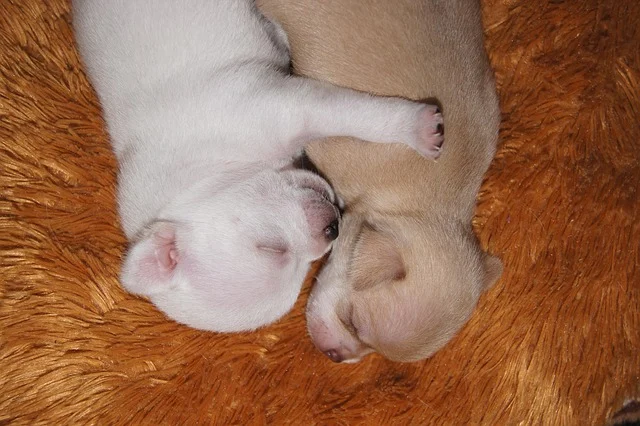
During REM sleep, a puppy’s central nervous system processes daily learning experiences, motor skills, and social interactions.
Dr. Eleanor Vance, a veterinary behaviorist, notes: “Puppies are in a constant state of learning and development. Their brains are working overtime, even during sleep, to consolidate memories and practice skills. This neurological activity directly translates to a higher metabolic rate and, consequently, faster breathing during their active sleep phases. This often leads owners to wonder, ‘why is my puppy breathing so fast while sleeping?'”
While in REM sleep, puppies frequently display physical signals alongside rapid respiration:
- Involuntary muscle twitches across the face, whiskers, and paws
- Paddling leg movements as if running or chasing objects
- Soft vocalizations, including muted barks, whines, or squeaks
- Rapid movements of the eyeballs beneath closed eyelids
How do physical growth and metabolism affect puppy breathing?
Beyond dreaming, a puppy’s physical growth directly influences their resting breathing. Developing organs need substantial oxygen intake. High cell turnover and rapid bone growth also require this. This is true per kilogram of body weight. Adult dogs need less oxygen intake by comparison. This physiological demand is often why owners wonder, “why is my puppy breathing so fast while sleeping?”
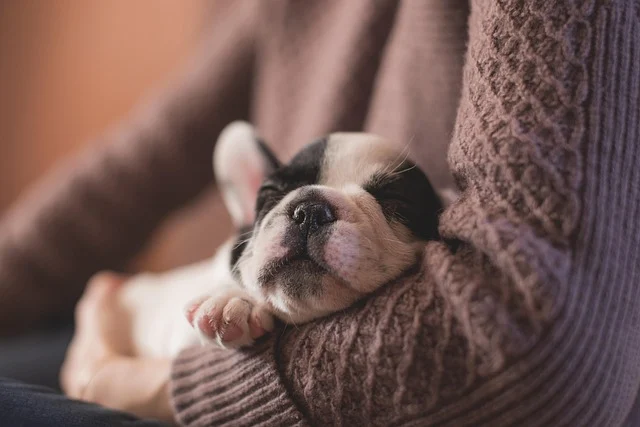
A puppy’s heart also beats much faster than an adult dog’s—often between 100 and 160 beats per minute. This swift circulation requires rapid gas exchange in the lungs to maintain oxygenated blood flow. As a result, even outside of REM sleep, a young puppy’s chest moves more quickly than an adult’s.
Anatomical pressure also plays a role. Puppies have small abdominal cavities. After a meal, a full stomach presses upward. This reduces lung expansion space. If your puppy naps immediately after feeding, you may notice faster, shallower chest movements. This comes purely from temporary digestive pressure.
How to accurately measure your puppy’s breathing rate at home
Monitor your puppy’s breathing accurately. Measure their rate when they are relaxed and calm. Counting breaths while a puppy plays will skew baseline numbers. This is also true if they are hot or actively dreaming. Ideally, measure when you notice puppy breathing fast sleeping in a quiet, deep state. Do not measure during active REM sleep.
- Wait for quiet sleep: Ensure your puppy sleeps peacefully. They should sleep for at least 10 to 15 minutes. Also, they should not twitch, paddle their paws, or vocalize. This indicates they are likely in NREM sleep.
- Observe chest or flank movement: Look closely at the rise and fall of the ribcage or lower abdomen. One full rise and one full fall count together as one breath.
- Time the breaths: Use a stopwatch or phone timer to count the number of breaths in 30 seconds.
- Calculate breaths per minute: Multiply your 30-second count by 2 to get the total breaths per minute (bpm). Counting for a full minute is even more accurate if your puppy remains still.
- Log the baseline over several days: Record the result alongside the room temperature and time of day. Repeat this over three consecutive days, at different times, to establish your puppy’s standard resting rate. Note any observations like “dreaming” or “just ate.” This helps you understand your puppy’s individual normal range.
- Compare with normal ranges: First, get a reliable baseline. Then, compare it to the normal range of 20-50 breaths per minute for quiet sleep. If your puppy’s sleeping rate is consistently greater than 30 breaths per minute, consult your vet. [vcahospitals.com] This applies when they are calm and awake, or in quiet sleep.
It is helpful to practice this measurement when your puppy is healthy. This gives you a personal baseline. You can compare against it if you ever become concerned.
How breed characteristics influence sleeping breathing patterns (e.g., Frenchie, Husky, Goldendoodle puppies)
A puppy’s breed anatomy significantly dictates how their breathing sounds and appears during rest. Physical structure, particularly facial shape and chest width, creates distinct breathing variations.
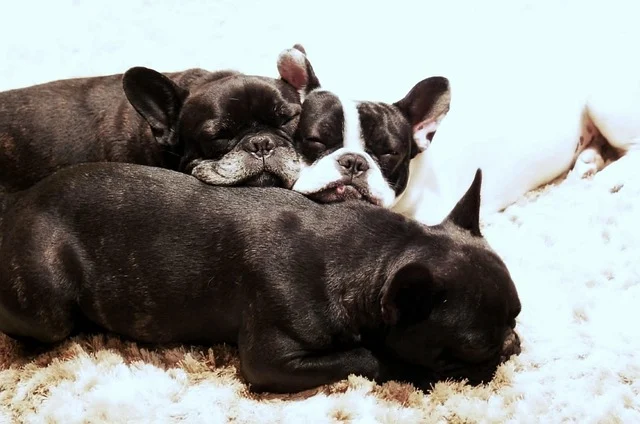
Brachycephalic (flat-faced) breeds like French Bulldogs and Pugs
French Bulldogs, Pugs, English Bulldogs, and Boston Terriers are brachycephalic breeds. These breeds have shortened facial bones and narrowed nostrils. They also have elongated soft palates. Their throat muscles relax when these puppies sleep. This further narrows their airways. This physical compression causes snorting and grunting. It also leads to faster, heavier breathing. Mild snoring is common. However, monitor for severe brachycephalic airway obstruction syndrome (BOAS). This is critical if your puppy’s breathing appears strained or gasping. Watch if your puppy frequently wakes up choking or struggling for air. These breeds are prone to respiratory distress. Therefore, take any significant change in your puppy breathing fast sleeping pattern seriously.
Toy and small breeds like Chihuahuas and Pomeranians
Toy breeds like Chihuahuas, Yorkshire Terriers, and Pomeranians have delicate tracheas. They also have elevated metabolic rates. Higher oxygen turnover causes rapid chest movement. This occurs even during non-REM sleep. These breeds are sensitive to environmental changes. This can cause subtle shivering and accelerated respiration. Their small size means minor respiratory issues become serious quickly. Careful observation of a puppy breathing fast in sleeping state is important.
Deep-chested breeds like Huskies and Goldendoodles
Large breeds have deep chests. German Shepherds, Doberman Pinschers, Standard Poodles, Huskies, and Goldendoodles are examples. They possess larger lung volumes. Their baseline sleeping respiratory rates are lower than toy breeds. However, young puppies still show dramatic REM spikes. These contrast sharply with their quiet waking breathing. For example, active breeds like Huskies often have vivid dreams. These dreams involve running or chasing. This leads to noticeable rapid breathing and body movements during sleep. Goldendoodles, a mix of Poodle and Golden Retriever, often inherit a deep chest. They also have an active dream life. This contributes to their puppy breathing fast sleeping.
Why is my puppy breathing so fast while sleeping?
A puppy’s rapid breathing during sleep can worsen in a new home. Stress and adjustment exacerbate it. The transition is a significant change. It includes new sights, sounds, and smells. This elevates stress hormones like cortisol. As a result, puppies breathe faster, even during light sleep. They may also dream actively. Their brains process new experiences. These come from their new environment and family. Observe a puppy breathing fast sleeping for signs of stress.
Help your new puppy settle in. Provide a calm, predictable environment. Maintain a consistent routine. Ensure a comfortable, secure sleeping space. This can reduce stress-related rapid breathing. Give them a quiet, safe den. Include a blanket or toy. It should carry the scent of littermates or their previous home. This offers comfort. Observe for other signs of distress. These include excessive whining, hiding, or loss of appetite. Also, watch for inappropriate urination or defecation. Consult your vet if concerns persist. Observe your puppy breathing fast sleeping peacefully too.
Environmental factors that cause fast breathing during sleep
External surroundings can alter a puppy’s respiration during rest. Before assuming a health issue exists, evaluate these environmental variables:

- Overheating and room temperature: Puppies cannot regulate body temperature as efficiently as adult dogs. If a room is overly warm, a puppy will breathe rapidly. Heavy blankets can also trap body heat. As a result, your puppy may pant softly in their sleep to release excess thermal energy. A room temperature between 18°C and 21°C (65°F to 70°F) is generally ideal. Ensure their bedding is appropriate for the climate.
- Post-exercise recovery: Vigorous physical play or long walks immediately before a nap keep the cardiovascular system elevated. Heart and respiration rates can take 20 to 30 minutes to return to normal resting levels after intense activity. Allow for a calm-down period before bedtime, perhaps with a quiet chew toy or gentle petting.
- Stress and adjustment: Transitioning to a new home elevates stress hormones. Crate training or loud noises also cause this. Consequently, your puppy may breathe faster during light sleep phases. Provide a consistent routine. Also, give them a secure sleeping spot to minimize stress.
- Airborne irritants: Household dust, strong chemical cleaners, air fresheners, or secondhand cigarette smoke can irritate delicate nasal linings. As a result, your puppy takes faster, shallower breaths. Ensure good ventilation in their sleeping area. Also, avoid strong scents. You can consider an air purifier if you suspect airborne allergens.
- Full stomach: A very full stomach after a large meal can press against the diaphragm, reducing lung expansion space and potentially leading to faster, shallower breathing. Consider feeding smaller meals or allowing time for digestion (at least 1-2 hours) before sleep.
Red flags: When rapid sleep breathing indicates a medical emergency
Although rapid breathing during sleep is frequently benign, sustained high respiratory rates combined with physical signs of distress require urgent veterinary attention. Owners must distinguish between tachypnea (rapid breathing) and dyspnea (difficult, painful breathing).
Contact a veterinarian immediately if you observe any of these warning signs:
- Persistent open-mouth panting while sleeping: A healthy puppy sleeps with their mouth closed unless overheating or actively vocalizing in a dream. Continuous open-mouth panting during deep sleep is abnormal and could indicate respiratory distress or severe overheating.
- Pronounced abdominal effort: The belly wall heaves dramatically or pulls inward under the ribs with every breath, indicating severe effort to move air into the lungs. This is a sign of dyspnea, not normal sleep breathing.
- Pale, blue, or grey gums and tongue: Discolored mucous membranes (cyanosis) indicate severe oxygen deprivation and constitute a critical medical emergency. Check their gums by gently lifting their lip; they should be a healthy bubblegum pink.
- Audible respiratory noise: Loud wheezing, squeaking, high-pitched whistling (stridor), or wet rattling sounds. Normal puppy breathing is typically quiet. Any new or worsening sounds are concerning.
- Stretched neck and flared nostrils: The puppy extends their head and neck forward repeatedly, gasping for air or flaring their nostrils wildly upon waking or during sleep. This posture is an attempt to open airways and indicates significant difficulty breathing.
- Rapid breathing while awake and resting: Sustained resting respiratory rates above 50 breaths per minute when the puppy is fully awake, calm, and idle, or a rate consistently above 60 bpm during quiet sleep. This suggests an underlying issue rather than just dream activity.
- Systemic symptoms: Accompanying signs such as extreme lethargy, refusal to eat or drink, high fever (a puppy’s normal temperature is 37.8-39.2°C or 100-102.5°F), continuous coughing, thick nasal discharge, vomiting, or diarrhea. These indicate a broader illness impacting their system.
- Restlessness or inability to settle: A puppy struggling to breathe may pace, shift positions frequently, be unable to find a comfortable sleeping position, or wake up frequently in distress.
When in doubt, it is always best to err on the side of caution and consult your veterinarian. A quick check can either provide reassurance or lead to timely treatment.
Underlying medical conditions associated with rapid breathing
When rapid breathing is persistent and accompanied by clinical red flags, several underlying medical conditions could be responsible:
- Infectious respiratory diseases: Conditions like kennel cough, canine influenza, or bacterial pneumonia cause lung inflammation, fluid buildup, and severe coughing, raising respiratory effort. Puppies are particularly susceptible due to immature immune systems.
- Congenital cardiac defects: Structural heart defects from birth, such as Patent Ductus Arteriosus (PDA) or Ventricular Septal Defects (VSD), impair blood circulation and can cause fluid accumulation in pulmonary tissues (pulmonary edema), leading to increased breathing effort.
- Anemia: A severe drop in red blood cells—caused by severe flea infestations, internal parasites like hookworms, or immune conditions—reduces oxygen delivery, forcing the body to pump blood and breathe faster to compensate.
- Severe internal parasite burdens: Migrating roundworm larvae or lungworms damage lung tissue, creating congestion and localized inflammation that disrupts normal gas exchange. Regular deworming is important for puppies, especially those under 12 weeks of age.
- Toxin ingestion or allergic reactions: Exposure to hazardous plants, human medications, or insect stings can trigger systemic anaphylaxis or airway swelling, leading to acute respiratory distress.
- Pain: Undiagnosed pain from injury or illness can cause a puppy to breathe faster, even during sleep, as a physiological response to discomfort.
- Fever: An elevated body temperature increases metabolic rate and can lead to faster breathing as the body attempts to cool itself.
- Hypoglycemia (low blood sugar): Particularly in small or toy breed puppies, low blood sugar can lead to weakness, lethargy, and an elevated heart and respiratory rate as the body tries to compensate.
Comparing normal REM sleep breathing vs. respiratory distress
Use this comparison table to quickly evaluate whether your puppy’s sleeping symptoms represent healthy dream activity or a condition requiring veterinary intervention:
| Observable Sign | Normal REM Sleep Breathing | Medical Respiratory Distress |
|---|---|---|
| Chest Movement | Irregular, shallow bursts alternating with quiet pauses | Consistently rapid, deep, or heavy chest wall movement |
| Abdominal Effort | Minimal; belly moves naturally with ribcage | Pronounced heaving; abdominal muscles visibly push for air |
| Gum & Tongue Color | Healthy, bubblegum pink | Pale, white, blue, grey, or dark purple |
| Physical Twitches | Paws paddle, facial flutters, tail wiggles present | Body is stiff, motionless, trembling continuously, or collapsed |
| Sound Quality | Silent breathing, punctuated by soft whimpering or short snorts | Audible wheezing, harsh rattling, whistling, gasping, or persistent coughing |
| Response to Waking | Wakes easily when called or touched; alert and responsive | Difficult to awaken; confused, extremely weak, disoriented, or collapsed | Awake Baseline | Respiratory rate drops below 30-40 bpm when calm and awake | Respiratory rate remains above 50 bpm even when fully awake and calm |
| Overall Demeanor | Otherwise healthy, playful, and energetic when awake | Lethargic, unwilling to play, loss of appetite, or other systemic illness signs |
How to optimize your puppy’s sleeping environment
Creating an ideal resting space supports healthy respiratory function and prevents thermal or environmental stress during sleep:
- Maintain ideal room temperature: Keep your puppy’s sleeping area between 18°C and 21°C (65°F to 70°F). Avoid placing beds directly next to radiators or central heating vents. A consistently moderate temperature prevents both overheating and chilling.
- Select supportive, breathable bedding: Choose a firm, orthopedic or dense foam puppy bed covered in breathable cotton or natural fabrics. Avoid heavy plush blankets that trap excessive heat or smother small puppies. Ensure bedding is clean and dry to prevent allergen buildup.
- Ensure clean indoor air: Avoid smoking indoors, burning incense, or using scented wax warmers near your puppy’s crate. Use an air purifier equipped with a HEPA filter in the sleeping room to remove ambient dust and allergens. Good air quality is vital for developing respiratory systems.
- Provide fresh water: Leave clean water available right up until bedtime so your puppy stays hydrated. Dehydration can exacerbate respiratory issues and contribute to overheating.
- Position crates thoughtfully: Place sleeping crates in quiet corners away from cold window drafts, direct air conditioning flow, or heavy household foot traffic. A dark, quiet, and secure location promotes better, undisturbed sleep and reduces stress.
- Consider a calming routine: A short, gentle play session followed by quiet cuddle time before bed can help your puppy relax and transition into sleep more smoothly, reducing stress-related rapid breathing. Consistency in this routine helps them anticipate rest.
Debunking common myths about puppy sleeping breathing
Myth 1: Any rapid breathing while sleeping indicates heart or lung disease.
Reality: Active dream states and elevated youth metabolic rates account for most instances of puppy breathing fast sleeping. Without other clinical symptoms, rapid breathing during sleep is rarely a sign of pathology. Always consider your puppy’s full health and behavior. Do not jump to conclusions from one observation.
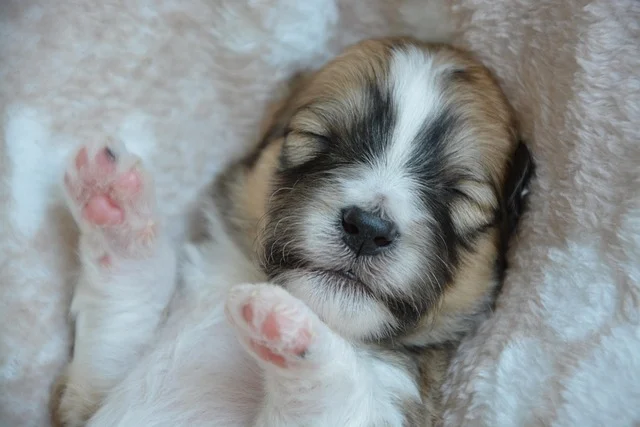
Myth 2: Panting in sleep always means your puppy is dangerously overheated.
Reality: High ambient temperature causes panting. However, brief open-mouth flutters often occur during vivid REM dream sequences. This happens as facial muscles contract. First, check the ambient room temperature. Also, check your puppy’s ear tip warmth. Then, you can rule out thermal stress. If the room is cool, and your puppy’s ears are not hot, it is likely a dream-related flutter. Nevertheless, persistent open-mouth panting is a red flag, not merely a puppy breathing fast sleeping.
Myth 3: Sick puppies with respiratory issues always cough.
Reality: Early pulmonary congestion can first appear as a subtle, sustained elevation in resting respiratory rate. Mild anemia or congenital cardiac issues also do this. This happens before overt coughing or nasal discharge develops. Therefore, monitoring for a puppy breathing fast sleeping is very important. It can indicate a problem early, before more obvious symptoms appear.
Myth 4: A sleeping breathing rate above 40 bpm is always abnormal.
Reality: Healthy puppies often show puppy breathing fast sleeping, hitting 50 to 60 breaths per minute. This occurs during active REM cycles. The puppy’s overall health, breed, and age matter more. Their waking respiratory baseline is also key. Do not focus on isolated dream spikes. Look for consistency and accompanying symptoms instead.
Proactive habits for maintaining your puppy’s respiratory health
Protecting your puppy’s cardiovascular and respiratory development relies on consistent preventive care habits:
- Provide high-quality nutritional support: Feed a balanced, age-appropriate puppy diet formulated for your dog’s expected adult size to encourage balanced muscle and tissue growth. Good nutrition supports overall health and immune function, which are important for respiratory resilience.
- Manage exercise appropriately: Engage in controlled, age-appropriate play sessions. Avoid intense physical exertion immediately before naptime or in extreme heat. For outdoor adventures, consult safe handling practices such as those outlined in our 2026 water safety guide. Over-exertion can strain a puppy’s developing systems and make them more prone to faster breathing.
- Stay current on preventive health care: Maintain complete vaccination schedules—including core vaccines and non-core coverage like Bordetella—and apply regular veterinary-approved internal parasite preventatives. These protect against common illnesses that can affect respiratory health. Regular vet check-ups are essential for early detection of issues.
- Keep weight in a healthy range: Monitor your puppy’s body condition score. Excess body fat increases workload on the lungs and heart, potentially leading to faster breathing even at rest. Discuss ideal weight with your vet.
- Document resting baseline rates: Periodically count and record your puppy’s resting respiratory rate when they are calm and awake, and also during quiet sleep. Having a known baseline makes subtle shifts immediately obvious, allowing for early detection of potential problems. This is one of the most proactive steps you can take.
- Ensure a clean and safe environment: Regularly clean your puppy’s bedding and living area to reduce dust and allergens. Keep household chemicals, plants, and small objects out of reach to prevent accidental ingestion or irritation that could affect breathing.
Related reading
Frequently asked questions
Is it normal for a puppy to breathe fast while sleeping?
Yes, fast breathing during sleep is completely normal for puppies, particularly during REM sleep. Active dreaming, higher metabolic rates, and nervous system development naturally cause temporary spikes in breathing speed.
What is a normal puppy breathing rate when sleeping?
A normal resting breathing rate for a sleeping puppy ranges from 20 to 50 breaths per minute during quiet, non-REM sleep. During active REM dreaming, respiration can spike to 50 or 60 breaths per minute.
When should I worry about my puppy breathing fast while sleeping?
You should consult a veterinarian. Do this if rapid breathing persists during calm waking hours. Also, consult a vet if it is accompanied by abdominal heaving. Other signs include blue or pale gums, wheezing, or persistent open-mouth panting. Extreme lethargy or continuous coughing also warrant a visit. These are signs of potential respiratory distress, unlike a puppy breathing fast in sleeping.
Can puppies have sleep apnoea?
While uncommon in young dogs, sleep apnoea can occur, especially in flat-faced brachycephalic breeds like Pugs and French Bulldogs due to their unique airway anatomy. If your puppy experiences repeated breathing pauses followed by sudden gasping or choking during sleep, consult your vet immediately.
Why does my puppy pant in its sleep?
Puppies may pant briefly during vivid dreams. This occurs as facial muscles contract. They may also pant if they are slightly overheated. However, persistent open-mouth panting while deeply asleep is unusual. This warrants checking the room temperature. You should also consult a vet. It could indicate distress.
Sources