.
Introducing the Newfiepoo: A Tale of Two Breeds
The Newfoundland Poodle mix, or Newfiepoo, is a cross between the famously placid Newfoundland and the highly intelligent Standard Poodle. This pairing aims to create a dog with the Newfoundland’s renowned calm demeanour and the Poodle’s intelligence and potentially low-shedding coat. The result is often a large, affectionate, and trainable companion, though individual traits can vary significantly based on which parent breed’s genetics are more dominant.
When considering a Newfiepoo, it’s crucial to understand the characteristics of each parent breed. The Newfoundland, often called the “gentle giant,” is known for its sweet disposition, patience, and natural affinity for water. They are large, powerful dogs, originally bred as working dogs for fishermen in Newfoundland, Canada, renowned for their rescue abilities.
The Standard Poodle, on the other hand, is celebrated for its exceptional intelligence – consistently ranked among the smartest dog breeds. Poodles are also known for their active nature, trainability, and their dense, curly coat, which is often considered hypoallergenic because it sheds minimally. They were originally bred as water retrievers in Germany and later became popular as companions and show dogs.
The Newfiepoo, therefore, is an attempt to merge these desirable traits into a single canine. Owners often seek the Newfoundland’s gentle soul combined with the Poodle’s cleverness and a coat that might be more manageable for allergy sufferers. However, it’s essential to remember that crossbreeds inherit traits unpredictably, meaning not all Newfiepoos will perfectly embody both parent breeds.
Temperament and Behaviour: The Gentle Giant’s Heart
The temperament of a Newfoundland Poodle mix is perhaps its most appealing characteristic. Generally, Newfiepoos are described as affectionate, loyal, and exceptionally good-natured. They tend to be patient, which can make them excellent companions for families with children, provided supervision and proper socialisation are in place.
Their intelligence, inherited from the Poodle, means they are quick learners. This can make training a rewarding experience for owners who are consistent and positive in their approach. However, this intelligence also means they can become bored or develop destructive behaviours if not mentally stimulated and physically exercised. Early socialisation, exposing them to various sights, sounds, people, and other animals from a young age, is paramount to ensure they grow into well-adjusted adults.
Newfiepoos often possess a calm demeanour, reminiscent of their Newfoundland heritage. They are not typically hyperactive dogs but do require regular, moderate exercise to maintain their physical and mental well-being. A long walk or a play session in a secure garden is usually sufficient. Their size means they can inadvertently be boisterous, especially when young, so teaching them to be gentle is important.
Worth noting is their potential for separation anxiety. Like many deeply attached breeds, Newfiepoos can form strong bonds with their families and may become distressed if left alone for extended periods. Owners who work long hours or are away frequently should carefully consider this aspect before bringing a Newfiepoo into their home. Providing plenty of mental stimulation and ensuring they are not left alone for more than a few hours at a time can help mitigate this.
Size and Physical Characteristics: A Grand Presence
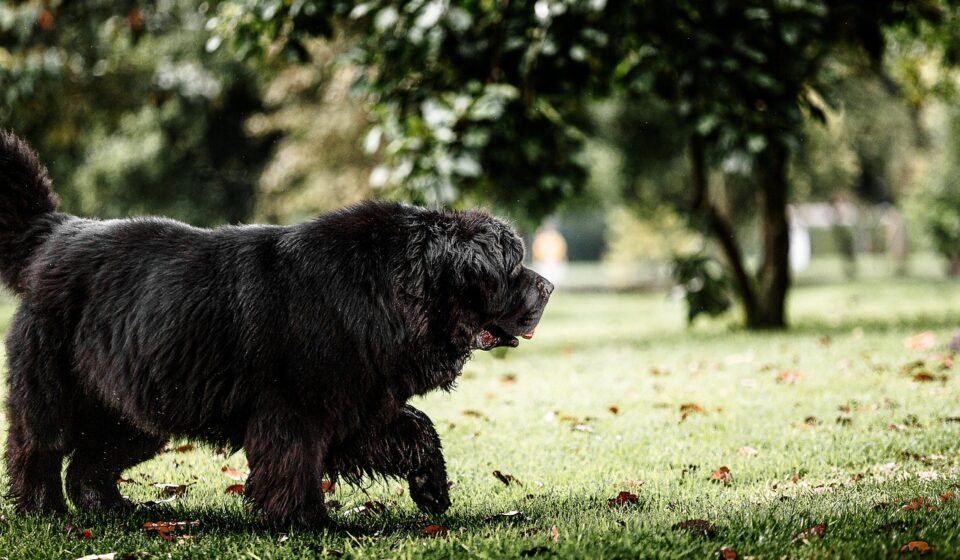
The Newfoundland Poodle mix is, without question, a large dog. The exact size can vary depending on the dominant genes from the parent breeds, but expect a dog that stands between 24 and 30 inches (approximately 61-76 cm) at the shoulder, weighing anywhere from 70 to 150 pounds (around 32-68 kg) or even more. Females are typically at the lower end of this range, while males tend to be larger.
Their physical appearance can be quite striking. They often have a sturdy build, a broad head, and expressive eyes. The coat is a key feature, often being dense, wavy, or curly, with a texture that can range from soft and silky to slightly coarser. The colour palette is diverse, commonly including black, brown, cream, apricot, or a combination thereof.
The Poodle’s genes influencs the coat’s texture and density, which is where the potential for a “hypoallergenic” quality arises. While no dog is truly hypoallergenic, Poodles (and thus Newfiepoos with strong Poodle traits) shed minimally. This means less dander and fewer allergens in the air, which can be a significant benefit for individuals with mild to moderate dog allergies. However, this coat type comes with significant grooming demands.
Due to their size, Newfiepoos require ample living space. A small flat may not be ideal unless the owner is committed to providing extensive daily exercise and mental stimulation. A home with a securely fenced garden is highly recommended, providing them with a safe area to move and play. Their sheer mass also means they can be quite a presence in a home, so owners should be prepared for a large dog taking up space on the sofa or at their feet.
Grooming the Newfiepoo: A Commitment to Coat Care
Grooming is one of the most significant commitments for owners of a Newfoundland Poodle mix. Their Poodle heritage often results in a coat that, while potentially low-shedding, is prone to matting if not regularly cared for. Daily brushing is often necessary to prevent tangles and knots from forming, especially in areas like the ears, legs, and tail.
Investments in good quality grooming tools are essential. This includes slicker brushes, de-shedding tools (if applicable), and metal combs. Regular bathing is also part of the routine, typically every 4-6 weeks, using a mild dog shampoo and conditioner. Thorough drying is crucial to prevent skin issues and matting.
Professional grooming is highly recommended for Newfiepoos, especially for owners who are not experienced with managing long, dense coats. A professional groomer can provide trims, manage shedding (if present), and ensure the coat is kept in good condition. Many owners opt for a shorter “puppy cut” or “teddy bear cut” for ease of maintenance. This usually involves clipping the coat to a shorter length all over, though care must still be taken to prevent matting.
Beyond the coat, regular nail trimming, ear cleaning, and dental care are also vital components of a Newfiepoo’s grooming regimen. Long nails can cause discomfort and affect their gait, while dirty ears can lead to infections. Brushing their teeth regularly helps maintain oral hygiene and prevent dental disease. The commitment to grooming can be substantial, both in terms of time and cost, particularly if using professional services.
Training and Socialisation: Shaping a Gentle Giant
Training a Newfoundland Poodle mix should ideally begin the moment they enter your home, even as a young puppy. Their intelligence makes them highly receptive to positive reinforcement methods. Using treats, praise, and play as rewards can make training sessions enjoyable and effective. Consistency is key; ensuring all household members use the same commands and rules will prevent confusion.
Early socialisation is as critical as training. Exposing your Newfiepoo puppy to a wide range of environments, people of different ages and appearances, and other well-behaved dogs is vital. This helps them develop confidence and prevents them from becoming fearful or reactive to new experiences later in life. Puppy socialisation classes are an excellent starting point, offering a controlled environment for interaction.
Given their size, teaching basic obedience commands like “sit,” “stay,” “come,” and “leave it” is not just beneficial but essential for safety. A well-trained Newfiepoo is a joy to live with; an untrained one can be a challenge, especially given their potential strength. Owners should also focus on teaching them to walk politely on a lead, as their pulling power can be considerable.
As with their Newfoundland parent, Newfiepoos can have a strong affinity for water. If you have a safe body of water nearby and your dog shows interest, supervised swimming can be a fantastic form of exercise. However, always ensure water safety and that your dog is comfortable and confident in the water.
Health and Lifespan: Considerations for the Breed
Like all breeds, and especially crossbreeds, Newfoundland Poodle mixes can be prone to certain health conditions inherited from their parent breeds. While crossbreeding can sometimes reduce the incidence of genetic disorders compared to purebreds, it doesn’t eliminate the risk. Responsible breeders will screen their breeding dogs for common health issues.
From the Newfoundland, potential concerns include hip dysplasia and elbow dysplasia. These are developmental conditions affecting the joints, which can lead to arthritis and mobility issues. Heart conditions, such as subvalvular aortic stenosis (SAS), and bloat (gastric dilatation-volvulus, or GDV) are also concerns. Bloat is a life-threatening emergency where the stomach twists, and it’s more common in deep-chested breeds.
From the Poodle, common health issues include hip dysplasia, progressive retinal atrophy (PRA), and Addison’s disease (a disorder of the adrenal glands). Certain eye conditions and epilepsy can also occur. Responsible breeders should provide health clearances for these conditions from recognised organisations like the Orthopaedic Foundation for Animals (OFA) or the Canine Eye Registration Foundation (CERF).
The average lifespan for a Newfoundland Poodle mix is typically between 8 to 12 years. This is a relatively good lifespan for a giant breed, but it’s shorter than that of many smaller dogs. Factors such as diet, exercise, regular veterinary care, and genetics all play a role in determining an individual dog’s longevity and quality of life.
Regular veterinary check-ups are crucial, allowing your vet to monitor your dog’s health, catch potential problems early, and provide preventative care such as vaccinations and parasite control. A balanced, high-quality diet appropriate for a large breed is also vital for maintaining good health and managing weight, which can impact joint health.
Dietary Needs: Fuelling a Giant Companion
Feeding a large breed like the Newfiepoo requires careful consideration. Their dietary needs will change as they grow from puppyhood to adulthood and into their senior years. A high-quality dog food formulated for large breeds is generally recommended.
For puppies, it’s important to choose a food with controlled calcium and phosphorus levels to support healthy bone and joint development, preventing conditions like hip dysplasia from worsening. Overfeeding a puppy can lead to excessively rapid growth, which puts undue stress on developing joints. It’s advisable to feed them the amount recommended by the food manufacturer or your veterinarian, based on their age and activity level.
Adult Newfiepoos require a diet that supports their energy levels and maintains a healthy weight. Large breed formulas often contain glucosamine and chondroitin to support joint health, which can be particularly beneficial for this mix. Owners should monitor their dog’s condition and adjust food intake as needed. Overfeeding can lead to obesity, which exacerbates joint issues and can contribute to other health problems like heart disease and diabetes.
As your Newfiepoo enters its senior years, their dietary needs may change again. Senior formulas often contain fewer calories and added supplements to support joint function and cognitive health. Consulting with your veterinarian about the best diet for your dog at each life stage is the most reliable way to ensure they receive optimal nutrition.
The cost of feeding a large breed can be substantial. Based on current market prices in 2026, owners can expect to spend anywhere from £80 to £150 per month on high-quality dog food for a large Newfiepoo, depending on brand and formulation. This is a significant ongoing cost that potential owners must factor into their budget.
Exercise Requirements: Keeping a Large Breed Active
While Newfiepoos are often described as calm, they are still large, active dogs that require regular exercise. Their exercise needs are moderate compared to some other working breeds but substantial nonetheless. A daily routine of walks, playtime, and mental stimulation is essential to keep them happy and healthy.
Two good walks a day, each lasting around 30-45 minutes, are typically sufficient for an adult Newfiepoo. These walks should ideally be in varied environments to provide mental stimulation as well as physical activity. A securely fenced garden allows them to roam and play freely between walks.
Mental exercise is just as important as physical exercise for intelligent breeds like the Newfiepoo. Puzzle toys, training sessions, and interactive games can help keep their minds engaged and prevent boredom. For example, hiding treats around the house or garden for them to find can be a fun and challenging activity.
Owners who are active and enjoy outdoor pursuits can find a Newfiepoo to be a great companion for activities like hiking or swimming. Their Newfoundland heritage suggests a natural love for water, so supervised swims can be an excellent, low-impact way for them to burn energy. However, it’s crucial to introduce them to water gradually and ensure their safety.
Over-exercising puppies should be avoided, as their joints are still developing. Short, frequent play sessions are better than long, strenuous activities for young dogs. As they mature, their exercise needs can be gradually increased.
Newfiepoo vs. Other Giant Crossbreeds: What to Expect
The Newfiepoo is one of many popular giant crossbreed dogs. When comparing it to other popular mixes like the Goldendoodle (Golden Retriever x Poodle) or Bernedoodle (Bernese Mountain Dog x Poodle), several key differences emerge. While all these mixes often inherit the Poodle’s intelligence and potential for a low-shedding coat, the temperament and size can vary considerably.
The Goldendoodle is generally a medium to large dog, often more energetic and playful than the typically calmer Newfiepoo. Their grooming needs are also significant, similar to the Newfiepoo. Health concerns can overlap, with hip dysplasia being common in both Golden Retrievers and Poodles.
The Bernedoodle, combining the Bernese Mountain Dog with the Poodle, often results in a large to giant dog with a calm, good-natured temperament, similar to the Newfiepoo. However, Bernese Mountain Dogs can be prone to certain cancers, which is a significant health consideration for this mix. Their coat types vary, but many also require regular grooming.
When choosing between these giant mixes, consider your lifestyle, available space, and tolerance for grooming. If you seek a supremely gentle giant with a potentially manageable coat, the Newfiepoo might be a strong contender. If you prefer a more energetic companion, a Goldendoodle might be a better fit, and if you’re drawn to the Bernese’s distinctive look and have a keen eye for cancer-related health, the Bernedoodle warrants consideration.
It’s vital to research reputable breeders for any crossbreed. A good breeder will be transparent about health testing and the temperament of the parent dogs, providing valuable insights into what to expect from their puppies. Always ask for health clearances for the parent dogs.
Finding a Responsible Breeder or Rescue
When looking for a Newfoundland Poodle mix puppy, seeking out a responsible breeder is paramount. A reputable breeder will:
- Specialise in the Newfiepoo or have extensive experience with both parent breeds.
- Perform health testing on the parent dogs for conditions like hip dysplasia, elbow dysplasia, and eye conditions, and be able to provide documentation (e.g., OFA or CERF certificates).
- Be knowledgeable about the breed’s temperament and health, and willing to answer all your questions.
- Allow you to visit their facility and meet the parent dogs, observing their living conditions and temperament.
- Provide a health guarantee for the puppy and offer support throughout the dog’s life.
Beware of breeders who seem more interested in selling a puppy quickly, can’t provide health clearances, or whose facilities appear unsanitary. Puppy mills and backyard breeders often cut corners on health, socialisation, and care, leading to puppies with behavioural or health problems.
Alternatively, consider adopting a Newfiepoo or a similar large crossbreed from a rescue organisation. While finding a specific crossbreed can be challenging, many breed-specific rescues for Newfoundlands and Poodles, or general large-breed rescues, may occasionally have these dogs available. Adopting can be a rewarding experience, giving a deserving dog a second chance at a loving home.
The cost of a Newfiepoo puppy from a reputable breeder in 2026 can range significantly, typically from £1,500 to £3,000. This price reflects the care, health testing, and resources invested by responsible breeders. Rescue adoption fees are generally much lower, often between £150 and £400, and usually include initial vaccinations, microchipping, and spaying/neutering.
Common Mistakes to Avoid with a Newfiepoo
Potential owners often make common mistakes when considering or owning a Newfoundland Poodle mix. One of the most significant is underestimating their size and the associated needs. These dogs require substantial space, both indoors and out, and can be a physical handful, especially during adolescence.
Another mistake is neglecting socialisation and training. Their gentle nature can lead owners to believe training isn’t as crucial, but their intelligence and size mean that early, consistent training is vital for a well-behaved adult dog. Lack of mental stimulation can lead to boredom and destructive behaviours.
Underestimating grooming requirements is also a frequent oversight. The Poodle coat, while potentially low-shedding, requires daily brushing and professional grooming. Owners who are not prepared for this commitment may find themselves with a matted, uncomfortable dog.
Finally, many people overlook the financial commitment. Beyond the initial purchase price, owners must budget for high-quality food, regular veterinary care, potential health issues, grooming costs, training classes, and durable toys. For a giant breed, these costs can be considerable over their lifetime.
Tips for Newfiepoo Owners
To ensure a happy and healthy life for your Newfoundland Poodle mix, consider these expert tips:
- Invest in Quality Food: Choose a large-breed-specific dog food that’s high in quality protein and appropriate for their life stage.
- Consistent Training: Start training and socialisation early. Use positive reinforcement methods and be consistent with commands and rules.
- Daily Grooming: Brush your Newfiepoo daily to prevent mats and keep their coat healthy. Consider professional grooming every 6-8 weeks.
- Adequate Exercise: Provide at least two moderate walks daily, plus mental stimulation through play and training exercises.
- Early Vet Care: Establish a relationship with a veterinarian and schedule regular check-ups, vaccinations, and parasite control. Discuss breed-specific health concerns with your vet.
- Prepare for Size: Ensure you have adequate space in your home and garden. Be prepared for a large dog that will need room to move.
- Socialisation is Key: Expose your puppy to various people, places, and other animals to ensure they grow into a confident, well-adjusted adult.
By understanding and meeting the specific needs of this magnificent crossbreed, you can enjoy many years of companionship with a loyal and loving Newfiepoo.
Frequently Asked Questions
Are Newfoundland Poodle mixes good with children?
Yes, Newfoundland Poodle mixes are generally excellent with children due to their gentle and patient nature inherited from the Newfoundland. However, supervision is always recommended, especially with very young children, to ensure both the child and dog interact safely and respectfully.
How much exercise does a Newfiepoo need?
A Newfiepoo requires moderate exercise, typically two walks of 30-45 minutes per day. Mental stimulation through training and puzzle toys is also crucial for this intelligent breed to prevent boredom and destructive behaviours.
Are Newfiepoos considered hypoallergenic?
While no dog is truly 100% hypoallergenic, Newfoundland Poodle mixes with a Poodle-like coat shed minimally. This can make them a better option for individuals with mild to moderate dog allergies, but it’s always advisable to spend time with the breed before committing.
What is the average lifespan of a Newfoundland Poodle mix?
The average lifespan for a Newfiepoo is between 8 to 12 years. This is a respectable lifespan for a giant breed, influenced by genetics, diet, exercise, and overall health care.
How much does a Newfoundland Poodle mix puppy cost in 2026?
In 2026, a puppy from a reputable breeder typically costs between £1,500 and £3,000. This price reflects the significant investment in health testing and care provided by responsible breeders.
Are Newfiepoos easy to train?
Yes, Newfiepoos are generally considered easy to train due to their high intelligence inherited from the Poodle parent. They respond well to positive reinforcement, consistency, and engaging training methods.
The Newfoundland Poodle mix, or Newfiepoo, offers a unique combination of traits from two beloved breeds. They are often gentle, intelligent, and large companions, making them a wonderful addition to families prepared for their specific needs. Understanding their potential size, grooming requirements, training needs, and health considerations is key to a successful partnership.
Actionable Takeaway: Before committing to a Newfiepoo, assess your living space, time availability for grooming and training, and financial capacity for a large breed’s lifelong care, ensuring you can provide the dedication this magnificent dog deserves.