

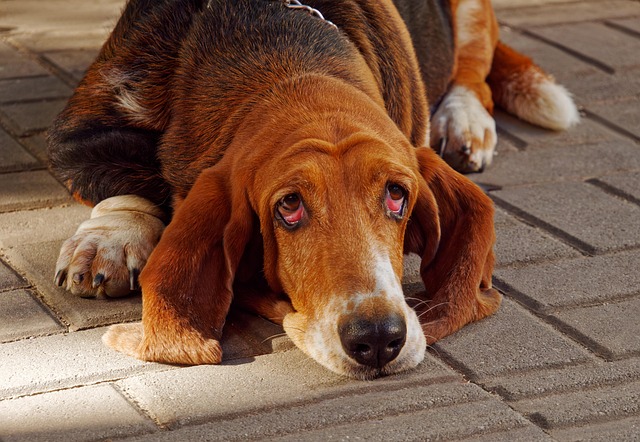
The Allure of Basset Hound Puppies Bringing home a Basset Hound puppy is an experience unlike any other. Known for their distinctive long ears, mournful eyes, and surprisingly deep bark, these hounds possess a gentle, amiable disposition that endears them to many. However, beneath their laid-back exterior lies a hound with specific needs and characteristics that prospective owners must understand ensuring a happy and healthy life for their new companion. As of July 2026, the appeal of Basset Hound puppies remains strong, with families drawn to their unique charm and relatively calm nature. Yet, the decision to welcome one into your home should be well-informed. These dogs are not simply cuddly companions; they are scent hounds bred for purpose, and this heritage influences their behaviour, health, and care requirements.
- Basset Hound puppies are known for their distinctive long ears, mournful expression, and amiable nature, but require specific care due to their heritage and physique.
- Their strong scent-tracking instincts can lead to stubbornness and a tendency to wander if not properly managed.
- Consistent, positive reinforcement training and early socialization are crucial for managing their independent streak.
- Owners must pay close attention to ear hygiene, diet for weight management, and potential genetic health issues.
- Finding a reputable breeder or rescue organisation is vital to ensure the puppy’s health and temperament.
Understanding the Basset Hound Puppy’s Temperament Basset Hound puppies are generally known for their placid and good-natured temperament. They are typically patient, gentle, and affectionate, making them wonderful companions for families with children. Their inherent kindness often means they tolerate the boisterousness of younger family members with remarkable grace, though supervision is always recommended. However, it’s crucial to remember their heritage as scent hounds. This strong scent-tracking instinct means Basset Hound puppies can become incredibly focused on a smell, sometimes to the point of ignoring commands or their surroundings. This can manifest as stubbornness; they aren’t intentionally disobedient, but rather their nose leads them. Early socialization is key to ensuring they grow into well-adjusted adults, comfortable with various people, animals, and environments. Introducing them to different sights, sounds, and experiences from a young age will help mitigate any potential shyness or over-reactivity later in life.

Navigating Basset Hound Puppy Training Training a Basset Hound puppy requires patience and consistency, largely due to their independent nature and strong scent drive. Unlike some breeds that are eager to please, Bassets often have their own agenda. This doesn’t mean they can’t be trained; it just means you need to find what motivates them. Positive reinforcement methods are most effective. High-value treats, enthusiastic praise, and play can go a long way.
Keep training sessions short, engaging, and fun to maintain their interest. House training can sometimes be a challenge; their low-slung bodies and tendency to follow their nose can lead to accidents if not closely monitored. Establishing a consistent routine for potty breaks, especially after waking, eating, and playing, is essential. Crate training can be beneficial, providing a safe den for your puppy and aiding in house training, but ensure the crate is appropriately sized for their long bodies.
A common mistake owners make is expecting immediate obedience. Instead, focus on celebrating small victories. For instance, successfully responding to a recall command after being distracted by a scent is a major achievement for a Basset Hound. According to the American Kennel Club (AKC) as of 2026, consistency in commands and reward systems is paramount for these scent-driven dogs. Essential Care for Your Basset Hound Puppy The unique physical characteristics of Basset Hounds necessitate specific care routines to keep them healthy and comfortable. Owners must be proactive in managing their well-being.
Ear Care: A Constant Vigilance
Their long, floppy ears are prone to infections due to poor air circulation. Regular checks and cleaning are vital. Aim to gently clean their ears weekly with a veterinarian-approved ear cleaner. After cleaning, ensure the ears are dry. Look for any signs of redness, discharge, or a foul odor, which can indicate an infection that requires veterinary attention. Keep in mind that some owners find using a specific ear-cleaning solution designed for floppy-eared breeds particularly effective.
Diet and Weight Management
Basset Hounds are prone to obesity, which can exacerbate other health problems like joint issues and back strain. Their metabolism is not particularly fast, and their love for food can lead to overeating. Feed a high-quality dog food appropriate for their age and activity level, and adhere strictly to recommended portion sizes. Avoid free-feeding; instead, establish regular meal times. As of July 2026, veterinary nutritionists often recommend monitoring their food intake closely and limiting high-calorie treats, especially during puppyhood when growth needs careful management.
Coat and Skin Maintenance
Despite their short coat, Basset Hounds do shed moderately. Regular brushing, at least once a week, helps to remove loose hair and keep their skin healthy. During shedding seasons, you might need to increase brushing frequency. Pay attention to skin folds, particularly around the neck and body; these areas can trap moisture and dirt, leading to irritation or infections if not kept clean and dry. Common Health Concerns in Basset Hound Puppies Responsible ownership involves being aware of the potential health issues that Basset Hounds are predisposed to. While not every puppy will experience these, knowledge is power when it comes to early detection and management.
Bloat (Gastric Dilatation-Volvulus – GDV)
This is a life-threatening condition common in deep-chested breeds like the Basset Hound. It occurs when the stomach fills with gas and can twist, cutting off blood supply. Feeding smaller, more frequent meals, avoiding strenuous exercise immediately before or after eating, and ensuring your puppy doesn’t gulp their food can help mitigate risk. Some owners opt for a prophylactic gastropexy surgery when their puppy is spayed or neutered, a procedure recommended by many veterinarians for at-risk breeds.
Orthopedic Issues
Their long backs and short legs can predispose them to spinal problems such as Intervertebral Disc Disease (IVDD). They are also prone to hip and elbow dysplasia, as well as arthritis later in life. Maintaining a healthy weight is one of the most critical factors in preventing or delaying these conditions. For instance, a puppy that gains weight too rapidly or is overweight can put undue stress on developing joints and spine.
Eye Conditions
Basset Hounds can suffer from several eye conditions, including ectropion (eyelids rolling inward, causing irritation) and ectropion (eyelids rolling outward). Cherry eye, a prolapse of the gland of the third eyelid, is also common. Regular veterinary check-ups are important for early diagnosis and treatment of these conditions. According to the American College of Veterinary Ophthalmologists (ACVO) recommendations, routine eye examinations are crucial from puppyhood. Where to Find a Basset Hound Puppy Choosing where to acquire your Basset Hound puppy is a critical step in ensuring you get a healthy, well-adjusted companion. Reputable sources prioritise the health and temperament of their dogs.
Reputable Breeders
A good breeder will be knowledgeable about the breed, can provide health clearances for the puppy’s parents (testing for conditions like hip dysplasia, elbow dysplasia, and eye issues), and will be happy to answer all your questions. They will also ask you questions to ensure you are a suitable owner. Expect to see where the puppies are raised, meet the parents if possible, and be provided with vaccination and deworming records. As of 2026, many reputable breeders are members of breed-specific clubs, such as the Basset Hound Club of America, which often have breeder directories.
Adoption and Rescue
Many Basset Hounds, including puppies, end up in shelters or breed-specific rescue organisations. Adopting a rescue dog can be incredibly rewarding. These organisations often have a good understanding of each dog’s personality and needs, and they work to match them with suitable homes. Rescue organisations will typically conduct home checks and require an adoption fee, which helps cover veterinary care and upkeep. Be wary of backyard breeders or online sellers who can’t provide health clearances, seem more interested in a quick sale, or have multiple breeds available.
These sources can be a red flag for potential health and behavioural issues. Preparing Your Home for a Basset Hound Puppy Before your Basset Hound puppy arrives, it’s essential to puppy-proof your home. Their curious nature and tendency to explore with their noses mean certain precautions are necessary. Secure electrical cords, store cleaning supplies and medications out of reach, and remove any toxic plants. Basset Hounds are scent hounds, so keep doors and gates securely closed to prevent them from wandering off if they catch an interesting smell.
Invest in a comfortable bed, food and water bowls (consider elevated ones if your vet recommends to help with their long necks and backs), a crate, appropriate chew toys, and grooming supplies like a soft brush and ear cleaner. Consider your flooring. Basset Hounds can be prone to accidents during house training, and their short legs can make slippery floors challenging. Rugs or non-slip mats can provide better traction. Their long ears can drag through food and water bowls, so a deeper, narrower bowl might be preferable to keep them cleaner.
Common Mistakes to Avoid with Basset Hound Puppies Several pitfalls can make the transition of a Basset Hound puppy into your home more difficult than it needs to be. Being aware of these can save you and your new pet stress.
Underestimating Exercise Needs
While Basset Hounds are not high-energy dogs, they do require daily exercise to stay healthy and prevent boredom-related destructive behaviours. A short daily walk or play session is usually sufficient, but skipping it can lead to a lethargic or destructive puppy. In real terms, a daily 20–30 minute walk is a good starting point.
Neglecting Ear and Skin Fold Hygiene
As mentioned, their ears and skin folds are prime spots for infections. Failing to clean them regularly is a fast track to vet visits. This is a common oversight, especially for first-time owners of this breed.
Inconsistent Training
Their stubborn streak means that inconsistent training signals can confuse them and hinder progress. What is allowed one day must be allowed the next, with clear, consistent commands and rewards. This is vital for their development and your sanity.

Consistent training and attention are key to a well-adjusted Basset Hound. Expert Insights for New Basset Hound Owners In my over a decade of working with Basset Hounds, I’ve learned that their unique traits, while charming, require a dedicated approach. One insight I often share is that their vocalization—that deep, resonant bark—is not typically a sign of aggression but rather a communication tool. They will bark to alert you to something, express excitement, or when they smell something particularly interesting.
Another point of expertise is their social needs. While they can be independent, they are also devoted to their families. They don’t thrive when left alone for extended periods. If you are out for more than 8–10 hours a day regularly, consider if a Basset Hound puppy is the right fit, or if arrangements for doggy daycare or a midday walker are feasible. For instance, I once worked with a family whose Basset puppy developed significant separation anxiety because both owners worked full-time jobs with long commutes, leading to destructive chewing and excessive barking.
Finally, never underestimate the power of scent work games. Hiding treats around the house or garden and encouraging your puppy to find them is a fantastic way to engage their natural instincts in a controlled, positive manner. It tires them out mentally and physically, which can significantly reduce other behavioural issues. Frequently Asked Questions
Are Basset Hound puppies easy to train?
Basset Hound puppies can be challenging to train due to their independent nature and strong scent drive. They respond best to positive reinforcement, patience, and consistency, as they are motivated by rewards rather than a desire to please.
How much exercise do Basset Hound puppies need?
Daily exercise is important, but they don’t require strenuous activity. A couple of short walks (around 20-30 minutes each) per day is generally sufficient to keep them healthy and prevent boredom-related issues.
Are Basset Hound puppies good with children?
Yes, Basset Hound puppies are typically very good with children. They are known for their gentle and patient temperament, often tolerating the exuberance of younger family members with grace, though supervision is always advised.
What are the biggest health concerns for Basset Hound puppies?
Key health concerns include bloat (GDV), orthopedic issues like IVDD and hip dysplasia, and various eye conditions such as ectropion and cherry eye. Regular veterinary check-ups are crucial for early detection.
Do Basset Hound puppies drool a lot?
Yes, Basset Hounds are known for being significant droolers, especially after eating or drinking. Their loose jowls and long ears contribute to this, so be prepared for occasional drool and keep cleaning supplies handy.
What is the average lifespan of a Basset Hound?
With proper care, Basset Hounds typically live between 10 to 12 years. Maintaining a healthy weight and managing potential health issues can significantly contribute to their longevity. Embracing the Basset Hound Journey Welcoming a Basset Hound puppy into your life is a commitment to understanding and accommodating their unique needs. Their charm, loyalty, and gentle nature make them wonderful companions, but their scent-hound heritage means they require dedicated owners who can provide consistent training, diligent health care, and plenty of affection. By preparing thoroughly and embracing their distinctive traits, you can ensure a fulfilling and joyful relationship with your low-slung, big-hearted friend for years to come.


