
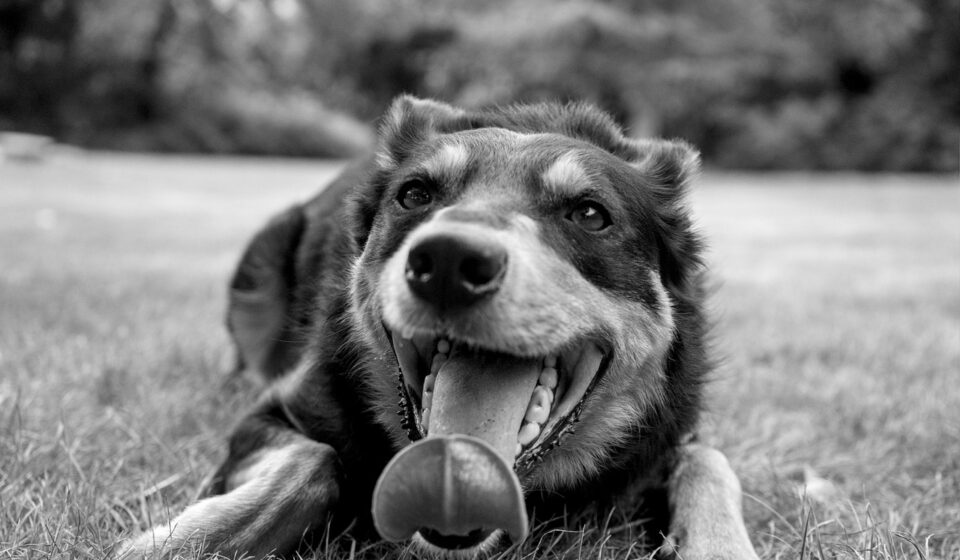
The Basset Hound: A Breed Apart The Basset Hound, instantly recognizable by its long, velvety ears, mournful expression, and low-slung physique, is a breed that captures hearts with its gentle nature and placid demeanour. Developed in France primarily for hunting small game like rabbits and hares on foot, these dogs possess an exceptional sense of smell, second only to the Bloodhound. As of July 2026, their popularity continues to grow, yet prospective owners must understand that beneath their charming exterior lies a dog with specific needs that differ significantly from more athletic breeds. This article delves into the unique characteristics, care requirements, and potential challenges of owning a Basset Hound, offering practical advice for ensuring a happy and healthy life for these distinctive hounds.
- Basset Hound are scent hounds with a strong prey drive, requiring secure containment and consistent training.
- Their distinctive physical traits, like long ears and loose skin, necessitate specific grooming and health monitoring.
- Despite their calm demeanour, they can be stubborn and vocal, demanding patience and positive reinforcement in training.
- Their exercise needs are moderate, focusing on regular, gentle walks rather than strenuous activity.
- Potential owners should be prepared for the breed’s tendency to drool and their susceptibility to certain health conditions.
Understanding the Basset Hound Temperament Basset Hounds are renowned for their amiable and easy-going disposition. They are typically good-natured, patient, and affectionate, making them excellent companions for families, including those with children. Their generally calm demeanour means they aren’t prone to excessive, frantic energy indoors, preferring to lounge comfortably. However, this placid exterior masks a hound with a strong will and an independent streak. This can manifest as stubbornness, particularly when training or trying to redirect their attention from an interesting scent. Their heritage as scent hounds means they are easily distracted by smells. A fascinating aroma on a walk can override commands, leading to a dog that appears disobedient. In real terms, this means that a secure garden is essential, as they have been known to follow a scent trail right out of an unsecured area. While generally good with other pets, their prey drive can sometimes lead to chasing smaller animals if not properly socialized and managed.
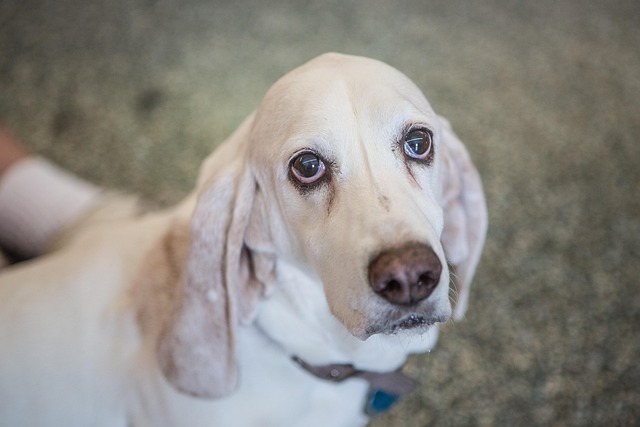
Essential Care for Your Low-Rider The Basset Hound’s distinctive physical characteristics, while endearing, require dedicated care. Their short legs and heavy build mean they are prone to back problems and joint issues. Overfeeding is a significant concern, as obesity exacerbates these conditions, impacting their mobility and overall lifespan. According to the American Kennel Club (AKC) breed standard, maintaining a healthy weight is paramount for their well-being. Their long, floppy ears are particularly susceptible to infections due to poor air circulation and their tendency to drag in food and water.
Regular weekly cleaning with a veterinarian-approved ear solution is vital to prevent discomfort and serious health complications. Similarly, their loose facial skin can trap moisture and debris, requiring gentle cleaning to avoid irritation and secondary infections. Owners should also be mindful of their eyes; while their droopy appearance is characteristic, any signs of redness, discharge, or cloudiness warrant a veterinary visit. Dietary Needs and Weight Management A balanced diet is crucial for maintaining a Basset Hound’s health and preventing the obesity that’s all too common in the breed.
High-quality dog food formulated for medium-to-large breeds is generally recommended. As of July 2026, many premium brands offer specialised formulas that cater to breed-specific needs, often with controlled calorie counts and added joint support. Portion control is key. Owners should follow the feeding guidelines on their chosen dog food packaging, adjusting as necessary based on their dog’s age, activity level, and metabolism. It’s advisable to feed adult Basset Hounds twice a day rather than free-feeding.
Treats should be given in moderation, accounting for no more than 10% of their daily caloric intake. For owners concerned about weight, consulting with a veterinarian or a certified pet nutritionist can provide personalized dietary plans. According to the Veterinary Partner website, obesity can significantly shorten a dog’s life by as much as 15% and exacerbate chronic conditions.
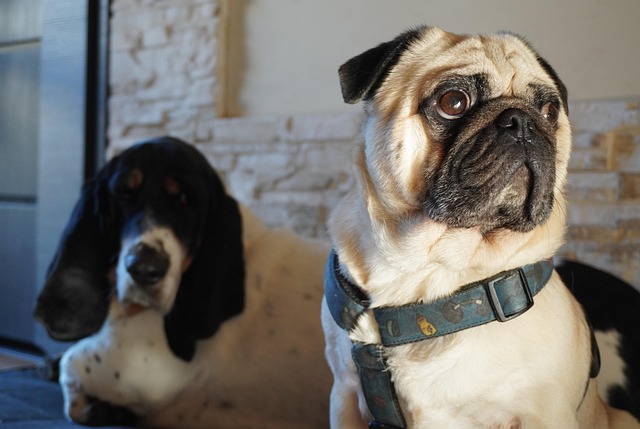
Training Your Stubborn Scent Hound Training a Basset Hound requires patience, consistency, and a good sense of humour. Their intelligence is undeniable, but their independent nature means they often choose whether or not to obey a command based on their own priorities, which usually involve scents. Positive reinforcement methods, such as using high-value treats, praise, and play, are far more effective than harsh discipline. Early socialization is critical. Exposing your Basset Hound puppy to various sights, sounds, people, and other animals from a young age helps them develop into well-adjusted adults.
Basic obedience training should begin immediately. Commands like ‘sit,’ ‘stay,’ and ‘come’ need consistent practice. The ‘come’ command, in particular, is vital given their tendency to wander when on a scent. For recall training, start in a quiet, enclosed area and gradually increase distractions. Leash training is also essential; their strong scent drive means they can pull forcefully if not accustomed to a gentle leash walk. Exercise and Activity Levels Basset Hounds are not high-energy dogs.
Their short legs and body structure are not built for endurance or strenuous activity. However, they do require regular, moderate exercise to maintain a healthy weight, keep their muscles toned, and prevent boredom, which can lead to destructive behaviours. Daily walks, typically 20–30 minutes in duration, are usually sufficient for adult dogs. These walks are best enjoyed at a leisurely pace, allowing them to indulge their natural inclination to sniff and explore.
Avoid excessive running, jumping, or long hikes, especially on hard surfaces, to protect their joints and spine. Mental stimulation is also important. Puzzle toys, scent games (like hiding treats around the house or garden), and short training sessions can provide valuable mental engagement. As they age, their exercise needs may decrease further, so it’s important to monitor their energy levels and adjust activity accordingly. Common Health Concerns to Watch For Like many purebred dogs, Basset Hounds are predisposed to certain genetic health conditions.
Responsible breeders will screen their dogs for these issues. Potential owners should be aware of the following:
- Ear Infections: As mentioned, their long ears are prone to bacterial and yeast infections. Regular cleaning and prompt treatment are crucial.
- Bloat (Gastric Dilatation-Volvulus – GDV): This is a life-threatening condition where the stomach twists. Deep-chested breeds like Basset Hounds are at higher risk. Feeding smaller meals, avoiding exercise immediately after eating, and considering a prophylactic gastropexy surgery can help mitigate risk. According to the AKC, bloat can be fatal within hours if not treated.
- Hip and Elbow Dysplasia: These are common joint malformations that can lead to arthritis and lameness.
- Intervertebral Disc Disease (IVDD): Due to their long backs, Basset Hounds are susceptible to disc problems, which can cause pain and paralysis. Maintaining a healthy weight and preventing them from jumping off high furniture is important.
- Eye Conditions: Ectropion (eyelids rolling inward) and ectropion (eyelids rolling outward) are common. Glaucoma and cataracts can also occur.
- Allergies: Both environmental and food allergies are not uncommon in this breed, often manifesting as skin irritations or digestive upset.
Regular veterinary check-ups, a balanced diet, appropriate exercise, and diligent grooming are the cornerstones of proactive health management for a Basset Hound. Your veterinarian can provide specific guidance and early detection strategies.
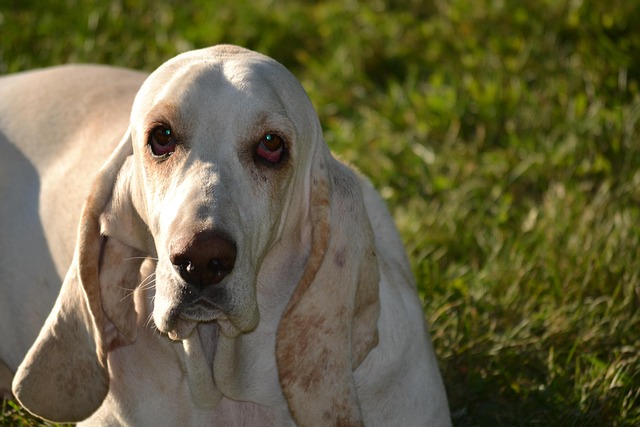
Grooming and Maintenance Tips Grooming a Basset Hound involves more than just brushing. Weekly brushing with a firm bristle brush or grooming mitt helps remove loose hair and distribute natural oils, keeping their short coat healthy. Pay attention to their skin folds, gently cleaning them with a damp cloth or a veterinarian-recommended cleaning solution to prevent irritation and odor. Ear cleaning, as discussed, is a critical weekly task. Use a gentle, vet-approved ear cleaner and cotton balls (never insert anything deep into the ear canal).
Check for redness, swelling, or unusual discharge. Nail trimming should occur every 2–4 weeks, depending on how quickly their nails grow. If their nails click on the floor, they need trimming. Dental hygiene is also important; aim to brush their teeth several times a week with dog-specific toothpaste to prevent dental disease. Their propensity for drooling means their jowls can become damp and prone to bacteria; wiping them down after meals and during the day can help manage this.
Basset Hounds as Family Pets In the right home environment, a Basset Hound can be a wonderful addition to the family. Their generally placid and loving nature makes them great companions for children, provided the children are taught to interact gently and respectfully. Their moderate exercise requirements mean they can adapt to apartment living, as long as they receive their daily walks and mental stimulation. However, their strong scent drive and potential for stubbornness mean they are not the best fit for every household.
Potential owners should be prepared for the breed’s unique characteristics: the deep, baying bark that can alert the entire neighbourhood, the tendency to drool significantly, and the commitment to regular grooming and health monitoring. They thrive on companionship and don’t do well if left alone for extended periods, which can lead to separation anxiety and destructive behaviour. A Basset Hound is a commitment of 10–12 years, requiring consistent care, training, and affection. Frequently Asked Questions About Basset Hounds
Are Basset Hounds easy to train?
While intelligent, Basset Hounds can be stubborn and easily distracted by scents, making training a patient and consistent process. Positive reinforcement techniques are most effective.
How much exercise do Basset Hounds need?
They require moderate exercise, typically 20–30 minutes of gentle walking daily, focusing on sniffing and exploring rather than strenuous activity.
Are Basset Hounds good with children?
Yes, Basset Hounds are generally very good with children due to their patient and affectionate nature, provided children are taught gentle interaction.
What are common health problems for Basset Hounds?
Common issues include ear infections, bloat (GDV), hip/elbow dysplasia, intervertebral disc disease (IVDD), and eye conditions like ectropion.
Do Basset Hounds drool a lot?
Yes, Basset Hounds are known for significant drooling, especially after eating or drinking, due to their loose jowls and facial structure.
Can a Basset Hound live in an apartment?
Yes, they can adapt to apartment living due to their moderate exercise needs, provided they get daily walks and mental stimulation outside.
How long do Basset Hounds typically live?
The average lifespan for a Basset Hound is typically between 10 to 12 years, though some may live longer with excellent care.


