
The Cavalier King Charles Spaniel is a British breed of toy dog characterized by its affectionate and gentle nature, silky coat, and four recognised colours: Blenheim, tricolor, black and tan, and ruby. When you bring one of these companion dogs into your home, you gain a loyal, adaptable pet that fits smoothly into both quiet apartments and bustling family houses. understanding their specific physical traits, historical background, and health needs makes all the difference in providing a high standard of care throughout their lives.
To give you a clear picture of this beloved spaniel type, here is a breakdown of the essential traits, history, and care considerations that define the breed today.
What are cavalier king charles spaniels like?
Cavalier King Charles Spaniels are exceptionally affectionate, gentle, and eager-to-please dogs that combine the grace of toy breeds with the lively spirit of traditional spaniels. You will notice they bond closely with their human families and typically get along well with children and other household pets.

Unlike some independent hound or terrier breeds, the Cavalier is viewed as a dog engineered fundamentally for human companionship. According to [The Pet Clinic](https://www.thepetclinic.vet/services/dogs/breeds/cavalier-king-charles-spaniels), these dogs were initially companion pets in England, meaning their socializing skills come naturally. They love chasing butterflies in the garden, yet they settle down quietly on the sofa when you relax indoors. However, you should never mistake their gentle demeanor for a lack of energy; they still require regular daily walks and mental stimulation to stay healthy and contented.
How big cavalier king charles spaniel adults grow?
Adult Cavalier King Charles Spaniels typically reach a height of 12 to 13 inches (30 to 33 cm) at the withers and maintain a weight between 13 and 18 pounds (5.9 to 8.2 kg). You will find that these compact dimensions make them wonderfully portable pets compared to larger sporting dogs.

Their small stature does not mean they are fragile, but you must handle them with care to protect their joints and backs. When you feed your dog, portion control is vital because extra weight puts unnecessary strain on their petite frames. According to the breed standard effective March 2023, the focus remains on natural presentation and proper balance, avoiding the excessively domed heads or shortened faces seen in some other toy varieties.
What were cavalier king charles spaniels bred for?
Breeders developed Cavalier King Charles Spaniels to serve as affectionate lap dogs and royal companions, tracing their lineage back to the small spaniels popular during the English Civil War. When you examine their history, you see they carry the name of King Charles II, who famously favored these charming dogs.
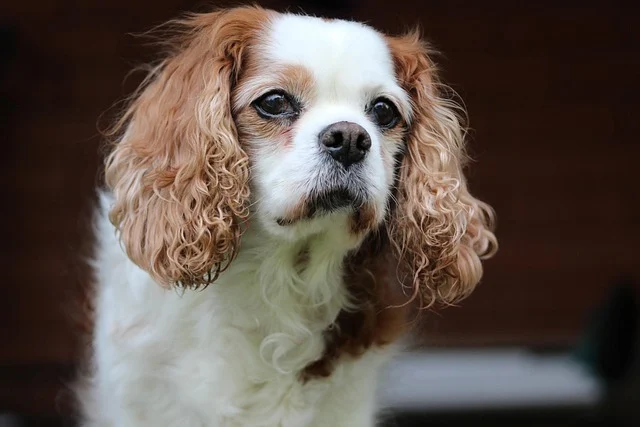
As noted on [Wikipedia](https://en.wikipedia.org/wiki/Cavalier_King_Charles_Spaniel), the toy spaniels of the past changed dramatically during the nineteenth century through interbreeding with flat-nosed breeds. Breeders in the 1920s attempted to recreate what they considered the original configuration of King Charles II’s spaniel. This effort led to the distinct separation of the longer-muzzled Cavalier from its shorter-faced counterpart.
When were cavalier king charles spaniels bred?
Modern Cavaliers trace their intentional recreation to the 1920s, when an American named Roswell Eldridge offered monetary prizes at Crufts dog show for the best old-type spaniels with longer noses. You find that historical roots go back much further to the royal courts of the 17th century under King Charles I and King Charles II, but the distinct modern breed standard took shape following these 20th-century revival efforts.

When is cavalier king charles spaniel day?
Specific pet appreciation calendar days vary across regions, and no universally recognised official global date exists for a dedicated Cavalier King Charles Spaniel Day. You can celebrate your dog any day by focusing on extra grooming sessions, interactive puzzle toys, or a long exploratory walk in a secure park.
How much cavalier king charles spaniel puppies cost?
Puppies from reputable breeders generally cost between $2,000 and $4,500. Broader market data indicates most puppies sell for £1,191 to £2,000. [pets4homes.co.uk] When you search for a puppy, we advise you to look strictly for health-tested parents rather than bargain prices.

Health screening adds to the initial purchase price, but it saves you from heartbreak and steep veterinary bills later. Responsible breeders ensure puppies are at least 8 weeks old, microchipped, vaccinated, and wormed before they leave for their new homes.
Why are cavalier king charles spaniels banned in norway?
Breeding Cavalier King Charles Spaniels remains banned in Norway following a 2023 Supreme Court judgment, which upheld a 2022 Oslo District Court ruling affecting the Norwegian Kennel Club due to severe, systemic health problems in the breed. [domstol.no] [domstol.no] When you look at international breeding practices, you see that these restrictions highlight the urgent need for genetic reform.
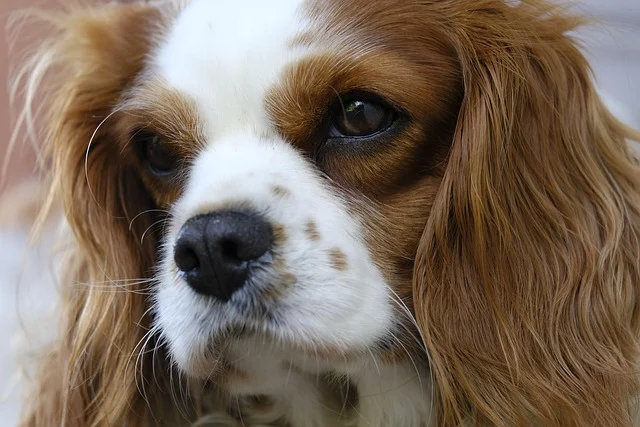
Mitral valve disease affects over half of all Cavaliers by age five and nearly all by age ten, making heart health a primary concern. To combat this and other conditions like syringomyelic, breed and national kennel clubs in countries such as Finland, Norway, and Sweden initiated or approved crossbreeding programs between 2022 and 2025 to introduce genetic variation and improve overall welfare. [cavalierhealth.org]
Common problems and their fixes for Cavaliers
Long, pendulous ears trap moisture easily, which frequently leads to painful ear infections if you neglect regular cleaning. You prevent this issue by inspecting and gently wiping the inner ear flaps weekly with a vet-approved veterinary cleaner.

Matting develops quickly in their silky feathering behind the legs and under the ears. You fix this by establishing a strict brushing routine three times a week using a pin brush and a metal comb to clear tangles before they tighten.
Who this breed does not suit
You should avoid getting a Cavalier King Charles Spaniel if you work long hours away from home and cannot provide constant companionship. These dogs suffer intensely from isolation. Also, if you want a rugged outdoor working dog for heavy hiking or intense athletic agility, a petite toy spaniel will not match your energy levels or physical requirements.
Frequently asked questions
Is Cavalier King Charles Spaniels hypoallergenic?
No, Cavalier King Charles Spaniels are not hypoallergenic. They possess a medium-length, silky coat that sheds regularly, meaning they produce dander that can trigger allergies in sensitive individuals.
Can Cavalier King Charles Spaniels be left alone?
No, Cavaliers develop separation anxiety easily if left alone for extended periods. You should plan your daily schedule so your dog has company throughout the day.
How much exercise does a Cavalier need daily?
You should provide about 30 to 60 minutes of daily exercise, split into walks and playtime, to keep your adult Cavalier fit and mentally balanced.
Do Cavaliers bark a lot?
No, Cavaliers are generally quiet dogs, though they will alert you with barks when someone knocks on your door or approaches the house.
Sources