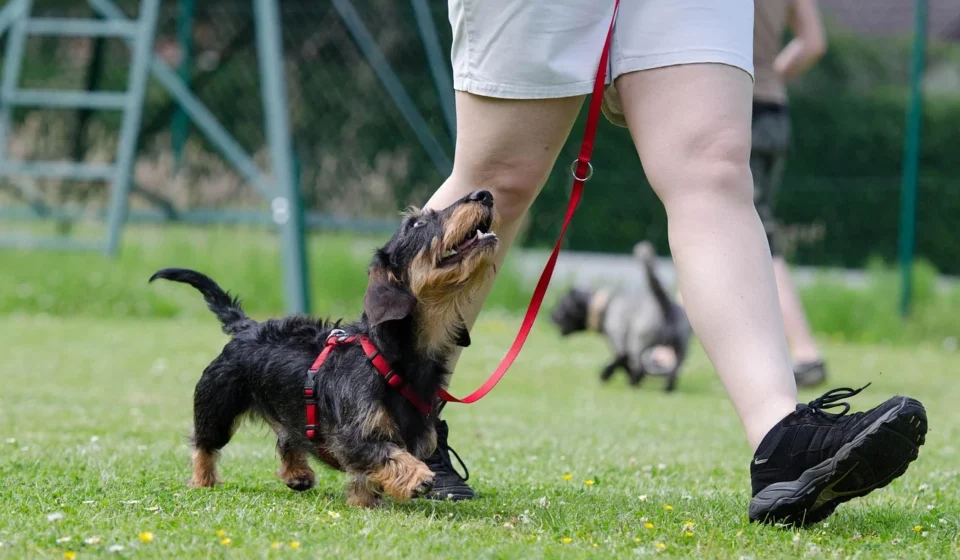
The Dachshund, often affectionately called a ‘sausage dog’, is a German breed originally developed over 300 years ago to hunt badgers and other burrowing animals, a purpose reflected in its name, which means “Badger Dog.” This guide provides a comprehensive look at what makes this breed unique, covering their characteristics, care requirements, and common considerations for potential UK owners.
Understanding the Dachshund’s Unique History and Purpose
Breeders specifically bred Dachshunds in Germany to be tenacious hunters. They were capable of entering badger setts and other animal burrows. Their distinctive long, low bodies and short, powerful legs adapted perfectly for this underground work. These features allowed them to navigate tight spaces and confront prey. This strong prey drive and independent spirit are still evident in the breed today. This is a key aspect for any prospective owner to understand.
While they are no longer primarily used for badger hunting, their historical role has shaped many of their behavioral traits. These include their determination, bravery, and sometimes their vocal nature. A dachshund breed guide helps explain why a Dachshund might dig enthusiastically in the garden or bark at perceived intruders – it’s an echo of their past, not just stubbornness.
What Are the Recognised Dachshund Sizes and Coat Types?
Dachshunds come in a surprising variety of sizes and coat types. They offer options for different preferences, though their core personality remains consistent. People are often surprised by the diversity within the breed. They expect all Dachshunds to look the same.
The UK’s Royal Kennel Club recognises two main sizes:
- Standard Dachshund: Typically weighing between 7.3 kg and 14.5 kg (16-32 pounds).
- Miniature Dachshund: Weighing under 5 kg (11 pounds) at 12 months or older.
Keep in mind that Europe’s FCI (Fédération Cynologique Internationale) recognizes a third, smaller “Kaninchen” or “Rabbit” size. FCI measures this size by chest circumference (under 12 inches/30 cm) rather than weight. While the UK Kennel Club does not officially recognize it as a separate size, you might encounter breeders using this term.
Beyond size, Dachshunds are also distinguished by three distinct coat types:
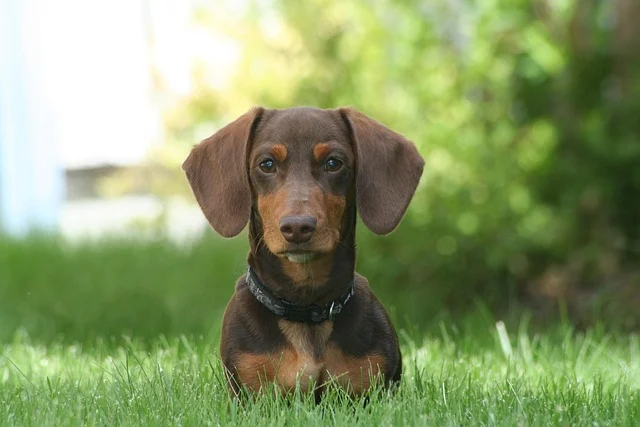
- Smooth-haired: The original and most common type, with a short, dense, and glossy coat that is relatively low maintenance.
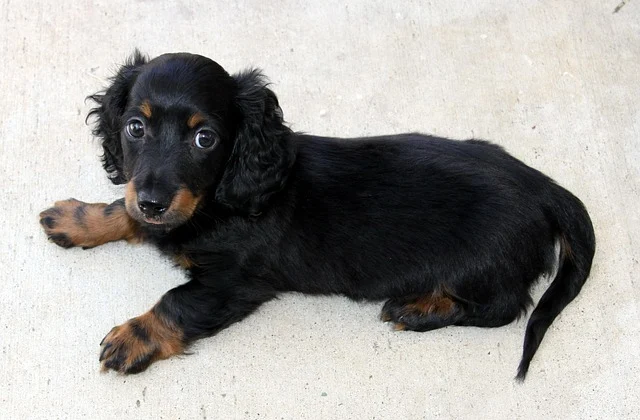
- Long-haired: Featuring a sleek, slightly wavy coat that requires more regular grooming to prevent tangles and mats.
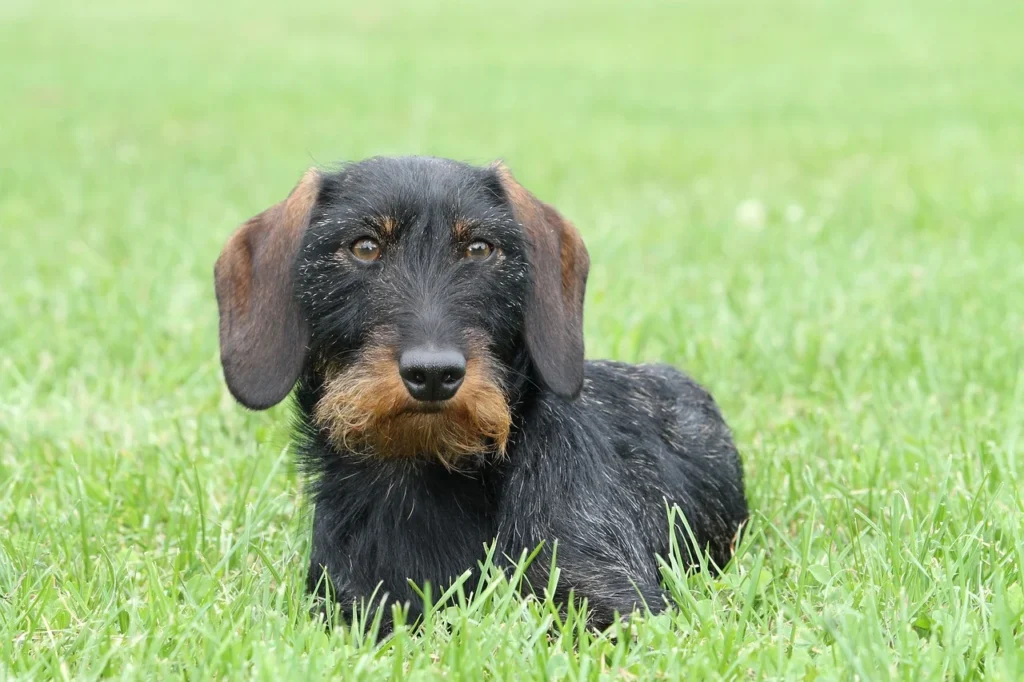
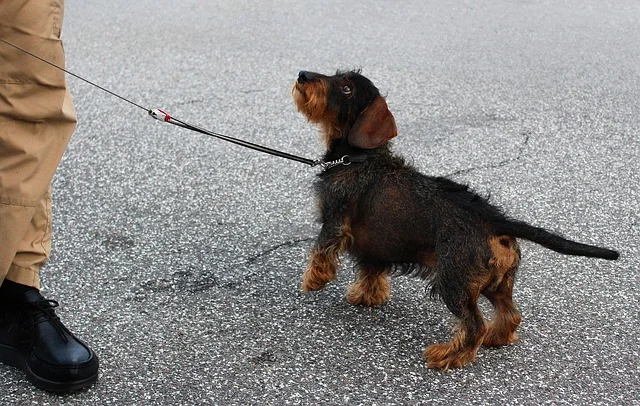
- Wire-haired: Characterized by a harsh, wiry topcoat with a softer undercoat, often accompanied by distinctive eyebrows and a beard. This coat type needs occasional hand-stripping to maintain its texture.
These combinations result in six distinct varieties in the UK and US, providing a wide range of appearances within the breed.
What is the Dachshund Temperament and Personality Like?
Dachshunds are known for their lively, intelligent, and often mischievous personalities. They dispel several common misconceptions about their nature. People often assume they are lazy or untrainable, but experience suggests quite the opposite.

Many believe Dachshunds are lazy, but they are actually energetic. They require regular exercise to maintain their health and muscle tone. Dachshunds love to play and explore, and a lack of mental and physical stimulation can lead to boredom and undesirable behaviors. We recommend daily walks and engaging play sessions to keep them happy and fit.
Another misconception is that they are untrainable due to stubbornness. While they possess an independent streak, Dachshunds are intelligent. You can train them effectively with patience, consistency, and positive reinforcement. Short, fun training sessions work best, as their attention spans can be brief. They respond particularly well to treat-based rewards and praise.
Also, some people think Dachshunds are not good with children or other pets. However, a dachshund breed guide notes they can be affectionate and form strong bonds with families. Teach children to interact gently with a Dachshund due to delicate backs, and always supervise interactions.
It’s also a common belief that all Dachshunds are alike, but their temperament can vary as much as their appearance. Just like people, individual dogs have unique personalities, so spending time with a puppy’s parents or getting to know an adult Dachshund before adoption can give you a better idea of their potential personality.
Which breed of Dachshund is the best?
There isn’t a single “best” type of Dachshund. Suitability depends entirely on your lifestyle and preferences, per a dachshund breed guide. Smooth-haired Dachshunds are often considered lower maintenance for grooming. Long-haired varieties offer a softer look, and wire-haired dogs have a distinctive, cheeky appearance. When choosing, we advise considering grooming commitment, potential allergies (though no dog is truly hypoallergenic, coat types can make a difference), and the individual dog’s personality rather than just its looks.
What breeds make up Dachshunds?
Dachshunds are not a mix of other breeds; they are a distinct, ancient German breed that has evolved over centuries. Their unique physical characteristics were selectively bred to create a dog perfectly suited for badger hunting, rather than being a hybrid of multiple existing breeds. Their lineage is well-established and documented, making them a purebred dog with a long history.
Essential Health Considerations for Dachshunds
Dachshunds are generally solid dogs, but their distinctive long backs make them particularly prone to certain health issues, most notably Intervertebral Disc Disease (IVDD). We cannot stress enough how important it is for owners to be aware of this and take preventative measures.
Intervertebral Disc Disease (IVDD): This condition involves the discs between the vertebrae in their spine deteriorating or rupturing. This can lead to pain, nerve damage, and even paralysis. Consult a dachshund breed guide: you must prevent IVDD. We recommend maintaining a healthy weight for your Dachshund, as obesity puts extra strain on their spine. Additionally, you must prevent activities like jumping on and off furniture or running up and down stairs. These can cause sudden jolts to the back. Ramps or pet stairs can be very helpful for accessing sofas and beds safely.
Other health concerns that can affect Dachshunds include:
- Patellar Luxation: A condition where the kneecap slips out of place.
- Eye Conditions: Such as progressive retinal atrophy (PRA).
- Dental Disease: Common in small breeds, requiring regular dental care.
Regular veterinary check-ups are essential for early detection and management of any health issues. We always advise discussing preventative care strategies with your vet, especially concerning IVDD.
Germany’s Draft Law and Dachshund Breeding
It’s important to be aware of current developments that could impact the breed. Germany is currently considering a draft law, published in February 2024, to prohibit breeding practices that cause animals to suffer. This could potentially impact Dachshunds due to their “skeletal anomalies” and propensity for spinal issues. The German Kennel Club (VDH) opposes the current wording, arguing it’s too broad and could affect many healthy breeds. While this is still under discussion, it highlights the global focus on responsible breeding practices and the specific health challenges covered in a dachshund breed guide.
Caring for Your Dachshund: Exercise, Training, and Grooming
Providing a Dachshund with the right care involves a balance of physical activity, consistent training, and appropriate grooming for their coat type. A well-cared-for Dachshund is a happy and healthy companion.
Exercise Needs
Despite their small size, Dachshunds are energetic dogs. They require regular, moderate exercise to stay healthy and mentally stimulated. We recommend at least two short walks daily, coupled with playtime in a secure garden. Avoid over-exercising young puppies. A dachshund breed guide helps ensure adults get enough activity to prevent weight gain, which is detrimental to their backs. You should limit activities that involve too much jumping or twisting.
Training and Socialisation
As mentioned earlier, Dachshunds are intelligent but can be stubborn. Early socialisation with various people, places, and other animals is important to develop a well-adjusted dog. Consistent, positive reinforcement training from a young age is key, as noted in a dachshund breed guide. Focus on basic commands, lead training, and house-training. Due to their strong prey drive, a secure lead and harness are essential when out on walks.
Potty training can sometimes be a challenge with Dachshunds, as they can be prone to marking. Consistency, frequent outdoor trips, and positive reinforcement for appropriate elimination are vital. Crate training can also be an effective tool to aid in house-training.
Grooming Requirements
Grooming needs vary significantly by coat type:
- Smooth-haired: Minimal grooming required. A quick brush once a week to remove loose hair and keep their coat shiny is usually sufficient.
- Long-haired: Requires more frequent brushing, ideally every few days, to prevent tangles and mats. Pay particular attention to feathering on their ears, legs, and tail.
- Wire-haired: Needs weekly brushing and occasional hand-stripping, typically every few months, to maintain the correct coat texture and remove dead hair. If not hand-stripped, their coat can become soft and lose its characteristic wiry texture.
All Dachshunds benefit from regular nail trims, ear cleaning, and dental care. We advise getting them used to these routines from puppyhood to make the process easier for both of you.
A dachshund breed guide to standards and colours
Understanding breed standards helps identify a purebred Dachshund and ensures you are supporting responsible breeding practices. The UK Kennel Club sets detailed standards for the breed’s appearance and temperament.
How to tell a purebred Dachshund?
A purebred Dachshund will conform to the breed standard set by organizations like the UK Kennel Club. Key indicators include their characteristic long, muscular body, short legs, deep chest, and distinct head shape. Their size and coat type should also fall within the recognised categories (Standard or Miniature; smooth, long, or wire-haired). The most reliable way to ensure you are getting a purebred Dachshund, as outlined in a dachshund breed guide, is to purchase from a reputable breeder who can provide Kennel Club registration papers and detailed lineage information.
Permitted and Undesirable Colours
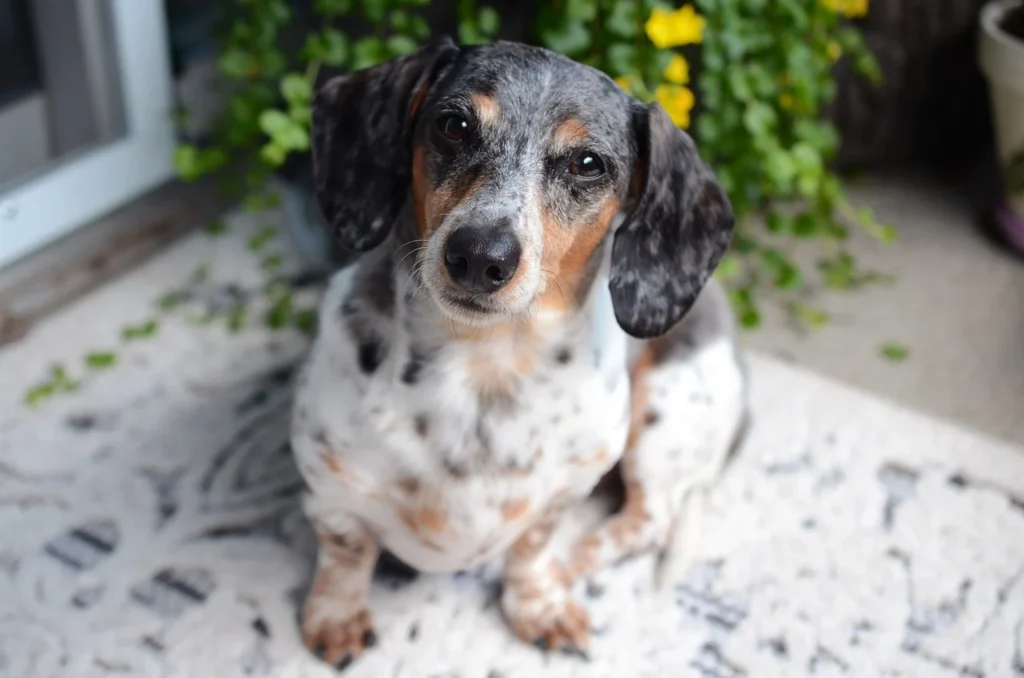
The UK Dachshund Breed Standard’s Colour Clause became effective October 27, 2022. A dachshund breed guide provides clear guidelines on acceptable colours and patterns. Generally, you can permit solid colours like red, black and tan, chocolate and tan, and dappled patterns. However, we deem certain colours and patterns unacceptable or highly undesirable. This is due to potential health implications or deviation from the breed’s historical appearance.
Specifically, the updated standard states that double dapple, Isabella, blue, piebald, and tricolor are unacceptable or highly undesirable. Double dapple, in particular, is associated with serious health issues such as blindness and deafness. For this reason, we strongly advise against acquiring a puppy with this pattern. Reputable breeders follow the dachshund breed guide to maintain the health and integrity of the breed.
What is the rarest type of Dachshund?
A dachshund breed guide shows that pinpointing the “rarest” type of Dachshund can be subjective. It often depends on specific combinations of size, coat, and colour. While there isn’t one universally recognised “rarest” type, you can find certain unique colour patterns or less common coat types (like wire-haired in some regions) harder to find. However, we advise caution against seeking out a dog based solely on rarity. This is especially true if it involves colours or patterns associated with known health risks, such as the double dapple. You should always focus on health, temperament, and responsible breeding.
Considering a Dachshund Puppy: Costs and Responsible Breeding
Bringing a Dachshund puppy into your home is a significant commitment, both in terms of time and finances. Understanding the typical costs and the importance of choosing a responsible breeder is important. You should always do thorough research before making such a decision.
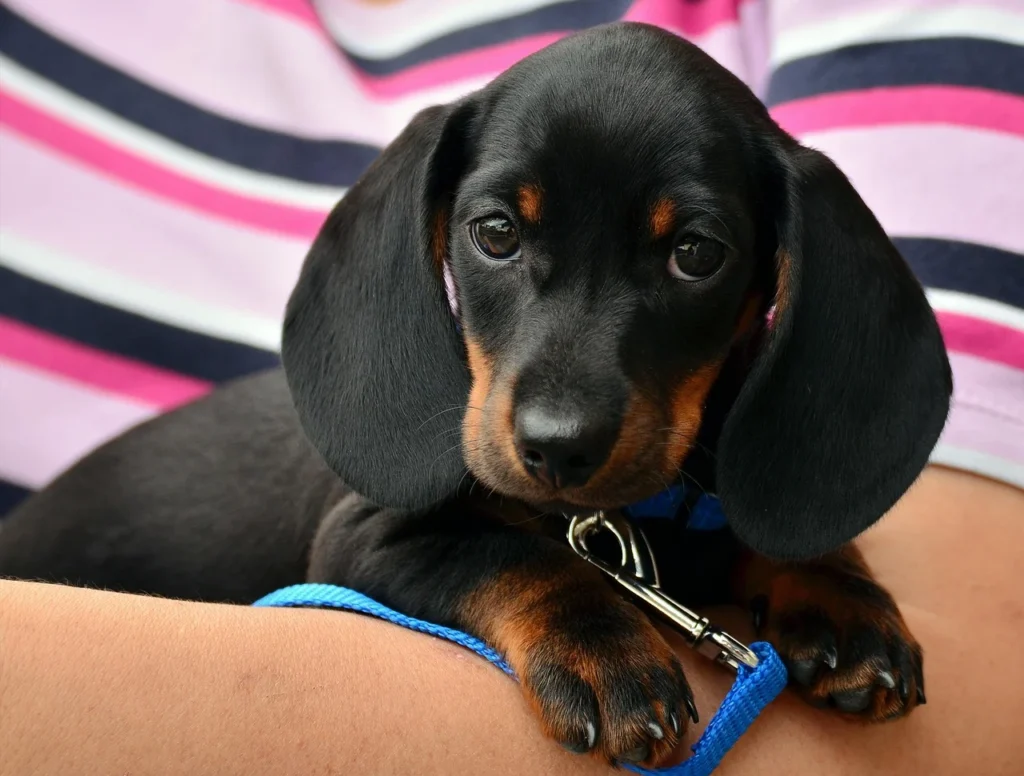
As of November 2026, Dachshund puppies in the UK typically average around £823, with most selling between £800 and £2,500. Keep in mind that Miniature Dachshunds often command higher prices due to demand and their smaller litter sizes. These prices reflect the breeder’s investment in health testing, proper nutrition, and early socialisation for the puppies and their parents.
When looking for a puppy, you cannot overstate the importance of finding a reputable breeder. A good breeder will:
- Be transparent about the puppies’ parentage and health history.
- Provide health clearances for the parents, especially concerning IVDD and eye conditions.
- Allow you to visit the puppies with their mother in a clean, safe environment.
- Be knowledgeable about the breed and ask you questions to ensure their puppies go to suitable homes.
- Provide Kennel Club registration papers.
Avoid breeders who offer multiple breeds, cannot show you the mother, or seem unwilling to answer your questions thoroughly. While the initial cost of a puppy is a factor, remember that ongoing costs for food, veterinary care, insurance, and accessories will be substantial throughout your Dachshund’s life.
Overall, the Dachshund is a wonderful breed with a big personality packed into a small, distinctive body. With proper care, consistent training, and an understanding of their unique needs, particularly regarding spinal health, they make loyal and affectionate companions for many years. For the right owner, a Dachshund genuinely brings immense joy and character to the home.
Sources: Dachshund, Dachshund Dog Breed Information
Frequently asked questions
Are Dachshunds good family dogs?
Yes, Dachshunds can be excellent family dogs if you properly socialize them from a young age. Children must also learn to interact gently with them. They are affectionate and can form strong bonds, but their long backs mean they need careful handling to prevent injury.
How long do Dachshunds typically live?
Dachshunds generally have a lifespan of 12 to 16 years, though this can vary depending on genetics, diet, exercise, and overall health care. Maintaining a healthy weight and preventing spinal injuries are key to a long and healthy life.
Do Dachshunds bark a lot?
Dachshunds can be prone to barking. This trait stems from their history as hunting dogs that needed to alert their handlers. While not all Dachshunds are excessive barkers, they can be vocal, especially if bored, anxious, or when alerting you to visitors.