tion is paramount when seeking a Dachshund mix puppy or adult dog.
Popular Dachshund Mixes to consider
The world of Dachshund mixes is vast and exciting, with each crossbreed offering its own distinct charm. Some of the most beloved combinations bring together the Dachshund’s spirited nature with the characteristics of other popular breeds, resulting in some truly unique canine personalities.
Last updated: June 11, 2026
One such popular Dachshund mix is the ‘Doxle’, a delightful blend of Dachshund and Beagle. These dogs often inherit the Beagle’s friendly, outgoing disposition and scent-tracking abilities, combined with the Dachshund’s tenacity and distinctive long body. Doxles can be quite vocal, echoing their Beagle heritage, and require consistent training to manage their strong prey drive.
Another sought-after hybrid is the ‘Golden Dachshund’, or ‘Golden Dox’, a cross between a Dachshund and a Golden Retriever. These mixes often display the Golden Retriever’s famously gentle and eager-to-please nature, making them excellent family pets. They tend to be more strong than purebred Dachshunds and may possess a desire for both affection and activity, enjoying playtime and family outings.
The ‘Dachschorkie’ (Dachshund-Yorkshire Terrier) is a smaller mix, often possessing the feisty and confident spirit of both parent breeds. They can be tenacious and alert, making them good little watchdogs, though their small size means they need careful handling around very young children.
For those seeking a larger, more strong companion, the ‘Boxer Dachshund mix’, sometimes called a ‘Box Dox’, offers a fascinating combination. These dogs can inherit the Boxer’s playful energy and loyalty, alongside the Dachshund’s bold spirit. Their exercise needs will likely be moderate to high.
When considering a Dachshund mix, it’s important to research the specific crossbreed. The combination of breeds will significantly influence temperament, size, and potential health concerns. Understanding the traits of both parent breeds is the first step in determining if a particular Dachshund mix is the right fit for your lifestyle.
The allure of these mixed breeds lies in their unpredictability and the potential to create a dog that excels in specific areas, whether it’s companionship, energy levels, or a unique appearance. Owners often find that these mixes possess an endearing individuality that purebred dogs might not always exhibit.
Decoding Dachshund Mix Temperament
The temperament of a Dachshund mix is a fascinating mosaic, heavily influenced by the genetics of both parent breeds. While the Dachshund is known for its bravery, curiosity, and sometimes stubborn nature, the temperament of its mix will be a unique blend.
For instance, a Dachshund crossed with a more placid breed like a Cavalier King Charles Spaniel might result in a dog that’s affectionate and relatively calm, yet still possesses a spark of the Dachshund’s playful inquisitiveness. Conversely, a mix with a high-energy breed like a Jack Russell Terrier could produce a dog that’s incredibly spirited, intelligent, and demanding of both mental and physical stimulation.
It’s crucial to remember that individual personalities can vary greatly, even within the same litter. Early socialization is key. Exposing a Dachshund mix puppy to various sights, sounds, people, and other animals from a young age can help foster a confident and well-adjusted adult dog. According to the American Kennel Club (AKC), early socialization is one of the most critical factors in developing a well-behaved canine companion.
Dachshund mixes often inherit a strong sense of loyalty and can be very attached to their families. They may also exhibit a degree of independence, a trait common in Dachshunds, which can make training a rewarding challenge. Patience, consistency, and positive reinforcement methods are typically most effective.
A common misconception is that mixed breeds are always ‘better’ or more predictable than purebreds. While they can sometimes avoid certain genetic health issues common to specific purebreds, their temperament and physical traits are a genetic lottery. Understanding the general tendencies of the parent breeds, however, provides a strong framework for what to expect and how to best support your Dachshund mix.
Size and Appearance: A Spectrum of Traits
One of the most captivating aspects of Dachshund mixes is their diverse range of sizes and appearances. The iconic long body and short legs of the Dachshund can be modified by the genes of the other parent breed, leading to a wide spectrum of looks.
For example, a Dachshund mixed with a Poodle (a ‘Doxipoo’) might have a more refined build and a curly or wavy coat, often sought after for its hypoallergenic qualities. Their size will depend on whether a miniature or standard Poodle was used in the breeding. Similarly, a Dachshund mixed with a Cocker Spaniel could inherit the Spaniel’s floppy ears and perhaps a slightly longer muzzle and a more balanced body proportion.
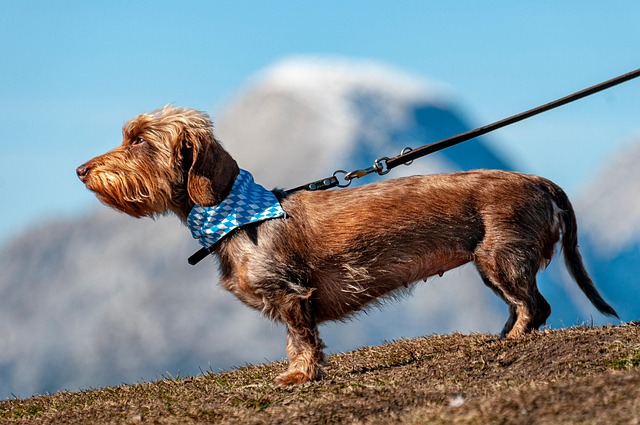
The coat type can also vary significantly. Some Dachshund mixes might retain the smooth coat of a Dachshund, while others could develop the wiry coat of a Dachshund or the longer, more flowing coat of breeds like a Shih Tzu or a Maltese. Grooming needs will directly correspond to the coat type inherited.
As a general rule, a Dachshund mix’s size will likely fall somewhere between the average sizes of its two parent breeds. However, genetics can be surprising, and some mixes may lean more towards one parent’s size than the other. It’s wise to consult with the breeder or rescue organisation about the expected adult size of a specific Dachshund mix puppy.
When assessing a Dachshund mix, observe their skeletal structure. While the Dachshund’s long back is distinctive, owners of Dachshund mixes should be mindful of potential spinal issues, regardless of how long the back appears. This is a critical consideration for their physical health and exercise routines.
Health Considerations: What to Watch For
Like all dogs, Dachshund mixes are susceptible to certain health conditions. While mixing breeds can sometimes reduce the incidence of specific genetic diseases found in purebred lines, it doesn’t eliminate all health risks. Responsible breeders and vigilant owners play a crucial role in managing the health of these dogs.
A primary concern for any Dachshund mix is spinal health. The Dachshund breed is predisposed to Intervertebral Disc Disease (IVDD), a painful condition affecting the spine. According to the Veterinary Partner website, IVDD can occur in any dog with a long back and short legs, and Dachshund mixes are no exception. Owners should be mindful of keeping their dog at a healthy weight, preventing excessive jumping, and providing adequate support for their back.
Other potential health issues can be inherited from the other parent breed. For example, a Doxle might be prone to ear infections (common in Beagles) or hip dysplasia, a condition seen in many larger breeds. A Golden Dachshund could potentially inherit eye conditions or certain cancers common in Golden Retrievers. Researching the common health problems of both parent breeds is essential.
Regular veterinary check-ups are vital. As of 2026, annual or semi-annual visits allow your veterinarian to monitor your dog’s health, catch potential issues early, and provide guidance on preventative care. Vaccinations, parasite control, and dental hygiene are also critical components of a complete health plan.
Keep in mind that while mixed breeds can sometimes be healthier due to ‘hybrid vigor’, this is not a guarantee. A reputable breeder will conduct health screenings on the parent dogs to minimise the risk of passing on known genetic conditions. If adopting, inquire about any known health history of the dog’s parents.
Exercise and Training: Keeping Them Happy and Healthy
Dachshund mixes generally require a balanced approach to exercise and training to thrive. Their energy levels can vary significantly based on the other breed involved, but most will benefit from daily physical activity and mental stimulation.
For smaller mixes, like the Doxschorkie, short, brisk walks and indoor play sessions might suffice. Larger or more active mixes, such as a Doxle or Box Dox, will likely need longer walks, perhaps twice a day, and opportunities for more vigorous activities like fetch or hiking. Over-exercising can be detrimental, particularly for puppies with growing bones and adults prone to back issues, so moderation is key.
Mental stimulation is just as important as physical exercise. Puzzle toys, scent games, and training sessions can help prevent boredom and destructive behaviours. Teaching new tricks or commands not only strengthens your bond with your Dachshund mix but also provides essential mental engagement.
Training for Dachshund mixes often requires patience and consistency. Their inherent intelligence is often paired with a stubborn streak, a hallmark of the Dachshund. Positive reinforcement techniques, such as using treats, praise, and play, are highly effective. Harsh methods can backfire, potentially leading to fear or aggression.
Early obedience training is highly recommended. Enrolling in puppy classes or basic obedience courses can provide valuable socialization opportunities and teach essential commands. As of June 2026, many training facilities offer online or hybrid courses, making them accessible for a wide range of owners.
One practical insight for training is to break down commands into small, manageable steps. Celebrate small successes. For instance, if teaching ‘stay’, start with just a second or two, gradually increasing the duration. This approach builds confidence in both the dog and the owner.
Grooming and Care: Maintaining a Healthy Coat and Body
The grooming requirements for a Dachshund mix depend heavily on its coat type. Smooth-coated mixes might need minimal brushing, perhaps once a week, to remove loose hair. Wirehaired or long-haired mixes, however, will require more frequent brushing, potentially daily, to prevent mats and tangles.
Regular bathing is also necessary, though the frequency depends on the dog’s activity level and coat. Over-bathing can strip natural oils from the coat, leading to dry skin. Using a gentle, dog-specific shampoo is always recommended. For instance, a well-formulated oatmeal-based shampoo can be soothing for sensitive skin.
Nail trimming is another essential aspect of grooming. If your Dachshund mix doesn’t wear down their nails naturally through activity, they will need regular trims to prevent overgrowth, which can cause discomfort and affect their gait. Many owners find it easiest to get their dog accustomed to nail trims from a young age.
Ear cleaning is particularly important for Dachshund mixes with floppy ears, such as Doxles or Golden Doxes, as these breeds can be prone to ear infections. Regularly checking and gently cleaning the ears with a veterinarian-approved solution can help prevent moisture buildup and infection.
Dental hygiene is often overlooked but is crucial for overall health. Brushing your Dachshund mix’s teeth regularly with dog-specific toothpaste can help prevent plaque buildup, gum disease, and other dental issues. As of 2026, dental chews and water additives can supplement brushing but should not replace it entirely.
A significant practical tip for Dachshund mixes is to be mindful of their backs. Avoid allowing them to jump on and off high furniture without assistance. Using ramps or steps can be beneficial, especially for older dogs or those with a history of back problems.
Choosing a Dachshund Mix Responsibly
When you’ve decided that a Dachshund mix is the perfect companion for you, the next crucial step is choosing one responsibly. This means opting for a reputable breeder or considering adoption from a rescue organisation.
A responsible breeder will be transparent about the parent dogs’ health history and will screen them for common genetic conditions relevant to both breeds. They should be happy to answer your questions, allow you to meet the puppy’s mother, and provide documentation of health clearances. Avoid breeders who seem evasive, breed too many types of dogs, or don’t seem invested in the well-being of their puppies.
Adoption is a wonderful alternative. Many Dachshund mixes find themselves in shelters or breed-specific rescues through no fault of their own. Rescue organisations often have a good understanding of a dog’s temperament and history, and they are dedicated to finding them loving, permanent homes. The ASPCA recommends considering adoption as a first option for pet acquisition.
When meeting a potential Dachshund mix puppy or adult dog, observe their general demeanor. Are they overly fearful, aggressive, or lethargic? While some initial shyness is normal, extreme behaviours might indicate underlying issues that require special attention. A well-socialized dog from a responsible source will typically be curious and engaged.
Remember that owning any dog is a long-term commitment. Dachshund mixes, like all dogs, require time, financial resources, and emotional investment. Ensure you are prepared for the responsibilities of pet ownership before bringing a new companion home.
Frequently Asked Questions About Dachshund Mixes
Are Dachshund mixes good family dogs?
Many Dachshund mixes can make excellent family dogs, especially when socialised early with children and other pets. Their temperament will vary; mixes with breeds known for being gentle and patient, like Golden Retrievers, are often well-suited for families.
How much exercise does a Dachshund mix typically need?
Exercise needs to vary greatly depending on the mix. Smaller mixes may only require short daily walks, while larger or more energetic crosses may need longer excursions. Always monitor for signs of fatigue, especially regarding their back and joints.
What are the common health problems for Dachshund mixes?
The most common concern is Intervertebral Disc Disease (IVDD) due to their long backs. Other potential issues depend on the other parent breed, such as hip dysplasia, eye conditions, or ear infections.
Are Dachshund mixes hypoallergenic?
Some Dachshund mixes, particularly those with Poodle or Bichon Frisé lineage, may have lower shedding coats and be more suitable for allergy sufferers. However, no dog is truly hypoallergenic, and individual reactions can vary.
How large do Dachshund mixes get?
Size is highly variable. A Dachshund mix’s adult weight and height will generally fall between the average sizes of its Dachshund parent and the other breed parent. Some may be small, while others can be medium-sized.
Are Dachshund mixes easy to train?
Dachshund mixes can be intelligent but are often independent and can have a stubborn streak. Consistent, positive reinforcement training from an early age is key. Patience is a virtue when training these spirited dogs.
Information current as of June 2026; pricing and product details may change.
Editorial Note: This article was researched and written by the Pet Magazine editorial team. We fact-check our content and update it regularly. For questions or corrections, contact us.
Related read: Nombres para Perros Machos: La Guía Definitiva 2026
Related read: Dutch Shepherd Puppies: Beyond the Hype – What You REALLY
Related read: Happy Tail Syndrome in Dogs: Causes, Treatment, and Prevention 2026
Related read: Top Paw Harnesses: Your 2026 Guide to Comfort and Control.