Introducing the Enchanting Malti Tzu Dog
The Malti Tzu dog, a delightful hybrid meticulously bred from the elegant Maltese and the regal Shih Tzu, presents a captivating blend of affectionate companionship and manageable size. Often sought after for their charming personalities and relatively low-maintenance requirements, these small dogs have carved a significant niche in the world of companion animals. For prospective owners, understanding the unique characteristics of this crossbreed is paramount to ensuring a harmonious and fulfilling relationship with their new furry family member.
Last updated: July 28, 2026
Key Takeaways
- The Malti Tzu combines the traits of the Maltese and Shih Tzu, resulting in a small, affectionate, and often playful companion dog.
- They typically require moderate grooming due to their long, silky coats, necessitating regular brushing to prevent tangles.
- While generally healthy, they can be prone to certain genetic conditions inherited from their parent breeds, such as dental issues and luxating patellas.
- Malti Tzus are adaptable and can thrive in various living environments, including apartments, provided they receive adequate attention and exercise.
- Early socialization and consistent, positive reinforcement training are crucial for developing a well-adjusted Malti Tzu.
Temperament and Personality: A Double Dose of Affection
The Malti Tzu temperament is a beautiful mosaic, drawing the sweetest characteristics from both parent breeds. From the Maltese, they inherit an unwavering loyalty and a desire to be close to their human companions, often following them from room to room. This can sometimes manifest as a touch of separation anxiety if left alone for extended periods, a common trait in highly bonded toy breeds.
The Shih Tzu contributes a playful, outgoing, and sometimes mischievous streak. This often results in a dog that’s both cuddly and engaging, happy to curl up on your lap one moment and chase a toy the next. They tend to be social dogs, generally getting along well with children and other pets when properly introduced and socialized from a young age. Their intelligence is noticeable, making them responsive to training, although their independent Shih Tzu heritage can occasionally lead to stubbornness.
A common question is whether the Malti Tzu is a good family pet. In real terms, when raised in a home with gentle children and taught to respect the dog’s space, they often make wonderful family companions. Their small size means they are not typically solid enough for very young or boisterous children who might accidentally injure them. Supervision is always recommended during interactions between young children and any small dog breed.

Physical Characteristics: Petite Charm
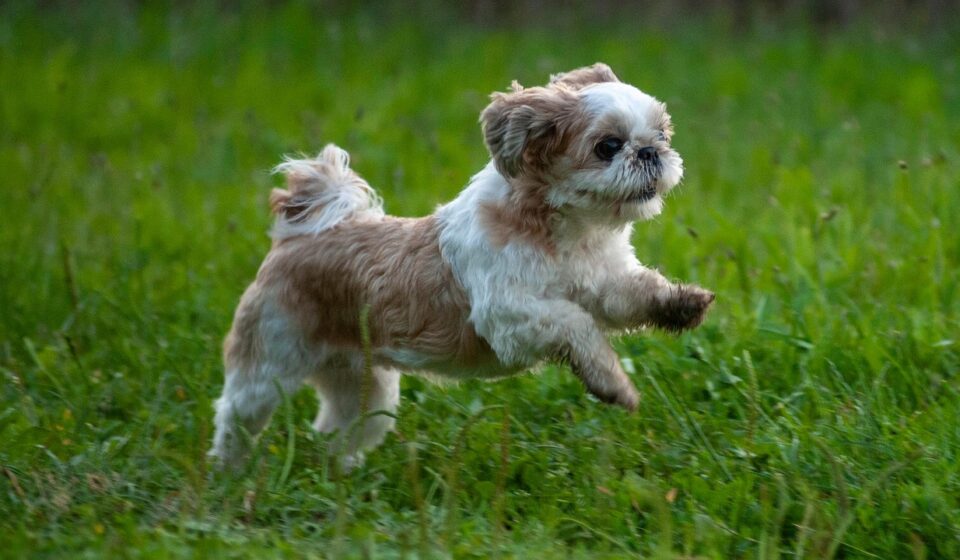
The Malti Tzu is a small dog, typically weighing between 3 to 7 pounds (approximately 1.4 to 3.2 kg) and standing around 7 to 10 inches (18 to 25 cm) tall at the shoulder. Their build is sturdy despite their size, designed for companionship rather than strenuous activity. The most striking feature is their coat, which is usually long, silky, and can be straight or slightly wavy, inherited from both parent breeds.
Coat colours vary widely, often appearing in white, cream, black, tan, or a combination of these. Many Malti Tzus have a base of white with patches of tan, apricot, or black, creating a visually appealing aesthetic. Their eyes are typically dark and expressive, and their ears are usually dropped and covered in long hair. The tail is often carried over the back in a plumed fashion, a characteristic inherited from the Shih Tzu.
The long, flowing coat requires dedicated attention. While some owners opt for a shorter, ‘puppy cut’ for easier maintenance, the breed’s signature look involves keeping the coat long and well-brushed. Due to their Maltese heritage, many Malti Tzus are considered to have hypoallergenic qualities, meaning they shed minimally. This is a significant draw for individuals with allergies, though it’s important to remember that no dog is entirely hypoallergenic.
Grooming and Coat Care: A Daily Commitment
The Malti Tzu’s luxurious coat is a defining feature, but it demands consistent grooming. Daily brushing is essential to prevent mats and tangles from forming, which can be painful and lead to skin issues. If left unaddressed, matting can occur rapidly, especially around the ears, legs, and tail.
Owners have a few options for coat management. The most involved is maintaining the full, long coat, which requires several hours of brushing each week, often with the use of a detangling spray and a slicker brush or comb. Regular professional grooming every 4–6 weeks is also recommended to keep the coat in top condition, trim nails, and clean ears.
Alternatively, a shorter ‘puppy cut’ or ‘teddy bear’ cut can significantly reduce grooming time. This involves keeping the hair trimmed to a more manageable length, typically a few inches, which still requires brushing a few times a week. Regardless of the chosen style, regular baths are necessary, using a mild dog shampoo and conditioner formulated for long coats.
Beyond coat care, regular dental hygiene is critical. Both Maltese and Shih Tzus are prone to dental problems, including overcrowding and periodontal disease, due to their small jaw structures. Brushing your Malti Tzu’s teeth daily or at least several times a week with dog-specific toothpaste is highly recommended. Ear cleaning should also be a routine part of grooming to prevent infections, especially in dogs with long, floppy ears.
Health and Lifespan: Addressing Potential Concerns
The Malti Tzu is generally a solid breed, benefiting from the hybrid vigor that often comes with crossbreeding. However, as with all breeds, they are susceptible to certain health conditions inherited from their parent breeds. Responsible breeders will screen their breeding stock for common issues, but owners should remain vigilant.
Common health concerns include:
- Luxating Patellas: This is a condition where the kneecap slips out of its groove. Mild cases may not cause issues, but severe cases can lead to lameness. According to the American Kennel Club (AKC) (2023), it’s a prevalent issue in many small breeds.
- Dental Issues: Overcrowded teeth and periodontal disease are common due to their small mouths. Regular dental care is crucial.
- Eye Problems: Conditions like cataracts, tear staining, and dry eye can occur.
- Allergies: Both skin and food allergies can affect Malti Tzus, leading to itching and discomfort.
- Portosystemic Shunt (PSS): A liver shunt where blood bypasses the liver, affecting toxin removal. This is more common in Maltese.
- Hypoglycemia: Low blood sugar, particularly in puppies, can be a concern due to their small size and fast metabolism.
The average lifespan of a Malti Tzu is typically between 12 to 16 years. With proper care, a balanced diet, regular exercise, and prompt veterinary attention, many Malti Tzus live long and healthy lives. Owners should schedule regular veterinary check-ups, ideally annually or biannually as the dog ages, to monitor their health and catch any potential issues early.
Training and Socialization: Cultivating a Well-Behaved Companion
Early socialization is key to developing a well-adjusted Malti Tzu. Exposing puppies to a variety of sights, sounds, people, and other well-behaved animals from a young age helps them grow into confident, friendly adults. This is especially important for small breeds that can sometimes develop ‘small dog syndrome’ if not properly socialized and trained, leading to excessive barking or timidity.
Training should focus on positive reinforcement methods. Malti Tzus are intelligent and eager to please their owners, responding well to praise, treats, and play. Short, consistent training sessions are most effective, as their attention spans can be limited. Consistency is vital, especially when addressing house training, which can sometimes be a challenge for toy breeds.
House training may require patience. Because they are small, they have small bladders, and accidents can happen. Establishing a regular potty schedule, taking them outside frequently (especially after waking up, after meals, and before bed), and rewarding success with enthusiastic praise can significantly speed up the process. Some owners find using pee pads indoors a useful stepping stone, particularly in adverse weather conditions or for very young puppies.
Obedience training, including basic commands like ‘sit’, ‘stay’, ‘come’, and ‘leave it’, is essential not only for good manners but also for safety. A Malti Tzu that reliably comes when called is less likely to run into danger. Enrollment in puppy socialization classes can provide a controlled environment for interaction and learning, and further obedience classes can build on these foundations.
Exercise and Playtime: Meeting Their Energy Needs
Despite their small size, Malti Tzus are not entirely sedentary. They possess a moderate energy level that requires regular, but not excessive, exercise. Daily walks are beneficial, typically ranging from 15 to 30 minutes, which helps keep them physically fit and mentally stimulated. These walks also provide opportunities for socialization and exploration.
Indoor play is also a significant part of their exercise routine. They enjoy interactive games such as fetch with small, soft toys, tug-of-war, or simply chasing a laser pointer (used cautiously, as it can sometimes lead to obsessive behaviours). Puzzle toys and treat-dispensing toys are excellent for engaging their minds and preventing boredom, which can lead to destructive behaviours or excessive barking.
It’s important to avoid over-exerting a Malti Tzu, especially puppies, due to their small joints and developing bodies. Overly strenuous activities or long periods of intense exercise can lead to injuries. A good rule of thumb is to watch for signs of fatigue, such as heavy panting or lagging behind, and adjust activity levels accordingly. Their exercise needs can also be influenced by their individual personality and the specific traits inherited from their parent breeds; some may be more energetic than others.
Living Environments and Adaptability
The Malti Tzu excels as an apartment dog due to their small size and moderate exercise requirements. They don’t need a large yard to run in and can often get sufficient exercise from indoor play and short daily walks. Their generally quiet nature (when properly trained and not left alone for too long) also makes them suitable for apartment living.
However, adaptability is key. While they can thrive in apartments, they still need mental stimulation and companionship. Leaving them alone for 8–10 hours daily without adequate preparation or enrichment can lead to distress. For owners who work long hours, arranging for a dog walker or doggy daycare might be necessary. Their strong bond with their owners means they thrive on interaction and being part of family activities.
Malti Tzus can also adapt to larger homes and suburban environments. Their primary need is human connection. Whether in a bustling family home or a quieter household with a single owner, their happiness is tied to the attention and affection they receive. They are generally good with seniors and can be excellent companions for individuals seeking a devoted furry friend.
Finding Your Malti Tzu: Adoption and Responsible Breeding
When looking to bring a Malti Tzu into your home, consider both adoption and responsible breeding. Reputable breeders will be knowledgeable about the breed, health test their parent dogs, and allow you to meet the puppy’s parents. They should be transparent about any health concerns and offer a health guarantee.
Beware of ‘backyard breeders’ or puppy mills, which often prioritise profit over the health and well-being of the dogs. A healthy Malti Tzu puppy from a responsible source can cost anywhere from £1,500 to £3,000 or more, depending on the breeder’s reputation, location, and the puppy’s lineage. It’s crucial to research potential breeders thoroughly and ask for references.
Adoption is another rewarding option. Many breed-specific rescues and general animal shelters have Maltese, Shih Tzus, or Malti Tzu mixes available for adoption. Adopting can be more affordable, and you’ll be giving a deserving dog a second chance at a loving home. The adoption fee typically covers initial veterinary care, such as vaccinations and spaying/neutering. According to the RSPCA (2025), shelters across the UK saw a significant number of small dog adoptions.

Frequently Asked Questions
Are Malti Tzus good for first-time dog owners?
Yes, Malti Tzus can be excellent for first-time owners due to their affectionate nature, manageable size, and moderate exercise needs. However, their grooming requirements and potential for separation anxiety necessitate a commitment from the owner.
How much exercise does a Malti Tzu need daily?
A Malti Tzu typically requires about 15 to 30 minutes of exercise per day, which can include short walks and indoor play sessions. They are not high-energy dogs but benefit from regular activity to stay healthy and happy.
Are Malti Tzus prone to barking?
Like many small breeds, Malti Tzus can be prone to barking, especially if they are bored, anxious, or not properly socialized. Consistent training and ensuring they have enough mental and physical stimulation can help manage excessive barking.
What is the average lifespan of a Malti Tzu?
The average lifespan for a Malti Tzu is between 12 to 16 years. Factors such as genetics, diet, exercise, and overall healthcare play a significant role in their longevity.
Do Malti Tzus shed a lot?
Malti Tzus typically shed minimally, inheriting this trait from the Maltese parent. This makes them a popular choice for individuals with mild allergies, though no dog is completely hypoallergenic.
Are Malti Tzus difficult to house-train?
House training can sometimes be a challenge for Malti Tzus due to their small size and bladders. Patience, consistency, and positive reinforcement are key to successful house-training efforts.
Information current as of July 2026; pricing and product details may change. Knowing how to address malti tzu dog early makes the rest of your plan easier to keep on track.