A Gentle Giant’s Beginning
The decision to welcome a mountain dog pup into your home is the first step toward an incredible journey with a loyal and affectionate companion. These magnificent breeds, often characterized by their imposing size and gentle demeanour, require specific care and understanding from day one. This guide delves into the essential aspects of raising a mountain dog pup, from their earliest days to becoming a well-adjusted adult, ensuring you are fully prepared for the commitment.
Last updated: July 28, 2026
Key Takeaways
- Mountain dog pups, while gentle, are large breeds that need early socialization and consistent training.
- Proper nutrition tailored for large breeds is crucial to prevent developmental issues and ensure healthy growth.
- Early socialization with various sights, sounds, and other animals is vital for developing a confident, well-adjusted adult dog.
- Consistent, positive reinforcement training is essential, focusing on basic obedience and preventing common behavioural challenges in large breeds.
- Be prepared for significant grooming needs, dietary costs, and space requirements as your mountain dog pup matures.
Beyond the Breed Name: What to Expect
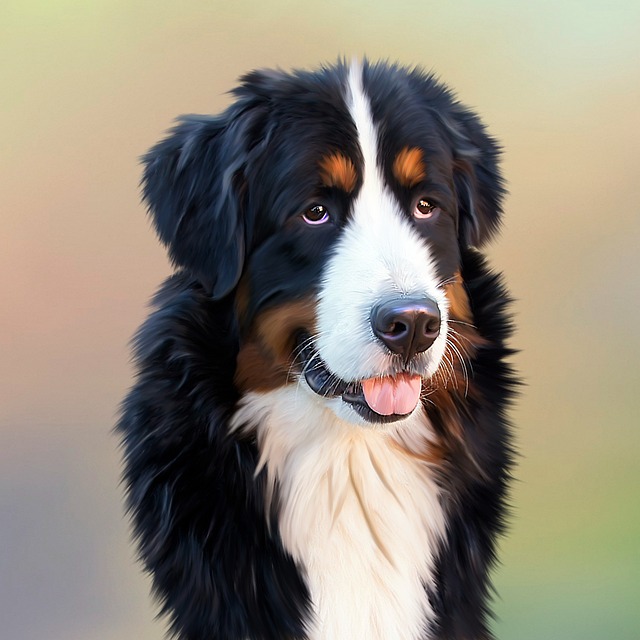
When we speak of a “mountain dog pup,” we are often referring to breeds that originated from mountainous or remote regions, bred for tasks like guarding livestock or providing companionship in harsh climates. This includes well-known breeds such as the Bernese Mountain Dog, Great Pyrenees, Saint Bernard, and Newfoundland, as well as others like the Anatolian Shepherd or Tibetan Mastiff. While each breed has unique characteristics, they share common traits: a generally calm disposition, a strong protective instinct, and a need for space and exercise appropriate for their size.
A mountain dog pup will grow rapidly, and their skeletal development requires careful management to prevent painful joint conditions later in life. Unlike smaller breeds, their puppyhood is a critical period for building a strong foundation for health and temperament. Their sheer size means that any behavioural issues, if left unaddressed, can become more challenging to manage as adults.
Fueling the Gentle Giant: Diet and Nutrition
Feeding a mountain dog pup is not a one-size-fits-all approach. Their rapid growth phase demands a diet specifically formulated for large breeds. These formulations typically contain controlled levels of calcium and phosphorus to support healthy bone development and prevent conditions like hip or elbow dysplasia. Overfeeding puppies of these breeds is a common mistake, leading to accelerated growth that can stress developing joints.
Look for high-quality puppy food with a reputable brand that lists a named meat source as the primary ingredient. Around 12 months of age, most giant breeds can transition to an adult large-breed formula. Consulting your veterinarian is paramount, as they can recommend specific food types and portion sizes based on your pup’s breed, age, and activity level. For instance, a growing Great Pyrenees might have different caloric and nutrient needs than a Saint Bernard pup. According to the American Kennel Club (AKC) (2024), large breed puppy foods are essential for ensuring slow, steady growth.
Building a Confident Companion
Early and extensive socialization is arguably the most critical aspect of raising a mountain dog pup. From around 3 to 16 weeks of age, puppies are most receptive to new experiences. Exposing your pup to a wide variety of people, environments, sounds, and other well-behaved dogs in a positive and controlled manner will help them grow into a confident, well-adjusted adult dog. A lack of proper socialization can lead to fearfulness, anxiety, or even aggression, which can be particularly problematic with a large breed.
Training should begin simultaneously with socialization. Positive reinforcement methods, focusing on clear communication, patience, and rewards, are most effective. Basic obedience commands like ‘sit,’ ‘stay,’ ‘come,’ and ‘leave it’ are essential for safety and control. Leash training should start early, as a fully grown mountain dog can be difficult to handle if they pull excessively. Consider enrolling in puppy classes designed for larger breeds, which can provide supervised socialization opportunities and professional guidance. The Veterinary Partner (2023) highlights that consistent, positive training is key to preventing behavioural issues in large breeds.

Managing Energy for a Mountain Breed
While mountain dog pups are known for their calm adult personalities, they still require regular exercise and mental stimulation. Over-exercising a young puppy can damage their developing joints, so it’s crucial to balance activity with rest. Short, frequent play sessions and gentle walks are more appropriate than long, strenuous hikes or intense play until they are fully grown, typically around 18–24 months.
Mental stimulation is just as important as physical exercise. Puzzle toys, scent games, and short training sessions can help prevent boredom, which can lead to destructive behaviour. A bored giant breed can be a destructive force! Think about introducing a new trick weekly or engaging them in a ‘find it’ game with their kibble. The key is to provide outlets for their intelligence and natural instincts. For example, Anatolian Shepherd pups, bred as guardians, often benefit from ‘jobs’ that engage their minds and natural vigilance.
The Practicalities of Large Breed Ownership
Mountain dog pups, especially those with thick double coats like Bernese Mountain Dogs or Newfoundlands, require significant grooming. Regular brushing, ideally daily, is necessary to manage shedding, prevent matting, and keep their skin healthy. This also provides an opportunity to check for any lumps, bumps, or parasites. Nail trims, ear cleaning, and dental care are also essential components of their routine. Starting these practices when they are young will help them become accustomed to handling.
Health-wise, giant breeds are prone to certain genetic conditions. Hip and elbow dysplasia, bloat (Gastric Dilatation-Volvulus or GDV), and certain heart conditions are concerns. Choosing a reputable breeder who screens their breeding stock for these issues is paramount. Regular veterinary check-ups are vital for early detection and management of any health problems. As of 2026, responsible breeders are increasingly transparent about health testing protocols.
Preparing Your Home and Budget
Before bringing a mountain dog pup home, assess your living situation. These dogs require ample space, both indoors and outdoors. While a large garden is beneficial, adequate indoor space is also necessary for them to move around comfortably. They are not typically suited for apartment living unless you are extremely dedicated to providing extensive daily exercise and mental stimulation.
Financially, owning a large breed is a significant commitment. Food costs are considerably higher, as are veterinary expenses for medications, treatments, and potential surgeries. Larger beds, crates, and even car restraints will also represent a greater initial and ongoing investment. For example, a large breed dog’s annual food bill can easily exceed £500-£1000 ($600-$1200 USD) depending on the brand and their specific dietary needs.
Pitfalls for New Mountain Dog Owners
One of the most common mistakes new owners make is underestimating the size and strength of their pup. This can lead to issues with jumping, pulling on the lead, or overpowering family members. Consistent training and management from a young age are key. Another mistake is assuming their gentle nature means they don’t need socialization; this is far from the truth. A well-socialized giant breed is a joy; an unsocialized one can be a significant liability.
Failure to feed a large-breed-specific diet is another common error, potentially leading to skeletal abnormalities. Additionally, many owners don’t adequately prepare for the financial commitment, overlooking the increased costs of food, veterinary care, and larger accessories. Finally, expecting a mountain dog pup to mature into a sedentary adult too quickly can lead to frustration for both dog and owner; they need age-appropriate exercise and mental engagement throughout their development.
Expert Insights for a Flourishing Mountain Dog
In my 15 years working with large breed dogs, I’ve seen many owners thrive by focusing on consistency and early intervention. Start establishing house rules and a routine from the moment your pup arrives. This includes feeding times, potty breaks, and quiet time. Use crate training not as punishment, but as a safe den for your pup, which aids in house-training and provides a secure space.
Encourage calm behaviour by rewarding your pup when they are relaxed. For instance, if your pup lies down quietly, offer a gentle praise or a small, healthy treat. This reinforces a calm demeanour, which is highly desirable in a large breed. When introducing new objects or experiences, always proceed slowly and observe your pup’s body language. If they show signs of stress, back off and try again later in a less overwhelming way. Remember, patience is your greatest tool; these pups are learning about the world and their place in it.
Frequently Asked Questions
What is the typical lifespan of a mountain dog breed pup?
The lifespan varies by breed, but generally, larger mountain dog breeds tend to have shorter lifespans than smaller dogs, typically ranging from 7 to 12 years. Early health interventions and proper care are crucial for maximizing their years.
How much do mountain dog pups typically cost?
The initial purchase price for a mountain dog pup from a reputable breeder can range significantly, often from £1,000 to £3,000 ($1,200 to $3,500 USD) or more, depending on the breed, pedigree, and location. Ongoing costs for food, vet care, and supplies add substantially each year.
Are mountain dog pups good with children?
Many mountain dog breeds are known for their gentle and protective nature towards children when properly socialised and trained from puppyhood. However, supervision is always recommended due to their size, and children should be taught how to interact respectfully with dogs.
How often should I feed my mountain dog pup?
Young mountain dog pups (under 6 months) typically need to be fed three times a day. This can be reduced to two meals per day as they mature, usually around 6–12 months of age, depending on the specific breed and your veterinarian’s advice.
What are the main health concerns for mountain dog breeds?
Key health concerns include hip and elbow dysplasia, bloat (GDV), heart conditions, certain cancers, and eye issues. Responsible breeding practices and regular veterinary check-ups are essential for monitoring and managing these risks.
How much exercise does a mountain dog pup need daily?
For young pups (under 12 months), short, frequent walks and play sessions are best, typically around 5 minutes of structured exercise per month of age, twice a day. Over-exercising can harm their developing joints; consult your vet for specific recommendations.
Information current as of July 2026; pricing and product details may change.