
at-toe-bean-guide/” title=”Cat Toe Beans: A Deep Dive into Their Fascinating Anatomy” rel=”dofollow”>health issues include hip dysplasia, deafness, and skin allergies, requiring vigilant care.
The Dogo Argentino temperament is a complex tapestry woven from courage, loyalty, and intelligence. Bred for hunting formidable prey like wild boar and pumas, they possess an innate tenacity and a high threshold for pain. This makes them fearless and determined when on task, but also means they need clear boundaries and guidance to manage their power effectively. In real terms, this translates to a dog that’s confident and self-assured, often exhibiting a dominant streak if not properly managed.
Last updated: July 24, 2026
Their loyalty to their family is profound. Once a Dogo Argentino bonds with its people, it can be exceptionally protective. This protective instinct, combined with their physical capabilities, means they are not a breed for the faint-hearted or inexperienced. A common misconception is that their hunting drive makes them inherently aggressive towards people; however, when properly bred and socialized, they are typically indifferent to strangers unless they perceive a threat to their family. Their behaviour is more about guarding their pack than indiscriminate aggression.
Worth noting is their intelligence. Dogos are quick learners, which is beneficial for training but also means they can become bored or mischievous if not mentally stimulated. They thrive on having a job to do, whether it’s advanced obedience, canine sports, or structured playtime. Without sufficient engagement, they might find their own ‘jobs,’ which could involve destructive chewing or excessive barking.
Essential Training and Socialization Strategies
Effective training for a Dogo Argentino begins the moment they enter your home. Positive reinforcement methods, focusing on reward-based techniques, are far more effective than harsh corrections. Their intelligence means they respond well to consistent cues and clear expectations. Early socialization is not just recommended; it’s non-negotiable. Exposing puppies to a wide variety of sights, sounds, people, and other animals in a controlled and positive manner from 8 to 16 weeks of age is critical.
The wrinkle here is that socialization for a Dogo Argentino must continue throughout their life. While puppyhood is formative, ongoing positive exposure helps maintain their balanced temperament. Owners should aim to expose their dog to different environments and social situations regularly. This builds confidence and reduces the likelihood of developing fear-based reactivity or guarding behaviours.
For owners new to powerful breeds, consider enrolling in obedience classes that specialise in large or guardian breeds. These classes can provide structured training environments and valuable insights. The goal is not just to teach commands, but to build a strong bond of trust and respect between dog and owner. A well-trained Dogo Argentino is a confident, obedient companion; an untrained one can be a significant liability due to their sheer power.
Meeting the Dogo Argentino’s Exercise and Enrichment Needs
A Dogo Argentino requires a significant amount of daily exercise. These are athletic dogs built for endurance and power. A short walk around the block won’t suffice. Aim for at least 60 to 90 minutes of vigorous activity each day. This could include brisk walks, jogging, hiking, or sessions of fetch in a securely fenced area. Without adequate physical exertion, pent-up energy can lead to destructive behaviours and a restless demeanour.
Mental stimulation is equally important. Dogos are intelligent and need challenges to prevent boredom. Puzzle toys, scent games, and training sessions can all contribute to their mental well-being. Consider activities like agility, tracking, or Schutzhund (IPO) training if you are an experienced handler looking for a canine sport. These activities provide both physical and mental engagement, channelling their natural drives productively.
The challenge for many owners lies in providing sufficient exercise and mental enrichment consistently. This breed is not suited for sedentary lifestyles or owners who are often away for long periods. A Dogo Argentino needs an engaged household that can dedicate time and energy to their needs. A securely fenced yard is almost essential, as their prey drive can lead them to chase small animals if they escape their enclosure.
Key Health Considerations for Dogo Argentines
While generally a solid breed, the Dogo Argentino is prone to certain genetic health conditions. Responsible breeders screen their dogs for these issues. As of July 2026, potential buyers should always ask about health clearances for common problems.
Hip dysplasia is a common concern in large breeds, including the Dogo Argentino. This condition affects the hip joint and can lead to lameness and arthritis. Breeders should provide OFA (Orthopedic Foundation for Animals) or equivalent clearances for the parents.
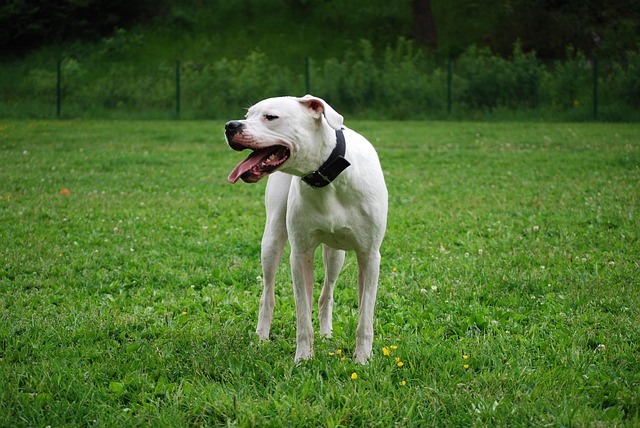
Deafness, particularly unilateral (one-sided) deafness, is also prevalent in the pure white coat of the Dogo Argentino. This is linked to the gene responsible for white coloring. Many breeders perform BAER (Brainstem Auditory Evoked Response) testing on puppies to identify deafness. While a deaf dog can lead a happy life with proper management, it’s a significant consideration.
Skin allergies and sensitivities are another concern. Their white coat can make them more susceptible to sunburn, and they can develop sensitivities to certain foods or environmental allergens. Regular grooming and a balanced diet are important. Consulting with a veterinarian on proper skin care and allergy management is advisable.
The average lifespan for a Dogo Argentino is typically between 10 to 12 years, though this can vary depending on genetics, diet, exercise, and overall care. Providing a high-quality diet, consistent veterinary check-ups, and managing their exercise needs are vital for their longevity and quality of life.
Dogo Argentino: Weighing the Pros and Cons
Pros
- Extremely loyal and devoted to their families.
- Courageous and protective, acting as a natural deterrent.
- Intelligent and capable of advanced training and canine sports.
- Generally healthy with responsible breeding.
- Striking appearance with their pure white coat.
Cons
- Requires experienced handling due to their strength and drive.
- High prey drive necessitates careful management around smaller animals.
- Needs extensive socialization and ongoing training.
- Can be prone to certain health issues like hip dysplasia and deafness.
- Not ideal for first-time dog owners or apartment living without significant commitment.
Common Mistakes to Avoid When Owning a Dogo Argentino
One of the most frequent mistakes is underestimating their power and energy levels. Owners might assume a large yard is enough, but the breed needs active engagement and consistent training. Without it, they can become destructive or develop behavioural problems. The Dogo Argentino is not a dog that can be left to its own devices for extended periods.
Another common pitfall is insufficient socialization. Many owners socialize their puppy for the first few months but then cease exposure as the dog matures. This is a critical error for a breed with protective instincts. Continuous, positive exposure to various stimuli is crucial throughout their life to maintain a balanced temperament and prevent potential aggression stemming from fear or uncertainty.
Failing to establish clear leadership is also a significant mistake. Dogos are intelligent and can be dominant. If they don’t perceive a consistent, firm, and fair leader, they may try to assume that role themselves, leading to disobedience and potential territorial issues. This doesn’t mean harshness; it means clear rules, consistent enforcement, and rewarding desired behaviours.
Finally, neglecting their mental stimulation needs is a mistake. Owners might focus solely on physical exercise, overlooking the need for mental challenges. A bored Dogo Argentino can become a frustrated Dogo Argentino, leading to nuisance behaviours that can be difficult to correct. Providing puzzle toys, training sessions, or even just varying walk routes can make a significant difference.
Expert Insights for Dogo Argentino Owners
From my experience over 15 years working with powerful breeds, including Dogos, consistency is the absolute key. These dogs test boundaries and need to know what is expected of them every single day. This means routines for feeding, exercise, training, and even downtime. A structured environment provides security for the dog and predictability for the owner.
When it comes to training, I always advise owners to think of it as a lifelong commitment, not a phase. A Dogo Argentino can continue to learn and refine its behaviour well into adulthood. Enrolling in advanced obedience or scent work classes even after basic training is complete can provide ongoing engagement and solidify the bond. According to the American Kennel Club (AKC) 2025 breed standards, early socialization is paramount for this breed’s development into a well-adjusted companion.
For those considering a Dogo Argentino, I strongly recommend researching reputable breeders who prioritise temperament alongside health and conformation. A good breeder will be transparent about the breed’s characteristics and potential challenges, and will often have a thorough screening process for potential owners. Understanding that this breed requires a significant commitment of time, energy, and resources is vital. They are not a ‘set it and forget it’ pet.
Frequently Asked Questions About Dogo Argentines
Are Dogo Argentines aggressive?
When properly bred, trained, and socialized, Dogo Argentines are not inherently aggressive towards people. Their protective nature means they may defend their family if they perceive a threat, but this is distinct from generalized aggression. Responsible ownership is key.
Can a Dogo Argentino live with children?
With extensive socialization from a very young age and supervision, a Dogo Argentino can coexist with children. However, due to their size and strength, careful management is always recommended, especially with very young or boisterous children. It’s vital that children are taught how to interact respectfully with dogs.
Are Dogo Argentines easy to train?
Dogo Argentines are intelligent and capable of learning quickly, but they are not considered an ‘easy’ breed to train. Their strong will and protective instincts require a firm, consistent, and experienced handler. Positive reinforcement works best, but patience and dedication are essential.
What is the exercise requirement for a Dogo Argentino?
This breed needs substantial daily exercise, typically 60–90 minutes of vigorous activity. This includes brisk walks, jogging, or active play. Without adequate physical and mental stimulation, they can develop behavioural issues due to pent-up energy.
Can a Dogo Argentino live in an apartment?
While not ideal, a Dogo Argentino can adapt to apartment living if they receive exceptionally high levels of exercise and mental stimulation daily. However, their size, strength, and potential for vocalization mean they are better suited to homes with ample space and securely fenced yards.
What are the most common health problems for Dogo Argentines?
Key health concerns include hip dysplasia, which affects their joints, and deafness, particularly unilateral deafness, often linked to their white coat. Skin allergies and susceptibility to sunburn are also common issues that require attention.
Information current as of July 2026; pricing and product details may change.