Understanding the Pug Cross Pitbull Hybrid
A common question asked is whether the affectionate charm of a Pug can meld with the loyal strength of a Pitbull. The Pug cross Pitbull, often colloquially termed a ‘Pugbull’ or ‘Pit-a-Pug’, is a captivating hybrid breed that’s gaining interest among dog enthusiasts. As of July 2026, these mixed-breed dogs offer a fascinating blend of physical and temperamental traits, making them a unique companion choice for the right owner.
Last updated: July 26, 2026
Key Takeaways
- The Pug cross Pitbull combines the Pug’s outgoing nature with the Pitbull’s loyalty and robustness.
- Their appearance can vary significantly, often featuring the Pug’s wrinkled face and the Pitbull’s muscular build.
- Training requires consistency and positive reinforcement due to a potential for stubbornness inherited from both parent breeds.
- Potential health concerns include brachycephalic issues from the Pug and joint problems common in larger breeds.
- Early socialization is crucial to ensure a well-adjusted, friendly adult dog.
Origins and Purpose of the Pug Cross Pitbull
The development of the Pug cross Pitbull isn’t rooted in a long history of specific breed work; rather, it emerged more recently as part of the growing popularity of designer dog breeds. Breeders aimed to combine the Pug’s universally appealing, comical personality with the Pitbull’s known loyalty and protective instincts. The intention is often to create a companion animal that’s both affectionate and alert, potentially offering a more balanced temperament than a purebred Pitbull for some families, while providing a sturdier build than a purebred Pug.
Physical Characteristics: A Unique Blend
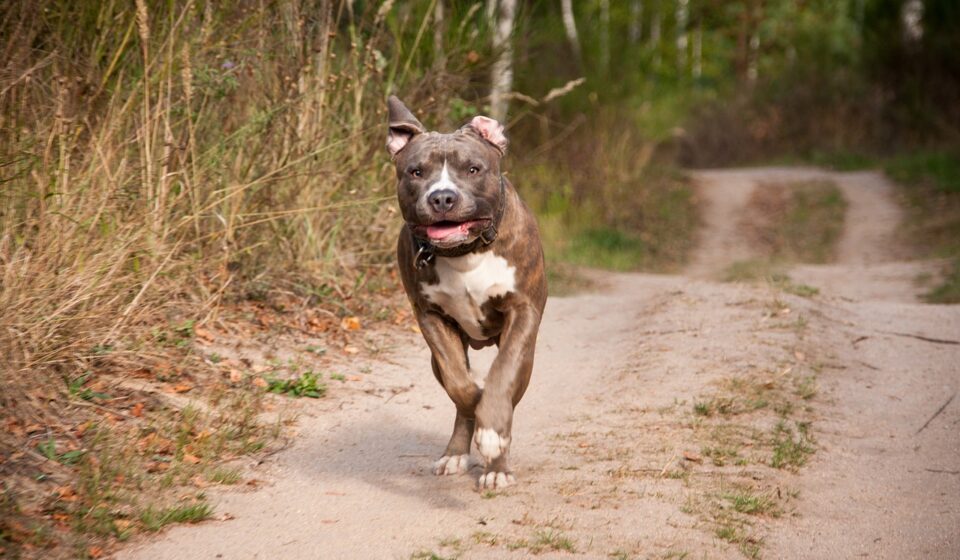
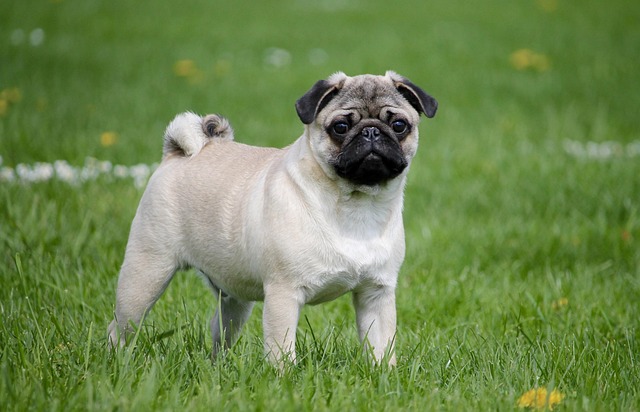
The appearance of a Pug cross Pitbull can be a delightful surprise, as the genetic lottery dictates which parent breed’s traits are more dominant. You might see a dog with the Pug’s signature wrinkled face, large expressive eyes, and short muzzle, but on a more muscular, sturdy frame reminiscent of a Pitbull. Conversely, they may have a longer muzzle and a more athletic build with fewer wrinkles. Their coat is typically short, dense, and easy to maintain, coming in colours common to both breeds, such as fawn, black, or brindle.
Their size typically falls somewhere between the two parent breeds. Pugs are small, usually weighing between 14–18 pounds (6-8 kg), while American Pitbull Terriers can range from 30–65 pounds (13-29 kg). A Pug cross Pitbull might therefore weigh anywhere from 20–40 pounds (9-18 kg) and stand about 10-16 inches (25-40 cm) tall at the shoulder, depending on the dominant genes. Their tail might curl like a Pug’s or be straighter like a Pitbull’s.

Temperament and Behaviour: Affectionate and Alert
The temperament of a Pug cross Pitbull is often described as a happy medium. They tend to inherit the Pug’s love for human companionship, eagerness to please, and playful antics. From the Pitbull side, they often gain a strong sense of loyalty, a desire to be protective of their family, and a good deal of energy. This can result in a dog that’s both a cuddly lapdog and an alert guardian.
However, it’s crucial to remember that both parent breeds can exhibit stubbornness. Pugs can be mischievous, and Pitbulls can be strong-willed. This means consistency in training from an early age is paramount. Without proper guidance, a Pug cross Pitbull might become overly demanding or disobedient. Early socialization is also key to ensure they are comfortable around strangers, other animals, and in various environments. According to the American Kennel Club (AKC) standards for temperament in similar breeds, early positive exposure is vital for developing a well-rounded adult dog.
Training and Socialization Strategies
Training a Pug cross Pitbull requires patience, consistency, and positive reinforcement methods. Harsh corrections are likely to backfire, leading to fear or aggression. Instead, focus on reward-based training, using treats, praise, and play to encourage desired behaviours. Given the potential for stubbornness, short, engaging training sessions are often more effective than long, drawn-out ones. Consider enrolling in puppy classes as soon as your A veterinarian clears pug cross Pitbull, typically around 8–12 weeks old. Pug cross pitbull provides structured socialization and basic obedience training.
Socialization should extend beyond puppy classes. Safely expose your hybrid to a variety of sights, sounds, people of different ages and appearances, and other friendly, vaccinated dogs. This helps them develop into confident, adaptable companions. For instance, introducing them gradually to different household noises, car rides, and public spaces can prevent them from becoming fearful or reactive later in life. Responsible owners aim to have their dog comfortable in at least 10 different environments before they reach 12 months of age.
Health Considerations and Lifespan
Like all breeds and crossbreeds, the Pug cross Pitbull is prone to certain health conditions inherited from its parent breeds. From the Pug side, brachycephalic (short-nosed) traits can lead to breathing difficulties, heat intolerance, and eye issues like ectropion or proptosis. It’s essential to monitor their breathing and avoid strenuous exercise in warm weather. According to the Pug Dog Club of America, owners should be aware of potential issues like Pug Dog Encephalitis (PDE) and hip dysplasia.
From the Pitbull lineage, they may be susceptible to hip and elbow dysplasia, heart conditions, and certain skin allergies or thyroid problems. Responsible breeders will screen their parent dogs for common health issues. As of July 2026, it’s recommended that prospective owners inquire about health clearances for conditions such as hip dysplasia (OFA certification) and any cardiac evaluations performed on the parents. According to the American Veterinary Medical Association (AVMA) (2024), understanding breed-specific predispositions is vital for proactive pet healthcare.
Diet and Exercise Requirements
A balanced diet is crucial for maintaining the health and energy levels of your Pug cross Pitbull. Given their potential for both high energy and brachycephalic tendencies, a high-quality dog food formulated for active breeds but with consideration for potential respiratory issues is recommended. Avoid overfeeding, as both Pugs and Pitbulls can be prone to weight gain, which exacerbates joint and breathing problems. Portion control is key; consult your veterinarian for specific feeding guidelines based on your dog’s age, activity level, and metabolism. For example, a 30-pound adult might need 1.5 to 2 cups of dry kibble daily, split into two meals.
Exercise needs will vary based on the individual dog’s genetic makeup. A Pug-dominant hybrid might be content with moderate daily walks and indoor play. A Pitbull-dominant hybrid will likely require more vigorous activity, such as longer walks, jogging, or interactive games like fetch. Aim for at least 30–60 minutes of exercise per day for most Pug cross Pitbulls. Always monitor your dog for signs of overheating or fatigue, especially during warmer months, and provide plenty of fresh water.
Are Pug Cross Pitbulls Good Family Pets?
When properly socialized and trained, Pug cross Pitbulls can make excellent family pets. They often display a strong affection for their human families, including children. Their playful nature and desire to be involved in family activities can make them a great companion for active households. However, their strength and potential for exuberance mean supervision is always recommended around very young children or smaller pets. Teaching children how to interact respectfully with dogs is as important as training the dog itself.
Their protective instincts, inherited from the Pitbull parent, can be a benefit, making them watchful of their home. However, this should not be mistaken for aggression. Responsible ownership involves ensuring the dog is well-socialized so that its protective nature is expressed calmly and appropriately, rather than with unnecessary fear or reactivity. A well-adjusted Pug cross Pitbull is generally friendly, curious, and eager to be part of the family’s daily life. They often thrive on human interaction and can suffer from separation anxiety if left alone for extended periods.

Pros and Cons of Owning a Pug Cross Pitbull
Pros
- Highly affectionate and loyal to their families.
- Playful and energetic, making them great companions for active individuals or families.
- Unique appearance that can be very appealing.
- Generally good with children when socialized and trained appropriately.
- Relatively short coat that’s easy to groom.
Cons
- Potential for stubbornness requires consistent training.
- May inherit brachycephalic health issues from the Pug parent, requiring careful management.
- Can be prone to weight gain if overfed or underexercised.
- Requires significant socialization to ensure they are well-adjusted around other animals and strangers.
- Can suffer from separation anxiety if left alone for too long.
Finding a Pugbull Puppy Responsibly
When seeking a Pug cross Pitbull puppy, it’s vital to find a responsible breeder or consider adoption. A reputable breeder will be transparent about the health of the parent dogs, provide health clearances, and welcome questions about their breeding practices. They will also ensure the puppies are well-socialized from a young age. Avoid breeders who can’t provide health information or who seem more interested in selling quickly than in the welfare of the dogs. The cost of a Pug cross Pitbull puppy from a reputable breeder can range from £800 to £1,500, varying based on location and lineage.
Alternatively, consider adopting a mixed-breed dog from a local animal shelter or rescue organisation. Many shelters have dogs with similar temperaments and appearances, and adoption fees are typically much lower, often between £100 and £300, which usually includes initial vaccinations, microchipping, and spaying/neutering. This route not only gives a deserving dog a home but also often provides valuable insights from shelter staff about the dog’s known history and personality.
Conclusion: Is a Pugbull for You?
The Pug cross Pitbull is a distinctive and loving companion that can bring immense joy to the right home. They thrive on human interaction, require consistent training and socialization, and need owners who are prepared for potential health considerations. If you’re seeking an affectionate, loyal, and unique dog that will be a dedicated member of your family, and you’re willing to invest the time in training and care, a Pug cross Pitbull might be an ideal match.
Information current as of July 2026; pricing and product details may change.
Frequently Asked Questions
What is pug cross pitbull?
pug cross pitbull is a topic that many people search for.
Why does pug cross pitbull matter?
Understanding pug cross pitbull helps you make better decisions. Whether you’re a beginner or have some experience, staying informed on this topic is genuinely useful.
Where can I learn more about pug cross pitbull?
We recommend checking authoritative sources and official websites for the most current information.
Source: Britannica.