Why Choose Reptiles: A Different Kind of Companion
A common question for budding pet enthusiasts is: “What kind of pet is right for me?” While dogs and cats often top the list, a growing number of people are discovering the unique rewards of keeping reptiles as pets. As of July 2026, the appeal of these fascinating cold-blooded creatures lies in their distinct behaviours, specific environmental needs, and the specialised knowledge required to care for them. They offer a connection to the ancient world, a departure from the typical furry companion, and a rewarding challenge for the dedicated owner.
Last updated: July 3, 2026
Many potential reptile owners are drawn to their quiet nature, hypoallergenic qualities, and the fascinating educational opportunities they present. Unlike mammals, reptiles are ectothermic, meaning they rely on external sources to regulate their body temperature. This fundamental difference dictates much of their care, from habitat setup to diet and health management. Understanding this basic biological fact is the first step towards providing a happy and healthy life for your scaly or smooth-skinned friend.
Key Takeaways
- Reptiles are ectothermic, requiring specific environmental controls for thermoregulation.
- Proper habitat setup, including temperature gradients, humidity, and substrate, is crucial for reptile well-being.
- Dietary needs vary significantly by species and life stage, demanding careful research.
- Recognising signs of illness and knowing when to seek veterinary care from a reptile specialist is vital.
- Responsible reptile ownership involves understanding species-specific needs and potential commitment.
Crafting the Ideal Reptile Enclosure: More Than Just a Box
One of the most critical aspects of reptile ownership is creating an appropriate habitat, often called a terrarium or vivarium. This isn’t just a place for your pet to live; it’s a miniature ecosystem designed to mimic their natural environment. Getting this right is paramount for their physical and psychological health.
For instance, a bearded dragon, a popular beginner reptile, needs a spacious enclosure – a 40-gallon breeder tank is a good starting point for a juvenile, with a larger 75-120 gallon tank recommended for adults. According to reptile care guides, it requires a temperature gradient, with a basking spot reaching around 95-110°F (35-43°C) and a cooler end around 75-80°F (24-27°C). Humidity should be kept relatively low, between 30-40%. Substrates can range from paper towels or tile for easy cleaning to a sand-soil mix, but caution is advised with loose substrates to prevent impaction.

Conversely, a crested gecko thrives in a taller, vertically oriented terrarium with plenty of climbing branches, plants (real or artificial), and higher humidity levels, ideally 60-80%. Temperatures can be cooler, around 70-80°F (21-27°C) during the day and slightly cooler at night. This stark contrast highlights why species-specific research is non-negotiable before bringing any reptile home.
Fueling Your Reptile: A Species-Specific Approach to Nutrition
The dietary requirements of reptiles are as diverse as their appearances. What one species thrives on, another could find indigestible or even toxic. Forget generic pet food; you’ll need to become an expert in your specific pet’s nutritional needs.
For example, insectivorous reptiles like geckos and anoles require a diet of live insects such as crickets, mealworms, and Dubai roaches. These insects should be gut-loaded (fed nutritious food hours before being given to the reptile) and dusted with calcium and vitamin supplements. According to the Association of Reptilian Veterinarians, consistent calcium supplementation is vital to prevent metabolic bone disease in many species.
Herbivorous reptiles, such as many tortoises, need a diet rich in leafy greens, vegetables, and occasional fruits. A common mistake is feeding too much fruit, which can cause digestive upset. For omnivores, like bearded dragons, a varied diet of insects and greens is essential, with the ratio changing as they mature; juveniles require more protein from insects, while adults benefit from more greens.
Keeping a Watchful Eye: Common Reptile Health Concerns
Reptiles are masters at hiding illness. Because they can’t vocalize discomfort, it’s up to you to notice subtle changes in behaviour, appetite, or appearance that might indicate a problem. Early detection is crucial for successful treatment.
Metabolic bone disease (MBD) is a common ailment, particularly in young reptiles, often caused by insufficient calcium, improper calcium-to-phosphorus ratio, or lack of UVB lighting. Symptoms include lethargy, soft or deformed bones, and twitching. According to the Reptile Health Foundation, ensuring adequate UVB exposure and proper supplementation is the primary defense against MBD.
Other issues to watch for including respiratory infections, often signalled by wheezing, open-mouth breathing, or discharge from the nose or mouth. These are frequently linked to incorrect temperature or humidity levels in the enclosure. Skin infections, shedding problems (ecdysis), and internal parasites are also common. Finding a veterinarian experienced in reptile medicine, often referred to as a herpetological vet, is indispensable. Regular check-ups, even for seemingly healthy animals, can catch issues before they become severe.
Your First Reptile: Smart Choices for New Keepers
Not all reptiles are created equal when it comes to suitability for beginners. Some species are far more forgiving of minor husbandry errors, making them excellent introductions to the world of exotic pets.
Bearded Dragons: As mentioned, these are often considered the quintessential beginner reptile. They are generally docile, their care is well-documented, and they are diurnal (active during the day), making them interesting to observe. Their dietary needs are manageable, and they tolerate handling well once accustomed to it.
Leopard Geckos: These small, ground-dwelling geckos are nocturnal or crepuscular (active at dawn and dusk). They are hardy, relatively easy to house, and don’t require complex UVB lighting (though it can be beneficial). Their diet consists of insects, and they are known for their calm temperament.
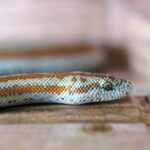
Corn Snakes: For those interested in snakes, corn snakes are an excellent choice. They are non-venomous, generally docile, and come in a stunning array of colours and patterns. Their enclosure requirements are straightforward, and they readily accept pre-killed rodents, simplifying feeding for many owners.
Worth noting: While these are considered beginner-friendly, they still require dedicated care, correct enclosures, and a commitment of time and resources. Researching the specific needs of any species you consider is paramount.
Pitfalls to Avoid: Common Mistakes New Reptile Owners Make
The allure of a unique pet can sometimes lead new owners to overlook crucial aspects of care. Being aware of common missteps can save your reptile from unnecessary suffering and save you significant stress.
1. Inadequate Enclosure Size and Setup: Underestimating the space a reptile needs is a frequent error. A small tank might seem fine initially, but as the animal grows or as its natural behaviours (like exploration or thermoregulation) are restricted, it can lead to stress, aggression, or health issues. Likewise, failing to provide a proper temperature gradient or appropriate humidity levels can have severe consequences.
2. Incorrect Lighting and Heating: Reptiles rely on external heat and specific light spectrums, especially UVB, for their health. Without the correct basking spot temperature or insufficient UVB, issues like MBD can arise. Simply using a regular household bulb is not enough; specialised reptile heating and lighting equipment is essential.
3. Poor Dietary Choices or Supplementation: Feeding inappropriate food items or neglecting essential vitamin and mineral supplements (particularly calcium and D3 for many species) is a direct route to nutritional deficiencies. Overfeeding or underfeeding, or feeding gut-loaded and properly dusted insects, can also cause problems.
4. Neglecting Veterinary Care: Waiting until a reptile is clearly sick to visit a vet is a mistake. Because they hide illness so well, by the time symptoms are obvious, the condition may be advanced and difficult to treat. Establishing a relationship with a reptile-savvy vet early on is vital.
Beyond the Novelty: The Long-Term Commitment to Reptiles
Owning reptiles is a significant commitment that extends beyond the initial setup. Many species live for a considerable number of years – some turtles can live for 50 years or more, and larger snakes and lizards can live for 15–20 years. This is a long-term relationship, not a temporary novelty.
From a financial perspective, while the initial setup costs for a good enclosure, heating, lighting, and decor can be substantial, ongoing costs include food (live insects, specific greens), substrate, supplements, electricity for heating and lighting, and potential veterinary bills. According to a 2025 survey by Exotic Pet Keepers Association, the annual cost of care for a medium-sized reptile can range from £150 to £500, not including unexpected vet visits.
Responsible ownership also means considering the ethical implications. Are you prepared for the specialised care? Can you provide the correct environment for its entire lifespan? Do you have a plan for its care if you can no longer look after it? These are questions every potential reptile owner must ask themselves honestly.
Frequently Asked Questions About Reptiles
Are all reptiles cold-blooded?
Yes, all reptiles are ectothermic, meaning they rely on external heat sources from their environment to regulate their body temperature. This is a fundamental biological difference from mammals and birds, which are endothermic (warm-blooded).
Can reptiles be affectionate?
While reptiles don’t typically show affection in the same way dogs or cats do, many species can become accustomed to handling and tolerate human interaction. Some keepers report their reptiles showing curiosity or comfort in their presence.
What is the easiest reptile to care for?
Generally, species like bearded dragons, leopard geckos, and corn snakes are considered among the easiest reptiles for beginners due to their well-documented care requirements and generally docile temperaments.
Do pet reptiles need special veterinary care?
Absolutely. Reptiles have unique physiology and are prone to specific health issues. It’s essential to find a veterinarian with expertise in herpetology or exotic animal medicine for proper diagnosis and treatment.
How much space do pet reptiles need?
Space requirements vary greatly by species and size. A small gecko might do well in a 20-gallon tank, while a large snake or lizard will need a much bigger enclosure, often custom-built or a large commercial vivarium, to accommodate their needs for movement and thermoregulation.
Are reptiles clean pets?
Reptiles themselves are generally clean animals and don’t have a strong odor. However, their enclosures require regular cleaning and maintenance to prevent bacterial growth and maintain a healthy environment for both the pet and the owner.
Last reviewed: July 2026. Information current as of publication; pricing and product details may change.
Source: Britannica
Editorial Note: This article was researched and written by the Pet Magazine editorial team. We fact-check our content and update it regularly. For questions or corrections, contact us.