Naming Your Hunting Dog: A Practical Guide for 2026
Choosing the right name for your hunting dog is more than just a formality; it’s about giving your canine partner a moniker that reflects their role, personality, and the deep bond you’ll share. As of June 2026, the world of dog naming is vast, but for a hunting companion, certain considerations come to the fore. A good name should be easy to recall, distinct from common commands, and resonate with the spirit of the hunt.
Last updated: June 11, 2026
- Select a name that’s short, distinct, and easy for your dog to recognise, ideally one or two syllables.
- Consider names inspired by nature, outdoor activities, or the specific type of hunting your dog will do.
- Avoid names that sound too much like common obedience commands to prevent confusion during training and fieldwork.
- Involve your family in the naming process to ensure everyone connects with the chosen name.
- The right name can enhance your dog’s identity and your working relationship.
Why Naming Your Hunting Dog Matters
A hunting dog isn’t just a pet; they are a partner. They rely on clear communication, especially in the field where split-second decisions are crucial. A well-chosen name acts as a primary identifier, a verbal cue that your dog learns to associate with your voice and their responsibilities.
Think of it like this: if your dog’s name sounds too similar to ‘sit’ or ‘stay’, imagine the confusion when you’re trying to direct them during a crucial moment. The right name fosters better communication, strengthens your bond, and can even contribute to a more effective working relationship. It’s the first step in establishing their unique identity within your hunting team.
Characteristics of a Great Hunting Dog Name
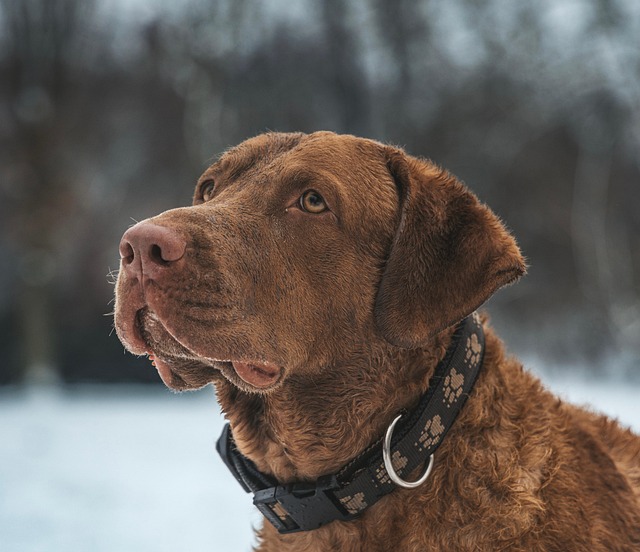
When selecting a name for your hunting dog, several key characteristics make it stand out. The most important is clarity. Names that are one or two syllables are generally easier for dogs to distinguish and respond to quickly. Think ‘Max’, ‘Scout’, ‘Ranger’, or ‘Belle’.
Secondly, the name should be distinct. Avoid names that sound like common commands (‘Joe’ sounds like ‘Go’, ‘Bear’ sounds like ‘Stay’ if mispronounced). This distinction is vital during training and in the field. A unique name also helps your dog stand out amongst a group of canines, especially at training events or in competitive settings.
Drawing Inspiration for Your Hunting Dog’s Name
The world offers a wealth of inspiration for naming your hunting dog. Many owners opt for names rooted in nature. Think of elements like ‘River’, ‘Stone’, ‘Flint’, ‘Storm’, ‘Creek’, or ‘Ridge’. These names evoke the outdoor environment where your dog will thrive.
Other popular sources include:
- Types of Game: Pheasant, Quail, Duck, Grouse, Buck, Hart.
- Hunting Tools/Gear: Gauge, Choke, Ammo, Trigger, Bullet, Scope.
- Famous Hunting Dogs or Characters: Lassie, Old Yeller, Chance, Shadow.
- Geographical Locations: Aspen, Dakota, Sierra, Hudson, Yukon.
- Traits and Qualities: Dash, Swift, Bold, Keen, Noble, Steady.
According to the American Kennel Club (AKC) 2025 survey, names reflecting a dog’s purpose or breed heritage continue to be highly popular among working dog owners. For instance, Labrador Retriever owners frequently choose names like ‘Hunter’, ‘Gunner’, or ‘Retrieval’.
Tailoring Names to Specific Hunting Disciplines
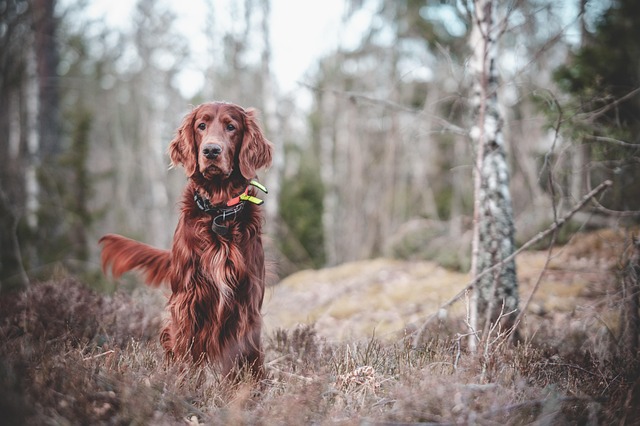
The type of hunting your dog will primarily be involved in can also guide your name choice. For a bird dog, you might lean towards names that suggest speed, precision, or the birds themselves. ‘Pointer’, ‘Setter’, ‘Flusher’, ‘Pheasant’, or ‘Quail’ are fitting examples. A retriever might suit names like ‘Fetch’, ‘Tide’, ‘Drake’, or ‘Hunter’.
For hounds, names that evoke endurance, tracking, or a classic feel are often preferred. Think ‘Tracker’, ‘Baylor’, ‘Hound’, ‘Whisper’, or names from classic literature featuring hounds. For a versatile hunting companion, a name that signifies loyalty and capability, such as ‘Scout’, ‘Ranger’, ‘Guardian’, or ‘Maverick’, works exceptionally well. Considering the dog’s breed and its typical roles in different hunting scenarios can offer a rich vein of personalized naming ideas.
Practical Tips for Choosing the Right Name
Beyond inspiration, practical considerations are paramount. Firstly, say the name out loud. Does it roll off the tongue? Is it easy to call out in a noisy environment? Try shouting it (gently!) from a distance to see how it sounds.
Secondly, consider your dog’s personality and physical traits. A boisterous Labrador might suit a name like ‘Ruckus’ or ‘Zoom’, while a quiet, methodical German Shorthaired Pointer might be better named ‘Steady’ or ‘Keen’. Does the name fit their energy level and demeanour? Avoid names that might be embarrassing or difficult to explain to others. You’ll be saying this name thousands of times, so make sure you’re comfortable with it.
Avoiding Common Naming Pitfalls
One of the most frequent mistakes is choosing a name that sounds too much like a command. As mentioned, ‘Kit’ can sound like ‘Sit’, ‘Ray’ like ‘Stay’, and ‘Bo’ like ‘No’. This confusion can set back training significantly. Always test potential names against your command list.
Another pitfall is choosing a name that’s too common. If you live in an area with many hunting dogs, a super popular name like ‘Buddy’ or ‘Max’ might lead to your dog responding to other people’s calls. While your dog’s personality is unique, a slightly less common name can help them stand out. According to data from pet registration services in 2026, the top 10 most common dog names remain relatively stable year-on-year, with ‘Max’ and ‘Bella’ consistently ranking high.
Finally, avoid names that have negative connotations or could be offensive. You want a name that reflects pride in your canine partner, not one that causes awkward moments.
Involving the Family in the Naming Process
If your hunting dog will be part of a family, making the naming process a shared activity can be incredibly rewarding. It fosters a sense of ownership and connection for everyone involved. You could create a shortlist of your favourite names and have each family member vote.
Another fun approach is to brainstorm names together, categorizing them by theme (nature, traits, etc.). Sometimes, the perfect name emerges from a collaborative session. This shared experience not only helps in selecting a name but also strengthens family bonds, just as your dog will strengthen your family’s bond with the outdoors. Consider a name that resonates with all members of your household.

When to Introduce the Name
Once you’ve chosen a name, start using it immediately. Call your puppy or new dog by their name consistently. When they respond to their name, offer praise and a small reward, like a treat or a favourite toy. This positive reinforcement is the foundation of teaching them to recognise and respond to their name.
According to veterinary behaviorists, dogs are highly receptive to learning their names within the first few weeks of joining a new home. Consistent, positive association builds a strong verbal cue. For instance, when calling your dog to come for feeding, say their name first, then the command. ‘Scout, come!’ is more effective than just ‘Come, Scout!’. This consistent practice, especially in the early days, will cement their name in their vocabulary.
The Lasting Impact of a Good Name
A well-chosen name for your hunting dog is more than just a label; it’s a building block for your partnership. It’s a word that will be associated with joy, accomplishment, and shared adventures. Whether it’s a classic name like ‘Duke’ or a unique one like ‘Zephyr’, ensure it fits the individual dog and the role they play.
Consider the legacy you want to build with your canine companion. A name that’s memorable, meaningful, and functional will serve you both well for years to come. As you start countless hunts and build an unbreakable bond, that chosen name will become synonymous with loyalty, skill, and the unforgettable moments you share in the field.
Frequently Asked Questions
What’s the best way to choose a name for a hunting dog?
The best approach is to select a name that’s short (one to two syllables), distinct from commands, and inspires you. Consider your dog’s breed, personality, and the type of hunting they’ll be doing for relevant inspiration.
Should I choose a common or unique name for my hunting dog?
While popular names are appealing, a more unique name can help your dog stand out and prevent confusion if multiple dogs share the same name in your hunting group or area.
How soon should I start using my hunting dog’s name?
Begin using the chosen name immediately upon bringing your dog home. Consistent positive reinforcement and associating the name with good experiences are key to rapid learning.
Are there any names I should definitely avoid for a hunting dog?
Yes, avoid names that sound too similar to common commands like ‘sit’, ‘stay’, ‘come’, ‘no’, or ‘down’. Also, steer clear of names with negative connotations or those that might be embarrassing.
Can the dog’s breed influence its name?
Absolutely. A name can reflect the breed’s heritage, typical working role, or physical characteristics. For instance, a sturdy breed might suit a strong name, while a swift pointer could be named ‘Dash’ or ‘Swift’.
What if my dog doesn’t respond to their new name?
Ensure you’re using positive reinforcement, such as treats and praise, every time they respond. Practice in a quiet environment first, and gradually introduce distractions. Patience and consistency are crucial.
Information current as of June 2026; pricing and product details may change.
Editorial Note: This article was researched and written by the Pet Magazine editorial team. We fact-check our content and update it regularly. For questions or corrections, contact us. Knowing how to address naming your hunting dog early makes the rest of your plan easier to keep on track.
Related read: Choosing Perfect Corgi Dog Names in 2026
Related read: Choosing the Perfect German Shepherd Names in 2026
Related read: Golden Retriever Dachshund Mix: Your 2026 Guide to the 'Golden Doxie'
Related read: Boxer Labrador Mix: Your 2026 Guide to the Boxador.