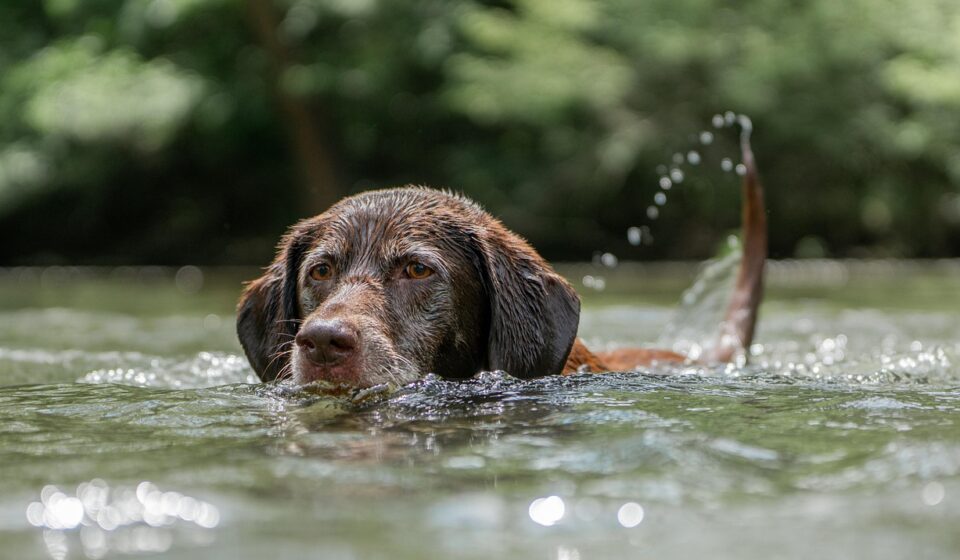
Meet the Mogador: A Fusion of Energy and Affection
A common question for dog lovers looking for a loyal and spirited companion is: what are the characteristics of a Boxer mixed with a Labrador? The Mogador, a delightful crossbreed between the German Boxer and the Labrador Retriever, is gaining popularity for its impressive blend of traits from both parent breeds. As of June 2026, these energetic and affectionate dogs are sought after for their potential to be excellent family pets, provided their needs are met. This hybrid often inherits the intelligence and eagerness to please of the Labrador, coupled with the protective instincts and playful nature of the Boxer.
Last updated: June 11, 2026
These dogs are known for their lively demeanour and strong bonds with their families. Understanding what makes a Mogador unique involves looking at the distinct qualities of its parent breeds and how they manifest in the offspring. From their physical appearance to their temperament and exercise requirements, Mogadors offer a compelling package for the right owner.
Key Takeaways
- Mogadors are a cross between the Boxer and Labrador Retriever, known for high energy and affectionate natures.
- They typically require significant daily exercise to prevent boredom and destructive behaviours.
- Early socialization and consistent, positive reinforcement training are crucial for a well-adjusted Mogador.
- Potential owners should be aware of common health issues inherited from both parent breeds.
- Mogadors generally thrive in active households with ample space and human interaction.
The Mogador’s Unique Temperament: A Blend of Playfulness and Loyalty
The temperament of a Boxer mixed with a Labrador is often described as a winning combination of loyalty, energy, and affection. Boxers are known for their protective nature and playful antics, while Labradors are famed for their friendly disposition and eagerness to please. A Mogador can inherit a fascinating mix of these traits. They are often highly social dogs that form strong bonds with their human families, including children. Their playful spirit means they enjoy games and interaction, making them engaging companions for active households.
Worth noting, the intensity of these traits can vary. Some Mogadors might lean more towards the energetic, sometimes stubborn, streak of the Boxer, while others might exhibit the more laid-back, people-pleasing nature of the Labrador. Early socialization is key to ensuring a well-rounded personality, helping them to be comfortable around new people and other animals. Without it, the Boxer’s guarding instincts could become more pronounced, or the Labrador’s exuberance could become overwhelming.

In real terms, expect a dog that thrives on companionship. A Mogador left alone for extended periods may develop separation anxiety or resort to destructive behaviours out of boredom. They often crave mental stimulation as much as physical activity, so puzzle toys and training games are excellent additions to their routine.
What Does a Mogador Look Like?
Physically, the Boxer Labrador mix can present a diverse range of appearances, as is common with crossbreeds. Their size typically falls somewhere between the two parent breeds, with males often weighing between 50 to 80 pounds (approximately 23-36 kg) and standing 21 to 25 inches (53-63 cm) tall at the shoulder. Females are usually a bit smaller. Their build is generally muscular and athletic, reflecting the strength of the Boxer and the sturdy frame of the Labrador.
Coat colours can vary widely, often mirroring those of their parent breeds. You might see solid colours like black, fawn, or yellow, or a combination of colours. Some Mogadors may have the shorter, denser coat of the Boxer, while others might have a slightly longer, water-resistant coat characteristic of the Labrador. Their head shape can also be a blend, often possessing the strong muzzle of the Boxer with the broader skull of the Labrador.
It’s not uncommon for a Mogador puppy to have the characteristic ‘Boxer wrinkles’ or the distinctive ‘Labrador otter tail’. Eye colour is typically brown, though variations can occur. The overall appearance is often one of a handsome, strong dog with an alert and friendly expression.
Fueling the Mogador’s Energy: Exercise Requirements
One of the most defining characteristics of the Boxer mixed with a Labrador is their high energy level. Both parent breeds are known for their stamina and need for regular physical and mental stimulation. As such, the Mogador requires a significant commitment to exercise. A minimum of 60 to 90 minutes of vigorous activity per day is generally recommended. This could include brisk walks, jogging, playing fetch, swimming (a strong suit for Labs!), or engaging in dog sports.
Without adequate exercise, a Mogador’s pent-up energy can manifest in undesirable behaviours, such as excessive barking, chewing, digging, or restlessness. This is where the potential for destructive behaviour, inherited from both energetic breeds, becomes a concern. Providing a variety of activities can help keep them engaged. For instance, a game of fetch in a securely fenced yard, followed by a long walk on a lead, and then some mental stimulation with puzzle toys, can make for a well-exercised dog.
A common mistake is underestimating the exercise needs of a Mogador, assuming their smaller size (compared to some purebred Labs or Boxers) means less activity is required. In reality, their hybrid vigor often means they are strong and energetic. Consider that a Labrador Retriever was originally bred as a working dog, and the Boxer was developed for hunting and guarding, both roles requiring significant stamina.

Training Your Mogador: Positive Reinforcement is Key
Training a Boxer mixed with a Labrador requires consistency, patience, and a positive approach. Both parent breeds are intelligent and generally eager to please, which are excellent foundations for training. However, they can also be strong-willed, particularly if they inherit the more independent streak of the Boxer. Positive reinforcement methods, such as using treats, praise, and play as rewards, tend to be the most effective. Harsh corrections can lead to fear, anxiety, or even aggression in these sensitive dogs.
Early socialization is paramount for Mogadors. Exposing puppies to a wide variety of sights, sounds, people, and other well-behaved dogs from a young age (around 8–16 weeks) helps them develop into confident, well-adjusted adults. This is especially important given the Boxer’s natural guarding instincts. A well-socialized Mogador is more likely to be friendly and adaptable in various situations, rather than being overly wary or reactive.
Keep in mind that consistency is crucial. All family members should be on the same page regarding training rules and commands. For example, if the dog is not allowed on the sofa, everyone must enforce this rule. This clarity helps the Mogador understand expectations and reduces confusion. Enrollment in puppy classes or obedience school is highly recommended, not only for training but also for continued socialization opportunities.
Common Health Issues for the Boxer Labrador Mix
Like all breeds and crossbreeds, Mogadors are susceptible to certain health conditions inherited from their parent breeds. While hybrid vigor can sometimes mean they are healthier than their purebred counterparts, responsible ownership involves being aware of potential issues. As of 2026, the most common concerns include hip and elbow dysplasia, a common skeletal issue in many larger breeds like Labradors and Boxers.
Heart conditions are also a consideration. Boxers are prone to Boxer cardiomyopathy (a type of heart disease), and Labradors can suffer from various heart defects. Responsible breeders will screen their breeding stock for these conditions. Eye issues, such as progressive retinal atrophy (PRA) and cataracts, can also occur. Skin allergies are another prevalent concern, often exacerbated by environmental factors or diet.
The typical lifespan for a Mogador is generally between 10 to 14 years. Providing a balanced diet, regular exercise, routine veterinary check-ups, and prompt attention to any health concerns can significantly contribute to their longevity and quality of life. Always choose a reputable breeder who can provide health clearances for the parent dogs, or consider adopting from a rescue organisation that can offer insights into a dog’s health history.

Feeding Your Energetic Mogador
A Boxer mixed with a Labrador is an active dog, and their diet should reflect this. They require a high-quality dog food formulated for active breeds or large breeds, depending on their adult size. Look for foods with a good balance of protein, healthy fats, carbohydrates, vitamins, and minerals. As a general guideline, a good quality kibble will list a meat source (like chicken, beef, or lamb) as the first ingredient.
The exact amount of food will depend on the dog’s age, activity level, metabolism, and the specific food’s calorie density. It’s best to follow the feeding guidelines on the dog food packaging as a starting point, and then adjust based on your dog’s body condition. Overfeeding can lead to obesity, which is a significant health risk for dogs, especially those prone to skeletal issues like hip dysplasia. Conversely, underfeeding can lead to a lack of energy and poor coat condition.
For puppies, a diet specifically designed for large-breed puppies is recommended to support healthy bone and joint development. As they transition to adulthood, a gradual switch to adult food is necessary. Always ensure fresh, clean water is available at all times. If you have any concerns about your Boxador’s diet or nutrition, consult with your veterinarian. They can offer personalized advice based on your dog’s individual needs.
Is a Boxador the Right Pet for Your Family?
The decision to bring a Boxer mixed with a Labrador into your home should be a well-considered one. Boxadors can make wonderful family pets, but they are best suited to active households that can meet their considerable energy and social needs. If you have a family with older children who are respectful of dogs, and you lead an active lifestyle that includes plenty of outdoor activities, a Boxador could be a fantastic fit.
However, if your lifestyle is more sedentary, or if you are away from home for long hours regularly, this breed might not be the best choice. Their intelligence and energy can lead to boredom and mischief if not properly channelled. Potential owners should also consider the grooming needs, which are typically moderate, and the potential for health issues, which requires financial preparedness for vet care.
A real-world example: The Miller family in Colorado adopted a 2-year-old Boxador named Rusty. They are avid hikers and live on a property with a large, fenced yard. Rusty thrives on their daily adventures, accompanying them on trails and playing with their children. His energy is well-managed, and he’s become a beloved, integral part of their active family life.

Expert Tips for Prospective Boxador Owners
Before bringing a Boxador home, consider these expert tips. Firstly, research reputable breeders or rescue organisations. Look for breeders who prioritise health and temperament, and ask for health clearances for the parent dogs. If adopting, speak with shelter staff about the dog’s known history and personality.
Secondly, prepare your home. Ensure you have a securely fenced yard, as Boxadors have a strong prey drive and can be quick to chase. Invest in durable chew toys, as they can be strong chewers, especially during puppyhood. Stock up on high-quality food and have a budget for potential veterinary expenses, including regular check-ups and any unforeseen health issues.
Thirdly, commit to training and socialization. Start early and be consistent. Consider enrolling in training classes. Finally, be prepared for their affectionate and sometimes boisterous nature. Boxadors often want to be involved in everything the family does, and they thrive on attention. If you can provide the time, energy, and love they need, a Boxador can be an incredibly rewarding companion.
Frequently Asked Questions About Boxer Labrador Mixes
What is a Boxer mixed with a Labrador called?
A Boxer mixed with a Labrador is commonly known as a Boxador. This name is a portmanteau of the two parent breeds, reflecting their hybrid nature.
Are Boxadors good family dogs?
Yes, Boxadors can be excellent family dogs, especially in active households with children. They are loyal, playful, and affectionate, but require proper socialization and training to ensure they are well-behaved around all family members.
How much exercise does a Boxador need?
Boxadors are high-energy dogs and typically require at least 60 to 90 minutes of vigorous exercise per day. This includes activities like brisk walks, running, playing fetch, and mental stimulation.
What are common health problems for Boxadors?
Common health concerns include hip and elbow dysplasia, heart conditions (like cardiomyopathy), eye issues (PRA, cataracts), and skin allergies, inherited from their Boxer and Labrador parent breeds.
How large do Boxadors get?
Adult Boxadors typically weigh between 50 to 80 pounds (approx. 23-36 kg) and stand 21 to 25 inches (53-63 cm) tall at the shoulder, with males generally being larger than females.
Do Boxadors shed a lot?
Boxadors have a moderate shedding coat. While not as heavy as some breeds, they do shed year-round, with increased shedding seasonally. Regular brushing can help manage shedding.
Information current as of June 2026; pricing and product details may change.
Editorial Note: This article was researched and written by the Pet Magazine editorial team. We fact-check our content and update it regularly. For questions or corrections, contact us. Knowing how to address boxer mixed with labrador early makes the rest of your plan easier to keep on track.
Related read: Amazing Dog Facts: What Your Canine Companion Really Thinks in 2026
Related read: Neapolitan Mastiff: Gentle Giant's Guide to Temperament,
Related read: Greyhound Puppy Essentials: Your 2026 Guide to a Happy Hound
Related read: Top Paw Harnesses: Your 2026 Guide to Comfort and Control.