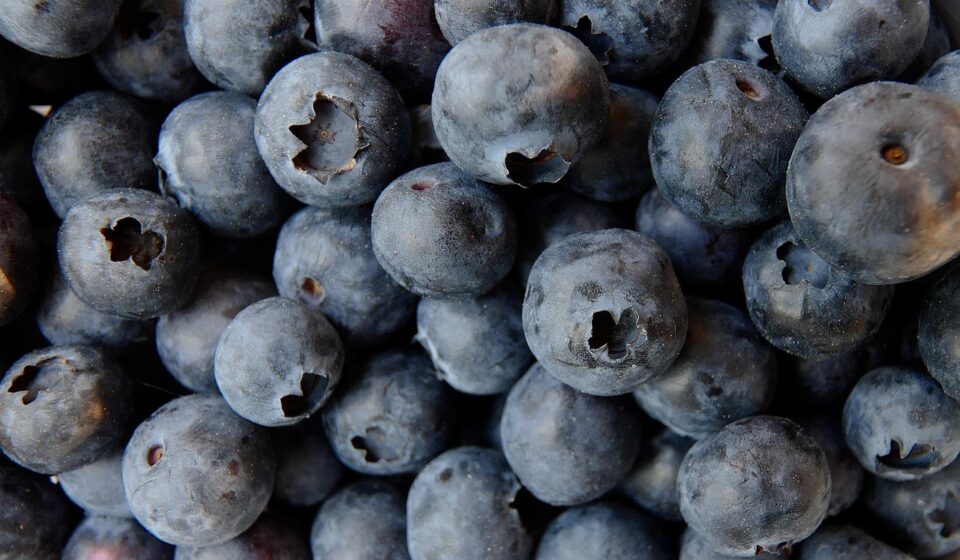
Can Dogs Eat Blueberries Safely? The 2026 Verdict
A common question among devoted pet parents is, “Can dogs eat blueberries?” The short answer, as of July 2026, is a resounding yes – with a few important caveats. These vibrant berries are not only safe for most dogs but can also offer a surprising array of health benefits when incorporated into their diet correctly. However, like any treat, moderation and understanding are key to ensuring your furry friend enjoys them without any adverse effects. Most teachers spend twice the budget they need to on classroom supplies. Here’s why that might be true for pet owners trying to find the healthiest treats: many common store-bought dog treats are loaded with artificial ingredients and fillers. Fortunately, natural options like blueberries offer a fantastic alternative, providing essential nutrients without the questionable additives. But when does a healthy snack become too much of a good thing? Let’s explore the nuances.
Key Takeaways
- Blueberries are generally safe and healthy for dogs when fed in moderation.
- They are packed with antioxidants, vitamins, and fiber beneficial for canine health.
- Overfeeding can lead to digestive upset, especially in smaller dogs or those with sensitive stomachs.
- Always introduce new foods gradually and monitor your dog for any adverse reactions.
- Avoid feeding dogs blueberry-related products like muffins or pies due to added sugar and xylitol.
The Nutritional Powerhouse: What Makes Blueberries Great for Dogs?
Blueberries, often referred to as superfoods for humans, also pack a punch when it comes to canine nutrition. Their small size belies a significant nutritional profile that can contribute positively to your dog’s well-being. Understanding these benefits can help you appreciate why they make such a good treat option. The primary draw of blueberries for dogs is their rich antioxidant content. These compounds, including anthocyanins which give blueberries their deep colour, help combat oxidative stress in the body. According to the American Veterinary Medical Association (AVMA) (2025), antioxidants play a crucial role in supporting a healthy immune system and may even contribute to slowing the aging process in dogs by protecting cells from damage. Beyond antioxidants, blueberries are a good source of essential vitamins and minerals. They contain Vitamin C, which supports the immune system, and Vitamin K, vital for blood clotting and bone health. They also provide manganese, important for bone development and metabolism, and dietary fiber, which aids in healthy digestion. In real terms, a handful of blueberries can offer a more nutrient-dense treat than many commercially produced biscuits.

How Many Blueberries Can Dogs Safely Eat? The Moderation Mantra
While beneficial, it’s crucial to remember that blueberries are a treat, not a staple food. The quantity your dog can safely consume depends on several factors, primarily their size, age, and individual digestive sensitivity. This is where many owners make common mistakes by either overfeeding or underfeeding. A general guideline, as recommended by many veterinary nutritionists as of 2026, is to limit blueberries to no more than 10% of your dog’s total daily calorie intake. For an average-sized dog, this might translate to about 10–15 blueberries per day. However, for smaller breeds like Chihuahuas or Yorkshire Terriers, even 5–10 berries might be sufficient. For larger breeds such as Labradors or German Shepherds, you might safely offer 20–30 berries. The wrinkle here is that overconsumption can lead to gastrointestinal upset. Too many blueberries can result in diarrhea, vomiting, or an upset stomach due to their sugar and fiber content. If your dog has a sensitive stomach or is prone to pancreatitis, it’s best to introduce them very cautiously or consult your vet first. It’s always wise to introduce any new food gradually, starting with just a few berries and observing your dog’s reaction ove24–4848 hours.
Potential Risks and What to Watch Out For
While blueberries are generally safe, there are a few potential risks and scenarios that pet owners should be aware of. Understanding these can prevent unnecessary worry or health issues. The most common issue is digestive upset from overfeeding. If you notice your dog experiencing loose stools or vomiting after eating blueberries, reduce the quantity or stop feeding them altogether. Another, less common concern, is that very large quantities of blueberries could potentially contribute to weight gain due to their natural sugar content, especially if not accounted for in their overall diet plan. As of 2026, data from the Pet Food Manufacturers Association (PFMA) highlights an increasing trend in pet obesity, underscoring the importance of treat moderation. Crucially, you should never feed your dog processed blueberry products like muffins, pies, jams, or yogurts. These often contain high amounts of added sugar, artificial sweeteners (some of which, like xylitol, are highly toxic to dogs), and other ingredients that are harmful to canines. Xylitol, in particular, can cause a rapid drop in blood sugar and liver failure in dogs, even in small doses. Always stick to plain, fresh or frozen blueberries.

How to Serve Blueberries to Your Dog: Practical Tips
Serving blueberries to your dog is straightforward, but a few practical tips can ensure safety and maximum enjoyment. The preparation method can also make a difference, especially for smaller dogs or puppies. Fresh vs. Frozen: Both fresh and frozen blueberries are safe for dogs. Frozen berries can be a delightful, cooling treat, especially during warmer months. Simply thaw them slightly before serving to prevent them from being too hard or icy. Ensure that both fresh and frozen blueberries are plain – no added sugars, syrups, or coatings. Portion Control is Key: As discussed, start with a small amount – just a few berries for small dogs, perhaps 5-10 for medium to large breeds. Monitor your dog’s reaction. If they tolerate them well, you can gradually increase the quantity within the recommended limits (around 10% of daily calories). As a Training Treat: Blueberries make excellent, low-calorie training rewards. Their small size means they can be given frequently without overfeeding. They are a great alternative to commercial training treats that might contain artificial colours or flavors. For easier handling during training sessions, you can freeze them in a single layer on a baking sheet before transferring them to a freezer bag. Mixed with Food: You can also mix a small handful of blueberries into your dog’s regular kibble or wet food. This can add a nutritional boost and a burst of flavor to their meal, encouraging picky eaters.
Common Mistakes Owners Make When Feeding Blueberries (And How to Avoid Them)
Despite the general safety of blueberries for dogs, owners often fall into common traps. Being aware of these pitfalls can save you and your dog from potential issues. Mistake 1: Overfeeding. This is by far the most frequent error. Owners get excited about a healthy treat and offer too many, leading to digestive upset. The solution is strict portion control. Calculate your dog’s daily caloric needs and ensure blueberries don’t exceed 10% of that total. Use a measuring cup for accuracy. Mistake 2: Feeding processed blueberry products. As mentioned, the temptation to give a dog a piece of blueberry pie or muffin is strong. However, these are laden with ingredients toxic or unhealthy for dogs. The solution is simple: only offer plain blueberries. If you want to bake for your dog, find recipes specifically designed for canines that omit sugar, xylitol, and harmful spices. Mistake 3: Not introducing them gradually. A sudden introduction of blueberries, especially in larger quantities, can shock a dog’s digestive system. The solution is the ‘start slow’ approach. Begin with just one or two berries and observe for any changes in stool or behaviour over the next day or two before increasing the amount. Mistake 4: Assuming all berries are safe. While blueberries are fine, other berries like cherries (especially the pits), raspberries, and cranberries have different nutritional profiles or potential risks (e.g., xylitol in some cranberries, cyanide in cherry pits). The solution is to stick to known safe fruits like blueberries, strawberries, and bananas, and always research any new fruit before offering it to your dog.
Can Puppies Eat Blueberries?
Puppies, with their developing digestive systems, can generally eat blueberries, but extra caution is advised. Their smaller size and sensitivity mean that even a few blueberries can be a significant portion of their daily intake. It’s best to start with just one or two berries and monitor them closely for any signs of digestive upset. The vitamins and antioxidants in blueberries can be beneficial for a growing puppy’s immune system. However, ensure that blueberries don’t displace the nutrient-dense puppy food that’s essential for their development. For very young puppies, especially those still on a milk-replacement diet, it’s advisable to consult your veterinarian before introducing any new solid foods, including fruits. As of 2026, many veterinary resources, such as those from the World Small Animal Veterinary Association (WSAVA), emphasize a balanced diet formulated specifically for puppies as the primary source of nutrition. Treats, including blueberries, should always be secondary and given sparingly.
Expert Tips for Blueberry Lovers
From my years of experience in canine nutrition, I’ve found that the best way to incorporate blueberries is to see them as a high-value reward and a supplement, not a replacement for their main diet. One effective strategy is to create ‘pup-sicles’ by freezing blueberries (and perhaps a little unsweetened yoghurt or water) in ice cube trays. These are fantastic for teething puppies or as a long-lasting treat on a hot day. Another tip is to use them in conjunction with puzzle toys. Stuffing a few blueberries into a Kong or other treat-dispensing toy can provide mental stimulation and a rewarding snack. This approach helps slow down consumption and adds an element of fun to treat time. Worth noting, some owners report that blueberries can have a minor constipating effect in some dogs when fed in larger amounts, due to the fiber. If your dog is already prone to constipation, monitor this closely. For most dogs, however, the fiber aids digestion positively. It’s about knowing your individual dog’s physiology.
Frequently Asked Questions
Can dogs eat any amount of blueberries?
Dogs can eat blueberries in moderation. While they are safe and nutritious, too many can cause digestive upset like diarrhea due to sugar and fiber content.
What happens if a dog eats too many blueberries?
If a dog eats too many blueberries, they may experience vomiting, diarrhea, or an upset stomach. In very rare cases with extremely high consumption, it could contribute to weight gain or temporary constipation.
Are frozen blueberries okay for dogs?
Yes, frozen blueberries are perfectly fine for dogs. They make a refreshing treat, especially in warm weather. Ensure they are plain and slightly thawed before serving.
Can dogs eat blueberry-flavored dog food?
Blueberry-flavored dog food is generally safe if it’s a reputable brand and the flavour comes from natural sources. However, always check the ingredient list for added sugars or artificial additives.
Can puppies eat blueberries?
Yes, puppies can eat blueberries in very small quantities. Introduce them slowly and monitor for any digestive issues, as their systems are more sensitive.
Are blueberries toxic to dogs?
No, plain blueberries are not toxic to dogs. They are a safe and healthy fruit option when fed in appropriate amounts as a treat.
Conclusion: A Berry Good Treat for Your Canine
In summary, the answer to “can dogs eat blueberries?” is a confident yes. These nutritious berries offer a wealth of health benefits for your canine companion, from boosting their immune system with antioxidants to aiding digestion with fiber. As of July 2026, the consensus among veterinary professionals remains clear: when fed in moderation and as part of a balanced diet, blueberries are a fantastic natural treat. The key takeaway for any pet owner is to remember the golden rule: moderation is paramount. Start small, observe your dog’s reaction, and avoid processed blueberry products. By following these guidelines, you can confidently add these wholesome berries to your dog’s treat repertoire, providing them with a delicious and healthy snack. Information current as of July 2026; pricing and product details may change.
Editorial Note: This article was researched and written by the Pet Magazine editorial team. We fact-check our content and update it regularly. For questions or corrections, contact us. For readers asking “Can dogs eat blueberries”, the answer comes down to the specific factors covered above.
Last updated: July 20, 2026
Related read: Spaniel Breeds: A Comprehensive 2026 Guide to Their Traits and Care
Related read: The African Ridgeback: A 2026 Guide to This Unique Breed
Related read: Can Dogs Have Cantaloupe Safely in 2026? A Guide.