Canine chow refers to commercially prepared dog food formulated to supply complete daily dietary nutrition. To choose the best canine chow, look for a complete and balanced formula verified by an AAFCO nutritional adequacy statement. This statement should match your dog’s age, breed size, and activity level.
Proper nutrition directly impacts a dog’s energy levels, coat condition, immune response, and lifespan. A well-balanced diet helps prevent obesity, joint strain, and chronic digestive upset. Low-quality feed, however, can cause nutrient deficiencies and gastrointestinal illness over time. Every physiological process—from muscle repair to cognitive function—depends on the macronutrients and micronutrients provided in their daily canine chow.

Nutritional components of quality canine chow
To evaluate any canine chow formula, you need to understand the role of macronutrients and micronutrients in canine biology. Dogs are omnivores capable of digesting and utilizing nutrients from both animal and plant sources. However, the balance and quality of these ingredients determine overall health.
Protein sources and amino acid quality
Protein supplies essential amino acids needed for muscle development, tissue repair, enzyme production, and immune defense. Dogs require 22 amino acids, 10 of which their bodies cannot synthesize independently and must obtain through diet. Look for named animal proteins—such as chicken, beef, lamb, salmon, or turkey—at the top of the ingredient list. Animal proteins offer superior digestibility and a complete amino acid profile compared to plant-based protein concentrates like corn gluten meal or wheat protein isolate.
Fats and essential fatty acids
Fats provide the most concentrated source of dietary energy, supplying more than twice the calories per gram of protein or carbohydrates. This dietary fat is crucial for absorbing fat-soluble vitamins (A, D, E, and K), maintaining healthy skin, and producing hormones. Look for specific fats, such as chicken fat, salmon oil, or flaxseed. Essential Omega-3 fatty acids (like EPA and DHA found in fish oil) support joint function and cognitive health. Omega-6 fatty acids maintain the skin’s moisture barrier.
Carbohydrates and dietary fiber
While dogs do not have a strict dietary requirement for carbohydrates, digestible carbs supply accessible energy and spare dietary protein for muscle maintenance. Whole grains like brown rice, oatmeal, and barley provide steady energy along with dietary fiber. Fiber regulates stool consistency and feeds beneficial gut microbes. Grain-free carbohydrate sources include sweet potatoes, pumpkin, and peas, though carb sources should always supplement—not replace—quality animal protein.
Vitamins and minerals
Micronutrients drive metabolic reactions, bone density, and fluid balance. Calcium and phosphorus must exist in a balanced ratio (typically between 1:1 and 2:1) to ensure safe bone development, particularly in growing dogs. Synthetic vitamin packs often fill nutritional gaps. However, natural sources from whole ingredients like carrots, spinach, and blueberries provide bioavailable antioxidants that support cellular health.
Comparing canine chow formats: dry, wet, and fresh
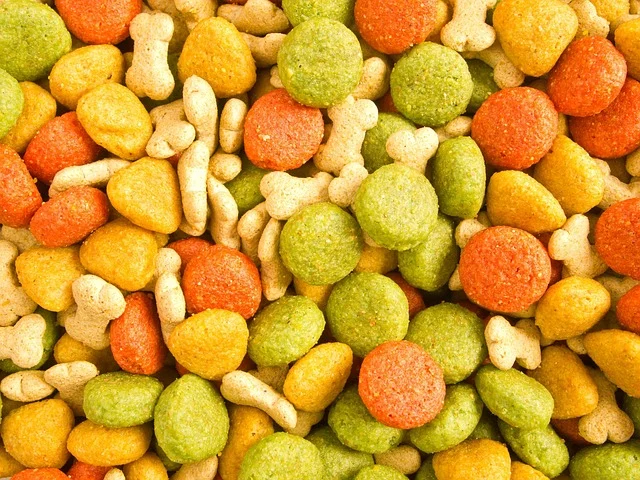
Dog food is available in several distinct formats. The best option depends on your dog’s oral health, hydration needs, budget, and storage capacity.
| Format | Pros | Cons | Best Suited For |
|---|---|---|---|
| Dry Kibble | Cost-effective, long shelf life, convenient to measure, mechanical scraping helps slow dental plaque accumulation. | Low moisture content (around 10%), often higher in carbohydrates, less appealing to picky eaters. | Budget-conscious owners, active adult dogs, and dogs needing routine dental maintenance. |
| Wet / Canned Food | High moisture (75–80%), rich flavor, soft texture, lower carbohydrate concentration. | Higher cost per serving, short shelf life once opened, requires refrigeration after opening. | Senior dogs with missing teeth, dogs with kidney or urinary issues needing hydration, and selective eaters. |
| Fresh / Gently Cooked | Highly palatable, made with whole food ingredients, high moisture content, minimal heat processing. | Expensive, requires freezer/refrigerator space, short shelf life, inconvenient for travel. | Dogs with severe digestive sensitivities, picky eaters, and owners seeking minimal processing. |
How to read canine chow labels and spot hidden details
Pet food packaging relies heavily on marketing imagery, but the legally binding facts appear on the back of the bag. Learning to read labels prevents you from paying premium prices for low-grade ingredient formulations.

The AAFCO nutritional adequacy statement
The most critical element on any bag of canine chow is the AAFCO adequacy statement. This sentence verifies that the diet supplies complete and balanced nutrition. It states whether the food meets standards through formulation (matching a nutrient profile) or through formal animal feeding trials. Look for text confirming the food is formulated for a specific life stage, such as “growth” (puppies), “adult maintenance”, or “all life stages”. Diets labeled for “intermittent or supplemental feeding only” are not complete meals and should never form your dog’s primary diet.
Guaranteed analysis and dry matter comparison
The guaranteed analysis panel lists minimum percentages of crude protein and crude fat, along with maximum percentages of crude fiber and moisture.
Ingredient list order and ingredient splitting
Ingredients are listed in descending order by weight before processing. Whole meats contain high moisture levels, which makes them heavy prior to cooking. Once dehydrated during kibble production, their actual contribution to the overall protein content drops. Be aware of “ingredient splitting,” where a manufacturer divides a single ingredient into sub-components—such as corn meal, corn gluten, and whole yellow corn—so that individual items appear lower on the list, masking the total grain proportion.
Tailoring canine chow to life stage and breed size
Nutritional requirements change as a dog matures and vary significantly between small and giant breeds.

Puppy nutrition and growth control
Puppies require higher caloric density, elevated protein levels, and strictly controlled mineral ratios to support rapid growth. Large and giant breed puppies (expected adult weight over 25 kg / 55 lbs) need specialized formulas with controlled calcium and phosphorus levels. Overfeeding calories or excess calcium to large-breed puppies accelerates skeletal growth faster than cartilage can adapt. This can lead to developmental orthopedic diseases such as hip dysplasia and osteochondritis dissecans. Guidelines from the American Kennel Club emphasize slow, controlled growth rates over maximum growth size.
Adult dog maintenance
Adult dogs need a balance of protein and moderate fat to maintain baseline lean muscle mass without gaining excess weight. An active working dog burning high energy throughout the day requires a performance diet rich in protein and fat. In contrast, a sedentary companion dog needs lower calorie density to prevent gradual weight gain.
Senior dog adjustments
As dogs age, metabolic rates slow down and physical activity declines. Senior formulas typically lower overall calories while increasing digestible protein quality to counteract age-related muscle wasting. Added joint supplements, such as glucosamine and chondroitin sulfate, protect aging cartilage; see What Did Your Turtle Eat? A Guide to Safe Feeding for additional joint management strategies.
Kibble size and metabolic rates
Breed size impacts feeding requirements beyond mere portion volume. Small breeds have higher metabolic rates per pound of body weight. They require calorie-dense food packed into small kibble pieces that match their smaller jaws. Conversely, giant breeds need larger kibble pieces to encourage chewing and reduce the risk of swallowing air during meals.
Red flags and controversial ingredients in canine chow
Not all ingredients in commercially available dog food contribute positively to long-term health. Knowing what to avoid helps protect your dog from unnecessary synthetic additives or low-grade protein sources.
Artificial additives and chemical preservatives
Avoid synthetic preservatives such as BHA (butylated hydroxyanisole), BHT (butylated hydroxytoluene), and ethoxyquin. These are added to prolong shelf life but have raised safety concerns in animal health. High-quality canine chow uses natural preservatives like mixed tocopherols (Vitamin E) and rosemary extract. Artificial food dyes (such as Red 40, Yellow 5, and Blue 2) provide no nutritional value to the dog. They serve solely to appeal to human buyers.
Generic by-products and unspecified fats
While clean, named animal by-products (like poultry by-product meal) contain nutrient-rich organ meat, generic terms like “animal fat”, “meat meal”, or “poultry digest” are major red flags. Unspecified sources make it impossible to determine which animal species was used. This presents a clear risk for dogs with specific protein allergies.
The grain-free debate and DCM
Grain-free diets replace traditional grains with high proportions of legumes, pulses (peas, lentils, chickpeas), or potatoes. The U.S. Food and Drug Administration (FDA) has investigated potential links between non-hereditary canine dilated cardiomyopathy (DCM)—a serious heart muscle disorder—and high-legume, grain-free diets. Unless your veterinarian diagnoses a specific grain allergy, feeding a diet rich in whole grains is generally safe and beneficial.
Managing food allergies and sensitive stomachs
Digestive issues and persistent itching often stem from food intolerances or true dietary allergies.

Identifying symptoms of food allergies
Food allergies in dogs typically manifest as skin problems or chronic digestive distress. Common signs include red, itchy paws, inflamed ears, persistent skin infections, soft stool, chronic flatulence, and frequent vomiting. The most common allergen culprits in dogs are beef, dairy, wheat, chicken, egg, soy, and corn.
How to conduct an elimination diet trial
Blood tests and saliva panels for canine food allergies are unreliable. The gold standard for identifying dietary sensitivity is a formal elimination diet trial.
- Consult your veterinarian: Confirm that parasites or environmental allergies are not causing the symptoms.
- Select an elimination diet: Choose a single protein and carbohydrate source the dog has never consumed (a novel protein like kangaroo or venison) or a prescription hydrolyzed protein diet where proteins are broken down so small the immune system cannot detect them.
- Enforce strict compliance for 8 to 12 weeks: Feed exclusively the trial food. Eliminate all treats, flavored medications, dental chews, and edible table scraps.
- Evaluate response and rechallenge: If symptoms resolve, reintroduce individual ingredients one at a time over two weeks to observe which protein triggers a reaction.
How to calculate portions and transition canine chow safely
Proper feeding technique is as important as choosing the right ingredient list. Incorrect portion sizes or sudden diet switches lead to common health issues.

Determining accurate daily portion sizes
The feeding charts printed on dog food bags are general guidelines based on weight, but they often overestimate calories for indoor, neutered pets. Assess your dog’s Body Condition Score (BCS) on a 1 to 9 scale:
- Underweight (BCS 1–3): Ribs, lumbar vertebrae, and pelvic bones are easily visible with no palpable fat cover.
- Ideal Weight (BCS 4–5): Ribs are easily felt with a thin fat layer, an abdominal tuck is visible from the side, and an waistline is visible from above.
- Overweight (BCS 6–9): Ribs are difficult to feel under heavy fat layers, waistline is absent, and abdominal tuck is lost.
Step-by-step 7-day diet transition plan
Sudden changes in canine chow disturb gut flora, causing vomiting, flatulence, and diarrhea. Transition gradually over seven to ten days:
- Days 1–2: Serve 75% old food mixed with 25% new food.
- Next, Days 3–4: Serve 50% old food mixed with 50% new food.
- Days 5–6: Serve 25% old food mixed with 75% new food.
- Day 7 onwards: Serve 100% new food.
If loose stool develops, pause at the current ratio for two additional days until digestion stabilizes before proceeding.
Sources: Chow Chow
Frequently asked questions
What is the single most important factor when choosing canine chow?
The most crucial factor is ensuring the food carries an AAFCO adequacy statement declaring it complete and balanced for your dog’s specific life stage and breed size. This ensures the food meets mandatory essential nutrient requirements without requiring extra supplements.
How often should I feed my adult dog?
Most healthy adult dogs do best with two meals per day spaced 8 to 12 hours apart. Free-feeding by leaving food out all day is discouraged because it leads to overeating and makes it difficult to monitor subtle changes in appetite.
Is grain-free canine chow better for all dogs?
No, grain-free food is not inherently healthier for most dogs. True grain allergies are rare compared to beef or chicken allergies. The FDA continues to monitor potential links between high-legume grain-free diets and heart issues. Therefore, grain-free food should only be used when recommended by a vet.
How long does dry canine chow stay fresh after opening?
Once opened, dry kibble typically stays fresh and nutritionally stable for four to six weeks if kept in its original bag sealed tightly inside an airtight container. Storing food in its original packaging preserves the protective barrier against oxidation and light degradation.
What should I do if my dog suddenly refuses to eat their regular food?
First check the food’s freshness and inspect it for spoilage, mold, or unusual odors. If the food is fine, monitor your dog for other illness symptoms such as lethargy, vomiting, or fever, and consult your veterinarian if skipping meals lasts longer than 24 hours.