The Enduring Appeal of the Clown Fish
The vibrant hues, and spirited personalities of clown fish have captivated aquarists for decades. Far more than just Nemo, these marine marvels offer a dynamic focal point for any saltwater aquarium. As of July 2026, the demand for these captivating creatures remains strong, making understanding where to find them and what to look for paramount for aspiring fishkeepers.
Last updated: July 23, 2026
Many hobbyists are drawn to clown fish due to their hardiness and relative ease of care compared to some other saltwater species. However, simply picking the brightest fish from a tank isn’t enough. Ensuring you acquire a healthy specimen that will thrive in your specific setup requires careful consideration of several factors.
- Clown fish are popular marine aquarium fish known for their hardiness and vibrant colours.
- As of July 2026, captive-bred varieties are widely available and recommended over wild-caught specimens.
- When buying, look for active, alert fish with clear eyes and no visible signs of disease.
- Proper quarantine and acclimatization are crucial steps for new arrivals to prevent disease spread.
- Understanding clown fish behaviour, diet, and tank requirements is vital for their long-term health.
Where to Find Clown Fish for Sale: Navigating Your Options
The journey to acquiring clown fish for sale begins with identifying reputable sources. Several avenues exist, each with its own advantages and potential drawbacks for the discerning buyer.
Online retailers have become a significant source for marine fish, offering convenience and a vast selection. Websites like Aquarium Specialty and NY Aquatic, for instance, often stock a wide array of captive-bred clownfish, including popular morphs like Ocellaris, Picasso, and Maroon varieties. These online vendors typically provide detailed descriptions, images, and sometimes even videos of the fish available, allowing for a more informed purchase.
However, the drawback is the stress on the fish during transit. Reputable online sellers employ solid shipping protocols, but there’s always an inherent risk in shipping live animals.
Local fish stores (LFS) offer the distinct advantage of allowing you to see the fish in person before purchasing. You can observe their behaviour, check for signs of illness, and often get advice directly from knowledgeable staff. The availability might be more limited than online, and prices can vary significantly depending on the store’s location and inventory.
It’s crucial to find a local fish store with a good reputation for healthy livestock and proper tank maintenance. In my 15 years of fishkeeping, I’ve learned that a good LFS is invaluable, often becoming a trusted advisor.
Hobbyist forums and local aquarium clubs can also be excellent places to find clown fish for sale. Experienced hobbyists sometimes offer their own captive-bred fish, often at competitive prices, and can provide insights into the fish’s history and behaviour. This route requires due diligence to ensure the seller is trustworthy and the fish have been well-cared for.
When considering clown fish for sale, prioritise sellers who clearly distinguish between captive-bred and wild-caught specimens. According to the Marine Aquarium Council (MAC) (2025), captive-bred fish are generally considered more sustainable, hardier, and better adapted to aquarium life.
Identifying a Healthy Clown Fish: A Buyer’s Checklist
Once you’ve found a potential source, the critical step is evaluating the health of the individual fish. A sick fish can introduce disease into your established aquarium, leading to devastating losses. Here’s what to look for:
Activity Level: A healthy clown fish should be active and alert, swimming confidently in its tank. Avoid fish that are lethargic, hiding excessively, or gasping at the surface. They should respond to movement outside the tank.
Body Condition: Look for a fish with a full, rounded body. Avoid those that appear emaciated or have sunken bellies, which can indicate internal parasites or malnutrition. The fins should be held open and appear undamaged, not clamped to the body.
Eyes: The eyes should be clear, bright, and free of any cloudiness, swelling, or discharge. Cloudy or bulging eyes are often a sign of infection or injury.
Skin and Fins: Examine the fish’s skin and fins for any signs of disease, such as white spots (Ich), fuzzy patches (fungal infections), fin rot, or unusual growths. The coloration should be vibrant and consistent with the species’ natural patterns.
Breathing: Observe the fish’s gill movement. It should be steady and regular. Rapid or strained gill movement can indicate stress, poor water quality, or respiratory issues.
Behaviour: Does the fish interact with its tank mates or its environment? A healthy clown fish will show curiosity and engage with its surroundings. While territorial behaviour is normal, aggressive bullying of tank mates might indicate stress or an unsuitable environment.
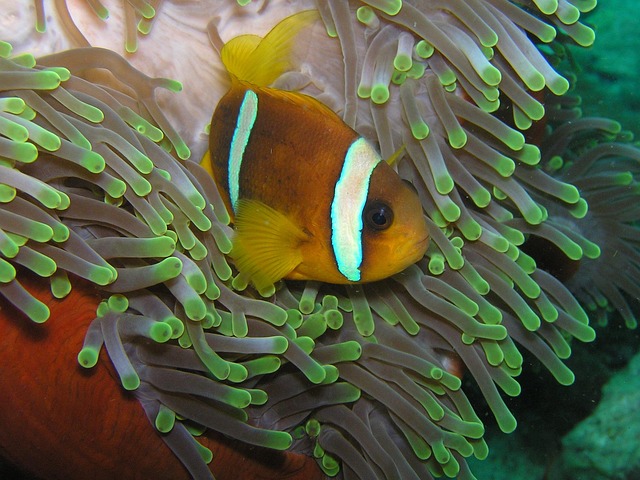
Anemone Association (if applicable): For species like the Ocellaris or Oopercula clownfish, observing if they interact with a suitable host anemone can be a good sign, though this is not always present in a store tank and is not a definitive indicator of health. Captive-bred clownfish may not readily host in anemones. According to research on clownfish behaviour, their symbiotic relationship with anemones is complex and develops over time, often influenced by environmental cues.
When purchasing captive bred clownfish, you often get a specimen that has been raised in conditions similar to your own tank, making them potentially more resilient.
Common Clownfish Species for the Home Aquarium
The term ‘clown fish’ encompasses over thirty species within the subfamily Amphitryoninae. While they share many common traits, different species offer unique appearances and care considerations:
Ocellaris Clownfish (Amphitryon ocellaris): The most popular species, recognizable by its bright orange body with three white bands. These are typically hardy and readily available as captive-bred specimens. They are known for their adaptability and are often the first choice for beginners. Their average price can range from $20 to $50, depending on the vendor and specific morphs.
Opercula Clownfish (Amphitryon percula): Similar in appearance to the Ocellaris but generally bolder in coloration and with thicker white bands. They are also quite hardy and a good choice for beginner saltwater aquarists.
Maroon Clownfish (Premnas G. Aculeatus): These are known for their striking deep red or maroon coloration and a prominent spine on their operculum (gill cover), which can make them more aggressive than Ocellaris or Opercula. They are also larger and require more space.
Captive-bred maroons are less aggressive than their wild-caught counterparts, but still require careful tank mate selection. Prices can range from $40 to $100 or more for specific variants like the ‘Gold Stripe’ or ‘Lightning Maroon’.
Picasso Clownfish (Amphiprion ocellaris ‘Picasso’): This is a morph of the Ocellaris clownfish, characterized by irregular white markings that resemble a Picasso painting. They are highly sought after for their unique patterns. Prices can be significantly higher, often ranging from $75 to $200 or more.
Clownfish Pairs: Many vendors offer pre-selected clownfish pairs. Purchasing a pair can increase the likelihood of them hosting an anemone together and reproducing, though compatibility is never guaranteed. It’s often best to introduce them to the tank as a pair.
When looking at clown fish for sale, consider the species’ typical adult size and temperament to ensure it suits your aquarium and existing inhabitants.
Creating the Ideal Home: Clown Fish Tank Requirements
Setting up a suitable environment is crucial for the health and longevity of your clown fish. While hardy, they still require specific conditions to thrive in a marine aquarium.
Minimum Tank Size: For a single or a pair of Ocellaris or Opercula clownfish, a minimum tank size of 20 gallons (approximately 75 litres) is recommended. Larger species like the Maroon clownfish, or if you plan to keep more than one (with caution), will require a 30-gallon (110 litres) or larger tank.
Water Parameters: Clown fish are saltwater fish and require stable marine conditions. Key parameters include:
- Salinity: 1.023-1.026 specific gravity.
- Temperature: 75-80°F (24-27°C).
- pH: 8.1-8.4.
- Ammonia, Nitrite: 0 ppm (parts per million).
- Nitrate: Below 20 ppm, ideally lower.
A reliable protein skimmer is highly recommended for most saltwater tanks, as it helps remove organic waste before it breaks down. Live rock and a good filtration system are also essential for maintaining water quality.
Live Rock and Sandbed: Live rock provides biological filtration and surfaces for beneficial bacteria to colonize. A sandbed can also contribute to biological filtration and provides a natural substrate. A depth of 1–2 inches of aragonite sand is typically suitable.
Anemone Hosting: While clown fish are famous for hosting anemones, remember that not all clown fish will host, especially captive-bred individuals. Anemones themselves require specific, stable tank conditions and high-quality lighting, making them a more advanced addition. Many aquarists are successful keeping clown fish without an anemone, as they may host corals or other aquarium decor.
Tank Mates: Clown fish are generally peaceful but can become territorial, especially if hosting an anemone. They are compatible with most other peaceful saltwater fish, such as gobies, blennies, and certain damsels. Avoid housing them with aggressive fish or larger predators that might see them as food. Compatibility is key for a harmonious marine aquarium.
Dietary Needs: What to Feed Your Clown Fish
A balanced diet is essential for maintaining the health and vibrant coloration of your clown fish. Their natural diet consists of small crustaceans, algae, and zooplankton.
In an aquarium setting, a varied diet is best. High-quality flake foods specifically formulated for marine fish should form the staple of their diet. You can supplement this with:
- Frozen foods such as brine shrimp, mysis shrimp, and krill. It’s important to ensure these are enriched and free from parasites.
- Nori (seaweed) sheets or other marine algae, especially for species that are more herbivorous.
- Pellets designed for marine fish.
Feed your clown fish small amounts 1–2 times per day. Only feed what they can consume within a few minutes to avoid fouling the water. Observing their feeding response is a good indicator of their health and appetite. According to the Pet Food Manufacturers Association (PFMA) (2026), providing a varied diet leads to better overall health and reduces the risk of nutritional deficiencies in aquarium fish.
The Crucial First Steps: Quarantine and Acclimation
Bringing new fish home is exciting, but skipping quarantine and proper acclimation can lead to disaster. This is particularly true for sensitive marine life like clown fish.
Quarantine (QT): it’s strongly recommended to quarantine all new fish, including clown fish, in a separate tank for 4–6 weeks before introducing them to your main display aquarium. This quarantine tank should be a simple setup with a heater, a filter (like a sponge filter), and some PVC pipe for hiding places. QT allows you to observe the fish for any signs of disease, treat them if necessary, and ensure they are eating well without the risk of infecting your established inhabitants.
Acclimation: Once the fish has passed quarantine, or if you are introducing a fish directly from a store, it must be properly acclimated to your main tank’s water parameters. This is typically done using a drip acclimation method. Place the fish in a clean container with its transport water.
Using airline tubing with a valve (or a simple knot), slowly drip water from your main aquarium into the container over 45–60 minutes. This gradual process allows the fish’s system to adjust to the new salinity, temperature, and pH, significantly reducing stress.
Never dump the transport water into your main tank. Discard the acclimation water and carefully net the fish into its new home. This meticulous approach is fundamental for successful saltwater fishkeeping.
Avoiding Pitfalls: Common Mistakes When Buying Clown Fish
Even with the best intentions, new hobbyists can make mistakes when purchasing clown fish. Awareness can prevent costly errors.
1. Impulse Buying: Being swayed by a beautiful fish without researching its needs or compatibility is a common error. Always research species requirements before purchasing.
2. Skipping Quarantine: As mentioned, not quarantining new arrivals is a high-risk gamble that can wipe out an entire tank.
3. Overcrowding: Trying to house too many fish in a small tank leads to stress, disease, and aggression. Respect minimum tank size recommendations.
4. Incompatible Tank Mates: Introducing aggressive fish or predators with peaceful clown fish is a recipe for disaster. Research compatibility thoroughly.
5. Poor Water Quality: Failing to maintain stable water parameters is detrimental. Regular testing and water changes are non-negotiable for a thriving reef tank.
6. Not Researching the Seller: Buying from disreputable sources can mean acquiring diseased or poorly handled fish. Always choose reputable vendors.
Expert Insights for Clown Fish Keepers
In my experience working with numerous aquariums, I’ve found that patience is the most valuable tool for any marine aquarist. Clown fish, while solid, still require a stable environment and minimal stress.
Consider starting with captive-bred Ocellaris or Opercula clownfish; they are forgiving and readily available. If you’re interested in a more challenging species like the Maroon clownfish, ensure your tank is well-established, adequately sized, and has a compatible tank mate selection strategy in place. For those keen on anemone hosting, remember that stable conditions are paramount for the anemone’s survival, which in turn supports the clownfish.
When introducing clown fish to a tank with an anemone, don’t force the interaction. Allow the clown fish to discover and adopt the anemone at their own pace. Often, they will instinctively seek out a suitable host, but it can take days or even weeks.
As of July 2026, the availability of specialised captive-bred morphs continues to grow, offering aquarists incredible diversity. However, always prioritise health and proper care over unique aesthetics. A healthy, well-adjusted fish is always the best choice.
Frequently Asked Questions
Can I buy clown fish online safely?
Yes, you can safely buy clown fish online from reputable vendors who use specialised shipping methods. Always check reviews and their livestock guarantee to ensure a reliable purchase.
How much do clown fish typically cost?
Prices vary by species and morph. Common Ocellaris clown fish typically range from $20-$50, while rarer Picasso morphs can cost $75-$200 or more. Maroon clown fish often fall between $40-$100.
How do I know if a clown fish is healthy?
Look for active swimming, clear eyes, vibrant coloration, and no visible spots or damage on the skin or fins. A healthy fish will eat readily and breathe steadily.
Do clown fish need an anemone?
No, clown fish don’t require an anemone to survive, especially captive-bred ones. While they may host anemones in the wild, they can also host corals or other aquarium structures, or live without a host.
How many clown fish can I keep in a 20-gallon tank?
For a 20-gallon tank, it’s generally recommended to keep only a single clown fish or a bonded pair of smaller species like Ocellaris or Opercula clown fish.
What are the best tank mates for clown fish?
Peaceful marine fish such as gobies, blennies, some damsels, and smaller angelfish are good tank mates. Avoid aggressive fish or large predators that could harm the clown fish.
Information current as of July 2026; pricing and product details may change.
Related read: Cockatiel for Sale: What to Know Before You Buy in 2026
Source: Britannica.
Related read: African Grey Parrots for Sale: Your Guide to Owning One
Related read: The Blue Parrot: Essential Care and Behaviour Insights
Related read: Parakeets for Sale: Your Guide to Finding a Feathered Friend.