The Allure of the Betta Fish: More Than Just a Pretty Face
In 2026, the betta fish continues to captivate aquarists worldwide with its stunning colours and dynamic personalities. Often mistakenly relegated to tiny bowls, these magnificent creatures, scientifically known as Betta splendent, are far more complex and rewarding to keep than many realise. Providing the right habitat and care is paramount to ensuring you betta thrives, not just survives. Most beginner betta owners believe a small bowl is sufficient. This couldn’t be further from the truth. A betta fish in an appropriately sized and decorated tank can live a much longer, healthier, and happier life, exhibiting behaviours that are a joy to observe.
Key Takeaways
- Betta fish require a minimum 5-gallon tank, not small bowls.
- Stable water temperature (24-27°C) and regular water changes are crucial.
- A varied diet including high-quality pellets and occasional treats promotes betta health.
- Understanding betta fish behaviour helps identify stress or illness.
- Careful consideration is needed when selecting tank mates, if any.
Beyond the Bowl: What Your Betta Truly Needs
The common misconception that bettas can live in small, unfiltered bowls stems from their ability to breathe atmospheric air using a labyrinth organ. While this allows them to survive in low-oxygen water, it doesn’t mean they thrive. In reality, a betta fish needs a spacious, filtered, and heated aquarium to flourish. As of July 2026, the consensus among aquatic veterinarians and experienced aquarists is that a minimum tank size of 5 gallons (approximately 19 litres) is essential. Betta fish provides ample swimming space, allows for stable water parameters, and reduces stress. Smaller tanks, like the ubiquitous 1-gallon bowls, lead to rapid waste accumulation, fluctuating temperatures, and stunted growth, significantly shortening a betta’s lifespan.

Crafting a Betta’s Kingdom: Tank Setup Essentials
Creating an ideal environment involves more than just water. Substrate, decor, and essential equipment all play a vital role in your betta’s well-being. For substrate, a fine gravel or sand is suitable. Avoid sharp or coarse materials that could damage delicate fins. Decorations should offer hiding places and enrichment. Live or silk plants are excellent choices, mimicking their natural habitat and providing a sense of security. Avoid plastic plants with sharp edges, as these can tear fins, leading to fin rot. Betta fish also appreciate caves or smooth driftwood for exploration. When choosing ornaments, ensure they don’t have small openings where a betta could get trapped, a common mistake that can lead to injury. Essential equipment includes a reliable filter and a heater. A gentle filter is key; bettas prefer calm water. Hang-on-back filters can be too strong, so look for models with adjustable flow or baffle the output with a sponge. A submersible heater is non-negotiable to maintain a consistent water temperature between 24-27°C (75-81°F). Without stable warmth, bettas become lethargic and susceptible to illness.
Feeding Your Flourishing Fin-Friend: The Betta Diet
A betta’s diet is crucial for their colour, energy, and overall health. As carnivorous fish, they require a protein-rich diet. High-quality betta pellets specifically formulated for their needs are the cornerstone of their nutrition. Look for brands that list fish or shrimp meal as the primary ingredient. The feeding regimen is also important. Overfeeding is a common problem that can lead to swim bladder issues and poor water quality. Feed your betta only 2–3 pellets, once or twice a day. It’s better to slightly underfeed than to overfeed. You can tell if you’re feeding too much if uneaten food fouls the water or if your betta develops a distended belly. Occasional treats can be a great way to bond with your betta and provide variety. Bloodworms, brine shrimp, and Daphnis (live or frozen) are excellent options, offered sparingly, perhaps once or twice a week. These should be seen as supplements, not replacements, for their staple pellet diet. Always thaw frozen foods completely before offering them to your fish.
Decoding Betta Behaviour: Signs of a Happy vs. Stressed Fish
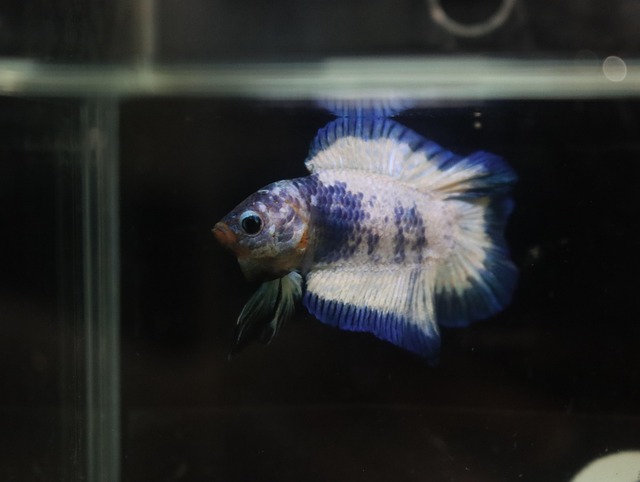
Betta fish are known for their intelligence and distinct personalities. Observing their behaviour is key to understanding their well-being. A happy, healthy betta is typically active, curious, and will flare its fins occasionally, especially when observing movement outside the tank or another betta (if housed separately). They will swim gracefully and explore their environment. Conversely, signs of stress or illness include lethargy, hiding constantly, clamped fins (fins held tightly against the body), loss of appetite, rapid breathing, or unusual spots or discoloration. A betta that spends most of its time at the bottom of the tank, or floats listlessly near the surface, may be experiencing swim bladder problems or poor water quality. Fin rot, a common ailment, appears as frayed or decaying fins. Male bettas are notorious for their territorial nature, especially towards other males. This is where the common name ‘Siamese fighting fish’ originates. They will flare their gills and fins at rivals. Female bettas can also be territorial, though generally less aggressively, and can sometimes be housed in sororities (groups of females) under specific conditions and with ample space, though this is advanced care and not recommended for beginners.
Navigating Tank Mates: Can Betta Fish Live with Others?
This is one of the most frequently asked questions regarding betta fish care, and the answer is nuanced. While some bettas can coexist peacefully with certain tank mates, many can’t. The success of introducing tank mates depends heavily on the individual betta’s temperament, the size and type of the aquarium, and the chosen companions. Generally, male bettas should never be housed with other male bettas or other male gouramis, as they will fight to the death. Female bettas can sometimes be housed together in groups of 5 or more in larger tanks (20 gallons+), known as a ‘sorority’, but this requires careful observation and management, as aggression can still occur. It’s crucial to have plenty of hiding places and to be prepared to remove any fish that shows signs of aggression or distress. For community tanks, consider peaceful, non-fin-nipping fish that inhabit different parts of the tank. Options might include small, schooling fish like neon tetras or corydoras catfish, but only in tanks of 10 gallons or larger, and introduce them after the betta has settled in. Snails and shrimp are also often kept with bettas, though bettas may sometimes prey on smaller shrimp. Always introduce new tank mates slowly and monitor interactions closely. If aggression is observed, separate the fish immediately.
Keeping Your Betta Healthy: Common Issues and Solutions
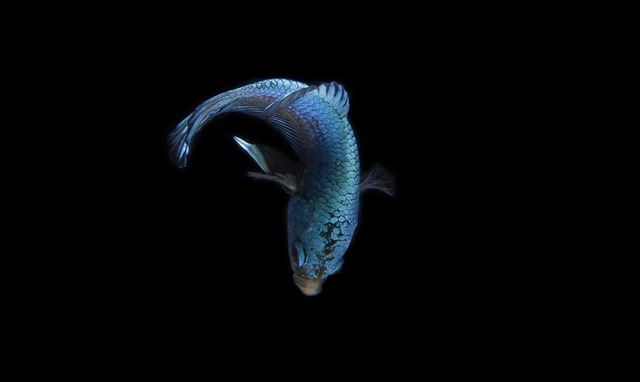
Preventing illness is always better than treating it. The best way to ensure your betta stays healthy is by maintaining excellent water quality through regular maintenance. This includes weekly partial water changes (20-25% of the tank volume) and using a water conditioner to remove chlorine and chloramines from new water. A properly cycled aquarium is fundamental to this. Common betta health issues include fin rot, ich (white spot disease), and swim bladder disorder. Fin rot is often caused by poor water quality or injury from sharp decor. It can be treated with improved water conditions and sometimes medication. Ich appears as tiny white salt-like spots on the fish and can be treated with increased temperature and specialised medication, but it requires careful dosing for bettas. Swim bladder disorder can manifest as difficulty swimming, floating upside down, or sinking. This is often related to overfeeding, constipation, or internal issues. Fasting your betta for a couple of days, followed by feeding a single, small, cooked, deshelled pea (which acts as a mild laxative), can sometimes resolve mild cases. For persistent issues, consult an aquatic veterinarian if possible. As of 2026, finding vets with specific aquatic expertise can still be challenging, highlighting the importance of preventative care.
Maximizing Your Betta’s Lifespan and Enjoyment
With proper care, a betta fish can live for 3–5 years, and sometimes even longer. This is a significant commitment, and it’s important to be prepared for it. The quality of life you provide directly impacts their longevity and well-being. A betta kept in optimal conditions will be more active, vibrant, and engaging. Regular observation, consistent maintenance, and a keen eye for subtle changes in behaviour or appearance are your best tools. Educating yourself, as you are doing now, is the first and most crucial step. Avoid impulse purchases and ensure you have all the necessary equipment set up and cycled before bringing your betta home. A prepared owner is a responsible owner.
Expert Insights for Betta Fish Keepers
In my years working with aquatic life, I’ve found that many betta owners overlook the importance of water flow. While bettas dislike strong currents, they still need water movement for oxygenation and waste removal. A gentle flow from a sponge filter or a baffled hang-on-back filter is ideal. Too little flow can lead to stagnant water conditions, promoting disease. Another tip is to introduce new foods gradually. Betas can be picky eaters, and a sudden diet change can cause digestive upset. If switching pellet brands or introducing new frozen foods, do so over several days. Also, consider a quarantine tank for any new fish or invertebrates before introducing them to your main betta tank. This prevents the potential spread of diseases to your established betta.
Frequently Asked Questions
How big should a betta fish tank be?
A minimum tank size of 5 gallons (around 19 litres) is recommended for a single betta fish. Betta fish provides adequate swimming space, allows for stable water parameters, and supports a healthier environment compared to smaller bowls or tanks.
What should I feed my betta fish?
Feed your betta fish high-quality, protein-rich betta pellets as their staple diet, typically 2–3 pellets once or twice daily. Supplement sparingly with treats like bloodworms or brine shrimp a couple of times a week.
Can betta fish live with other fish?
While some bettas can coexist with peaceful tank mates in larger tanks (10 gallons+), it requires careful selection and observation. Male bettas should never be housed together, and aggression can still occur with other species or females.
What temperature should the water be for a betta fish?
The ideal water temperature for betta fish is between 24-27°C (75-81°F). A reliable submersible heater is essential to maintain this stable temperature consistently, as bettas are tropical fish.
How often should I change the water in a betta fish tank?
Perform partial water changes of 20-25% weekly. Ensure the new water is dechlorinated and matches the tank’s temperature to avoid shocking your betta fish. Regular maintenance is key to preventing health issues.
What are signs of a sick betta fish?
Signs of a sick betta fish include lethargy, clamped fins, loss of appetite, hiding, unusual spots or discoloration, rapid breathing, or difficulty swimming. Promptly investigate and address poor water quality or other environmental factors.
Embrace the Betta Journey
Caring for a betta fish is a rewarding experience that, with the right knowledge and commitment, can bring years of enjoyment. By providing a spacious, heated, and filtered tank, a nutritious diet, and a keen eye for their behaviour, you can ensure your betta fish thrives in its aquatic kingdom. The most impactful takeaway is to move beyond the outdated notion of the betta bowl. Invest in a proper 5-gallon setup to give your betta the best possible chance at a long, vibrant, and healthy life. Information current as of July 2026; pricing and product details may change.
Related Articles
- Can Dogs Have Cantaloupe Safely in 2026? A Guide
- Russell Terrier Mix Dogs: What to Expect in 2026
- Homemade Dog Food Recipes Vet Approved: A 2026 Guide
Editorial Note: This article was researched and written by the Pet Magazine editorial team. We fact-check our content and update it regularly. For questions or corrections, contact us.
Last updated: September 3, 2026
Related read: Lion's Mane Rabbit: Breed Profile, Care, and Temperament 2026
Related read: White Cloud Mountain Minnow Care: The 2026 Essential Guide.
Related read: Ferrets for Sale: Your Guide to Welcoming a Playful Pet.