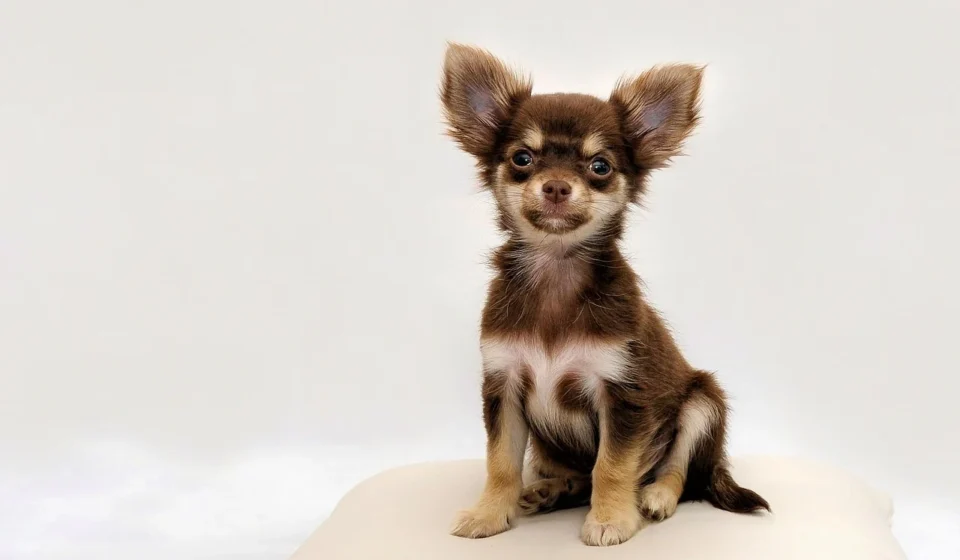
A full-grown Cavapoochon typically weighs between 4.5 to 9 kilograms (10 to 20 pounds) and stands approximately 25 to 35 centimeters (10 to 14 inches) tall at the shoulder. Most Cavapoochons reach their full adult size, in both height and weight, between 8 and 12 months of age.
This delightful designer breed is a triple cross between the Cavalier King Charles Spaniel, the Bichon Frise, and the Miniature or Toy Poodle. Their exact dimensions can vary based on factors like the size of their Poodle parent and genetics.
This article details their typical weight and height ranges, growth timeline, influencing factors, and what to expect regarding their appearance and practical care as adults.
What Exactly Is a Cavapoochon?
Before diving into their adult size, it’s helpful to understand what a Cavapoochon is. This delightful breed is a relatively new designer dog, a triple cross between the Cavalier King Charles Spaniel, the Bichon Frise, and the Miniature or Toy Poodle. The aim of this combination is to create a healthy, low-shedding, and charming companion dog with a wonderful temperament, often referred to as a ‘teddy bear dog’ due to their adorable appearance.
The Cavapoochon inherits traits from all three parent breeds, contributing to its generally friendly, intelligent, and affectionate nature. They are well-suited to various living situations, including flats, provided they receive adequate exercise and mental stimulation. Their popularity stems from their appealing looks and their reputation as excellent family pets.
How Big Does a Full-Grown Cavapoochon Get?
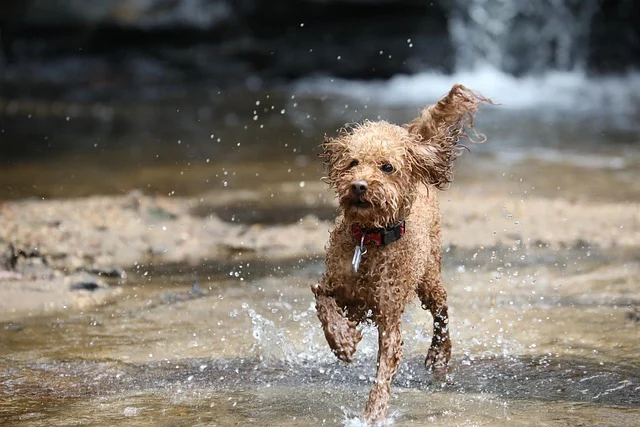
A full-grown Cavapoochon typically weighs between 4.5 to 9 kilograms (10 to 20 pounds) and stands approximately 25 to 35 centimeters (10 to 14 inches) tall at the shoulder. These measurements place them firmly in the small to medium-sized dog category, making them a manageable size for many households. Their exact dimensions can vary based on several factors, primarily the size of their Poodle parent, as Miniature Poodles are larger than Toy Poodles.
When considering a Cavapoochon, it’s important to remember that individual dogs will fall within this range, not necessarily at the exact middle. Some may be slightly smaller, particularly if their Poodle lineage is predominantly Toy. Others might lean towards the larger end if a Miniature Poodle was used in their breeding.
Typical Weight Range
Most Cavapoochons will reach an adult weight of between 4.5 kg and 9 kg. A healthy adult weight is influenced by genetics, diet, and exercise. You should always aim to keep your Cavapoochon within a healthy weight range. This prevents health issues associated with being overweight or underweight.
If you’re unsure if your Cavapoochon is at a healthy weight, you should be able to feel their ribs without seeing them, and they should have a visible waistline when viewed from above. Their tummy should also tuck up slightly when viewed from the side.
Typical Height Range
In terms of height, a full-grown Cavapoochon will usually measure 25 to 35 cm from the ground to the top of their shoulder (the withers). This compact size makes them suitable for homes with limited space, such as flats. They still require daily walks and playtime.
Their relatively short stature means they are easy to pick up and carry. This can be convenient for travel or navigating busy areas. However, despite their small size, they are not fragile and are generally quite solid and playful.
When Do Cavapoochons Reach Their Full Size?
Cavapoochons typically reach their full adult size, both in height and weight, between 8 and 12 months of age. While they may continue to fill out slightly and gain a bit more muscle or fat up to 18 months, the majority of their growth spurts will have concluded by their first birthday.
Smaller Cavapoochons, those bred from Toy Poodles, may reach their full size a little earlier, sometimes as early as 7 or 8 months. Larger Cavapoochons, leaning more towards Miniature Poodle sizing, might take closer to 10 to 12 months to stop growing vertically and horizontally.
Growth Milestones: What to Expect
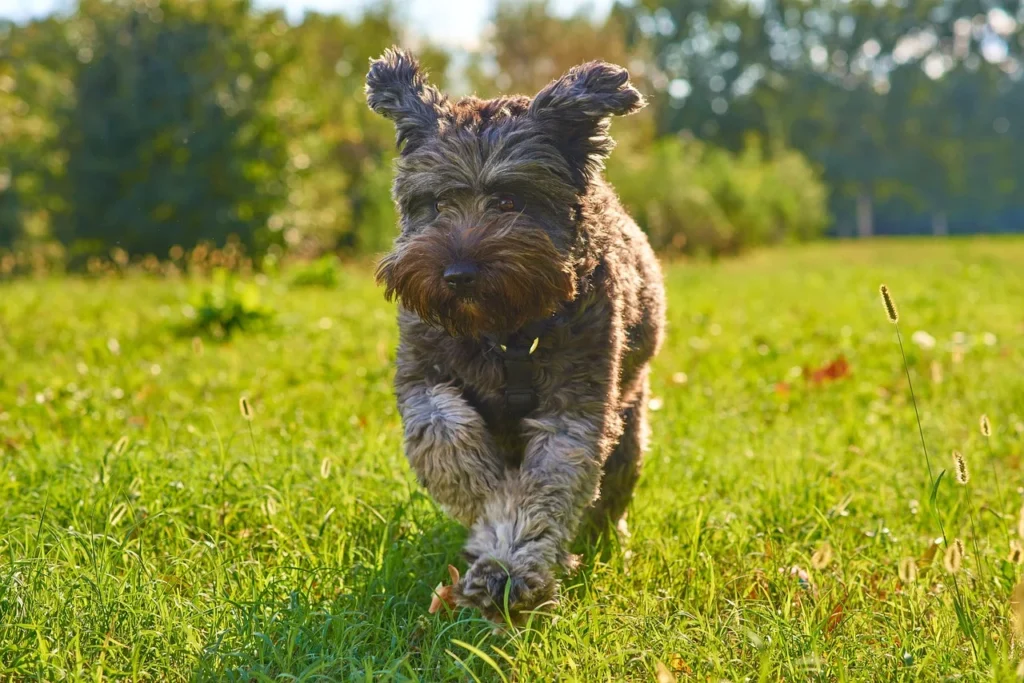
- 0-3 Months: Rapid growth. Puppies gain weight quickly and start to explore their environment.
- 3–6 Months: Continued steady growth. You’ll notice significant changes in height and length. They’ll start to look less like a tiny puppy and more like a miniature dog.
- 6-8 Months: Growth begins to slow down. Most Cavapoochons will be close to their adult height during this period, though they may still be quite lean.
- 8–12 Months: Reaching full height and filling out. By 12 months, most will have achieved their adult size. However, some may continue to add a small amount of weight or muscle density.
- 12-18 Months: Maturation. While physical growth largely stops, they continue to mature mentally and physically, developing into their adult personality.
Is My Cavapoochon Full Grown at 6 Months?
While a Cavapoochon at 6 months old will have completed a significant portion of their growth, they are generally not yet considered full grown. They will continue to grow in height for another couple of months and will also fill out, gaining more muscle mass and body condition, until they reach their final adult size around 8 to 12 months.
It’s important not to assume their final size based on their 6-month measurements alone. They still have a bit more developing to do.
Factors Influencing a Cavapoochon’s Adult Size
While there are typical ranges for a full-grown Cavapoochon, several factors can influence your individual dog’s final size:
- Genetics: This is the most significant factor. The size of the parent dogs, particularly the Poodle parent (Toy vs. Miniature), will have a direct impact on the size of the puppies. Reputable breeders can often give you an estimate based on the parents’ sizes.
- Nutrition: A balanced and appropriate diet during puppyhood is crucial for healthy growth. Overfeeding can lead to rapid growth and potential joint problems, while underfeeding can stunt growth. We always recommend following the feeding guidelines provided by your vet or the dog food manufacturer.
- Gender: Male Cavapoochons tend to be slightly larger and heavier than females. The difference is usually not dramatic within this breed.
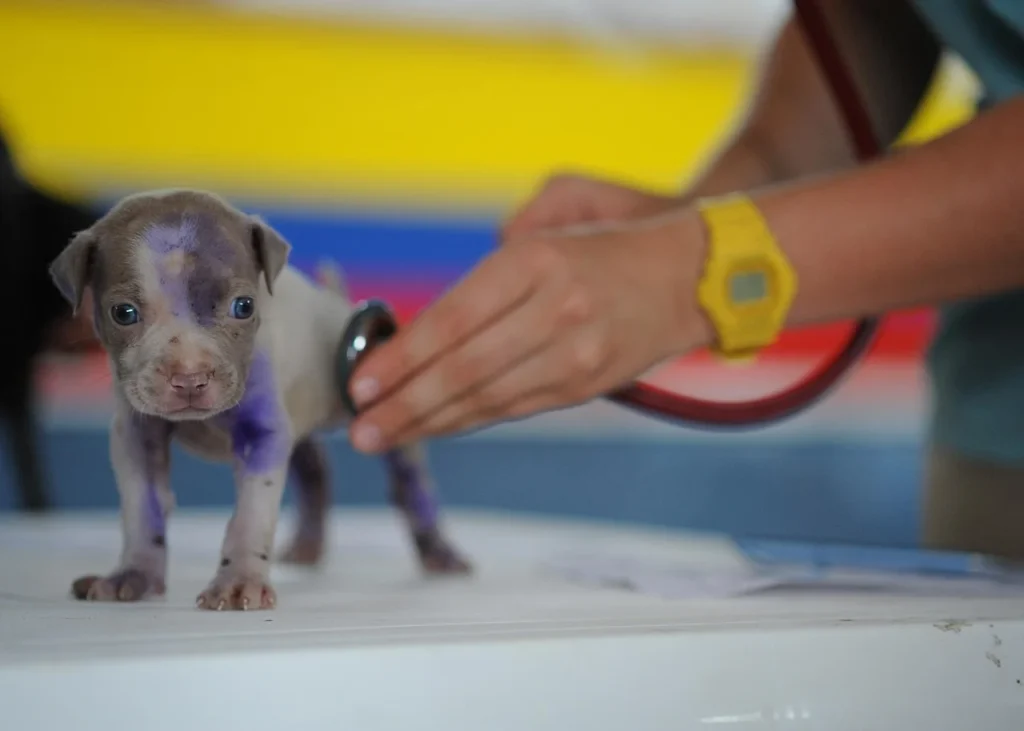
- Health: Any significant health issues or illnesses during a puppy’s developmental stages could potentially impact their growth. Regular vet check-ups are important to ensure your puppy is developing correctly.
Understanding the Cavapoochon’s Parent Breeds and Size
The Cavapoochon’s size is a direct reflection of its lineage. Each parent breed contributes to the overall genetic makeup that determines the puppy’s eventual adult dimensions:
- Cavalier King Charles Spaniel: These are small dogs, typically weighing 5.9-8.2 kg (13-18 lbs) and standing 30-33 cm (12–13 inches) tall. They contribute to the Cavapoochon’s compact size and affectionate nature.
- Bichon Frise: Also a small breed, Bichons usually weigh 5.4-8.2 kg (12-18 lbs) and stand 23-30 cm (9–12 inches) tall. They are known for their fluffy white coats and cheerful disposition.
- Poodle (Toy or Miniature): This is where the main size variation comes in. A Toy Poodle weighs 1.8-2.7 kg (4-6 lbs) and stands under 25 cm (10 inches). A Miniature Poodle weighs 4.5-6.8 kg (10-15 lbs) and stands 25-38 cm (10-15 inches). The choice of Poodle size for breeding significantly influences whether the Cavapoochon will be on the smaller or slightly larger end of the spectrum.
Breeders often aim for a consistent size, but due to the genetic mix, there can be natural variations even within the same litter. If you have specific size preferences, discussing the parent dogs’ sizes with the breeder is a wise step.
What to Expect from a Full-Grown Cavapoochon’s Appearance
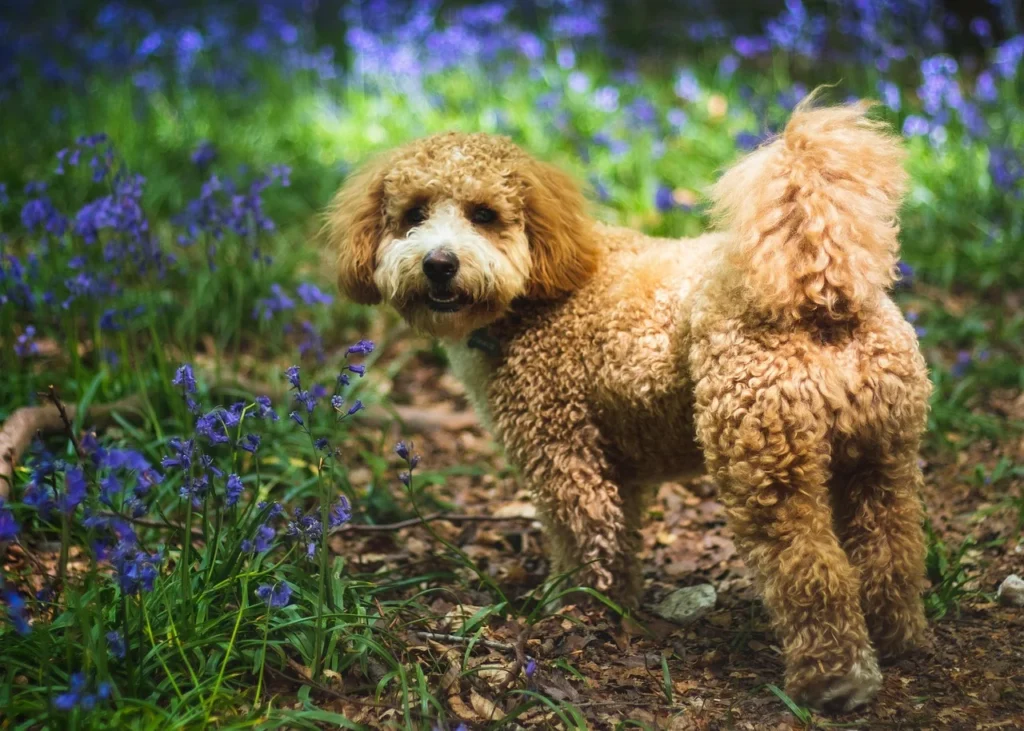
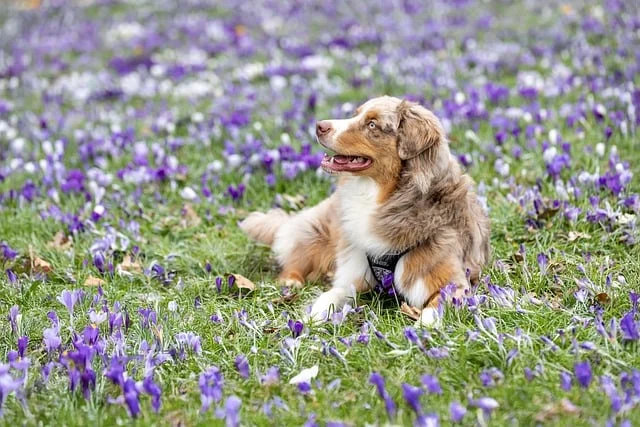
Beyond size, a full-grown Cavapoochon has a distinct appearance that makes them so popular. Their coat is typically soft, wavy to curly, and low-shedding, often inheriting the Poodle’s hypoallergenic qualities. Common coat colours include apricot, cream, red, black, and various bicolor or tricolor combinations, much like their Cavalier King Charles Spaniel ancestors.
They generally have a round, expressive face with large, dark eyes and floppy ears, giving them that signature ‘teddy bear’ look. Their build is sturdy yet delicate, reflecting the balanced traits of their parent breeds. Even if you see a Cavapoochon that is black or black and white, their coat colour does not influence their adult size or weight; it is purely an aesthetic trait inherited from their genetics.
Living with a Full-Grown Cavapoochon: Practical Considerations
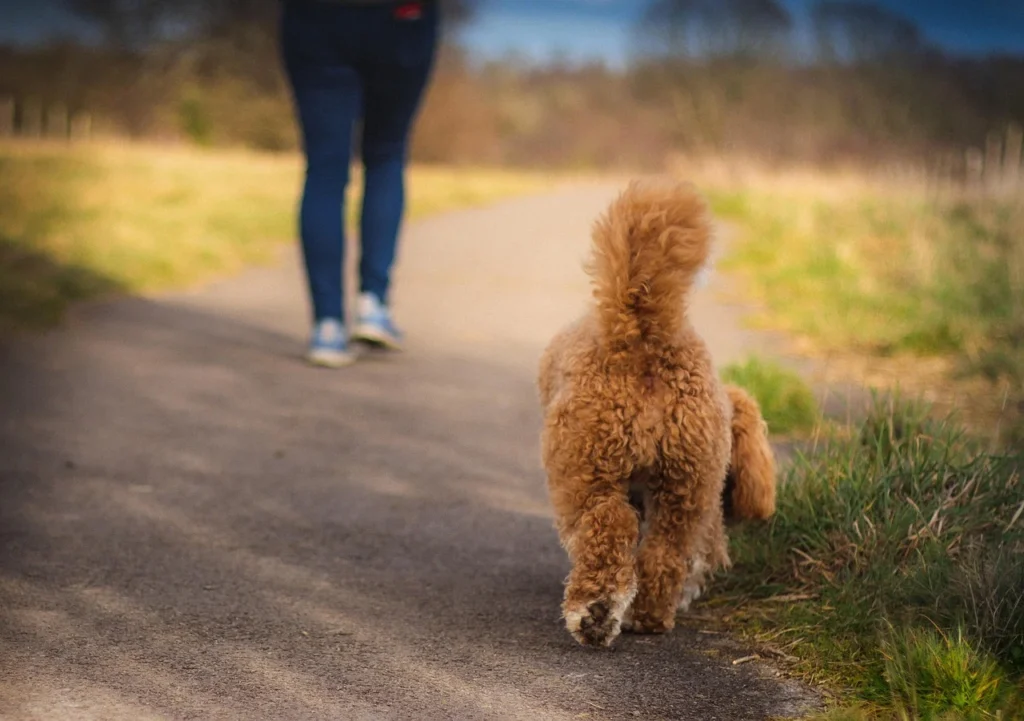
Knowing your Cavapoochon’s adult size helps you prepare for their needs throughout their life. Their compact size means they don’t require vast amounts of space, but they still thrive on activity and interaction.
- Exercise Needs: A full-grown Cavapoochon needs at least 30-60 minutes of daily exercise, split into a couple of walks or playtime sessions. Their intelligence also means they benefit from mental stimulation through training and puzzle toys.
- Grooming: Due to their low-shedding, often curly coat, Cavapoochons require regular grooming to prevent matting. This typically involves brushing several times a week and professional grooming every 6-8 weeks for a trim.
- Training: Cavapoochons are intelligent and eager to please, making them generally easy to train. Early socialization and positive reinforcement training are key to developing a well-behaved adult dog.
- Health Considerations: Like all breeds, Cavapoochons can be prone to certain genetic health conditions inherited from their parent breeds. These can include patellar luxation, eye conditions, and heart issues. Choosing a reputable breeder who screens their dogs is crucial.
Ultimately, a full-grown Cavapoochon is a delightful companion dog that brings joy and affection into a home. Understanding their typical size and growth pattern allows you to set realistic expectations and provide the best care for your furry friend.
Frequently Asked Questions
How long do Cavapoochons live?
Cavapoochons typically have a lifespan of 10 to 15 years. Their mixed breed heritage often contributes to a phenomenon known as hybrid vigor, which can result in a healthier and longer life compared to some purebred dogs.
Do Cavapoochons need a lot of exercise?
While they are not high-energy dogs, full-grown Cavapoochons do require regular exercise. We advise aiming for at least 30-60 minutes of activity daily, which can include walks, playtime in the garden, or indoor games to keep them physically and mentally stimulated.
Are Cavapoochons good for first-time dog owners?
Yes, Cavapoochons are often considered an excellent choice for first-time dog owners due to their adaptable nature, intelligence, and eagerness to please. Their manageable size and generally friendly temperament make them relatively easy to train and integrate into a household.