When you are enjoying a plate of baked beans, you naturally wonder if your beloved canine companion can share in the treat. However, it is important to state that dogs should not eat baked beans. This popular human food contains ingredients that are harmful and potentially toxic to dogs. This makes it an unsuitable and risky choice for their diet.
While a tiny, accidental lick might not cause immediate severe issues, you should strongly discourage intentionally feeding baked beans to your dog. High levels of sugar, salt, and preservatives cause the primary concerns. Common flavourings like onion and garlic powder are also toxic to canines.
Why Can’t Dogs Eat Baked Beans? Understanding the Risks
The main reason dogs cannot eat baked beans comes down to their ingredients. Most commercial baked bean products are packed with components that are either detrimental to canine health or outright toxic. Understanding these risks is crucial for keeping your dog safe and healthy.
High Sugar Content
Many baked bean recipes, especially those in tomato sauce, contain significant amounts of added sugar. These include brown sugar, corn syrup, or molasses. While a small amount of sugar might not be immediately dangerous, regular consumption can lead to several health problems for dogs. These include weight gain, which can progress to obesity. This increases the risk of joint problems, heart disease, and diabetes. We advise against any food that contributes unnecessarily to a dog’s sugar intake.
Excessive Sodium (Salt)
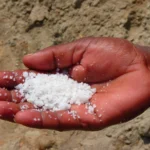
Baked beans are also typically high in sodium. Dogs require some sodium in their diet. However, excessive amounts can lead to sodium ion poisoning, especially if they do not have access to enough fresh water. Symptoms of too much salt can include increased thirst, frequent urination, vomiting, diarrhoea, lethargy, and tremors. In severe cases, they can experience seizures or even death. Even smaller, consistent intakes can contribute to kidney problems and high blood pressure over time.
Potentially Toxic Ingredients: Onion and Garlic Powder
Perhaps the most concerning aspect of baked beans for dogs is the presence of onion and garlic. Many brands use onion powder and garlic powder as flavour enhancers. All members of the Allium family (onions, garlic, chives, leeks) are toxic to dogs. These ingredients contain compounds that can damage a dog’s red blood cells. This leads to a condition called haemolytic anemia. Symptoms can include weakness, lethargy, pale gums, increased heart rate, and difficulty breathing. Even small amounts can be harmful. The effects can be cumulative, meaning repeated exposure to small doses can eventually cause illness.
Preservatives and Artificial Additives
Commercial baked beans often contain various preservatives, artificial colours, and flavourings. While these might be deemed safe for human consumption, their effects on dogs are not well-studied. They can sometimes trigger allergic reactions or digestive upset in sensitive pets. We always recommend sticking to whole, unprocessed foods for dogs whenever possible to avoid such additives.
Digestive Upset and Flatulence
Beans themselves, even plain ones, can be difficult for dogs to digest. This is due to their high fibre content and complex carbohydrates. While fibre is generally good, a sudden influx or too much can lead to gastrointestinal upset. This includes gas, bloating, stomach pain, vomiting, and diarrhoea. Dogs’ digestive systems are not designed to process large quantities of legumes in the same way humans can.
Can Dogs Eat Baked Beans in Tomato Sauce?
No, dogs cannot eat baked beans in tomato sauce. In fact, this is often the most common and problematic form of baked beans for dogs. The tomato sauce itself is usually the carrier for many of the harmful ingredients already mentioned: high sugar content, excessive sodium, and those dangerous onion and garlic powders. While ripe tomatoes themselves are generally safe for dogs in moderation, the processed sauce is a different matter entirely.

Even if a specific brand claims ‘no added onion or garlic’, the sugar and salt levels alone make them an unhealthy choice. Many sauces also contain other spices or artificial ingredients that are best avoided in a dog’s diet. It is never worth the risk to offer your dog baked beans straight from the can or cooked, regardless of the brand or specific sauce formulation.
Can Dogs Eat Baked Beans Without Sauce?
Technically, plain cooked beans (like navy beans or haricot beans, which are the type used in baked beans) without any added ingredients are not toxic to dogs. However, feeding them is still not recommended. As mentioned, beans are high in fibre and complex carbohydrates. These can cause significant digestive upset, including gas, bloating, and diarrhoea, especially if a dog is not used to them.
Also, preparing plain beans for a dog requires soaking and cooking them thoroughly without any seasonings whatsoever. This is a time-consuming process, and the potential for digestive upset still remains. Given the availability of many other safe and healthier human foods that dogs can enjoy, it is simply not worth the effort or the risk of an upset stomach.
What About Baked Beans with Brown Sugar or Other Sweeteners?
Baked beans with brown sugar, molasses, or other sweeteners are even more problematic for dogs. The added sugars significantly increase the risk of weight gain, dental problems, and potentially diabetes over time. Some sugar substitutes, such as xylitol (birch sugar), are highly toxic to dogs. They cause a rapid drop in blood sugar and liver failure. While xylitol is not typically found in traditional baked beans, you must always check ingredient labels if you ever consider sharing any human food with your pet.

Even without xylitol, the high sugar content from brown sugar or other syrups is simply unhealthy for dogs. It provides no nutritional benefit that outweighs the risks. Their digestive systems are not designed to handle such concentrated sweetness.
Can Dogs Eat Baked Beans and Rice?
While plain, cooked white or brown rice is generally safe and often recommended for dogs with an upset stomach, combining it with baked beans does not make the beans any safer. The harmful ingredients in the baked beans (sugar, salt, onion/garlic powder) remain just as dangerous. This is regardless of what you mix them with. Adding rice will dilute the concentration of these ingredients slightly, but it will not neutralize their toxic or detrimental effects.

If your dog has eaten a small amount of baked beans mixed with rice, the immediate risk might be slightly lower than consuming pure beans, but you should still monitor them closely for any signs of illness. It is far better to offer plain rice as a bland food option or mix it with dog-appropriate, healthy additions.
What Should I Do If My Dog Eats Baked Beans?
If your dog has accidentally eaten a small amount of baked beans, do not panic immediately. The severity of the reaction will depend on several factors: the amount consumed, the specific ingredients in the beans, your dog’s size, and their individual sensitivity. Here is what we advise you to do:

-
- Assess the Quantity: Try to determine how much your dog ate. A tiny lick from a plate is far less concerning than an entire bowl.
- Check Ingredients: If possible, check the ingredient list of the specific baked beans consumed. Look for onion powder, garlic powder, and xylitol (though unlikely in beans, it is always good to check any human food).
- Monitor for Symptoms: Watch your dog closely for any signs of illness over the next 12–72 hours. Symptoms to look out for include vomiting, diarrhoea, lethargy, loss of appetite, increased thirst, increased urination, abdominal pain, or pale gums.
- Contact Your Vet: Even if your dog seems fine, we recommend calling your veterinary practice. Do this especially if they ate a significant amount or if the beans contained onion or garlic powder. Also call if your dog is small or has pre-existing health conditions. Your vet can provide tailored advice based on your dog’s specific situation. They may recommend bringing them in for an examination or inducing vomiting if appropriate.
- Provide Fresh Water: Ensure your dog has access to plenty of fresh water to help flush out any excess sodium.
Never try to induce vomiting at home without veterinary guidance, as it can sometimes do more harm than good.
Safe Alternatives to Baked Beans for Your Dog
If you want to share a treat with your dog, there are many safe and healthy human foods that make excellent alternatives to baked beans. These options provide nutrients without the risks of harmful ingredients:
-
-
- Plain Cooked Green Beans: These are a fantastic, healthy snack. They are low in calories, high in fibre, and dogs usually love them. Ensure they are cooked plain, without any salt, butter, or seasonings.
- Carrots: Crunchy and sweet, carrots are great for dental health and a good source of vitamins.
- Apples: Remove the core and seeds (which contain cyanide) and offer apple slices as a refreshing treat.
- Blueberries: These small berries are packed with antioxidants and make a perfect snack in moderation.
- Cooked Sweet Potato: Plain, cooked sweet potato (without any butter or sugar) is a nutritious and easily digestible option. For example, Can Dogs Eat Sweet Potato? Safe Preparation and Health Risks for more on sweet potatoes.
- Plain Cooked Chicken or Turkey: Small pieces of lean, cooked, unseasoned chicken or turkey are excellent sources of protein.
-

Always introduce new foods in small quantities to see how your dog reacts. Ensure they are prepared simply without any added salt, sugar, oils, or spices. These alternatives allow you to bond with your pet over shared snacks without compromising their health.
Sources: Hot dog variations
Frequently asked questions
Can dogs eat Heinz baked beans?
No, dogs cannot eat Heinz baked beans. Like most commercial brands, Heinz baked beans contain high levels of sugar and salt, and often include onion and garlic powder, which are toxic to dogs and can cause serious health issues.
Can dogs eat baked beans as a one-off treat?
Even as a one-off treat, we strongly advise against feeding baked beans to your dog. The ingredients like onion and garlic powder can be harmful even in small quantities, and the high sugar and salt content offer no nutritional benefit while posing unnecessary risks.
What are the symptoms of onion or garlic poisoning in dogs?
Symptoms of onion or garlic poisoning in dogs can include vomiting, diarrhoea, lethargy, weakness, pale gums, increased heart rate, rapid breathing, and a reduced appetite. These signs may not appear immediately but can develop within 24 to 72 hours after ingestion.
Are there any types of beans that are safe for dogs?
Yes, plain, cooked green beans are generally safe and healthy for dogs. Other plain, thoroughly cooked beans like kidney beans, black beans, or pinto beans can also be offered in very small quantities, but always without any seasoning, salt, sugar, or other additives, and only after ensuring they are fully cooked to prevent digestive upset.