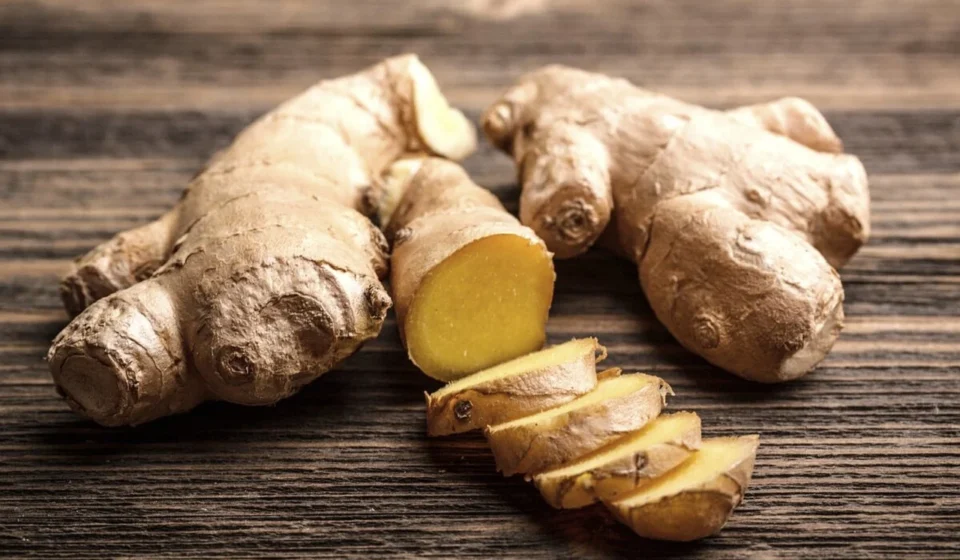
Dogs should not eat commercial ginger biscuits, including popular varieties like ginger nuts. While small amounts of plain ginger root are generally non-toxic and can offer health benefits, processed biscuits contain high levels of sugar, fat, and potentially harmful spices like nutmeg, which can lead to digestive upset, pancreatitis, or toxic reactions in dogs.
Many dog owners wonder whether sharing a ginger nut biscuit can help settle a pet’s upset stomach, particularly before a long car journey. The natural anti-nausea properties of ginger root are well known. However, baking that ginger into a human biscuit changes its safety profile entirely. The secondary ingredients used in commercial bakery products pose genuine risks to canine health that far outweigh any mild digestive benefit ginger might provide.
Can dogs eat ginger biscuits, ginger nuts, or ginger cookies?
Dogs must avoid all commercial ginger biscuits. They also should not eat ginger nuts, gingerbread, or ginger snaps. These human treats contain harmful ingredients for dogs. High sugar and fat content are major issues. Spices and artificial additives are also unsafe. So, when considering if can dogs eat ginger biscuits, the answer is no.
Why commercial ginger biscuits are unsuitable for dogs
Commercial ginger biscuits, like McVitie’s Ginger Nuts, are for humans. Manufacturers make them for human taste and digestion. They contain refined carbohydrates, saturated fats, and seasonings. These ingredients do not suit canine physiology. When asking if dogs can eat ginger biscuits, remember these facts.
Understanding what goes into a standard store-bought ginger biscuit illustrates why keeping them out of your dog’s diet is crucial:
- Refined sugar and golden syrup: A single commercial ginger nut often contains upwards of 3 to 4 grams of sugar. However, dogs do not process simple sugars efficiently. Regular ingestion leads to rapid spikes in blood glucose, dental decay, systemic inflammation, and weight gain. Over time, a diet high in sugar can contribute to obesity and increase the risk of diabetes in dogs, similar to humans.
- Nutmeg and mixed spice blends: Many commercial recipes supplement ginger powder with ground nutmeg or mixed spice to deepen the flavour. Nutmeg contains a naturally occurring compound called myristicin, which is toxic to dogs in moderate to large quantities. This can trigger neurological symptoms. Even small amounts can cause stomach upset, while larger ingestions may lead to hallucinations, disorientation, increased heart rate, and seizures.
- High fat content and shortenings: Vegetable oils, palm oil, and butter make up a substantial portion of biscuit dough. Concentrated doses of dietary fat can irritate the stomach lining and trigger acute pancreatitis, a painful and potentially life-threatening inflammation of the pancreas. Dogs are particularly susceptible to pancreatitis when consuming fatty foods they are not accustomed to.
- Excessive sodium: Raising agents such as sodium bicarbonate (baking soda) elevate the salt content of commercial biscuits. Small dogs are particularly sensitive to sudden increases in sodium intake, which can lead to sodium ion poisoning, causing symptoms like vomiting, diarrhea, tremors, and seizures.
- Xylitol (E967): Although less common in standard sugar-based biscuits, sugar-free or reduced-calorie ginger biscuits may contain xylitol. Xylitol triggers a rapid, massive release of insulin in dogs, causing severe hypoglycaemia (low blood sugar) and acute liver damage. Even a small amount of xylitol can be fatal to dogs, making it one of the most dangerous ingredients to watch out for.
Are ginger nuts bad for dogs?
Ginger nuts harm dogs. They contain much sugar, fat, and nutmeg. McVitie’s Ginger Nuts, a UK brand, holds golden syrup, sugar, and spices. These harm dogs. A tiny nibble might not harm a large dog much. Regular consumption or a larger amount causes health problems. These include digestive upset, pancreatitis, and neurological issues from nutmeg. It is safer to avoid feeding ginger nuts. Many wonder, “can dogs eat ginger biscuits?” The answer is no.
Raw ginger root versus commercial ginger biscuits
The distinction between raw, unprocessed ginger root (Zingiber officinale) and a processed ginger biscuit is substantial. The culinary processing converts a functional botanical root into a high-calorie, ultra-processed confection.
| Nutritional Criteria | Raw Ginger Root (per 5g serving) | Commercial Ginger Biscuit (1 biscuit, ~15g) |
|---|---|---|
| Refined Sugar | 0g | 3.5g – 5.0g |
| Fat Content | 0.04g | 2.0g – 3.5g |
| Toxic Spice Risk | None (pure ginger) | Moderate (frequently contains nutmeg) |
| Xylitol Risk | Zero | Possible in sugar-free varieties |
| Therapeutic Value | High (gingerols soothe gastric motion) | Negated by sugar and fat load |
Raw ginger root has gingerols and shoals. These compounds help the gut. They block serotonin receptors. This reduces nausea. Commercial biscuits, however, have little processed ginger. It’s diluted by flour, fat, and sugar. This makes medicinal value negligible. It also adds dietary risks. This is true for questions like “can dogs eat ginger biscuits”.
Can ginger help a dog with motion sickness?
Ginger genuinely helps dogs with travel sickness or mild nausea. The vehicle for ginger matters. Asking “can dogs eat ginger biscuits” before a car ride is counterproductive. High fat and sugar content slows gastric emptying. It also causes stomach acid to rise. This often worsens car sickness, it does not prevent it.
For a dog’s upset stomach, pure, raw ginger root is best. Plain ground ginger powder also works. Avoid baked goods if you are asking ‘can dogs eat ginger biscuits?’. The PDSA confirms ginger is a natural anti-emetic. It works well when correctly dosed.
How to safely give raw ginger to your dog
If your veterinarian approves the use of ginger for your dog’s travel anxiety or mild gastrointestinal discomfort, prepare raw ginger using these steps:
- Peel the tough outer brown skin from a fresh ginger root using the edge of a spoon.
- Finely grate or mince the yellow inner flesh so there are no tough stringy pieces that could present a choking hazard.
- Measure a tiny dose based on your dog’s weight. As a general guideline, offer no more than 1/16 of a teaspoon of grated ginger for small dogs under 10kg. Offer up to 1/4 of a teaspoon for large dogs over 25kg.
- Mix the minced ginger thoroughly into a small portion of plain, unseasoned boiled chicken or plain cooked white rice. This helps to disguise the strong taste and ensures proper ingestion.
- Offer this small meal 30 minutes prior to travel to allow the active gingerols time to settle the gastric lining.
Always introduce any new botanical ingredient gradually. Monitor your dog for 24 hours to ensure they do not experience an allergic response or unexpected stomach irritation, such as increased vomiting or diarrhea.
What happens if your dog accidentally eats a ginger biscuit?
Accidents happen quickly in the kitchen. If your dog snaps up a ginger biscuit dropped on the floor, your reaction should depend on the dog’s size, the quantity eaten, and the specific ingredients listed on the biscuit package.
Scenario 1: A large dog eats a single standard ginger biscuit
If a medium or large dog eats one standard sugar-based ginger nut, severe toxicity is unlikely. Mild gastrointestinal upset may occur. This could be temporary loose stools or a single bout of vomiting. These issues are due to the sudden influx of rich fat and sugar. Ensure fresh drinking water is available. Feed plain meals for the next 24 hours. Monitor them closely for any worsening symptoms. This information helps answer ‘can dogs eat ginger biscuits’.
Scenario 2: A small dog or an entire packet consumed
If a toy breed eats a full biscuit, or if a dog of any size consumes multiple biscuits or an entire packet of McVitie’s, the risk of acute pancreatitis and spice toxicity rises significantly. Take the following direct actions:
- Check the ingredient list: Look specifically for nutmeg, mixed spice, allspice, raisins, macadamia nuts, or artificial sweeteners like xylitol (E967). These ingredients can cause severe reactions even in small amounts.
- Calculate the intake: Note how many biscuits are missing and check the box weight to give your vet an accurate estimate of consumption. This information is crucial for determining the level of risk and appropriate treatment.
- Do not induce vomiting at home: Inducing vomiting without professional guidance can lead to dangerous chemical aspiration or throat irritation. Therefore, it’s best left to a veterinary professional if deemed necessary.
- Contact a professional: Call your local veterinary surgery immediately. Alternatively, contact the Veterinary Poisons Information Service (VPIS) for tailored guidance on spice and xylitol risks. Be prepared to provide the ingredient list and estimated quantity consumed.
Symptoms of nutmeg and myristicin toxicity
Because nutmeg is frequently blended into commercial ginger biscuit recipes, it is essential to recognize the signs of myristicin poisoning. Symptoms typically manifest within 3 to 8 hours of ingestion and can include:
- Severe abdominal cramps and painful bloating
- Disorientation, agitation, or sudden drowsiness
- Increased heart rate (tachycardia) and elevated blood pressure
- Dry mouth and excessive thirst
- Muscle tremors, loss of coordination, or seizures in severe cases
If you notice any of these neurological or cardiovascular signs after your dog consumes baked goods, seek emergency veterinary care without delay. Prompt treatment can significantly improve the outcome.
Can puppies eat ginger biscuits?
Puppies should not eat ginger biscuits. Their digestive systems are sensitive. Sugar, fat, and spices are harmful to them. A single biscuit delivers a high dose of problematic ingredients. This increases risk of severe gastrointestinal upset. Pancreatitis or toxicity from nutmeg or xylitol can occur. Always keep commercial baked goods out of a puppy’s reach. Regarding whether can dogs eat ginger biscuits, the answer for puppies is no.
When ginger should be completely avoided
Even pure, raw ginger is not suitable for every dog. There are specific medical conditions and pharmaceutical treatments where ginger is strictly contraindicated:
- Dogs taking anticoagulant medication: Ginger naturally thins the blood by inhibiting platelet aggregation. Because of this, combining ginger with veterinary anti-inflammatories or blood thinners increases the risk of internal bleeding.
- Dogs scheduled for surgery: Due to its blood-thinning properties, ginger must be completely removed from your dog’s diet at least two weeks before any planned surgical or dental procedure to minimize bleeding risks.
- Dogs with gallbladder disease: Ginger stimulates the production and secretion of bile. If your dog has gallstones or biliary obstruction, added bile flow can precipitate a painful blockage or worsen their condition.
- Dogs with severe cardiac conditions: High doses of ginger can lower blood pressure and alter heart rate, which may interfere with cardiac medications and potentially exacerbate existing heart problems.
- Pregnant bitches: Ginger can stimulate uterine contractions if administered in high concentrations during pregnancy. It is best to avoid ginger entirely during gestation unless specifically advised by a veterinarian.
Safe homemade ginger treats for dogs
If you want your pet to enjoy the warmth and digestive benefits of ginger without exposing them to commercial baking hazards, you can easily bake safe canine treats at home. This recipe excludes all sugar, salt, butter, nutmeg, and artificial additives.
Ingredients required
- 200g oat flour (or finely ground rolled oats)
- 1/2 teaspoon pure ground ginger powder (verify pure Zingiber officinale with no added spices)
- 1 tablespoon melted coconut oil
- 2–3 tablespoons cool water (as needed to bind)
- 1/4 cup unsweetened applesauce (ensure no xylitol)
Baking method
- Preheat your oven to 175°C (160°C fan) and line a baking tray with greaseproof paper.
- In a mixing bowl, combine the oat flour and pure ground ginger.
- Add the unsweetened applesauce and melted coconut oil, stirring until a firm dough forms. Add a tablespoon of water if the mix feels too dry, until the dough comes together.
- First, roll the dough out to approximately 5mm thickness on a surface lightly dusted with oat flour. Next, cut into small, bite-sized shapes suitable for your dog’s size using a cookie cutter or knife.
- Place the shapes on the baking tray and bake for 20 to 25 minutes until firm and lightly golden. The baking time may vary slightly depending on the thickness of your treats.
- Remove from the oven and allow the treats to cool completely on a wire rack before serving. Store in an airtight container for up to one week at room temperature, or freeze for longer storage.
Related guides
- Can Dogs Eat Sesame Seeds? Safe Feeding Guide and Risks
- Kefir Milk for Dogs: Benefits, Risks & Safe Use
- Can You Give Your Dog Canine Benadryl? Safe Dosing and Risks
Sources: Dogs of the Australasian Antarctic Expedition, Can Dogs Eat Ginger?

Frequently asked questions
Can one ginger biscuit kill a dog?
A single standard ginger biscuit is extremely unlikely to be fatal to a medium or large dog, though it can cause stomach upset. However, if the biscuit contains xylitol or if a tiny toy breed consumes a biscuit heavy in nutmeg, it can cause severe medical complications requiring emergency veterinary care.
Are McVitie’s Ginger Nuts safe for dogs?
No, McVitie’s Ginger Nuts are not safe for dogs. They contain high amounts of refined sugar, golden syrup, and fat, alongside mixed spices that can irritate a dog’s digestive system and trigger pancreatitis.
Can ginger biscuits help a dog with diarrhoea?
No, ginger biscuits will not fix diarrhoea and will likely make it worse. The rich fats and high sugar levels in commercial biscuits pull water into the digestive tract, exacerbating loose stools and causing further intestinal distress.
How much raw ginger can I give my dog for car sickness?
For car sickness, offer plain minced fresh ginger root mixed into a small spoonful of food. Give no more than 1/16 of a teaspoon for small dogs under 10kg, and up to 1/4 of a teaspoon for large dogs over 25kg, approximately 30 minutes before travelling.
What are safe alternatives to ginger biscuits for dogs?
Instead of ginger biscuits, offer your dog plain, unsweetened homemade ginger treats made with dog-safe ingredients like oat flour and pure ginger powder, or a small piece of fresh, raw ginger root mixed into their food for digestive benefits. Always ensure any homemade treat avoids sugar, xylitol, and harmful spices.