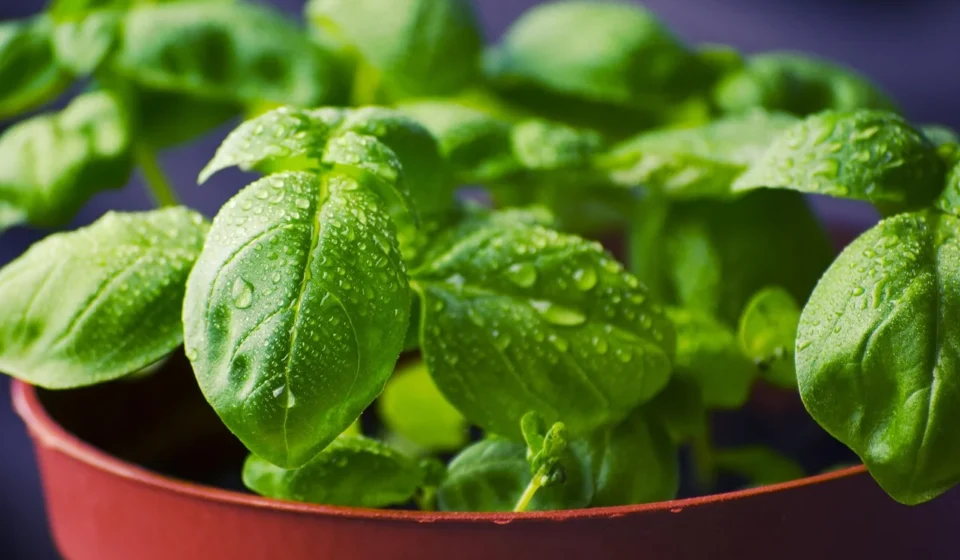
Yes, dogs can safely eat basil in small, controlled amounts. Fresh and dried basil are non-toxic to canines. They offer a handful of beneficial vitamins, minerals, and antioxidants. However, basil should only serve as an occasional food topper or treat. Consuming large quantities can cause mild digestive upset.
While herbs like basil can add variety and subtle nutritional value to your dog’s bowl, feeding them requires a basic understanding of safe preparation, correct portioning, and potential hazards hidden in human dishes like pesto. We always recommend evaluating any new plant addition to your dog’s diet through the lens of safety and digestibility.
What nutritional benefits does basil offer to dogs?
Basil is more than a fragrant kitchen herb. It has active compounds. These support general health. Dogs can eat basil in moderation. Your dog needs a complete, balanced dog food. This provides most nutrients. Adding a pinch of fresh basil offers plant-based nutrients.
- Antioxidants: Basil is rich in antioxidants such as beta-carotene, lutein, and zeaxanthin. These compounds help neutralize free radicals, reducing oxidative stress and supporting cellular health across all life stages.
- Vitamin K: Vitamin K is essential for proper blood clotting and bone health. Also, leafy green herbs like basil contain abundant Vitamin K.
- Anti-inflammatory properties: Fresh basil contains essential oils. For example, eugenol exhibits natural anti-inflammatory qualities. This can offer mild support for joint comfort in older dogs.
- Vitamin A and C: These vitamins support immune function, vision health, and skin integrity. However, dogs produce their own Vitamin C internally.
- Anxiety reduction: Some herbalists note that the aromatic compounds in sweet basil can exert a subtle calming effect on mildly stressed animals, though this should not replace formal behavioral therapy.
You must maintain realistic expectations. A sprinkle of chopped leaves will not cure joint stiffness or severe anxiety. However, as part of a varied diet, basil is a wholesome addition.
Which varieties of basil are safe for dogs?
Not all basil plants share the exact same chemical profile, though the common culinary varieties found in supermarkets and home gardens are generally safe for canine consumption.
| Basil Variety | Safety Status | Key Characteristics & Advice |
|---|---|---|
| Sweet Basil (Ocimum basilicum) | Safe | The standard culinary basil. Mild, sweet flavor that most dogs tolerate well in tiny amounts. |
| Thai Basil (Ocimum basilicum var. thyrsiflora) | Safe in moderation | Stronger licorice or aniseed aroma. Perfectly non-toxic, but the potent essential oils may repel fussy dogs. |
| Holy Basil / Tulsi (Ocimum tenuiflorum) | Safe with caution | Often used in adaptogenic teas. Fresh leaves are fine, but avoid concentrated medicinal tinctures or extracts. |
| Lemon or Lime Basil | Safe in moderation | Contains naturally occurring citrus-scented terpenes. Safe, though some dogs dislike the citrus aroma. |
Fresh vs dried basil: which is better for dogs?
Both fresh and dried basil are safe for dogs, but they differ significantly in concentration and preparation needs.
Fresh basil leaves contain high levels of moisture, active enzymes, and fresh chlorophyll. They are easier on a dog’s digestive tract when finely chopped. The aroma is inviting to many dogs, and the raw leaves retain their full antioxidant profile.
Dried basil is more concentrated. Moisture removal intensifies essential oils and flavors. So, if you use dried basil, halve the serving size compared to fresh. For the question of can dogs eat basil, always ensure store-bought dried basil has no added preservatives. Check for no anti-caking agents. Make sure there are no mixed spices like onion or garlic powder.
Why pesto is dangerous for your dog
While fresh basil leaves are perfectly safe, popular culinary preparations featuring basil can be exceptionally hazardous to dogs. Pesto is the most common example. You should never feed it to your dog.
Traditional pesto contains several ingredients that pose serious health risks to canines:
- Garlic: Members of the Allium family (garlic, onions, shallots, chives) cause oxidative damage to a dog’s red blood cells. This potentially leads to Heinz body anemia. Even cooked or powdered garlic in pesto poses a major risk.
- Pine nuts and walnuts: These nuts are extremely high in fats, which can trigger acute pancreatitis in susceptible dogs. Walnuts can also carry harmful mold toxins if not stored perfectly.
- Parmesan cheese: High in sodium and saturated fats, hard cheeses can cause stomach upset, gas, and lactose intolerance issues.
- Olive oil: In small amounts, olive oil is fine, but the dense oil content in pesto delivers excess calories and a sudden influx of fat that often results in severe diarrhoea or pancreatitis.
- Salt: Commercial pestos are heavily salted, increasing the risk of sodium toxicity or dehydration.
If your dog licks a small drop of plain basil, do not panic. This applies for a query like “can dogs eat basil”. However, if they consume pesto with garlic or high oil, monitor them closely. Contact your veterinarian if vomiting, lethargy, or pale gums occur.
How much basil can a dog eat?
Overfeeding leafy green herbs can overload a dog’s gastrointestinal tract, leading to loose stools or intestinal gas.
Use these serving guidelines based on your dog’s weight as a maximum weekly allowance, divided over two to three meals:
- Toy and Small Dogs (under 10 kg): Up to 1/4 teaspoon of finely chopped fresh basil (or a small pinch of dried basil) per serving, 1–2 times per week.
- Medium Dogs (10 to 25 kg): Up to 1/2 teaspoon of finely chopped fresh basil per serving, 2 times per week.
- Large Dogs (25 to 40 kg): Up to 1 teaspoon of finely chopped fresh basil per serving, 2–3 times per week.
- Giant Dogs (over 40 kg): Up to 1.5 teaspoons of finely chopped fresh basil per serving, 2–3 times per week.
Step-by-step: how to prepare basil for your dog
To ensure your dog gets the benefits of basil without any swallowing or digestive issues, follow these simple steps:
- Source clean leaves: Choose organic basil whenever possible. This helps to avoid synthetic pesticide residues. If using home-grown basil, ensure you applied no toxic garden sprays.
- Wash thoroughly: Rinse fresh leaves thoroughly under cold running water to remove dirt, debris, insect remnants, or residual agricultural chemicals.
- Discard the stems: Strip the soft leaves off the plant and compost the woody stems. Stems are fibrous and tough to chew. They can also present a minor choking hazard or cause mild throat irritation in small breeds.
- Finely chop or crush: Chop the leaves into fine pieces. Broad, whole basil leaves can stick to the roof of a dog’s mouth. They can also pass through the digestive system completely unabsorbed.
- Mix into food: Stir the chopped basil directly into your dog’s wet food, raw meal, or lightly sprinkle it over dry kibble softened with warm water.
Common mistakes owners make with basil
Even with safe foods, simple oversights can lead to avoidable veterinary visits. Here are the most frequent mistakes dog owners make when introducing basil:
- Feeding whole leaves: Throwing a whole basil leaf to a small dog can cause them to cough or gag. This is because the leaf landing strips stick to their tongue or soft palate.
- Using essential oils: Basil essential oil is highly concentrated. You must never feed it to dogs or apply it directly to their skin. Ingesting essential oils can cause severe central nervous system depression, vomiting, and liver strain.
- Ignoring pre-existing conditions: Assuming natural herbs are universally safe for unwell pets can lead to complications with existing medical treatments.
- Serving pasta sauce with basil: Pre-made Italian pasta sauces containing basil almost always include heavy amounts of onion, garlic, sugar, and salt.
When basil is not suitable: medical edge cases
While basil is considered benign for the vast majority of healthy dogs, specific medical scenarios warrant complete avoidance or direct veterinary oversight.
Dogs with bleeding disorders or upcoming surgeries
Basil has much Vitamin K. This helps blood clot. Also, basil compounds can reduce platelet activity. If your dog has a bleeding disorder, like Von Willebrand disease, avoid basil. If surgery is planned, stop basil two weeks before. For more information, search “can dogs eat basil” to ensure pet safety.
Pregnant or lactating dogs
Medicinal or high dietary amounts of basil can stimulate uterine contractions in mammals. This is especially true for extracts or concentrated dried herbs. While a tiny leaf fragment is unlikely to cause harm, we advise completely avoiding herbs like basil in pregnant or nursing bitches to remove any risk. For more information, consider researching “can dogs eat basil” to understand all aspects.
Dogs taking blood thinners or specific medications
If your dog is prescribed anticoagulant medication or blood-pressure drugs, adding large amounts of Vitamin K-rich greens can interfere with medication efficacy. Consult your vet before adding herbal toppers to a medically managed diet.
Dogs with sensitive stomachs or food allergies
Plant allergies, though rare, can occur. The first time you offer basil, give your dog a fraction of the recommended amount. Observe them for 24 hours. Watch for signs of an adverse reaction. These include itching, facial swelling, vomiting, or loose stools. For more information, consider the topic of “can dogs eat basil”.
Related guides
- Kefir Milk for Dogs: Benefits, Risks & Safe Use
- Can Dogs Eat Bacon? Health Risks, Dangers and Safe Treats
- Can Dogs Eat Sesame Seeds? Safe Feeding Guide and Risks
Sources: Hot dog, Toxic and Non-toxic Plants: Basil

Frequently asked questions
Can dogs eat dried basil?
Yes, dogs can eat dried basil provided it is pure, unseasoned, and fed in smaller amounts than fresh basil. Use roughly half the recommended portion for fresh leaves, as dried herbs contain concentrated oils.
Can basil cause diarrhoea in dogs?
Basil can cause diarrhoea or mild stomach upset if given in large quantities or introduced too abruptly into a dog’s diet. Therefore, always stick to recommended portion sizes and introduce new herbs slowly.
Is basil essential oil safe for dogs?
No, basil essential oil is extremely concentrated and toxic to dogs if ingested or applied undiluted. Never feed essential oils to your pet or apply them to their coat or paws.
What should I do if my dog eats pesto containing garlic?
If your dog eats pesto, check the ingredient list for garlic and onion. If your dog consumed a significant amount, contact your veterinarian or a pet poison helpline for advice. They can provide advice based on your dog’s weight and the estimated dose eaten.