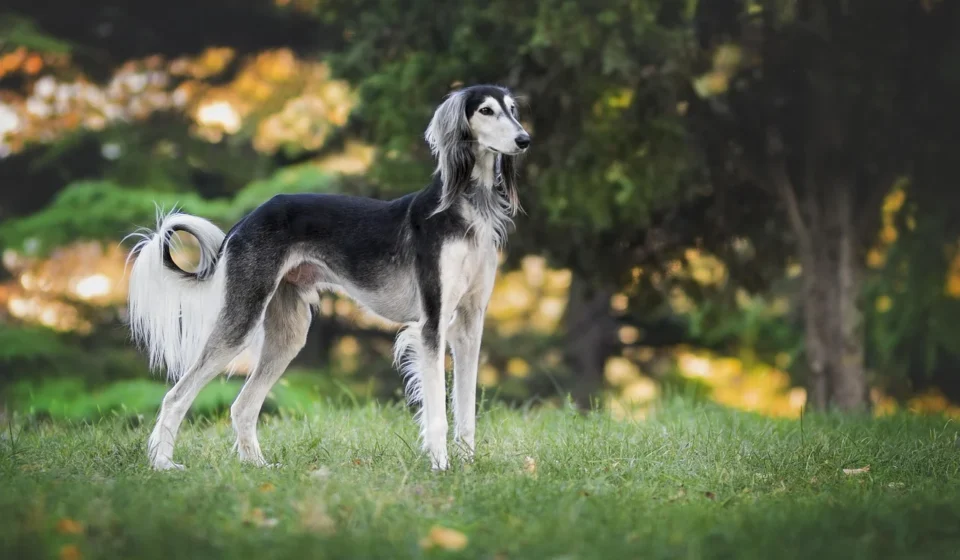
What Exactly Is a Silken Windhound?
A Silken Windhound is a relatively new American breed of sighthound, intentionally developed to combine the elegance of a Borzoi with the smaller size and amiable temperament of a Whippet. They are not a miniature Borzoi, nor are they a casual crossbreed; they are a distinct, recognised breed with a closed studbook since 2000 and DNA-verified parentage, according to the Silken Windhound Club of America.
The breed’s creation began in the 1980s. Francie Stull of Kristull Kennels in Texas, USA, primarily led these efforts. The goal was to produce a sighthound with a beautiful long coat, a friendly disposition, and a more manageable size than the larger Borzoi. It also retained the athletic prowess typical of sighthounds. Breeders specifically bred them for companionship, performance events like lure coursing, and exhibition. They established the breed using Borzoi, Whippets, and carefully selected small Whippet-based crosses to achieve the desired traits.
As of October 1, 2026, The Royal Kennel Club (UK) officially recognised the Silken Windhound. They classified it within the Hound Group on the Imported Breed Register. This recognition reflects the breed’s growing establishment and popularity.
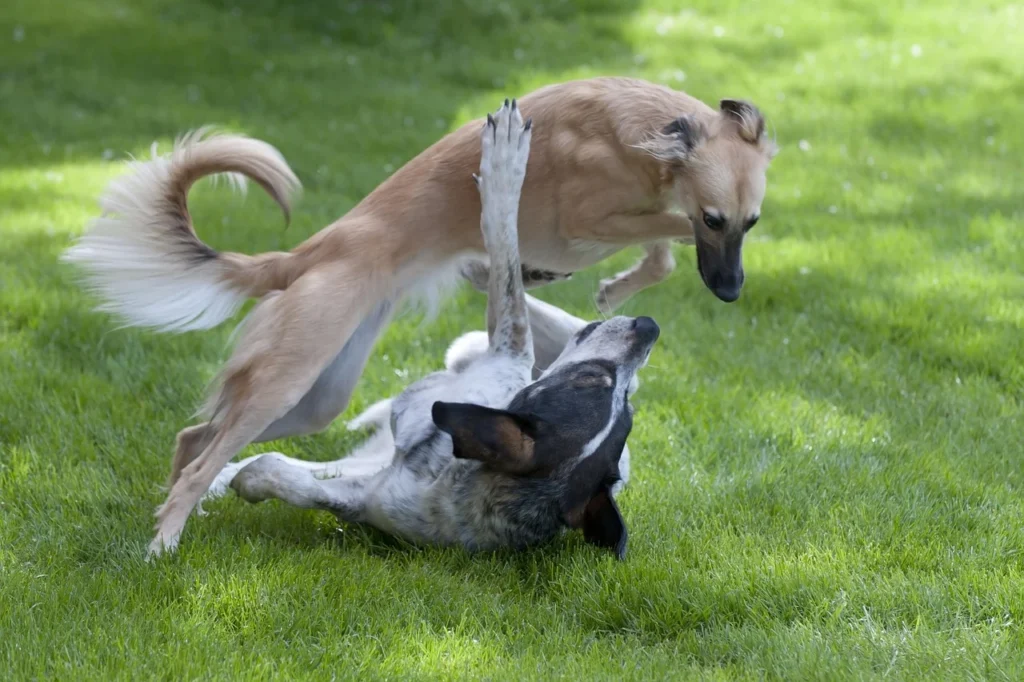
Silken Windhound Temperament: Are They Good Pets?
They are generally excellent pets for the right owner. We know them for their gentle, affectionate, and devoted nature, making them wonderful family companions. Inside the home, they are typically quiet, calm, and well-behaved. They often enjoy long naps on soft furnishings. They thrive on companionship and are happiest when they are an integral part of family activities.

However, it’s important to understand their sighthound heritage. While they are sweet and loving indoors, they possess a strong prey drive. This means they are inherently driven to chase anything small and fast-moving, such as squirrels, rabbits, or even plastic bags caught by the wind. For this reason, we always advise keeping a Silken Windhound on a lead when outside a securely fenced area. Off-lead exercise should only occur in a safe, enclosed space where there is no risk of them bolting after perceived prey, as their speed and focus can make them oblivious to commands in such situations. This isn’t a sign of disobedience but rather their instinct taking over.
They are intelligent and generally eager to please, which makes them quite trainable, responding best to positive reinforcement methods. Harsh corrections are ineffective and can damage their sensitive nature, leading to a loss of trust or reluctance to engage. Socialization from a young age is important to ensure they are comfortable with various people, places, and other animals, though their natural inclination is often friendly and tolerant.
Understanding Silken Windhound Size and Appearance
Silken Windhounds are considered small to medium-sized sighthounds, possessing a distinctive elegance. They typically stand between 47–60 cm (18.5–23.5 inches) at the withers, with males often being slightly taller and heavier than females. Their weight generally ranges from 10–20 kg (22–45 lbs), showcasing a lean, athletic build.
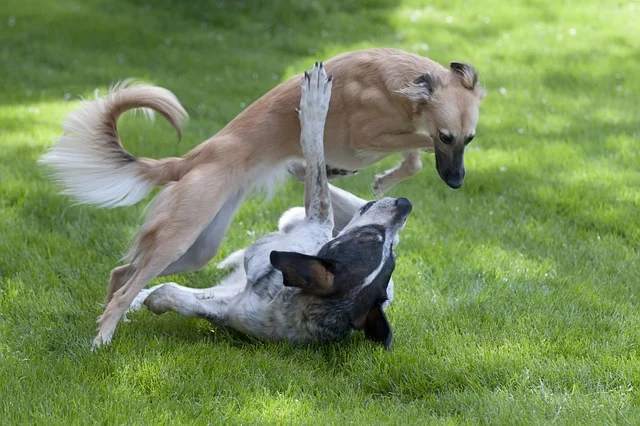
Their most striking feature is their moderately long, silky coat, which can be straight, slightly wavy, or even curly. Feathering is prominent on their legs, chest, neck, and tail, adding to their graceful appearance. All colours and markings are acceptable within the breed standard, offering a wide variety of beautiful combinations. Despite their long coat, Silken Windhounds are not considered hypoallergenic. However, their single, silky coat may shed less than many double-coated breeds, which can be a consideration for some owners. Regular grooming is necessary to keep their coat healthy and free of mats, especially in the feathered areas. We recommend weekly brushing to prevent tangles and remove loose hair, perhaps more frequently during shedding seasons.
Silken Windhound vs. Borzoi: Key Differences
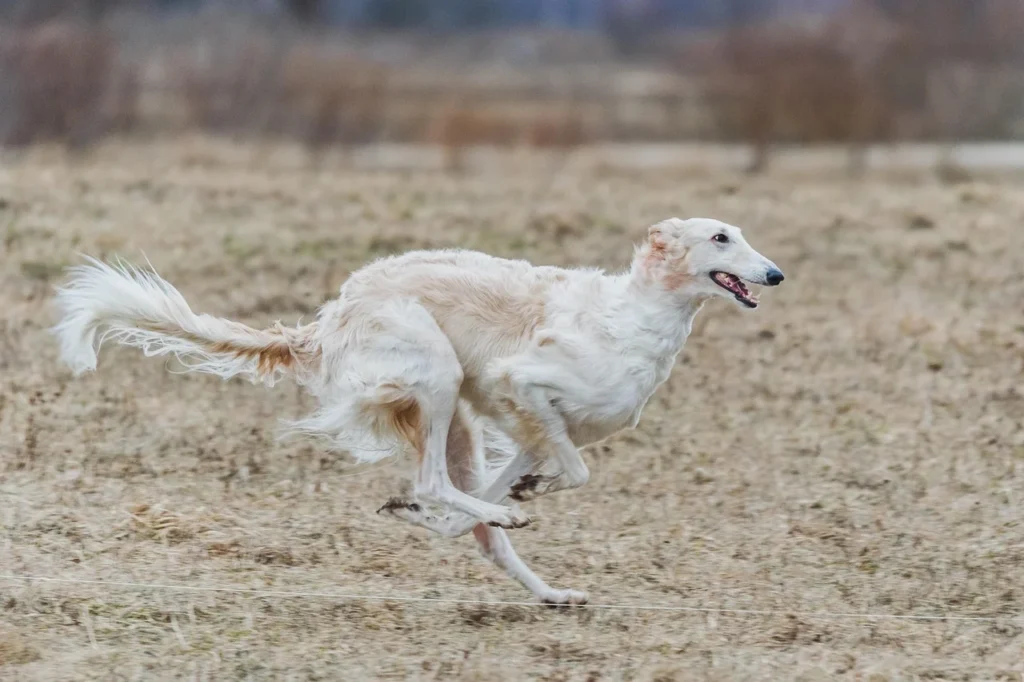
While the Borzoi played a foundational role in the Silken Windhound’s development, there are distinct differences between the two breeds. Understanding these can help prospective owners decide which sighthound might be a better fit for their lifestyle.
| Feature | Silken Windhound | Borzoi |
|---|---|---|
| Size (Height) | 47–60 cm (18.5–23.5 inches) | Males: 71–85 cm (28–33 inches); Females: 66–79 cm (26–31 inches) |
| Size (Weight) | 10–20 kg (22–45 lbs) | Males: 34–48 kg (75–105 lbs); Females: 27–41 kg (60–90 lbs) |
| Origin | USA (1980s) | Russia (17th Century) |
| Coat Length/Texture | Moderately long, silky, straight, wavy, or curly | Long, silky, wavy or curly, with abundant feathering |
| Temperament Nuances | Generally very affectionate and adaptable, slightly more ‘biddable’ | Often more independent, reserved, and cat-like in their affection |
| Exercise Needs | Daily opportunities for running in a secure area; moderate energy | Significant daily exercise, large secure space essential; higher endurance |
The most immediate difference is size. Borzoi are considerably larger and heavier, making them a more imposing presence both indoors and out. This size difference naturally impacts living space requirements, food consumption, and overall strength when walking on a lead.
Both are sighthounds with a strong prey drive. Silken Windhounds tend to be a bit more overtly affectionate and perhaps a touch more amenable to training than their larger Borzoi ancestors. Borzoi can be quite independent and reserved. People often describe them as ‘cat-like’ in their demeanour. Silkens are generally more demonstrative and desire closer interaction with their human families. For someone seeking a sighthound with a slightly more compact size and a very ‘people-oriented’ personality, the Silken Windhound often proves to be an ideal choice.
Health Considerations for Silken Windhounds
Silken Windhounds are generally a healthy breed with an average lifespan of 12–15 years, but like all breeds, they have some recognised genetic predispositions. Responsible breeders screen their breeding stock to minimize the incidence of these conditions.
Key health concerns include:
- MDR1 Mutation (Drug Sensitivity): This is a significant concern for many sighthound breeds. The MDR1 gene mutation makes dogs sensitive to certain common medications, including some antiparasitics, anesthetics, and chemotherapy drugs. Administering these drugs at standard doses can be toxic or even fatal. If you own a Silken Windhound, it is important to have them tested for the MDR1 gene mutation. Always inform your veterinarian that your dog is a sighthound and ask them to check your dog’s MDR1 status before prescribing any medication.
- Heart Issues: Mitral valve disease and other cardiac conditions can occur. Regular veterinary check-ups, including cardiac auscultation, are important, especially as the dog ages.
- Collie Eye Anomaly (CEA): This is an inherited eye condition that can affect vision. Reputable breeders will screen for this condition.
- Autoimmune Thyroiditis: An autoimmune disease affecting the thyroid gland, potentially leading to hypothyroidism. Symptoms can include weight gain, lethargy, and skin issues.
Due to their lean body composition, Silken Windhounds can also be sensitive to certain types of anesthesia. It’s always wise to discuss anaesthetic protocols with your vet beforehand, ensuring they are familiar with sighthound physiology. We recommend choosing a veterinarian who has experience with sighthounds or is willing to research their specific needs.

The Cost of a Silken Windhound: Puppies, Adoption, and Breeders
The cost of a Silken Windhound puppy can be a significant investment, reflecting the breed’s rarity, the extensive health testing undertaken by responsible breeders, and the care involved in raising healthy, well-socialized pups. As of October 2026, Silken Windhound puppy prices in the UK typically range between £500 and £1500. In the US, prices are generally higher, ranging from $2,900 to $3,500.
Silken Windhounds are considered an expensive breed primarily because they are not mass-produced. Breeders often have long waiting lists, carefully vetting prospective owners to ensure their puppies go to suitable homes. The costs associated with health screening parents for conditions like MDR1, CEA, and heart issues, along with providing excellent prenatal and postnatal care for the mother and puppies, contribute to the price.
You will find a Silken Windhound for adoption or rescue extremely rarely. Many ethical breeders include clauses in their contracts. These clauses require dogs to be returned to them if owners can no longer care for them. This commitment from breeders helps ensure that Silkens rarely end up in shelters. If you are interested in adoption, we recommend contacting the International Silken Windhound Society or the Silken Windhound Club of America. They may be aware of adult dogs needing rehoming, though these opportunities are infrequent.
Finding a reputable breeder
When seeking a puppy, it is paramount to find a reputable breeder. Look for breeders who:
- Are transparent about health testing results of the parent dogs.
- Are willing to answer all your questions and ask many of their own.
- Allow you to visit their premises and meet the mother dog (and father, if available).
- Provide references from previous puppy buyers.
- Offer ongoing support and advice after you take your puppy home.
- Have a contract that outlines responsibilities and guarantees.
Avoid breeders who seem more interested in making a quick sale, cannot provide health clearances, or do not seem knowledgeable about the breed’s specific needs and temperament.

Caring for a Silken Windhound: Exercise, Training, and Living
Bringing a Silken Windhound into your home means committing to their specific needs for exercise, training, and a suitable living environment. While generally adaptable, they thrive with consistent care.

Exercise Requirements
Silken Windhounds need daily opportunities to run and stretch their legs. A long walk on a lead is good, but it’s not enough to satisfy their sighthound instincts. They truly benefit from bursts of high-speed running. You should provide access to a securely fenced garden or a dedicated, safe, enclosed dog park. There they can run freely without the risk of chasing prey into danger. A fence of at least 1.8 meters (6 feet) is advisable, as they are agile jumpers. Without adequate exercise, they can become restless or bored. We observe they rarely become destructive. After a good run, they are typically content to relax indoors.
Training Approach
These dogs are intelligent and sensitive. They respond best to positive, reward-based training. They can be quite adept at obedience, agility, and especially lure coursing. This taps into their natural prey drive in a controlled environment. Early socialization and puppy classes are beneficial to build confidence and good manners. Consistency is key. We always advise you to keep training sessions short, fun, and engaging to hold their interest. Due to their strong prey drive, recall training needs to be exceptionally reliable. Even then, we recommend never fully trusting an off-lead Silken Windhound in an unfenced area.
Living Environment
Silken Windhounds are adaptable to various living situations, from flats to houses, as long as their exercise needs are met. They are generally clean dogs, requiring minimal grooming beyond regular brushing and occasional baths. Their single coat means they can get cold in winter, so a coat or jumper for walks in chilly weather is a good idea. Inside, they cherish soft beds and warm spots, often gravitating towards sunny windows or blankets. They are not suited to living outdoors, as they are companion animals who thrive on being part of the family.
If you’re considering a Silken Windhound, you must be prepared for their unique blend of indoor calm and outdoor athleticism. They are a wonderful breed. They suit those who appreciate the sighthound’s elegance and can provide a secure environment for their exercise needs.
Sources: Silken Windhound
Frequently asked questions
How many Silken Windhounds are there?
The exact global population of Silken Windhounds is not publicly documented with precision. They are still a relatively rare breed compared to more established breeds. However, the International Silken Windhound Society (ISWS) maintains a global registry. The breed’s numbers are steadily growing as it gains recognition in various kennel clubs worldwide.
What were Silken Windhounds bred for?
Silken Windhounds were bred primarily for companionship, performance events like lure coursing, and exhibition. The breed’s creators aimed to produce an elegant, long-coated sighthound with a gentle, affectionate temperament and a more manageable size than the larger Borzoi, while retaining the athleticism characteristic of sighthounds.
Are Silken Windhounds good with children and other pets?
Generally, Silken Windhounds are known for being very gentle and tolerant, making them good with respectful children. However, due to their strong prey drive, caution is advised around very small, fast-moving pets like hamsters or guinea pigs. They can often coexist peacefully with cats and other dogs, especially if introduced carefully and socialised from a young age.