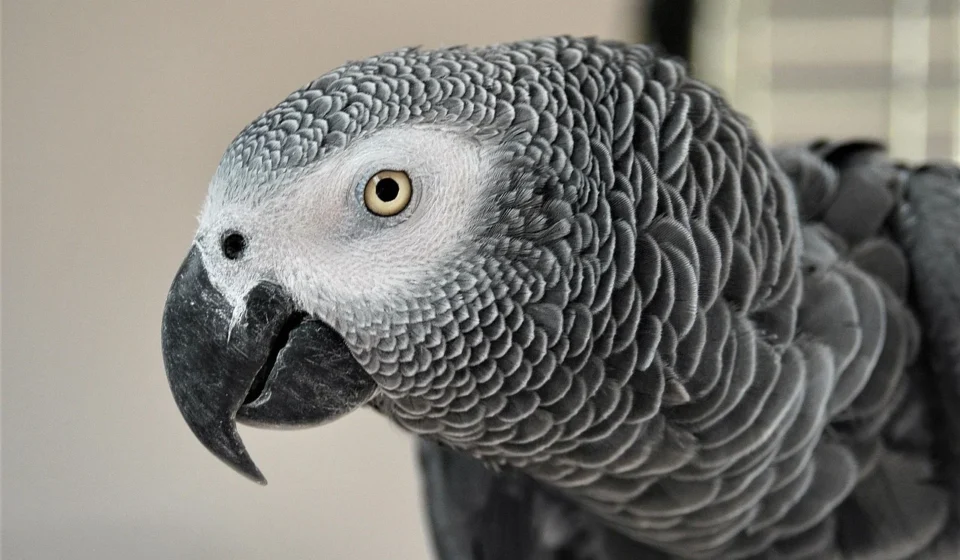
African grey parrot for sale: sourcing, costs and care
African Greys (Psittacus erithacus) are among the most intelligent avian species. They have an exceptional capacity for speech and problem-solving. As a result, these long-lived companion parrots require intensive social engagement. They also need a structured routine and safe environments to flourish. Therefore, before searching for an african grey parrot for sale, prospective keepers must understand many things. These include legal paperwork, lifetime financial demands, and subspecies variations. You must also know about physical health checks and daily management to maintain a healthy bird.
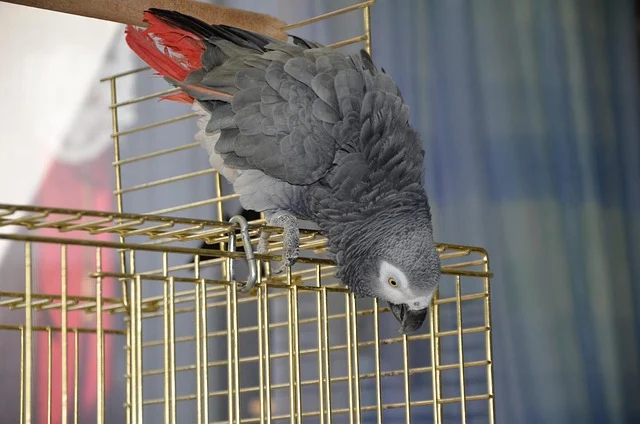
How much does an African Grey parrot cost (purchase price and ongoing care)?
Owning an African Grey is a long-term financial commitment. It can span up to six decades. You should factor in upfront setup fees. Also, consider yearly care costs. This prevents budget surprises later on.
Upfront purchase and setup costs
- Purchase price: Hand-reared chicks from reputable breeders are captive-bred. Congo African Greys typically cost £1,200 to £3,000+. Timneh African Greys cost £800 to £1,800. However, adoption fees from rescue organizations range between £200 and £600.
- Substantial cage: A heavy-duty powder-coated or stainless steel cage costs between £500 and £1,200.
- Initial perches, travel carrier, and basic supplies: You will need natural wood perches. Also get stainless steel food bowls. You also need a safe transport crate. These items cost an additional £150 to £300.
Ongoing annual maintenance costs
- Diet and fresh food: High-grade formulated pellets are essential. Combine them with fresh daily vegetables. Add leafy greens and limited fruits. This averages £50 to £100 per month. Therefore, expect to pay £600–£1,200 per year. In addition, offering safe seasonal treats adds vital moisture. These also provide nutritional enrichment. For example, you can offer sliced cantaloupe or bell peppers.
- Avian veterinary care: Routine yearly check-ups cost £150 to £300 annually. This includes faecal panels and blood tests. Emergency vet visits can cost thousands. So can specialized medical treatments. Therefore, specialist exotic pet insurance is advisable. This costs £30–£60 per month.
- Toy replacement and cage enrichment: African Greys have powerful beaks. They rapidly destroy wooden block toys. They also shred and solve foraging puzzles. Budget £30 to £60 monthly. This ensures a steady supply of safe destructible toys. You will pay £360–£720 yearly.
What legal paperwork is required when buying an African Grey parrot?
Wild African Greys are listed in CITES Appendix I. [cites.org] This means Convention on International Trade in Endangered Species. Top-level protection makes commercial trade illegal. You cannot import or sell wild-caught birds. In the UK and EU, every legal commercial transaction requires official certification. This proves the bird was captive-born and raised. Looking for an African Grey Parrot for sale? Ensure it’s captive-bred.
Any seller offering an african grey parrot for sale must provide an Article 10 CITES certificate. The Animal and Plant Health Agency (APHA) issues this document. Selling an African Grey without this document is an offense. Purchasing one without it is also an offense. This can lead to prosecution. You may also face seizure of the bird.
When evaluating a bird from any seller or breeder, inspect these mandatory verification items:
- Article 10 transaction certificate: The official document must explicitly state the individual bird’s identification mark.
- Closed leg ring: We fit a solid, smooth metal band around a bird’s leg. This happens during its first few weeks of life. You cannot add it to an adult bird without cutting or breaking it. As a result, it guarantees the bird’s age and captive origin.
- Microchip identification: We use microchips instead of leg rings, or sometimes with them. They are especially useful for adult birds. For example, some birds have had rings medically removed. The microchip ID must exactly match the Article 10 certificate.
- Breeder hatch log: Detailed records documenting hatch date, parent leg ring numbers, and weaning history.
Never accept excuses regarding missing or delayed CITES paperwork. Legitimate breeders will always have Article 10 certificates ready before putting chicks up for sale.
Where can you ethically buy or adopt an African Grey parrot?
You can find an african grey parrot for sale. Choose an ethical supplier. This protects wild populations. Also, it ensures you get a healthy, well-socialized pet.
1. Licensed specialist aviculturists
Responsible breeders prioritize parent health. They raise chicks in clean environments. Also, they wean fledglings onto pellets and fresh vegetables. They avoid seed mixes. A reputable breeder will invite you to visit their premises. They will show you parent birds. In addition, they supply health guarantees. They also hand over closed ring documentation with the CITES Article 10 certificate.
2. Avian rescues and adoption charities
You can adopt an adult African Grey. For example, established charities like the Parrot Society UK offer this. Regional bird sanctuaries also provide rehoming. This gives birds a second home after life changes. Adoption centers screen homes carefully. They also assess the bird’s personality and history. You might find an african grey parrot for sale in these places too.
Red flags to avoid in sales listings
Steer clear of sellers exhibiting any of these warning signs:
- Prices set far below market rates (£300–£500 for a chick).
- Inability or refusal to present an official CITES Article 10 certificate.
- Open or unringed legs on supposed captive-bred birds.
- Refusal to allow in-person visits to inspect the bird’s living conditions.
- Offering unweaned chicks to inexperienced owners under the claim that hand-feeding builds a better bond. Unweaned hand-feeding carries a high risk of crop burn, aspiration, and fatal stunting.
Congo vs Timneh: Which African Grey subspecies suits your home?
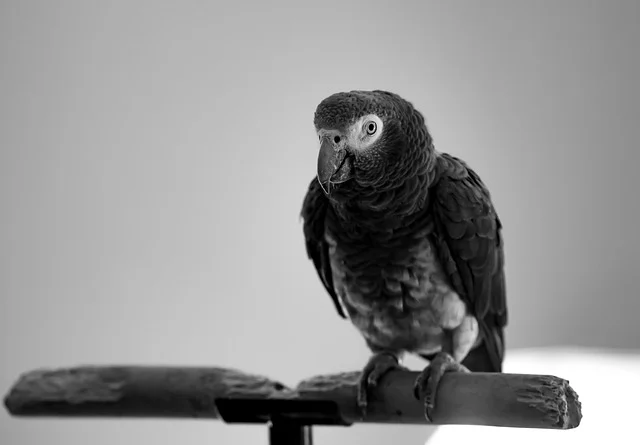
You will find two distinct subspecies when you browse listings for an african grey parrot for sale. These are the Congo African Grey (Psittacus erithacus) and the Timneh African Grey (Psittacus timneh). Both can mimic, learn, and build bonds. However, key physical and behavioral differences distinguish them.
| Feature | Congo African Grey (CAG) | Timneh African Grey (TAG) |
|---|---|---|
| Average Weight | 400–650 grams | 275–400 grams |
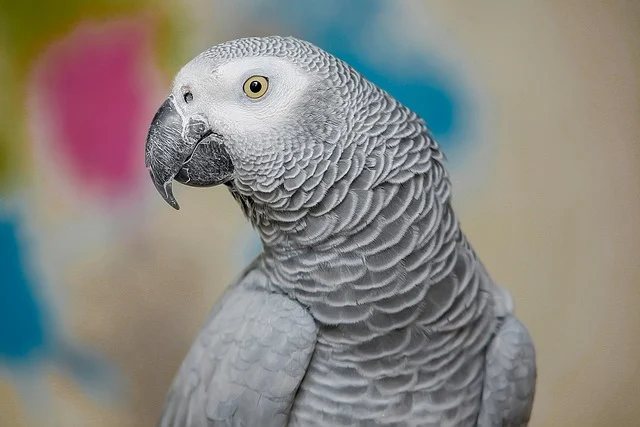
| Feather Colour | Light grey body, bright crimson tail | Dark charcoal grey body, maroon or horn tail |
| Upper Mandible | Solid black beak | Horn-coloured top mandible |
| Temperament | Routine-oriented, sensitive to changes, often single-person bonding | Adaptable, resilient to household noise, social with multiple people |
| Average Purchase Price | £1,200 – £3,000+ | £800 – £1,800 |
Timneh African Greys mature faster. They adapt well to active families. Congo African Greys are larger and visually striking. Both are exceptional companions. You must provide dedicated care and enrichment. Consider a Timneh if you’re looking for an african grey parrot for sale that matures quickly.
Pre-purchase checklist: How to inspect an African Grey’s health
Before completing a purchase or adoption, examine the bird in person using this physical health checklist:
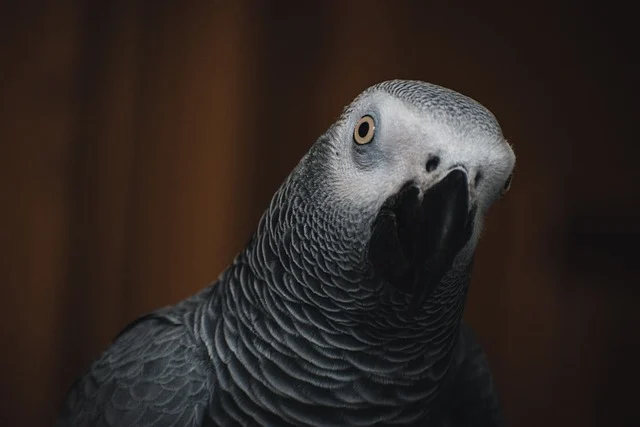
- Eyes and nares: Eyes must be clear, round, and free of discharge, cloudiness, or swelling. Nostrils (nares) should be completely open without crusting or blockage.
- Beak condition: The upper and lower mandibles should align properly without cracking, flaking, or overgrowth.
- Feather condition and skin: Plumage should be smooth, bright, and clean. Check closely for bare patches under the wings, chest, or legs, which indicate active feather-plucking or skin inflammation.
- Vent cleanliness: The vent under the tail feathers must be clean and dry. Mattered feathers or caked faeces suggest intestinal infection or diarrhea.
- Droppings consistency: Healthy droppings have three distinct parts. You will see dark green or brown formed stool. Also, there is clear liquid urine. Finally, chalky white urates are present.
- Posture and alertness: A healthy Grey rests firmly on two feet, displays curious body language, and reacts actively to sounds. Sitting fluffed up on the cage floor, shivering, or breathing heavily with an open beak are signs of severe illness.
How to set up a safe home environment for an African Grey
African Greys need substantial space to move, climb, flap, and forage. Their sensitive respiratory systems also demand strict home safety precautions.
Cage sizing and location
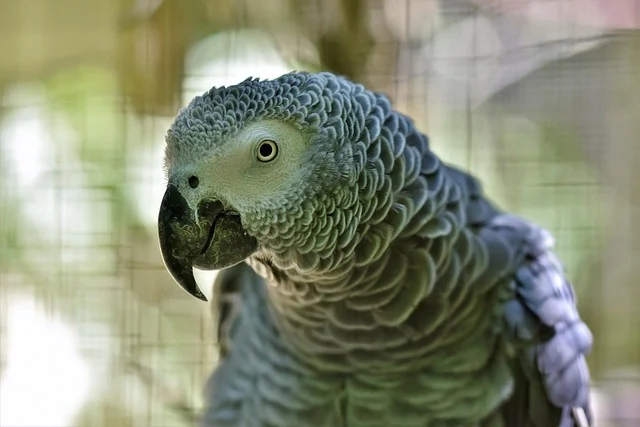
Select a cage at least 36 inches wide. It needs to be 36 inches deep and 48 inches tall (91cm x 91cm x 122cm). Bar spacing must be 3/4 inch to 1 inch (1.9cm to 2.5cm). This helps prevent head entrapment for an african grey parrot for sale. [msdvetmanual.com] Cages should be powder-coated wrought iron or medical-grade stainless steel.
Place the cage against a solid wall in a lived-in area. A living or family room is ideal for an african grey parrot for sale. Avoid drafty spots near uninsulated windows. Also, shun direct hot sunlight. High-traffic entryways cause chronic stress, so avoid those too.
Toxic household hazards to eliminate
Parrot lungs absorb airborne chemicals rapidly, making certain everyday items fatal:
- PTFE and PFOA non-stick cookware: Heated non-stick pans release odorless toxic fumes. Baking sheets, self-cleaning ovens, and iron covers also do this. These fumes kill birds in minutes. So, replace all kitchenware. Use stainless steel, cast iron, or ceramic instead.
- Aerosols and fragrance Diffusers: Scented candles, plugin air fresheners, incense, and spray deodorants cause severe lung damage.
- Toxic indoor plants: Keep poinsettias, philodendrons, ivy, and dieffenbachia out of the bird’s reach.
- Open water hazards: Deep water bowls, unattended filled sinks, and open toilet lids pose drowning risks during out-of-cage time.
What is the correct dietary plan for an African Grey parrot?
Seed-only diets cause severe malnutrition, vitamin A deficiency, calcium loss, and shortened lifespans. A balanced dietary plan relies on structured nutrition:
- Formulated pellets (70–80% of diet): You should feed a high-grade high-quality pelleted bird food. Also, formulate it specifically for medium to large parrots. This ensures complete baseline nutrition.
- Fresh vegetables and leafy greens (15–20% of diet): Supply daily fresh bowls of steamed sweet potatoes. In addition, offer broccoli, kale, and carrots. You can also provide squash, bell peppers, and sprouted legumes.
- Fresh fruits (5–10% of diet): Offer small portions of berries, pomegranate seeds, papaya, and fresh apple slices with seeds removed.
- Protein supplements: Offer small pieces of hard-boiled egg. Keep the shell attached. You can also give plain cooked protein. Provide these during moulting seasons to support feather growth.
- Nuts and seeds (Training rewards only): Reserve raw almonds, walnuts, and sunflower seeds. Use them for direct training rewards. Do not leave them in daily food bowls.
Socialization, training, and managing problem behaviours
Because African Greys are highly social, they require daily direct interaction and structured training to remain psychologically stable.
Teaching essential behaviors
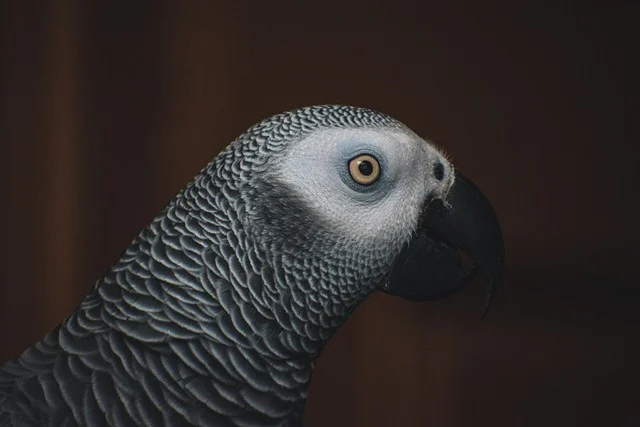
Begin training basic commands like “step up” and “step down” using target sticks and positive reinforcement with nut rewards. Keep training sessions brief—5 to 10 minutes twice daily. Never use physical punishment, shouting, or cage shaking; negative reactions build fear and trigger severe biting habits.
Preventing screaming and feather plucking
Boredom, lack of rest, and lack of mental engagement cause behavioral issues. These include chronic screaming and self-mutilation (feather plucking). Protect your bird’s mental health with these steps:
- Provide at least 3 to 4 hours of supervised out-of-cage time daily for flying and climbing.
- Ensure 10 to 12 hours of uninterrupted sleep in a quiet, dark room every night.
- Rotate foraging toys, cardboards, and natural branches twice weekly to keep problem-solving instincts active.
- Review resources detailing general advice on bird welfare. Seek help from a certified avian behaviorist. Do this at the first sign of feather-damaging behavior.
Who should NOT buy an African Grey parrot?
While African Greys make incredible lifelong partners, they are ill-suited for many lifestyle situations. An African Grey is NOT suitable for you if:
- You live in rented accommodation with noise restrictions: African Greys can emit sharp 100-decibel whistles. Their contact calls carry through walls.
- You work long hours away from home: Leaving an African Grey alone for 9 to 12 hours daily causes severe separation anxiety. As a result, the bird may scream and self-mutilate.
- You expect a quiet, hands-off room decoration: Greys require daily cage scrubbing, fresh food preparation, and active social engagement.
- You have unmanaged toddlers or aggressive pets: Quick movements distress Greys. Also, direct contact with cat or dog saliva carries deadly bacterial risks for birds.
- You cannot commit for 40 to 60 years: Rehoming a deeply bonded Grey causes extreme psychological distress for the bird.
Frequently asked questions
How much does an African Grey parrot cost in the UK?
Captive-bred chicks range from £800 to £1,800 for Timneh Greys and £1,200 to £3,000+ for Congo Greys with CITES Article 10 documentation. Cages and setup equipment cost £500 to £1,000, while ongoing food, toys, and vet care average £1,000 to £2,000 per year.
Are African Grey parrots suitable for first-time bird owners?
No, African Greys are not for beginners. They have complex social needs. Also, they are very intelligent. They can have behavioral issues. They also have a long lifespan. First-time keepers should choose smaller parrot species. Then you can manage an african grey parrot for sale.
What is the lifespan of an African Grey parrot?
In captivity, healthy African Greys live 40 to 60 years. They need a balanced diet and regular avian veterinary care. Some well-cared-for birds have lived past 70 years.
What are the signs of a healthy African Grey parrot?
A healthy African Grey exhibits smooth feathers, clear bright eyes, clean nostrils, and a dry vent. The bird should sit firmly on two feet, display alert curiosity, and produce consistent three-part droppings.
Where can I ethically buy or adopt an African Grey parrot?
Buy from a licensed aviculturist. They supply CITES Article 10 certificates and leg rings. You can also adopt through registered charities. For example, try the Parrot Society UK. Avoid unverified online ads for an african grey parrot for sale. These ads often lack paperwork. They may also refuse in-person visits.
Sources