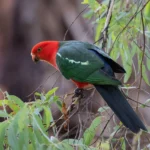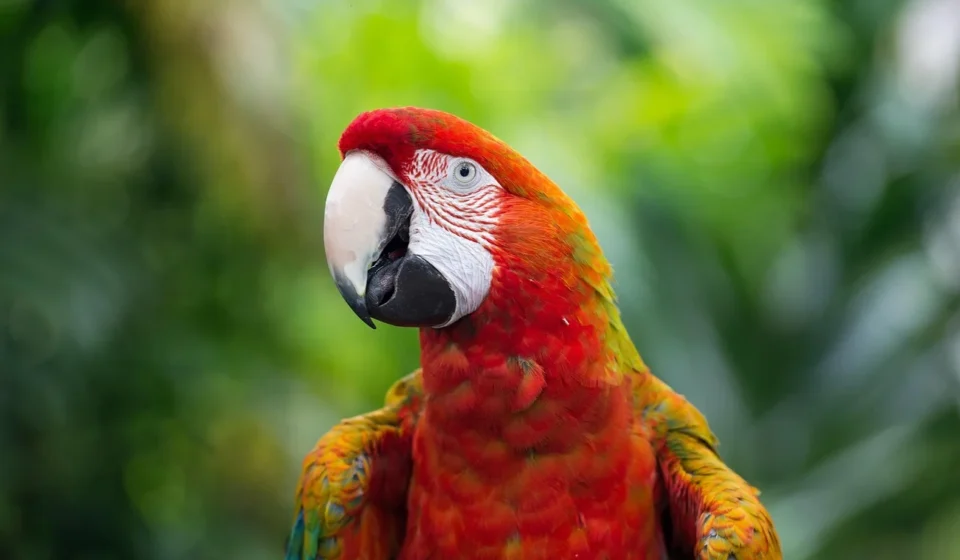
Parrots live 5 to 80 years or more. Their lifespan depends on species, size, diet, and care. Many ask, “how long do parrots live?” Smaller parrots like budgies live 5 to 15 years. Large species such as African Greys, Amazons, Cockatoos, and Macaws regularly reach 40 to 80 years in captivity.
Standard domestic pets like dogs or cats usually live 10 to 15 years. In contrast, many medium and large parrot species can outlive their human owners. Bringing home a companion parrot is a commitment. It spans decades. Therefore, long-term planning is essential. Understanding expected lifespans helps. Daily care requirements also help. Life-shortening hazards ensure your bird lives a healthy, full life. Planning for longevity was critical in 2026. It remains just as important today. This applies to anyone welcoming a bird into their home.
How long do different parrot species live?
The parrot family (Psittaciformes) contains over 350 species. Their lifespans vary dramatically based on size, biological rate of aging, and natural history. As a general rule, larger parrot species have lower metabolic rates and live far longer than smaller birds.
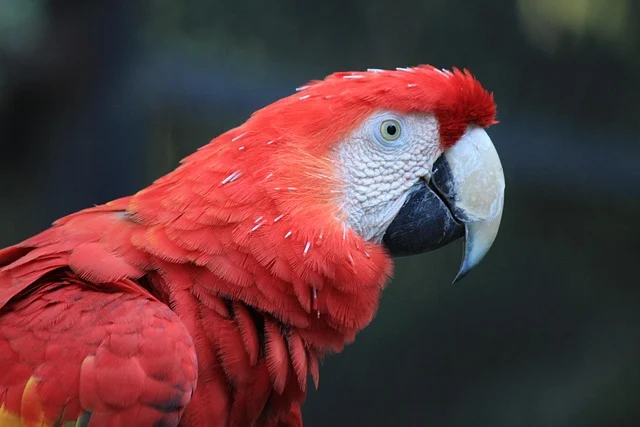
Budgerigars and small parakeets (5–15 years)
Budgerigars are small, energetic birds. People call them budgies or parakeets. In captivity, a budgie lives 5 to 10 years. Budgies eating balanced pellets and fresh vegetables often live 12 to 15 years. Their high metabolic rate shortens their lifespan. This differs from larger parrots. They also have genetic predispositions. Fatty liver disease and tumors are common. This occurs with seed-only diets. For those asking how long do parrots live, budgies offer rich social engagement. They do not require a multi-decade commitment. Find smaller feathered pets.
Cockatiels and lovebirds (10–25 years)
Cockatiels and lovebirds are small-to-medium sized parrots. When considering how long do parrots live, cockatiels average 15 to 20 years in captivity. However, well-cared-for individuals live up to 25 years. Lovebirds typically live between 10 and 15 years. Both species benefit from daily flight time. Also, they need varied perches. Proper dietary balance prevents metabolic illnesses in mid-life.
Conures, Quakers, and Caiques (15–30 years)
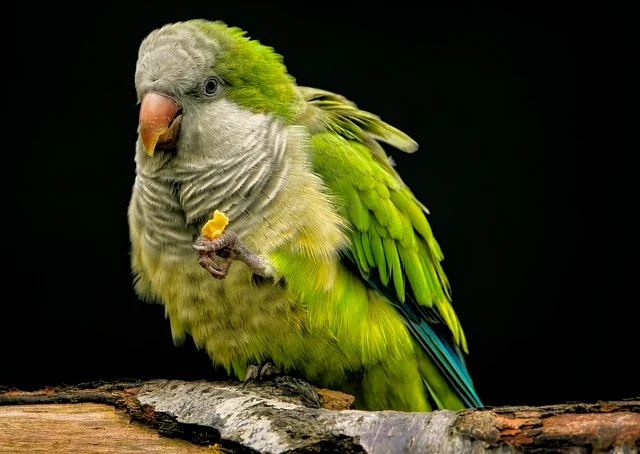
Medium-sized parrots deliver vibrant personalities in compact bodies. These include Sun Conures, Green-cheeked Conures, Quaker Parrots (Monk Parakeets), and Caiques. Green-cheeked conures often live 15 to 20 years. However, Sun Conures, Quakers, and Caiques regularly live 25 to 30 years. When considering how long do parrots live, providing them with active foraging toys and clean environments significantly influences their lifespan.
African Grey parrots (40–60 years)
African Greys are intelligent. They have impressive vocal abilities. This includes Congo and Timneh species. In homes, African Greys routinely live 40 to 60 years. Documented cases surpass 70 years. To answer how long do parrots live, these birds need extensive daily social interaction. They have complex cognitive needs. Prolonged boredom or isolation leads to feather plucking. This also causes systemic stress. Stress can shorten their life.
Amazon parrots (40–60 years)
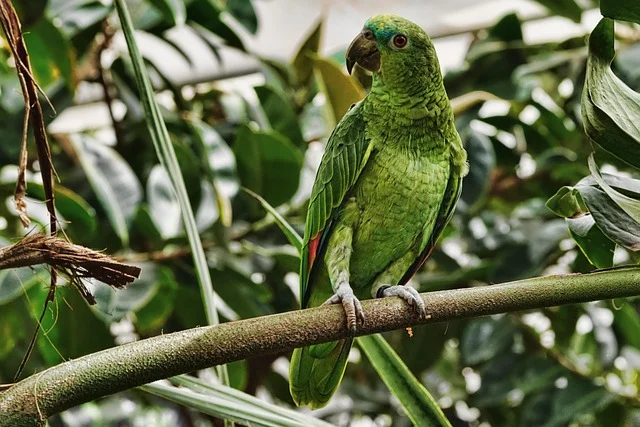
Amazon parrots are robust, boisterous, and vocal birds. This group includes Yellow-naped, Blue-fronted, and Double Yellow-headed Amazons. They live 40 to 60 years in captivity. This answers the question of how long do parrots live for these species. Amazons are prone to obesity. They also develop cardiovascular issues. This happens if you feed them high-fat seed mixes. Strict dietary management is important. It helps them reach their full life potential.
Cockatoos (50–70+ years)
Cockatoos live long lives as companion animals. This includes Umbrella, Moluccan, Goffin’s, and Sulphur-crested species. Their average captive lifespan is 50 to 70 years. Some individuals exceed 80 years. For example, Cookie was a Major Mitchell’s Cockatoo. She lived at Chicago’s Brookfield Zoo. Cookie reached 83 years of age. This shows how long do parrots live. Cockatoos form deep emotional bonds. They need several hours of daily attention to stay healthy.
Macaws (50–80+ years)
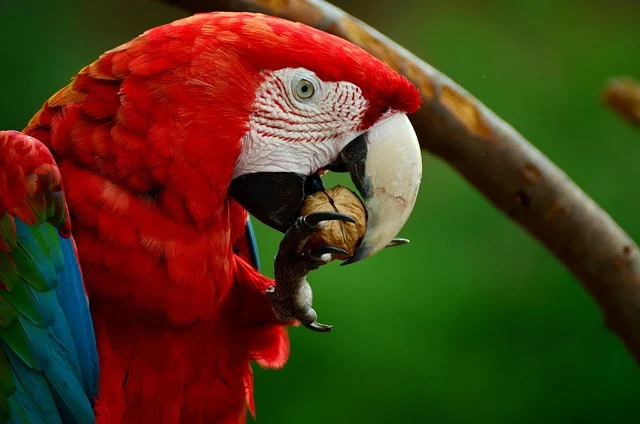
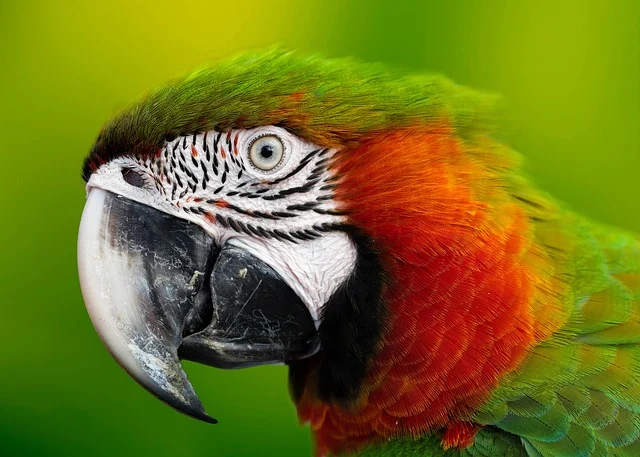
Large Macaws live long. This group includes Blue-and-Gold, Scarlet, Green-winged, and Hyacinth Macaws. Macaws routinely live 50 to 75 years in captivity. Some live past 80 years. However, their size, calls, and beaks need large enclosures. Safe chewing outlets are essential. Lifetime care planning answers how long do parrots live for these birds.
Comparing parrot lifespans and care demands
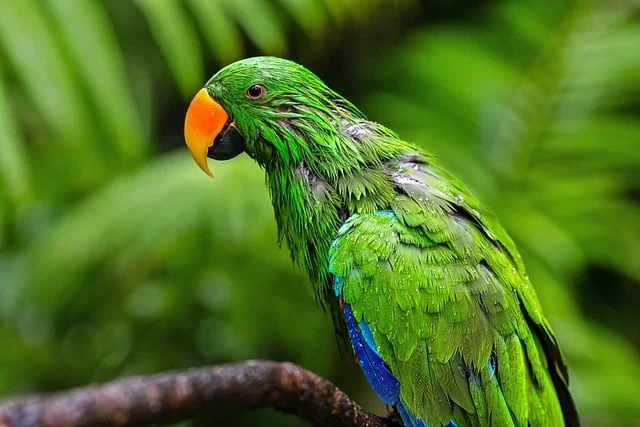
When you select a parrot, matching species longevity with space is critical. Also, consider noise tolerance and personal lifestyle. The table below compares lifespans. It also shows core care needs across common parrot species.
| Parrot Species | Average Lifespan | Primary Diet Requirement | Daily Out-of-Cage Time | Care Commitment Level |
|---|---|---|---|---|
| Budgerigar | 5–15 years | 60% pellets, 30% fresh greens, 10% seed treats | 1–2 hours | 10–15 years |
| Cockatiel | 15–25 years | 60% pellets, 30% vegetables/grains, 10% seeds | 2–3 hours | 15–25 years |
| Sun Conure | 15–30 years | 70% pellets, 25% fresh chop/veggies, 5% nuts | 3–4 hours | 20–30 years |
| African Grey | 40–60 years | 70% organic pellets, 25% fresh vegetables, 5% healthy nuts | 4+ hours | Multi-generational |
| Umbrella Cockatoo | 50–70+ years | 60% high-grade pellets, 35% fresh produce, 5% treats | 4+ hours | Multi-generational |
| Blue-and-Gold Macaw | 50–80+ years | 60% large-breed pellets, 30% organic produce, 10% tree nuts | 4+ hours | Multi-generational |
Considering how long do parrots live, larger ones live longer
The stark difference in lifespan between small and large birds stems from biological and evolutionary factors:
- Metabolic rate: Smaller birds have rapidly beating hearts. For example, a budgie’s resting heart rate is 300 to 500 beats per minute. They also have elevated metabolic rates. This generates higher cellular turnover. It also causes oxidative stress over time. In contrast, large macaws have a lower resting heart rate. It is 120 to 200 beats per minute. They also have slower metabolic aging.
- Evolutionary adaptation: Small birds face high predation rates in the wild. They evolved to reach sexual maturity within months. They also lay large clutches of eggs. However, large parrots face few natural predators. They live in the rainforest canopy. Therefore, they evolved to mature slowly. They often take 3 to 7 years to reach breeding age. They allocate cellular resources toward long-term body repair.
- Cellular repair mechanisms: Avian DNA repair systems are exceptionally resilient. Parrots possess specialized enzymes that shield cellular mitochondria from oxidative damage better than mammals of equivalent body mass.
What factors determine your parrot’s actual lifespan?
Genetics establishes the maximum possible lifespan. However, daily environment and care dictate whether a parrot reaches that age. Otherwise, it dies decades prematurely. To support long-term avian health, review Baby Parrots: Essential Care for Your Feathered Friend. This provides additional details on species care.
Nutrition: Moving past the seed myth
An all-seed diet causes early death in pet birds. Seeds are high in fat. They lack Vitamin A, calcium, and vital trace minerals. This diet leads to fatty liver disease and atherosclerosis. It also causes lipomas and weak immune systems. This impacts how long do parrots live in captivity.
- Formulated pellets (50–70% of diet): Provide complete, balanced nutrition designed for avian species without selective feeding.
- Fresh vegetables and leafy greens (20–40% of diet): Daily “chop” offers essential beta-carotene and phytonutrients. This includes kale, dandelion greens, and steamed sweet potatoes. Also add carrots, broccoli, and squash.
- Nuts and seeds (5–10% of diet): Reserve walnuts, almonds, and raw sunflower seeds as high-value rewards for training. Do not use them as main meals.
Air quality and domestic toxins
Parrots possess an advanced respiratory system featuring fixed lungs and nine expandable air sacs that circulate air continuously. While highly efficient for flight, this system renders parrots extremely sensitive to airborne toxins.
- PTFE and PFOA non-stick cookware: Overheating non-stick pans releases toxic fumes. This also applies to drip trays, hair dryers, or space heaters coated with polytetrafluoroethylene. The fumes cause rapid pulmonary congestion and sudden death in minutes. Therefore, replace all non-stick items with stainless steel, ceramic, or cast iron.
- Aerosols and airborne irritants: Scented candles, incense, and air fresheners can harm your parrot. Perfume, cleaning chemicals, and spray paint are also irritants. Additionally, tobacco or vape smoke triggers severe respiratory distress. It can also cause lung infection.
- Heavy metal ingestion: Ingesting zinc or lead can harm your parrot. These metals come from galvanized cage wire. They also come from curtain weights, costume jewelry, or bells. As a result, ingesting them causes severe toxicity. You will see organ failure and neurological damage.
- Toxic foods: Never feed parrots avocado; it contains persin, which causes heart failure. Also, avoid chocolate, caffeine, and alcohol. Do not give them fruit pits (cherry, peach, plum), raw dry beans, or salty snacks.
Veterinary care and subtle symptoms
Wild parrots hide illness. They do this to avoid predators. Companion birds instinctively hide sickness too. They do this until they are critically ill. Therefore, routine preventative care is necessary. You can detect hidden health problems early.
- Annual wellness exams: Schedule yearly check-ups with a qualified avian vet. They can perform physical examinations, beak and nail trims, and gram stains. Also, they will do baseline blood panels.
- Gram scale weight tracking: Weigh your bird weekly at the same time using a digital gram scale. A weight drop of 5% to 10% is often the first sign of hidden infection or disease.
- Recognizing signs of illness: Tail bobbing during breathing can signal illness. Also, watch for a bird sitting fluffed at the cage bottom. Changes in stool consistency or color are important. Drooped wings or sudden changes in vocalization also require immediate veterinary evaluation.
Mental enrichment, social bonding, and sleep
Parrots are highly social animals. Also, they are intelligent. Isolation and lack of environmental stimulation create chronic emotional distress. This distress physically damages their health.
- Social interaction: Spend several hours daily talking, training, and sharing space with your bird. Maintaining the health of your feathered friend requires active daily companionship.
- Foraging and toy rotation: Provide wooden blocks and shreddable paper. Also offer stainless steel bell toys and puzzle feeders. These feeders make your bird work for food. This mimics wild foraging behaviors.
- Uninterrupted sleep: Parrots require 10 to 12 hours of sleep. This sleep must be dark and quiet every night. Chronic sleep deprivation leads to immune suppression. It also causes aggressive behavior and destructive feather plucking.
Common mistakes that shorten a parrot’s life
Avoiding common husbandry errors adds years to a parrot’s life. Follow these guidelines to protect your bird:
- Feeding an all-seed diet: Transition your bird to high-quality pellets mixed with daily fresh vegetable chop.
- Using non-stick cookware in the kitchen: You must eliminate all Teflon and PTFE products from your home. Cookware can overheat quickly. As a result, it can kill a bird in another room within minutes.
- Ignoring subtle changes in weight or behavior: Perform weekly weight checks. Use a digital gram scale for this. If you notice unexplained weight loss, seek immediate care.
- Restricting cage size and out-of-cage flight: Choose the largest cage possible for your home. Also, ensure your bird can fully extend its wings. The bird should not touch cage bars or perches.
- Exposing the bird to smoke or artificial scents: Keep all scented candles out of your home. Also remove air fresheners and essential oil diffusers. Do not allow smoke in the home environment.
Who should—and who should not—adopt a long-lived parrot?
Bringing home a bird with a potential 50-to-80-year lifespan requires realistic self-assessment. A parrot is not a low-maintenance starter pet.
A parrot is well-suited for someone who:
- You can devote 2 to 4 hours every day to out-of-cage interaction. This also includes cleaning and training.
- You need financial stability to cover specialized avian vet care. Also, you must afford high-quality food and large cages.
- Maintains a stable living environment that tolerates loud calling, feathers, and food debris.
- Is willing to create a legal care plan or pet trust for the bird’s future if the bird outlives them.
A parrot is NOT suited for someone who:
- Wants a quiet, decorative, or low-effort pet.
- Lives in rental housing with strict noise restrictions or frequent moves.
- Uses scented products, aerosol sprays, or non-stick cookware daily throughout the home.
- Cannot commit to long-term care plans spanning several decades.
Planning for multi-generational care
Large parrots often outlive their primary caretakers. So, responsible owners must arrange care succession plans. First, identify a secondary caregiver early. Also, establish a dedicated pet trust or financial fund. This covers care expenses. Consult avian sanctuaries too. This ensures the bird is protected throughout its life.
Sources: Parrot
Frequently asked questions
How long do macaws live?
Macaws can live 50 to 80 years or more in captivity. Provide them with proper nutrition and spacious housing. Regular avian veterinary care is also important. Some exceptional individuals have lived past 80 years. These birds were on balanced diets.
What is the average lifespan of a parrot?
The average lifespan varies dramatically by species. For example, small parrots like budgies live 5 to 15 years. Medium species like conures live 15 to 30 years. However, large species live much longer. African Greys, Amazons, Cockatoos, and Macaws live 40 to 80 years.
Can a parrot live longer than its owner?
Yes, large parrot species often outlive their human owners. Therefore, anyone adopting a species with a 40-to-80-year lifespan should plan ahead. You should set up a secondary caregiver plan or pet trust in your estate planning.
What factors contribute to a parrot’s long life?
Several factors ensure maximum longevity for your parrot. These include a balanced diet of pellets and fresh vegetables. Also, avoid exposure to Teflon or airborne toxins. Provide daily mental enrichment and flight exercise. Your parrot needs 10–12 hours of sleep. Finally, schedule routine avian veterinary exams.
What is the oldest parrot ever recorded?
Cookie was the oldest reliably documented parrot. This Major Mitchell’s Cockatoo lived to be 83 years old. Cookie resided at Chicago’s Brookfield Zoo. Also, you can find historical documentation at Britannica.