

The Journey of a Baby Parrot: From Hatchling to Companion Caring for a baby parrot is a profound commitment, demanding significant time, patience, and specialised knowledge. These intelligent and social creatures require meticulous attention from their earliest days to ensure they develop into well-adjusted, healthy adults. As of July 2026, the demand for well-raised parrots continues to grow, making it crucial for prospective owners to understand the unique needs of a parrot chick. Most teachers spend twice the budget they need to on classroom supplies. Here’s why, and how to avoid the same pitfalls when raising a baby parrot.
- Baby parrots require specialised hand-feeding formulas and schedules, with feeding frequency decreasing as they mature.
- Maintaining an appropriate temperature is critical for young chicks, often necessitating a brooder or heat lamp.
- Early socialization and gentle handling are paramount for developing a well-adjusted parrot companion.
- Recognising signs of illness in baby parrots is vital for timely veterinary intervention.
- A parrot’s development is a multi-stage process, from helpless hatchling to independent juvenile.
From Hatchling to Fledgling: A Developmental Timeline
The journey of a baby parrot, or chick, is fascinating and varies by species, but general stages apply. Immediately after hatching, a chick is altricial, meaning it’s blind, naked, and entirely dependent on its parents or human caregivers for survival. This stage, known as the hatchling phase, can last for several weeks. During the hatchling phase, typically lasting 2–4 weeks, the chick’s primary needs are warmth, food, and cleanliness.
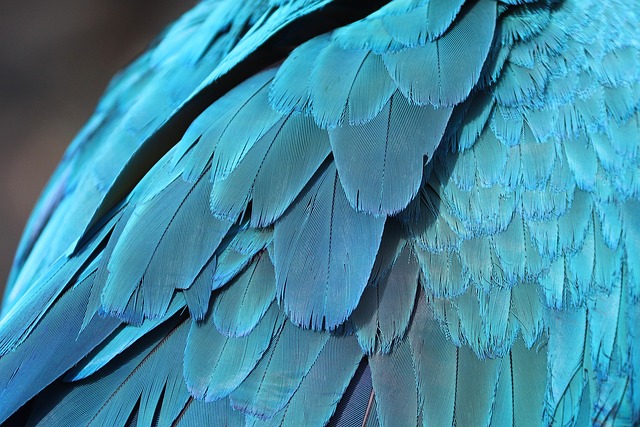
They are unable to regulate their own body temperature, making a controlled environment essential. As they grow, they develop pin feathers, which are the beginnings of their adult plumage, and their eyes will open. This transition marks the move into the nestling phase. The nestling phase, roughly weeks 4-8, sees rapid growth. Pin feathers emerge, their eyes are fully open, and they begin to show more alertness and movement. They start to stand and explore their immediate surroundings.
This is a crucial period for introducing gentle handling and socialization to build trust. The final stage before fledging involves developing greater strength and coordination, preparing them to leave the nest.

The Art of Hand-Feeding: Nutrition for Chicks Feeding a baby parrot is perhaps the most intensive aspect of its early care. Hand-feeding involves using a specialised parrot-specific formula, mixed with warm water to a specific consistency. The correct formula is paramount; human baby formulas or other animal milk substitutes are inappropriate and can be detrimental or even fatal to chicks. According to the American Veterinary Medical Association (AVMA) (2025), using the wrong formula can lead to severe digestive upset and nutrient deficiencies.
The frequency of feeding depends on the chick’s age and species. Hatchlings may require feeding every 2–3 hours, day and night, while older nestlings might be fed every 3–4 hours. It’s vital to feed until the crop – a pouch in the throat where food is stored – is comfortably full, but not overstretched. Overfeeding can lead to regurgitation and aspiration, which are serious health risks. As the parrot grows, the feeding schedule gradually changes.
Introducing soft, mashed solids alongside formula helps with weaning. This transition is critical for developing independent eating habits. Generally, by 8–12 weeks, depending on the species, a baby parrot can be fully weaned onto a varied diet of pellets, fresh fruits, vegetables, and seeds. For example, a young African Grey might transition from formula to eating mashed papaya and pellets by week 10. Creating the Right Environment: Warmth and Housing Maintaining an appropriate temperature is non-negotiable for young parrot chicks.
They can’t generate their own body heat and are highly susceptible to chilling, which can quickly lead to illness or death. A brooder, a specialised enclosure designed for raising young animals, is the ideal solution. These typically use a heat lamp or heating pad to maintain a stable temperature. The required temperature varies with the chick’s age. Newly hatched chicks often need temperatures around 95–100°F (35-38°C). This temperature is gradually reduced by about 5°F (3°C) each week as the chick develops its own thermoregulation abilities.
For instance, a 1-week-old might need 95°F, a 2-week-old 90°F, and so on. It’s crucial to monitor the temperature closely using a reliable thermometer and observe the chick’s behaviour; panting indicates it’s too hot, while huddling and shivering suggest it’s too cold. For housing, a small, clean enclosure is best for young chicks, whether it’s a brooder or a small cage. It should be lined with a safe substrate like paper towels or a specialised brooder liner that’s easily cleaned.
Avoid bedding that can be ingested or cause impaction. The enclosure should be draft-free and kept in a quiet, secure area away from direct sunlight and household pets.
Building Bonds: The Importance of Early Socialization Parrots are highly intelligent and social animals that thrive on interaction. For a baby parrot intended as a pet, early and consistent socialization is key to fostering a strong bond and preventing behavioural issues later in life. This begins with gentle, positive interactions from the caregiver. When handling a baby parrot, always approach slowly and speak in a soft, reassuring tone. Avoid sudden movements or loud noises that could startle the bird.
Offering food during handling sessions can create positive associations. As the chick grows, introduce it to different sights, sounds, and gentle handling by various trusted individuals, if applicable. This helps them become accustomed to new experiences and reduces the likelihood of fear or aggression. Learning to read your baby parrot’s body language is vital. Signs of comfort include relaxed posture, slow blinking, and soft chirps. Conversely, fluffed feathers, hissing, or lunging indicate distress or fear.
Respecting these signals and not forcing interactions builds trust. For example, a baby Cockatiel that flinches when you reach into its cage needs a slower introduction to handling, perhaps starting with just offering a treat. Understanding Behaviour and Early Training The behaviour of a baby parrot is a direct reflection of its upbringing. Awell-socializedd and properly cared-for chick is more likely to develop into a confident, friendly pet. Conversely, neglect, improper handling, or lack of stimulation can lead to fear, aggression, feather-plucking, or excessive screaming.
Training for a baby parrot should focus on positive reinforcement. This means rewarding desired behaviours, such as stepping up onto a finger, remaining calm during handling, or interacting gently with toys, with praise, a small treat, or a head scratch. Punishment-based methods are ineffective and harmful, often leading to increased fear and aggression. Start with simple commands like ‘step up’ as soon as the chick is steady enough to perch.
Parrots also learn by observation and mimicry. While talking ability varies greatly by species, even young parrots can begin to associate sounds with actions or individuals. Providing a stimulating environment with a variety of safe toys encourages natural foraging behaviours and mental engagement. Rotating toys regularly keeps them interesting and prevents boredom, which can lead to destructive behaviours.
When to Seek Help: Recognising Sick Baby Parrots
The health of a baby parrot is delicate, and vigilance is crucial. As of July 2026, avian veterinarians recommend regular check-ups for young birds, especially those that have been hand-reared. Knowing the signs of illness can be the difference between a minor issue and a life-threatening emergency. Common signs that a baby parrot may be unwell to include decreased appetite or refusal to eat, lethargy, sitting at the bottom of the cage, ruffled or fluffed feathers when not sleeping, changes in droppings (e.g., watery, discoloured, or lack of droppings), vomiting or regurgitation, discharge from the eyes or nostrils, and difficulty breathing.
According to the Parrot Society UK, any of these symptoms warrant immediate consultation with an avian veterinarian. The cost of veterinary care for exotic pets can be significant, often ranging from £70 to £200 for an initial consultation, and potentially much more for diagnostics and treatment. However, early intervention is vital for a baby parrot’s survival. Don’t attempt to self-diagnose or treat serious conditions; always rely on the expertise of a qualified avian vet.
Investment in a Companion: What Baby Parrots Cost
The financial commitment to a baby parrot begins with the purchase price and extends through ongoing care. The cost of a baby parrot varies widely depending on the species, its rarity, and where it’s purchased. Hand-raised, well-socialized chicks from reputable breeders or rescues typically command higher prices. For common species like Budgerigars or Cockatiels, baby prices might range from £100 to £300. Larger, more complex species such as African Greys or Amazons can cost anywhere from £700 to £3,000 or more.
Exotic species like Hyacinth Macaws can reach prices exceeding £10,000. For example, a well-socialized baby Ringneck Parakeet might be priced around £200, whereas a hand-fed baby Eclectus Parrot could be £1,000 or more. Beyond the initial purchase, owners must budget for essential supplies: a suitable cage (ranging from £100 for small birds to £500+ for larger species), food and formula (£20-£50 per month), toys (£10-£30 per month), and veterinary care (£100-£300 annually, plus potential emergency costs).
Therefore, prospective owners must be prepared for a significant financial outlay over the parrot’s lifespan, which can exceed 50 years for some species. Pitfalls to Avoid: Common New Owner Errors Many new parrot owners, despite good intentions, make mistakes that can impact their baby parrot’s well-being. One of the most common errors is insufficient research before acquiring the bird. This can lead to underestimating the time commitment, noise levels, destructive potential, or dietary needs of the species.
Another frequent mistake is improper hand-feeding or weaning. Rushing the weaning process can result in a bird that’s overly reliant on formula, or conversely, a bird that develops food aversions. Inadequate socialization is also problematic; a baby parrot that isn’t handled regularly may become fearful or aggressive. Finally, failing to provide a species-appropriate diet or stimulating environment can lead to health and behavioural issues. Practical Insight: For instance, assuming a baby parrot will automatically talk is a common misconception.
While some species are more prone to mimicry, it’s not guaranteed, and focusing solely on this can lead to disappointment and neglect of other crucial aspects of the bird’s development and care. Expert Insights for a Thriving Companion In my 15 years working with avian species, I’ve seen that consistency is the cornerstone of successful parrot rearing. Establishing a predictable routine for feeding, cleaning, and interaction helps your baby parrot feel secure and builds trust.
Don’t underestimate the need for mental stimulation. Parrots are incredibly intelligent and can become bored and destructive if not provided with adequate toys and opportunities for foraging. Rotate toys regularly to keep things novel. Also, always source your parrot from a reputable breeder or rescue organisation that prioritizes the health and socialization of their birds. The initial setup costs can be substantial, but investing in quality supplies from the start, such as a sturdy cage and appropriate food, pays dividends in the long run.
According to the World Parrot Trust (2024), understanding the specific needs of your chosen species is paramount, as a lovebird’s requirements differ vastly from those of a macaw. Proper nutrition, a stimulating environment, and consistent, positive interaction are the pillars of raising a healthy, happy, and well-adjusted avian companion. Frequently Asked Questions
What is the best formula for a baby parrot?
The best formula is always species-specific and formulated for parrots, typically available from avian supply stores or veterinarians. It must be mixed with warm water to the correct consistency as per the manufacturer’s instructions and fed at the appropriate temperature.
How long does it take to hand-feed a baby parrot?
Hand-feeding sessions can take 10–30 minutes per feeding, depending on the chick’s age and appetite. This is in addition to the frequency of feedings, which can be as often as every 2–3 hours for very young chicks.
When do baby parrots start talking?
Parrots begin to vocalize and may utter their first words between 3 to 6 months of age, though this varies greatly by species and individual aptitude. Consistent exposure to speech and positive reinforcement can encourage mimicry.
What is the average lifespan of a pet parrot?
Parrot lifespans vary dramatically. Smaller species like budgies may live 5-10 years, while medium-sized parrots like Amazons can live 40–60 years, and larger species like Macaws can live 70–90 years or even longer.
Can I leave a baby parrot alone?
Baby parrots, especially those being hand-raised, should not be left alone for extended periods. They require frequent feeding, monitoring, and socialization. Even weaned juveniles need significant daily interaction to thrive and prevent behavioural issues.
What are the biggest challenges of owning a baby parrot?
Challenges include the intense time commitment for feeding and socialization, potential for loud vocalization, destructive chewing habits, specialised dietary needs, significant lifespan commitment, and the potential for medical issues requiring costly veterinary care.


