These intelligent, long-lived companions demand significant time. Also, they require financial investment and specialized care. Therefore, prospective owners must carefully match their living space. They also need to consider their budget. Furthermore, they should assess their experience level. This ensures they meet each bird’s specific demands.
The Blue Parrot: Species, Care, Lifespan, and Price Guide
The term “blue parrot” refers to several distinct parrot species and color mutations known for their striking blue plumage. These highly intelligent and social birds require specialized nutrition, spacious enclosures, and dedicated daily mental stimulation.
What is a blue parrot? Which species are referred to as blue parrots?
There is no single bird species called a “blue parrot.” Instead, this description encompasses full species with naturally blue feathers. It also includes blue color mutations of popular captive parrots.
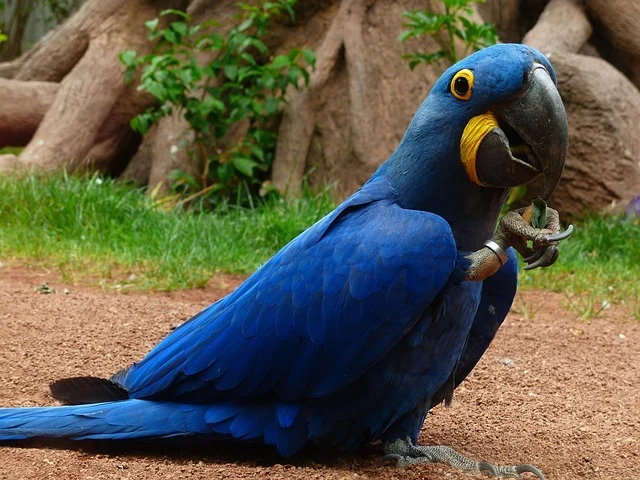
Hyacinth Macaw (Anodorhynchus hyacinthinus)
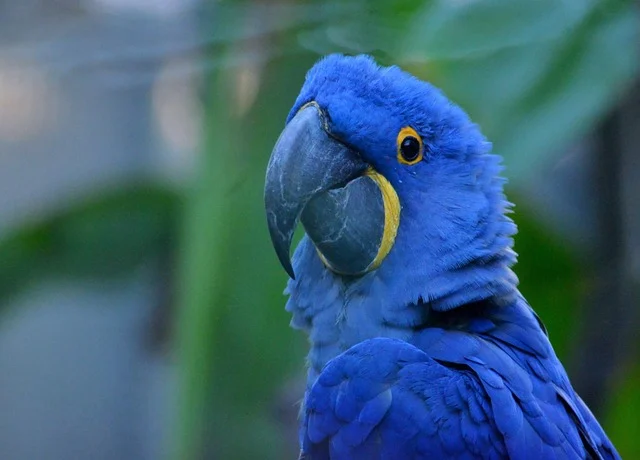
The Hyacinth Macaw is the largest flying parrot. It can reach up to 100 centimeters long. This parrot is native to central and eastern South America. It has intense cobalt-blue feathers. Also, it features bright yellow eye rings and yellow patches on its lower jaw. Hyacinths are very intelligent and gentle. However, their massive size and powerful beaks require dedicated facilities.
Blue-and-Yellow Macaw (Ara ararauna)
Also known as the Blue and Gold Macaw, this species features vibrant turquoise-blue feathers. These feathers are across its wings and back. They contrast with rich yellow belly plumage. The birds average 80 to 90 centimeters in length. They also weigh between 900 and 1,200 grams. As a result, they are energetic, loud, and deeply social companion birds.
Spix’s Macaw (Cyanopsitta spixii) (What blue bird is in Rio?)
The Spix’s Macaw displays shades of soft slate-blue and light grey. Tragically, in 2019, people declared it extinct in the wild. However, ongoing international conservation and reintroduction programs continue to support captive populations. This is the “blue bird” from the movie “Rio”. The Lear’s Macaw (Anodorhynchus leari) is another rare Brazilian native. It closely resembles a smaller Hyacinth Macaw. It also has metallic cobalt-blue feathers and pale yellow cheek patches.
Blue mutations in small and medium parrots
Selective breeding has produced striking blue mutations in several smaller species:
- Blue Indian Ringneck Parakeet: Displays vibrant sky-blue feathers, reaching around 40 centimetres.
- Blue Quaker Parrot: This parrot has soft blue body feathers. Also, it has a grey chest. It measures about 28 to 30 centimeters.
- Blue Pacific Parrotlet: A pocket-sized parrot measuring 12 to 14 centimetres, displaying cobalt or powder-blue feathers.
- Blue Budgerigar and Peach-faced Lovebird: These are popular domestic varieties. They offer soft pastel to deep blue tones. Also, they come in compact, manageable sizes.
How do popular blue parrot species compare?
Choosing the right bird depends on matching your living arrangements. Also consider your budget. Your bird-handling experience must match the specific demands of each species.
| Species | Average Size | Lifespan | Noise Level | Experience Required |
|---|---|---|---|---|
| Hyacinth Macaw | 95–100 cm | 50–80 years | Very High (100+ dB) | Advanced / Expert |
| Blue-and-Yellow Macaw | 80–90 cm | 50–70 years | Very High | Intermediate / Advanced |
| Blue Indian Ringneck | 38–42 cm | 25–30 years | Moderate to High | Intermediate |
| Blue Quaker Parrot | 28–30 cm | 20–30 years | Moderate to High | Beginner / Intermediate |
| Blue Budgerigar | 18–20 cm | 7–15 years | Low to Moderate | Beginner |
Who should—and shouldn’t—get a blue parrot? (Blue parrot pet)
Large blue parrots like macaws are demanding companions that do not fit into every home environment.
A blue parrot is ideal for you if:
- You have ample indoor space for a massive enclosure. A dedicated aviary room could also be an option.
- You can commit 3 to 5 hours every day for direct interaction, training, and out-of-cage flight time.
- Next, you are financially prepared for ongoing expenses. For example, these include specialized avian vet care. Also, you provide high-grade diets and destructible toys.
- You are comfortable handling loud vocalizations and managing high-energy animal behaviour.
A large blue parrot is not suited for:
- Macaw flock calls easily travel through walls. Therefore, this bird is not for apartment dwellers. Also, it is not for people living in terrace houses with shared walls.
- Large macaws can exert over 300 pounds per square inch of bite pressure. So, this bird is not for families with toddlers or very young children.
- People who work 12-hour shifts or travel frequently without dedicated, experienced bird sitters.
- Anyone seeking a quiet, low-maintenance pet to display in a living room.
What does a balanced blue parrot diet require?
Proper avian nutrition is the most effective way to prevent illness. It also extends your parrot’s life. Seed-only diets are inadequate. They lead to fatty liver disease, Vitamin A deficiencies, and metabolic disorders.
A healthy daily routine relies on specific dietary proportions:
- Formulated pellets (60–70%): High-quality organic pellets provide consistent vitamins, minerals, and trace elements without allowing selective feeding.
- Fresh vegetables and leafy greens (20–25%): Chopped kale, spinach, broccoli, sweet potato, carrots, bell peppers, and butternut squash.
- Fresh fruits (5–10%): Papaya, mango, blueberries, pomegranate seeds, and apple slices (without seeds).
- Nuts and seeds (5–10%): Raw almonds, walnuts, and pumpkin seeds served sparingly as training rewards.
Hyacinth Macaws are a notable exception regarding fats. In the wild, their diet consists almost entirely of palm nuts from acuri and bocaiuva palms. In captivity, they require higher fat levels, supplied through raw macadamia nuts, walnuts, and Brazil nuts, alongside formulated pellets.
Toxic foods to keep away from parrots
Never feed your parrot avocado, chocolate, or caffeine. Also avoid alcohol, onion, and garlic. Fruit seeds or pits contain traces of cyanide, so do not feed them. Do not give foods high in salt and refined sugar. Always maintain fresh, filtered water. Keep it in clean stainless steel bowls 24 hours a day.
How do you properly set up a blue parrot enclosure?
Your parrot’s enclosure is its sanctuary. Cages must provide enough room for full wing expansion and movement without feather contact against bars or toys.
Minimum cage dimension guidelines
- Large Macaws (Hyacinth, Blue-and-Yellow): They need a minimum of 120 cm wide x 120 cm deep x 180 cm high. However, larger indoor aviaries are preferred.
- Medium Parrots (Indian Ringneck, Quaker): Minimum 90 cm wide x 60 cm deep x 90 cm high.
- Small Parrots (Budgie, Parrotlet): Minimum 60 cm wide x 45 cm deep x 60 cm high.
Bar spacing and safe materials
Bar spacing must prevent head entrapment. For example, space macaw cage bars between 2.5 cm and 3.8 cm apart. For medium blue parrots, use 1.2 cm to 1.9 cm spacing. Ensure the structure is made from heavy-gauge stainless steel. Also, use non-toxic powder-coated metal. Avoid zinc, lead, or flaking paint finishes.
Perch selection and placement
Provide multiple perches made from natural, non-toxic woods such as manzanita, eucalyptus, or dragonwood. Vary perch diameters (from 3 cm to 8 cm for macaws) to exercise foot muscles and prevent pododermatitis (bumblefoot). Avoid smooth plastic perches or abrasive sandpaper perch covers.
Home hazard check for bird safety
Parrots have sensitive respiratory systems. Before bringing a bird home, eliminate these household hazards:
- PTFE/PFOA non-stick cookware: Overheated Teflon releases invisible, odourless fumes that are fatal to birds within minutes.
- Aerosols and scents: Avoid air freshener sprays, scented candles, incense, and harsh chemical cleaners near your bird.
- Structural risks: Turn off ceiling fans. Cover large mirrors. Also, secure open water sources during flight time. These include toilets or full sinks.
How do blue parrots communicate and behave? (Parrot behavior insights)
Understanding parrot body language allows you to interpret your bird’s emotional state and avoid accidental bites.
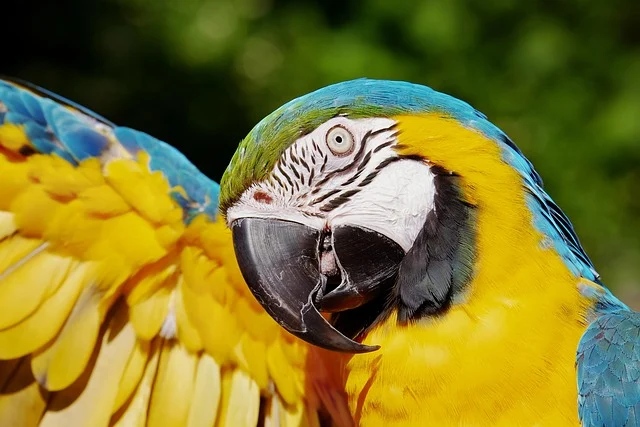
Key body language signals
- Eye pinning (pupil dilation): Rapid contraction and expansion of the pupils indicates heightened focus, excitement, sexual arousal, or impending aggression. Check surrounding cues before interacting.
- Fluffed feathers with preening: Indicates comfort, warmth, and contentment. However, continuous fluffing at the bottom of the cage indicates illness.
- Fanned tail and raised wings: Signals territory defense, excitement, or a warning to back away.
Vocalisations and mimicry
Macaws, Indian Ringnecks, and Quakers are skilled mimics. They can learn words and phrases. They also learn environmental noises. All parrots use contact calls and squawks. They also use natural screaming. This occurs during early morning and late afternoon hours. Screaming is normal social behavior. Therefore, you cannot train this trait away entirely.
Enrichment and toy rotation
Blue parrots possess cognitive abilities. These are comparable to a young child. Without mental challenges, they develop destructive habits. Therefore, supply a mix of foraging toys. Treats are hidden inside paper or wooden puzzles. Also provide destructible chewing blocks made from softwood and leather. Add stainless steel bell toys. Rotate toys weekly to maintain novelty.
How do you fix common behavioural challenges?
Behavioural problems usually stem from boredom, lack of sleep, hormonal changes, or inadvertent positive reinforcement of bad habits.
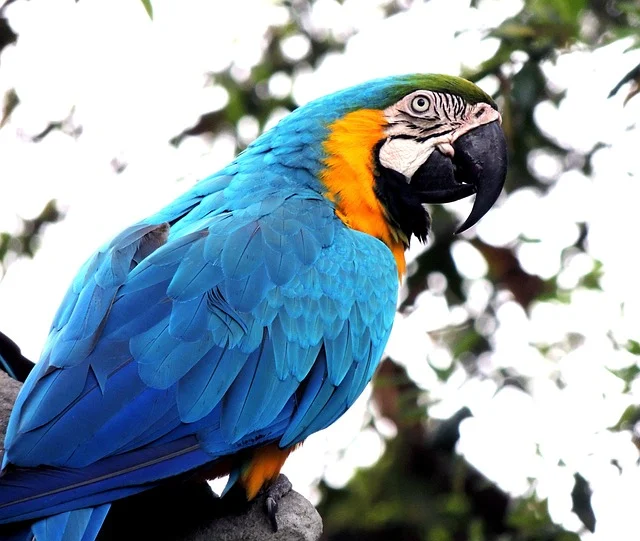
Addressing feather plucking
Feather plucking (pterotillomania) occurs when a bird compulsively damages or tears out its own feathers. Causes include medical problems (skin infections, parasites, liver issues), low humidity, dietary lack, or chronic stress and boredom. If plucking begins, book an avian vet exam immediately to rule out physical disease before making environmental adjustments.
Managing excessive screaming
When a parrot screams for attention, you might respond by entering the room. You might also talk to the bird or shout back. However, this reinforces the behavior. Instead, ignore screaming completely. Reward the bird with eye contact, praise, or treats only when it is quiet. You can also reward pleasant whistles.
Handling biting and hormonal shifts
Parrots often experience heightened territorial aggression during spring breeding cycles. Use structured positive reinforcement training to establish clear boundaries. Train your bird to use target sticks and respond to a clear “step-up” command using preferred food treats. Never hit, spray, or punish a parrot, as physical discipline destroys trust and escalates biting.
Step-by-step guide: Preparing your home for a blue parrot (Parrot care guide)
Follow these steps to prepare your home before bringing your bird home:
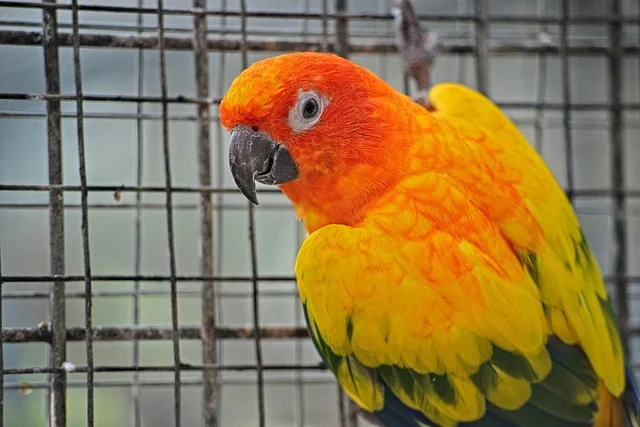
- Clear the living environment: Replace all non-stick cookware. Use stainless steel or ceramic alternatives. Remove toxic indoor plants like dieffenbachia, poinsettia, and ivy. Also, eliminate chemical air fresheners.
- Assemble and position the enclosure: Erect the cage in a high-activity room. A living room is a good example. Place it against a back wall. This helps the bird feel secure. Do not place cages directly in kitchens. Also, avoid placing them beside drafty exterior doors.
- Install perches and foraging stations: Set up natural wood perches at varying heights. Also, ensure food and water dishes are not directly under upper perches. This prevents droppings from landing in them.
- Stock up on supplies: Purchase high-grade pellets and safe chew toys. Also, buy travel carriers and a scale for weekly weight checks. In addition, get bird-safe cleaning products, like diluted organic apple cider vinegar.
- Register with an avian veterinarian: Locate a specialized avian vet. Then, schedule a baseline health checkup. Do this within 48 hours of bringing your bird home.
What medical issues affect blue parrots?
Parrots hide signs of illness to avoid appearing vulnerable to predators. Subtle behavioural changes are often the only early warning signs of disease.
Common medical conditions
- Psittacosis (Parrot Fever / Chlamydia psittaci): A bacterial infection that can transfer to humans. Symptoms include lethargy, lime-green droppings, nasal discharge, and swollen eyes.
- Psittacine Beak and Feather Disease (PBFD): A contagious viral disease causing abnormal feather development, feather loss, and beak malformations.
- Aspergillosis: A fungal respiratory infection caused by damp substrate, moldy food, or inadequate ventilation. Causes labored breathing and voice changes.
- Metabolic Bone Disease: Caused by calcium and Vitamin D3 deficiencies, leading to weak bones, tremors, and soft beaks.
Emergency illness signs
Contact your avian vet immediately if you notice:
- Sitting fluffed up on the cage floor for extended periods.
- Tail bobbing up and down with every breath.
- Clear water droppings without distinct green/white solid parts.
- Discharge around the nostrils (nares) or eyes.
- Sudden loss of balance, drooped wings, or severe lethargy.
What are the costs and legal considerations in the UK? (How much blue parrot? Blue parrot price)
Keeping a blue parrot requires a clear understanding of acquisition costs, ongoing care budgets, and legal protections.

Purchase prices and initial setup
- Blue Budgerigar / Parrotlet: £30 to £150
- Blue Indian Ringneck / Quaker: £150 to £450
- Blue-and-Yellow Macaw: £1,500 to £3,000
- Hyacinth Macaw: £7,000 to £12,000+
Large enclosures for macaws cost between £800 and £2,500, with annual food, toy replacement, and avian vet insurance adding £600 to £1,500 each year.
UK legal responsibilities
In the UK, exotic pet owners must comply with the Animal Welfare Act 2006. This act makes owners legally responsible for providing suitable housing. They must also provide a proper diet and protection from pain. Finally, owners must give their pets space to exhibit normal behavior patterns.
Additionally, you protect endangered species like the Hyacinth Macaw. They fall under CITES Appendix I. This means the Convention on International Trade in Endangered Species. Therefore, selling a Hyacinth Macaw in the UK legally requires an official Article 10 commercial certificate. [britexotics.co.uk] APHA, the Animal and Plant Health Agency, issues this certificate.
Where should you source a blue parrot?
When getting a blue parrot, choose between adopting a bird in need of rehoming or buying from an ethical breeder.
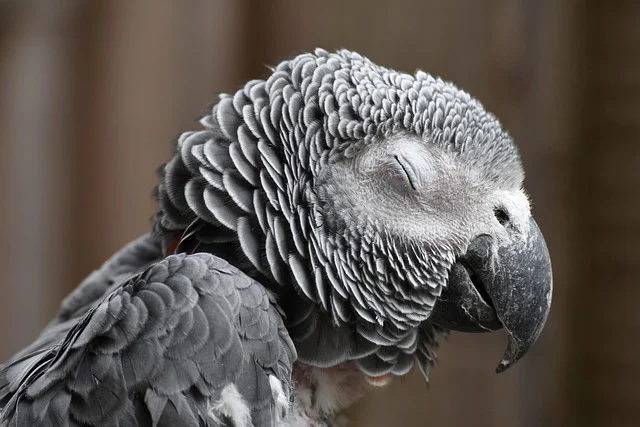
Adoption through avian rescues
Adopting from a rescue organization like Parrot Sanctuary UK offers birds a second home. People surrender these birds due to life changes or unprepared previous owners. Rescues screen potential keepers. They also assess bird temperaments and provide ongoing guidance. Adoption fees are typically lower than purchase prices. Furthermore, you gain clear insight into the bird’s personality.
Evaluating a breeder
If buying a chick from a breeder, inspect the breeding facility in person. Ensure the breeder provides:
- DNA sexing certificates and hatch paperwork.
- Closed, smooth metal leg bands with unique identification numbers.
- Disease testing documentation for PBFD, Chlamydia, and Polyomavirus.
- Fully weaned chicks eating solid pellet and vegetable diets independently (never buy unweaned hand-feeding chicks).
Related reading
- 2026
- parrots
Understanding Blue Parrot Species
What is a blue parrot?
The term “blue parrot” refers to several distinct parrot species and color mutations known for their striking blue plumage. There isn’t a single species officially named “blue parrot”; rather, it encompasses full species with naturally blue feathers and blue color mutations of popular captive parrots.
Which species are referred to as blue parrots?
Species referred to as blue parrots include the Hyacinth Macaw, Blue-and-Yellow Macaw, Spix’s Macaw, and Lear’s Macaw. Additionally, blue color mutations exist in smaller species like the Blue Indian Ringneck Parakeet, Blue Quaker Parrot, Blue Pacific Parrotlet, Blue Budgerigar, and Peach-faced Lovebird.
What blue bird is in Rio?
The blue bird from the movie “Rio” is the Spix’s Macaw. This species displays shades of soft slate-blue and light grey and was tragically declared extinct in the wild in 2019, though conservation efforts continue to support captive populations.
Frequently asked questions
Can a blue parrot learn to talk?
Yes, many blue parrot species are capable of learning to mimic human speech. These include macaws, Indian Ringnecks, and Quakers. They can also mimic other sounds. Their ability to talk varies by individual bird and species. Some are more vocally inclined than others. Consistent interaction and training can encourage vocalization.
What is the average lifespan of a Hyacinth Macaw? (Blue parrot lifespan)
Hyacinth Macaws live an impressive life. They typically live 50 to 80 years in captivity. However, this requires proper care, high-fat diets, and a stimulating environment. So, keeping one is a lifelong commitment. You must plan for their long-term care.
Are blue parrots good pets for beginners?
Generally, you should not recommend larger blue parrot species, like macaws, for first-time bird owners. This is because of their strength and complex psychological needs. Also, they have high noise levels. However, smaller blue variations, such as blue Budgerigars or Quaker Parrots, are much better suited for beginners. You must be willing to learn proper avian care.
How big does a blue parrot enclosure need to be?
For larger blue parrot species, such as macaws, the cage should be at least 120 cm wide. It must also be 120 cm deep and 180 cm high. Larger aviaries are always better. Bar spacing must be between 2.5 cm and 3.8 cm. This ensures safety and security.
What are the most common health problems for blue parrots?
Common health issues include respiratory infections, psittacosis, parasitic infections, feather plucking, and metabolic bone disease linked to poor diet. Regular avian veterinary check-ups are important for early detection and treatment.