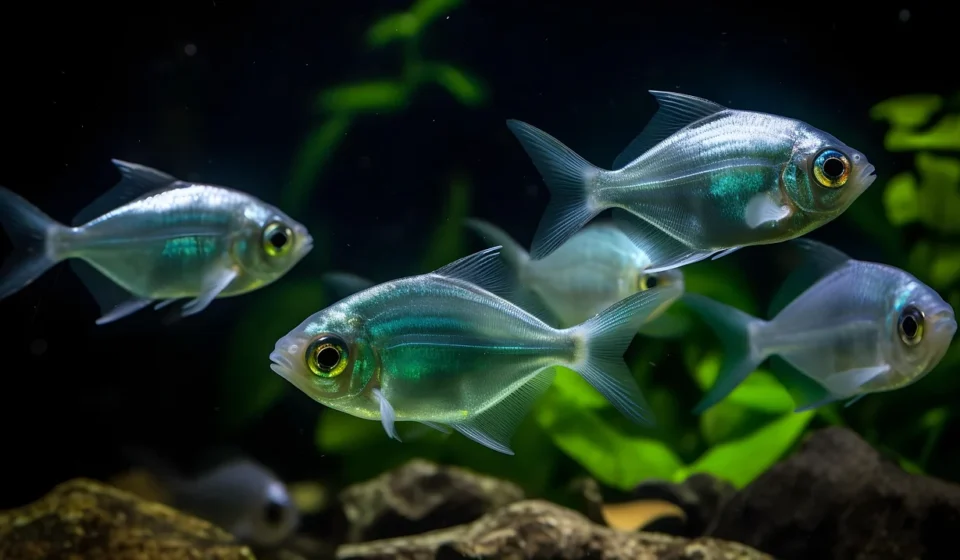
Understanding the specific needs of these charming fish is important for their long-term well-being. Unlike some hardier species, cherry barbs truly flourish when their environment closely mimics their natural habitat.
Cherry barb care: origins and characteristics
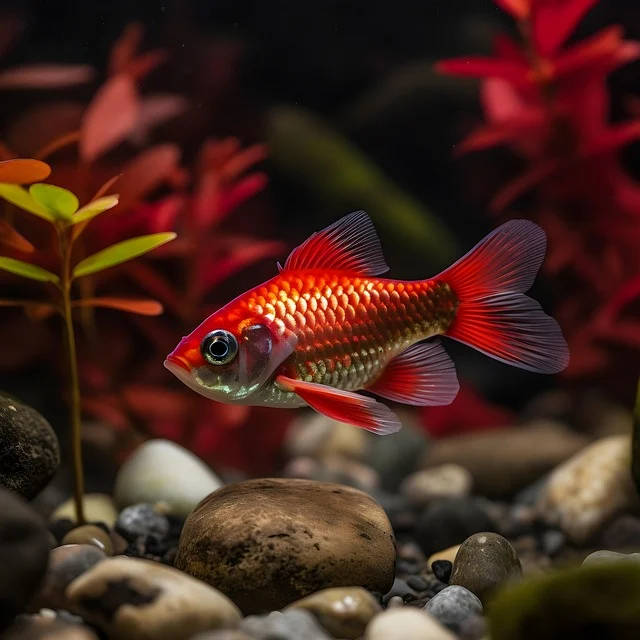
Cherry barbs are small, active schooling fish native to the slow-moving, heavily shaded streams of southwestern Sri Lanka. They are known for their striking colours. Males develop a deep, rich red hue, particularly during breeding. Females are typically paler, often a tannish-red or amber-brown. They tend to be rounder in body shape. Sudasinghe, Rüber, and Meegaskumbura reclassified this species from Puntius titteya to Rohanella titteya in 2023.
We always advise potential owners to appreciate that while beautiful, the IUCN lists the wild population of cherry barbs as Vulnerable. This is due to habitat loss and overcollection. Fortunately, most aquarium trade specimens are captive-bred. This helps reduce pressure on wild populations.
How Large Do Cherry Barbs Grow?
Cherry barbs typically grow to an adult size of 1.5 to 2 inches (3-5 cm). This modest size makes them suitable for smaller community aquariums, provided the tank size is still appropriate for a school.
Creating the Ideal Cherry Barb Habitat: Tank Size and Setup
The success of keeping cherry barbs largely depends on providing a suitable and stable environment. Their natural habitat of slow-moving, heavily shaded streams informs many of the best practices for their aquarium setup.
What Tank Size Do Cherry Barbs Need?
For a school of 6 to 8 cherry barbs, proper cherry barb care includes a minimum tank size of 25 to 30 gallons. While some sources might suggest a 20-gallon tank or even 18 US gallons (70 liters), we strongly advise against a 10-gallon tank. A common misconception is that a 10-gallon tank is sufficient. However, this can lead to anxiety, male aggression, and faded coloration due to insufficient swimming room and unstable water parameters. A larger tank provides the stability and space necessary for a healthy, active school.
When selecting a tank, consider its footprint. A longer tank offers more horizontal swimming space, which these active fish will appreciate more than a tall, narrow one.
Substrate and Decor for Cherry Barbs
Cherry barbs thrive in a well-planted aquarium with plenty of hiding spots. We suggest a dark substrate, such as fine gravel or sand, for optimal cherry barb care. This can help to bring out their vibrant colours and make them feel more secure. Live plants like Java fern, Anubias, and Cryptocoryne species are excellent choices. They tolerate a wide range of water conditions and provide shade and cover. You can also incorporate driftwood and smooth river rocks. These create natural-looking hiding places and break up line of sight, which is particularly useful if you observe any minor squabbles among males.
Filtration and Lighting
You need a good quality filter to maintain clean and stable water conditions. We recommend a hang-on-back (HOB) filter or a canister filter. The choice depends on the tank size. Ensure it provides adequate mechanical, chemical, and biological filtration. Cherry barbs prefer slow-moving water. If your filter produces a strong current, we suggest diffusing it with a spray bar or strategically placed decor.
Lighting should be moderate. As they come from shaded streams, very bright lighting can stress cherry barbs. If you have strong lights for plants, we recommend providing plenty of floating plants like Water Lettuce or Frogbit to help diffuse the light and create dappled shade.
Maintaining Optimal Water Conditions for Cherry Barbs
Stable water parameters are paramount for the health of cherry barbs. Regular testing and maintenance are key to preventing stress and disease.
How Cold Can Cherry Barbs Tolerate?
Cherry barbs prefer warm, tropical water. The ideal water temperature range is generally 73-81°F (23-27°C). Some sources suggest a slightly narrower range of 75-80°F (24-27°C) or a broader one of 68-81°F (20-27°C). Temperature stability is more critical than hitting an exact number within this range. Sudden fluctuations can cause significant stress. A reliable aquarium heater with a thermostat is indispensable for proper cherry barb care to maintain a consistent temperature.
pH and Hardness
Cherry barb care requires a pH range of generally 6.0-7.5, though some sources indicate they tolerate 6.0-8.0. General hardness (GH) should span 4 to 15 dGH, with suggestions from 2-12 dGH to 2-20 dGH. Aim for the softer, slightly acidic to neutral side, as it mimics their natural environment. Regular water testing with a liquid test kit monitors these parameters.
Water Changes and Testing
You can maintain consistent water quality through regular partial water changes. Always use a chlorinator when adding tap water to the aquarium. Testing the water parameters weekly, including ammonia, nitrite, nitrate, pH, and GH, allows you to catch any issues before they become serious. We also recommend having an emergency water treatment plan ready for unexpected spikes in harmful compounds.
What to Feed Cherry Barbs for Health and Colour
Cherry barbs are omnivores, meaning they eat both plant and animal matter. A varied and high-quality diet is important for their health, vibrant coloration, and overall vitality.
What to Feed My Cherry Barbs?
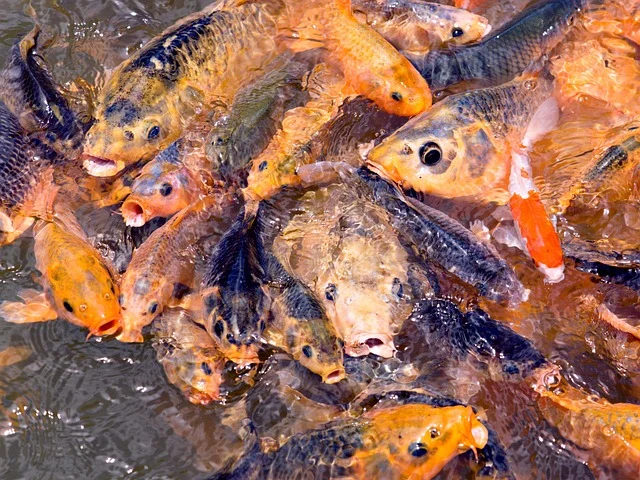
We recommend feeding cherry barbs a varied diet for proper cherry barb care. This includes high-quality flakes, small pellets, and occasional live or frozen foods. Good quality flake food should form the staple of their diet. Supplement this with frozen or live foods such as Daphnis, brine shrimp, and bloodworms a few times a week. You can also offer vegetable matter in the form of blanched zucchini or spirulina flakes. This diverse diet provides all the necessary nutrients and helps prevent nutritional deficiencies.
Feeding Schedule
Feed your cherry barbs small amounts two to three times a day. Give them only what they can consume within two to three minutes. Overfeeding can lead to water quality issues and health problems for the fish. You will benefit from observing their feeding behaviour. If food is left uneaten after a few minutes, you are likely feeding the fish too much.
Social Life and Temperament: Do Cherry Barbs Get Along?
Cherry barbs are generally peaceful fish, making them an excellent choice for community aquariums. However, their social structure and interactions with other species require careful consideration.
Schooling Behaviour
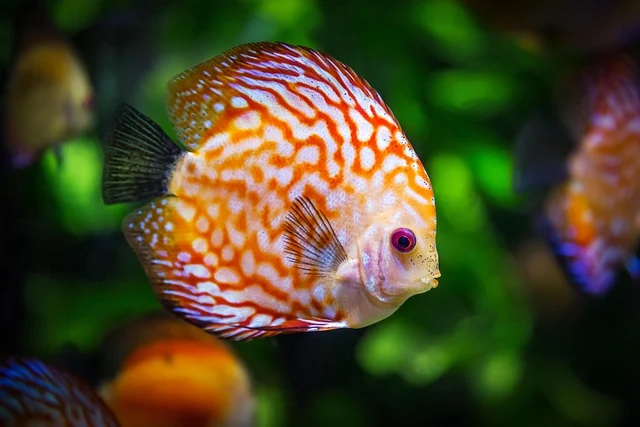
Cherry barbs are schooling fish. You should always keep them in groups of at least 6 individuals. Groups of 8 to 12 promote more natural behaviour, reduce stress, and enhance their coloration. A common misconception is that a group of 4 fish is sufficient for proper cherry barb care. However, they are much more confident and colourful in larger groups. Keeping them in too small a group can lead to shyness, stress, and even aggression among males as they compete for dominance.
Can Cherry Barbs Be Aggressive?
Cherry barbs are generally peaceful, unlike some other barb species. However, males can exhibit some mild territorial behaviour and chase each other, especially during breeding periods. This is typically harmless and part of their natural social dynamic, particularly when kept in a sufficiently large school. To prevent stress from male harassment during spawning, we recommend maintaining a ratio of at least 1 male to 2 females.
If you observe excessive nipping or aggression, it often points to an issue with tank size, group size (too few fish), or an imbalanced male-to-female ratio. Increasing the school size or adding more visual breaks in the tank can often alleviate these issues.
Choosing Compatible Tank Mates
Cherry barbs are suitable for community tanks with other non-aggressive, similarly sized fish that prefer similar water parameters. Good tank mates include:
- Other peaceful small tetras: Neon tetras, Cardinal tetras, Rummy-nose tetras.
- Rasboras: Harlequin rasboras, Chili rasboras.
- Dwarf gouramis: Honey gouramis (though it is important to ensure the tank is large enough for both schools to have space).
- Corydoras catfish: Various species, as they occupy the bottom layer.
- Small, peaceful loaches: Kuhli loaches.
We advise against keeping cherry barbs with large, aggressive, or fin-nipping fish. Also, avoid very timid species. Cherry barbs might outcompete them for food or stress them with their active nature.
Do Cherry Barbs Get Along With Shrimp?
Aquarists often express this common concern. Experience suggests a nuanced answer. Cherry barbs can sometimes prey on very small or juvenile shrimp. This happens especially if they are hungry or if the shrimp lack sufficient hiding places. Adult larger shrimp, such as Amano shrimp, are generally safe. However, exercise caution about keeping cherry barbs with dwarf shrimp species like Cherry Shrimp. This is particularly true if breeding the shrimp is an objective. If you combine them, ensure the tank is heavily planted with dense foliage and mosses for proper cherry barb care. This will provide ample refuge for the shrimp.
Breeding Cherry Barbs in the Aquarium
Breeding cherry barbs can be a rewarding experience for the dedicated aquarist. They are egg scatterers and do not provide parental care.
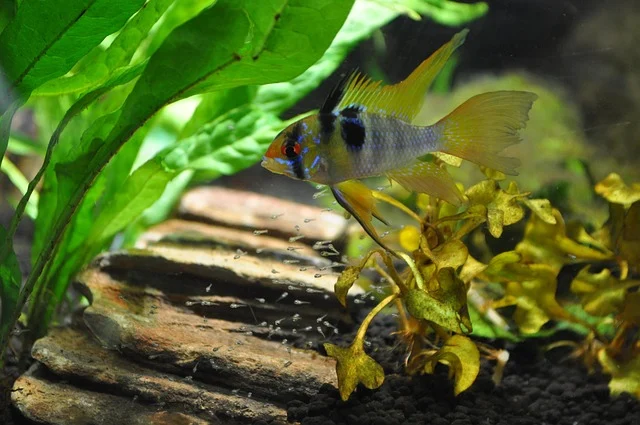
To master cherry barb care for breeding, we recommend setting up a separate breeding tank of about 10–15 gallons. This tank should have soft, slightly acidic water (pH 6.0-6.5, GH 4-8 dGH). Keep its temperature around 77-79°F (25-26°C). Provide fine-leaved plants like Java moss or a spawning mop for the fish to lay their eggs on. Condition the breeding pair with high-quality live and frozen foods for a week or two. Then introduce them to the breeding tank.
The female will typically scatter hundreds of tiny, transparent eggs among the plants. Once spawning is complete, usually within a day, we advise removing the adult fish to prevent them from eating the eggs. The eggs usually hatch within 24–48 hours. The fry will become free-swimming a few days later. You can feed them infusorial or liquid fry food initially, followed by newly hatched brine shrimp as they grow.
Special Considerations for Veiltail and Longfin Cherry Barbs
Beyond the standard wild-type cherry barb, aquarists may encounter ornamental varieties such as Veiltail and Longfin Cherry Barbs. These are selectively bred for their exaggerated finnage, which adds a distinct aesthetic to the aquarium.
Their care requirements remain largely the same as their short-finned counterparts regarding water parameters and diet. However, you should highlight a few key differences. The longer fins can make them slower swimmers. They are also potentially more susceptible to fin nipping from other fish, even generally peaceful ones. Therefore, when you choose tank mates for Veiltail or Longfin Cherry Barbs, select only the calmest species. This is even more important. Also, ensure your aquarium decor does not have sharp edges that could tear their delicate fins.
Their slower movement might also mean they are less competitive during feeding, so we recommend observing them closely to ensure they are getting enough food, especially if housed with faster-moving species.
Common Challenges and Troubleshooting
Even with the best care, you might encounter some common issues when keeping cherry barbs.
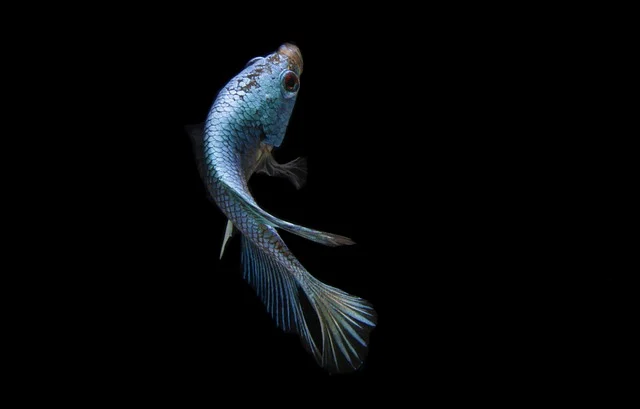
- Faded Colouration: If your cherry barbs lose their vibrant colour, it often indicates stress. This could be due to poor water quality, incorrect water parameters, insufficient group size, or aggressive tank mates. You should check all water parameters. Ensure the tank is adequately sized for their school, and observe tank mate interactions.
- Disease: Cherry barbs are generally hardy but can be susceptible to common freshwater diseases like Ich (white spot disease) or fin rot if stressed or kept in poor conditions. Maintaining pristine water quality and a stable environment is the best preventative measure. If disease occurs, prompt treatment with appropriate aquarium medications is necessary.
- Aggression: While usually peaceful, male cherry barbs can sometimes become overly territorial, especially if there aren’t enough females or if the school is too small. We recommend increasing the school size to at least 8–12 individuals and ensuring a ratio of at least 1 male to 2 females. Adding more plants and decor can also help break up lines of sight and reduce aggression.
By staying vigilant and addressing these issues promptly, you can ensure your cherry barbs remain healthy and thrive in your aquarium.
Frequently asked questions
What is the minimum group size for cherry barbs?
Cherry barbs are schooling fish. You should always keep them in groups of at least 6 individuals. Keeping them in larger groups of 8 to 12 promotes more natural behaviour. This also reduces stress and enhances their vibrant coloration.
Do cherry barbs need a heater?
Yes, cherry barbs need a heater. They are tropical fish that require a stable water temperature between 73-81°F (23-27°C). A reliable aquarium heater with a thermostat is essential to maintain this consistency.
Can I keep cherry barbs with bettas?
We generally advise caution when you keep cherry barbs with bettas. While cherry barbs are peaceful, their active nature might stress a solitary betta. The betta’s long fins could also be a target for nipping, especially from male cherry barbs. It’s best to avoid this pairing unless you have a very large, heavily planted tank. You must also be prepared to monitor them closely.
How long do cherry barbs live?
With optimal care, cherry barbs typically live for about 4 to 5 years in an aquarium. A stable environment, high-quality diet, and good water parameters contribute significantly to their longevity.