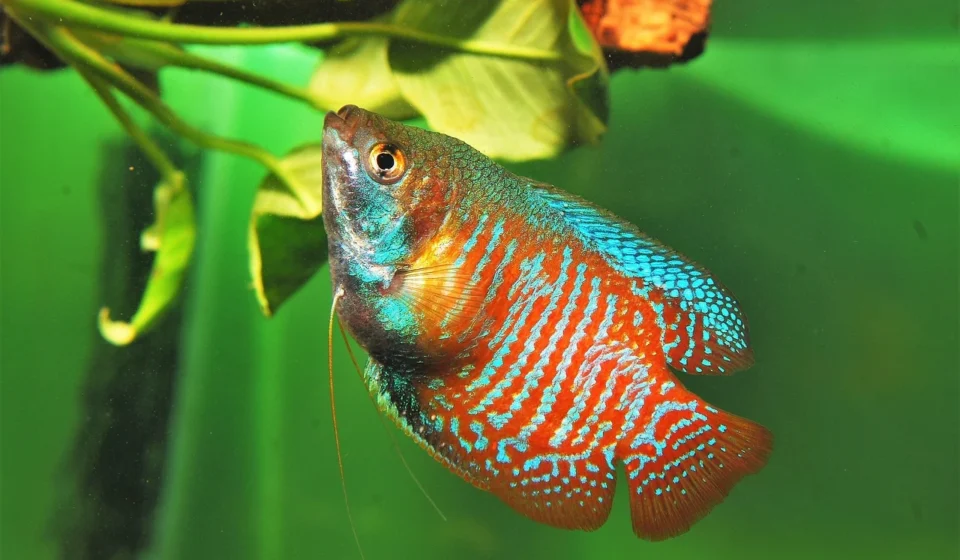
A Gourami fish is a diverse freshwater species native to Asia, famous for its striking colors, modified pelvic fins, and specialized air-breathing labyrinth organ. Also, keeping a gourami successfully requires matching the specific species to your tank size, providing gentle water filtration with floating plants, and choosing non-nipping tank mates.
The common name “gourami” stems from the Sundanese word “gurame” and applies across three distinct families: Osphronemidae, Helostomatidae, and Anabantidae. Therefore, understanding their specific care, size variation, and dietary needs ensures your aquarium remains balanced and healthy.
- Gouramis are anabantoid fish native to Asian wetlands, using a unique labyrinth organ to breathe atmospheric oxygen at the water surface.
- Species vary widely in size, temperament, and water preferences, ranging from peaceful 2-inch Honey Gouramis to aggressive 12-inch Kissing Gouramis.
- Successful maintenance demands low water flow, abundant live and floating plants, and careful monitoring of surface air temperature.
- Disease prevention is critical, particularly for the incurable Dwarf Gourami Iridovirus (DGIV).
- Tank mate choices must exclude fin-nipping fish and aggressive territory rivals.
What makes gouramis unique aquarium fish?
Gouramis belong to the suborder Anabantoidei, commonly referred to as anabantoids or labyrinth fish. Their most famous evolutionary adaptation is the labyrinth organ, a heavily vascularized, folded structure situated near their gills. In slow-moving, warm, or stagnant Asian swamps and rice paddies, oxygen levels in the water often drop significantly. The labyrinth organ allows gouramis to gulp atmospheric air directly from above the water surface, extracting oxygen through thin tissue membranes.
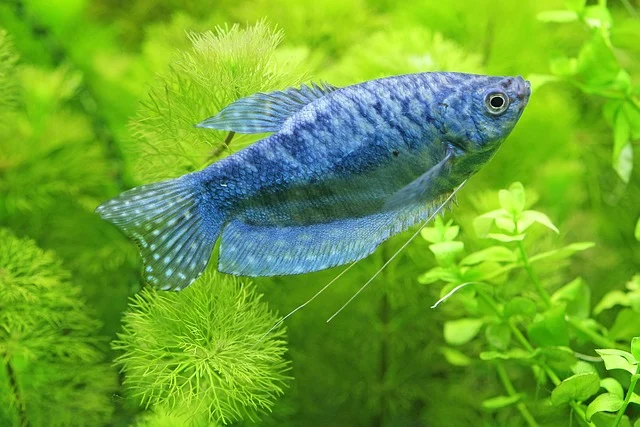
Because of this air-breathing mechanism, gouramis depend on surface access. If a tank cover fits too tightly without an air gap, or if the air above the water is cold or dry, the fish can suffer respiratory distress or contract infections. Maintaining warm, humid air under the tank lid is just as important as keeping water quality stable. While they still possess functional gills, surface gulping is a natural and necessary routine.
Another distinct physical feature is their modified pelvic fins. These thread-like filaments act as tactile feelers packed with sensitive taste buds and nerve endings. Gouramis use these feelers to inspect their surroundings, search for food, and communicate with potential mates or rivals in murky water.
How do popular gourami species compare?
The gourami family encompasses over 100 species, ranging from tiny fish suitable for nano tanks to giant species that require massive custom enclosures. While the Dwarf Gourami (Trichogaster lalius) is among the most popular options in local fish stores, alternative species often prove hardier and more peaceful for community setups.
The Honey Gourami (Trichogaster chuna) reaches only 2 to 3 inches and exhibits a calm, curious nature. Males feature vivid golden-orange coloration with a deep turquoise throat when sexually mature. They are far less prone to aggressive outbursts and resist viral conditions far better than Dwarf Gouramis.
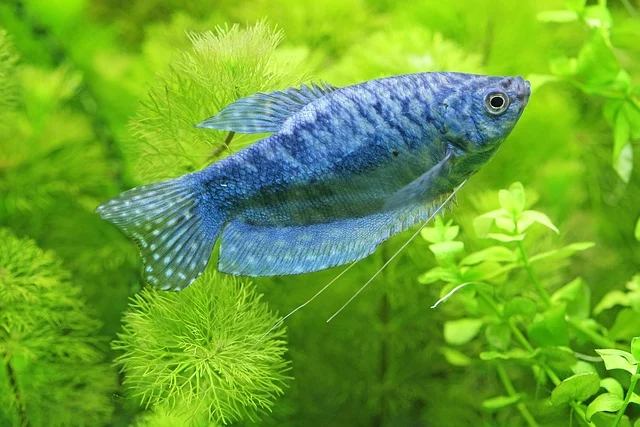
The Pearl Gourami (Trichopodus leerii) grows to 4 or 5 inches and displays intricate iridescent spots resembling pearl dust across its body. Despite its larger size, it remains one of the gentlest community gouramis available, thriving alongside small tank mates in heavily planted aquariums.
The Three-Spot or Opaline Gourami (Trichopodus trichopterus) reaches 5 to 6 inches and displays greater territorial behavior. However, males can dominate smaller tank mates, making them better suited for larger community aquariums with active, durable companions. Specialist species like the Chocolate Gourami (Sphaerichthys osphromenoides) and Licorice Gourami (Parosphromenus deissneri) require extremely soft, acidic water and blackwater conditions, making them challenging for beginners.
| Species Name | Scientific Name | Adult Size | Minimum Tank Size | Temperament | Care Level |
|---|---|---|---|---|---|
| Honey Gourami | Trichogaster chuna | 2–3 in (5–7 cm) | 10–20 gal (38–75 L) | Peaceful | Beginner |
| Dwarf Gourami | Trichogaster lalius | 3–3.5 in (7–9 cm) | 20 gal (75 L) | Semi-aggressive (males) | Intermediate |
| Pearl Gourami | Trichopodus leerii | 4–5 in (10–12 cm) | 30–40 gal (115–150 L) | Peaceful | Beginner to Intermediate |
| Opaline / Three-Spot | Trichopodus trichopterus | 5–6 in (12–15 cm) | 35–55 gal (130–210 L) | Semi-aggressive | Intermediate |
| Kissing Gourami | Helostoma temminckii | 10–12 in (25–30 cm) | 75–100 gal (280–380 L) | Aggressive / Territorial | Advanced |
| Chocolate Gourami | Sphaerichthys osphromenoides | 2–2.5 in (5–6 cm) | 20 gal (75 L) | Shy / Peaceful | Advanced |
How to set up the ideal gourami tank
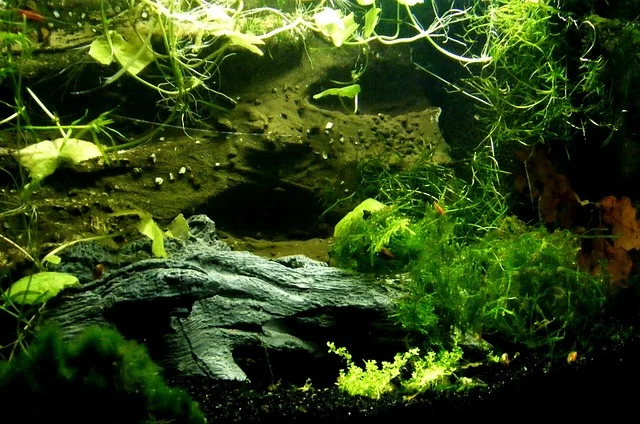
Designing a habitat that caters to gourami behavior requires attention to water flow, aquascaping, and surface conditions. Because these fish originate from calm, vegetated waters, low current is essential. High filter output causes exhaustion and interferes with surface air gulping and nest construction.
Tank sizing and layout
A 20-gallon tank serves as the standard starting point for small species like Honey or Dwarf Gouramis. Medium species like Pearl Gouramis need at least 30 to 40 gallons, while larger varieties require 55 gallons or more. Use dark sand or smooth fine gravel for substrate, as dark backgrounds and dark substrates reduce stress and bring out the fish’s natural iridescence.
Planting and surface cover
Density matters when aquascaping for gouramis. Incorporate root plants like Amazon Swords, Java Fern, and Anubias to break lines of sight and create retreats for subordinate fish. Floating plants such as Amazon Frogbit, Salvinia, or Water Lettuce diffuse harsh aquarium light and create a sheltered upper layer where gouramis spend much of their time.
Water parameters and filtration
Maintain precise water conditions to support long-term health:
- Temperature: 75°F to 82°F (24°C to 28°C)
- pH Range: 6.5 to 7.5 (Chocolate Gouramis prefer 5.0 to 6.5)
- Hardness: 5 to 15 dGH (soft to moderately hard)
- Filtration: Sponge filters or low-flow hang-on-back filters with adjustable flow nozzles
What is the best diet for gouramis?
Gouramis are omnivorous micro-predators that thrive on a varied diet. In nature, they pick at aquatic insects, small crustaceans, algae, and organic detritus. Replicating this diversity in captivity supports vibrant coloration, strong immunity, and active breeding behavior.
Staple foods and feeding schedules
Base their diet on micro-pellets or high-quality tropical flakes rich in marine proteins and natural color enhancers. Feed small amounts once or twice daily, offering only what the fish can finish within two minutes. Gouramis possess narrow throats, so ensure pellet sizes match the mouth capacity of your chosen species.
Nutritional treats and vegetable matter
Supplement staple foods three times a week with protein-dense frozen or live foods:
- Bloodworms
- Brine shrimp (Artemia)
- Daphnia (helps clean digestive tracts)
- Mysis shrimp
Offer vegetable matter like spirulina flakes, blanched spinach, or peeled green peas once a week. Because digestive blockages and constipation can cause swim bladder problems in anabantoids, fiber from green vegetables promotes regular digestion.
Which tank mates are safest for gouramis?
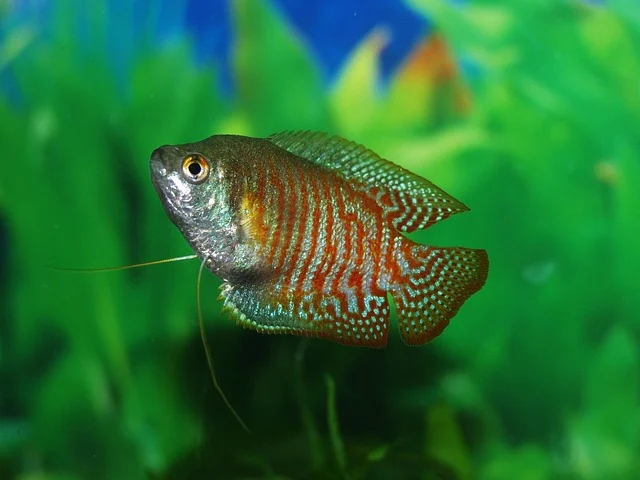
Selecting suitable tank mates depends on species size and individual temperament. Gouramis occupy the upper and middle water layers, so pairing them with bottom-dwellers and calm mid-water schoolers prevents territorial conflicts.
Recommended community tank mates
Ideal choices include quiet, non-aggressive species with similar water demands:
- Schooling fish: Neon Tetras, Cardinal Tetras, Harlequin Rasboras, and Ember Tetras.
- Bottom dwellers: Corydoras catfish, Otocinclus, and Kuhli Loaches.
- Livebearers: Endler’s Livebearers and peaceful Guppies (avoid species with long flowing fins if keeping semi-aggressive gouramis).
Species to avoid
Never house gouramis with aggressive or fast-moving fin-nippers. Tiger Barbs, Serpae Tetras, and large cichlids often attack the delicate feelers of gouramis, causing severe stress and secondary fungal infections. Also, avoid housing multiple male gouramis together in tanks under 40 gallons, as males compete aggressively for surface territory.
Do not combine gouramis with Siamese Fighting Fish (Bettas). Because Bettas are also anabantoids with similar body shapes and surface habits, males of both species view each other as rivals, leading to violent territorial fighting.
How to prevent and manage gourami diseases
However, specific health challenges affect gouramis in home aquariums.
Dwarf Gourami Iridovirus (DGIV)
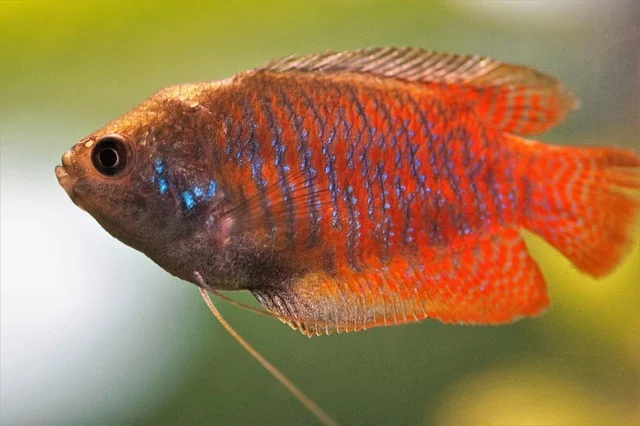
Dwarf Gourami Iridovirus is a contagious viral disease affecting a high proportion of commercially bred Trichogaster lalius. Symptoms include severe lethargy, body sores, dull color, abdominal swelling, and loss of appetite. There is no cure for DGIV. Infected fish usually deteriorate within weeks. Therefore, quarantine all new fish for 30 days prior to display introduction, and purchase stock from reputable breeders or choose alternative hardier species like the Honey Gourami or Pearl Gourami.
Common parasitic and bacterial infections
- Ich (White Spot Disease): Appears as white crystal-like spots on fins and skin. Treat by gradually raising tank temperature to 82°F–84°F (28°C–29°C) and adding targeted copper or formalin treatments.
- Fin Rot: Characterized by frayed, blackened, or dissolving fin edges caused by poor water parameters. Improve water changes and treat with antibacterial medications if needed.
- Velvet Disease: Causes a fine golden-brown dust coating across the scales. Treat with light deprivation and anti-parasitic medication.
How to breed bubble-nesting gouramis
Breeding gouramis requires a dedicated breeding tank setup and understanding of their specialized parental roles.
Step 1: Set up the breeding tank
Prepare a 10 to 15-gallon tank filled with only 6 to 8 inches of water. Lowering water depth helps the male easily retrieve fallen eggs. Also, add floating plants, install an adjustable heater set to 80°F–82°F (27°C–28°C), and use a gentle sponge filter turned down low.
Step 2: Condition the breeding pair
Separate the male and female for 10 to 14 days prior to introduction. Condition both fish with high-protein live or frozen foods like bloodworms and brine shrimp twice daily until the female displays a noticeably plump, egg-filled abdomen.
Step 3: Nest building and spawning
Introduce the male first, followed by the female a day later. The male coats air bubbles with saliva, building a thick bubble nest under floating plant leaves. Once the nest is built, he lures the female beneath it, wrapping his body around hers in an embrace to fertilize eggs as she releases them.
Step 4: Egg retrieval and female removal
As eggs float toward the surface, the male catches any sinking eggs in his mouth and spits them safely into the bubble nest. Immediately remove the female after spawning finishes, as the male will aggressively drive her away to protect the nest.
Step 5: Fry care
Eggs hatch within 24 to 36 hours. The male guards the fry until they become free-swimming 2 to 3 days later, after which he should also be removed. Feed the tiny fry infusoria or liquid fry food for the first week, graduating to microworms and fresh baby brine shrimp as they grow.
Frequently asked questions
Are gouramis aggressive fish?
Gourami temperament varies by species and individual. While Honey and Pearl Gouramis are peaceful, male Dwarf and Three-Spot Gouramis can become territorial toward other surface-dwelling fish or rival males.
What is the lifespan of a gourami fish?
With proper care and clean water, most gourami species live between 3 and 8 years. Pearl Gouramis frequently live up to 5 to 8 years, while Dwarf Gouramis average 3 to 5 years.
Can gourami fish live with bettas?
Housing gouramis with bettas is strongly discouraged. Both belong to the anabantoid family and occupy upper water layers, causing aggressive competition over territory and surface air access.
What size tank do gouramis need?
Smaller species like Honey Gouramis need a minimum of 10 to 20 gallons. Medium species like Pearl Gouramis require 30 to 40 gallons, and large species like Kissing Gouramis require 75 gallons or larger.
How do I know if my gourami has Dwarf Gourami Disease?
Signs of Dwarf Gourami Iridovirus include chronic lethargy, loss of appetite, fading coloration, abdominal swelling, and skin lesions or ulcers. However, the condition is progressive and currently incurable.
What are the best live foods for gouramis?
Brine shrimp, bloodworms, Daphnia, and microworms are excellent live foods. For example, they provide high-quality protein, encourage natural hunting behavior, and help enhance natural coloration.