The Striking Pictus Catfish: A Deep Dive into Pimelodus Pictus Care
The Pimelodus pictus catfish, commonly known as the pictus cat or angelicus cat (though this latter name can be misleading), is a visually arresting species that brings a unique charm to the freshwater aquarium. With its slender, silver-to-grey body adorned with distinct black spots and exceptionally long, trailing barbels, it’s a fish that immediately captures attention. Native to the expansive Amazon and Orinoco river basins of South America, this species is a popular choice for aquarists seeking a dynamic yet peaceful inhabitant. As of May 2026, its popularity remains strong, driven by its attractive appearance and generally docile nature, provided its specific needs are met. However, understanding its requirements is crucial for its well-being.
Last updated: May 19, 2026
Key Takeaways
- The Pimelodus pictus catfish is a South American species known for its spotted pattern and long barbels.
- They require a spacious aquarium, ideally 50 gallons (189 litres) or larger, due to their active nature and potential adult size.
- Pictus catfish are nocturnal and best fed sinking foods like pellets or wafers in the evening.
- They are generally peaceful but can be nippy towards slow-moving or fin-nipping fish, and should be kept in groups of at least three.
- Maintaining stable water parameters with good filtration and regular water changes is vital for their health.
Understanding the Pictus Catfish: Origins and Taxonomy
The Pimelodus pictus catfish belongs to the family Pimelodidae, a diverse group of South American freshwater catfishes. While often referred to as ‘angelicus cat’ in the aquarium trade, this is a misnomer; the true Angelicus cat (synovitis angelicus) is an unrelated African catfish. Scientifically classified as Pimelodus pictus, this species is found in the vast river systems of the Amazon and Orinoco, inhabiting areas with moderate to strong currents. Their natural environment typically features sandy or muddy substrates, with plenty of hiding places among driftwood and submerged vegetation.
In their native habitat, these fish are opportunistic feeders, foraging for small invertebrates, insects, and organic detritus. This understanding of their natural behaviour directly informs their dietary needs in captivity. The Pimelodidae family is characterized by its prominent barbels, which the Pimelodus pictus uses to sense food and navigate its environment, particularly in low light conditions.
Distinctive Appearance: What to Expect
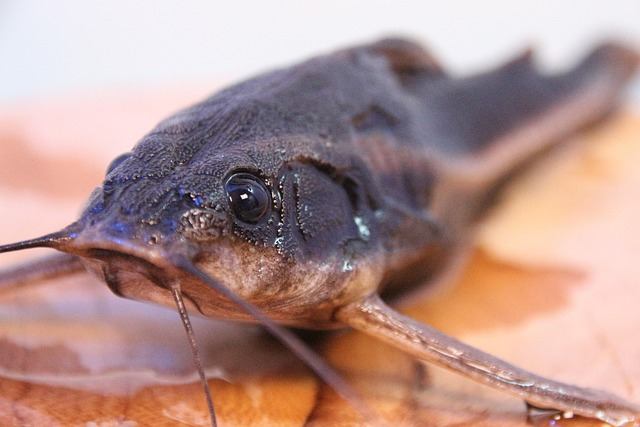
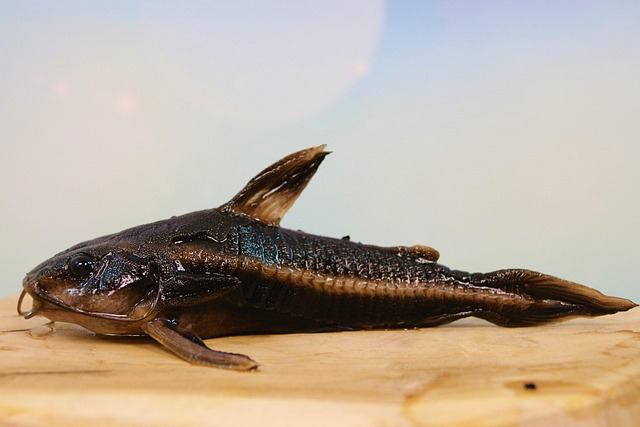
The most striking feature of the Pimelodus pictus catfish is its elegant, elongated body, which typically reaches an adult size of around 11 to 15 centimeters (4 to 6 inches) in length. However, some individuals may grow slightly larger, up to 20 cm (8 inches), particularly in optimal conditions. Their body coloration is a shimmering silver to grey, providing a beautiful contrast to the numerous small, irregular black spots scattered across their flanks and fins. These spots are not merely decorative; they aid in camouflage within their natural, dappled environments.
Perhaps even more defining are their exceptionally long barbels, or ‘whiskers’. These sensory organs extend far forward and outward from their mouths, sometimes appearing to be as long as their body. These barbels are crucial for detecting food particles in murky water or substrate, and for sensing their surroundings. The fish possesses pectoral and dorsal fins that are often tipped with a slight, sometimes translucent, white or pale yellow edge, adding a subtle visual detail. Unlike some larger catfish species, Pimelodus pictus has a relatively streamlined build, reflecting its active swimming habits.
Setting Up the Ideal Tank for Pictus Catfish
Providing the correct aquarium environment is paramount for the health and longevity of your Pimelodus pictus catfish. Due to their active nature and potential adult size, a minimum tank size of 50 gallons (approximately 189 litres) is recommended for a small group. For a single specimen or a pair, a 30-gallon (114-litre) tank might suffice initially, but given their lifespan and activity level, a larger setup is always preferable to prevent stress and ensure adequate swimming space. The tank should be longer rather than taller to accommodate their horizontal movement.
Substrate choice is also important. A fine gravel or sand substrate is ideal, as it mimics their natural habitat and is gentle on their sensitive barbels, preventing injury when they forage. The addition of smooth driftwood and live or artificial plants can create valuable hiding places, which are essential for a nocturnal species like the pictus cat. These structures also help to break up lines of sight, reducing territorial disputes if keeping multiple individuals or with other fish species. Good water flow is beneficial, simulating their native riverine environment, which can be achieved with appropriately sized filters and power heads. A lid is a must, as these catfish can be surprisingly adept at escaping their confines.

Maintaining Pristine Water Conditions
The Pimelodus pictus catfish is sensitive to water quality, making consistent maintenance crucial. They thrive in soft, slightly acidic to neutral water conditions. Ideal water parameters as of May 2026 are as follows: temperature between 24-28°C (75-82°F), a pH range of 6.0-7.5, and water hardness (dH) between 5-15. Importantly, these fish are highly intolerant of fluctuating conditions and ammonia or nitrite spikes. Therefore, a strong filtration system is non-negotiable. An external canister filter rated for a larger tank volume than you possess is often recommended to handle the bioload and maintain water clarity.
Regular partial water changes are vital. Aim for 20-30% weekly water changes using dechlorinated, temperature-matched water. This not only removes nitrates and replenishes essential minerals but also helps keep the water pristine. Monitoring water parameters with a reliable test kit is essential, especially when introducing new fish or noticing any changes in behaviour. In real terms, neglecting water quality can lead to stress, disease, and a shortened lifespan for your pictus catfish.
Feeding Your Pictus Catfish: A Nocturnal Feast
As primarily nocturnal hunters, Pimelodus pictus catfish are best fed in the evening, after the aquarium lights have been turned off or are very dim. Their diet should be varied and balanced, consisting mainly of high-quality sinking foods. Excellent staple options include sinking catfish pellets or wafers formulated for carnivorous or omnivorous bottom-dwellers. These should be of a size that the fish can comfortably consume.
In addition to pellets, offering occasional treats can significantly benefit their health and provide enrichment. This can include frozen foods like bloodworms, brine shrimp, or mysis shrimp, as well as blanched vegetables such as zucchini or peas. Some aquarists also use commercially available gel foods designed for bottom-feeding fish. It’s important to offer only what they can consume within a few minutes to avoid fouling the water. Overfeeding is a common mistake that can lead to obesity, digestive issues, and poor water quality. According to aquarium hobbyist forums and expert observations, a feeding schedule of 3–5 times per week is generally sufficient for adult pictus catfish.
Behaviour and Temperament: Peaceful Yet Particular
The Pimelodus pictus catfish is generally considered a peaceful species, making them suitable for a community aquarium. They are not known to be aggressive towards other fish that are too large to be considered prey. However, their temperament is not without nuances. They can be territorial, especially if kept in insufficient numbers or in tanks lacking adequate hiding spaces. This territoriality is usually expressed through chasing and posturing rather than outright aggression that causes physical harm.
A key behavioural trait is their nocturnal nature. During the day, they will often retreat into caves, driftwood, or dense plant cover, remaining largely inactive. As dusk falls, they become much more active, venturing out to explore their surroundings and forage for food. This activity level means they require ample swimming space. It’s also worth noting that while they have long barbels, they are not usually destructive scavengers that will uproot plants or dig excessively, unlike some other catfish species.
Selecting Appropriate Tank Mates
Choosing compatible tank mates for your Pimelodus pictus catfish is crucial for a harmonious community aquarium. Given their peaceful disposition, they can coexist with a variety of similarly sized, non-aggressive fish. Ideal companions include larger tetras, larger rasboras, peaceful cichlids (like Angelfish or Discus, provided water parameters are meticulously managed), and other strong, peaceful catfish species that occupy different levels of the tank, such as Corydoras or Pecostomus. Always ensure any tank mate is large enough not to be mistaken for food, and strong enough not to be intimidated by the catfish’s activity.
Conversely, avoid tank mates that are prone to fin-nipping or bullying, as the pictus cat’s long fins can be a target. Tiny fish that can fit entirely into the catfish’s mouth should also be avoided. In terms of their own species, Pimelodus pictus cats generally do well in groups of three or more. When kept in such groups, they tend to display more natural behaviours and are less likely to become territorial or stressed. Providing ample space and hiding spots is critical when keeping them communally. For instance, a group of four pictus catfish would require a minimum of 75 gallons (284 litres) to prevent overcrowding and territorial conflicts.
Breeding the Pimelodus Pictus Catfish: A Challenge for Hobbyists
Breeding Pimelodus pictus catfish in a home aquarium is considered challenging and is not commonly achieved by hobbyists. While they can be bred, it typically requires specific conditions and often involves mimicking natural breeding triggers that are difficult to replicate in a captive setting. Successful breeding usually occurs in large, dedicated breeding tanks with controlled water parameters that mimic the rainy season in their native South America, often involving slight temperature fluctuations and increased water flow.
Adult fish typically need to be conditioned with a high-protein diet for an extended period before spawning can be induced. The pair may lay adhesive eggs, which then need to be carefully protected from being eaten by the parents or other tank inhabitants. The fry are small and require specialised food, such as baby brine shrimp or infusorial, to survive. Due to the difficulty and low success rates for most home aquarists, obtaining captive-bred specimens from reputable breeders is generally more feasible than attempting to breed them yourself. While some sources mention successful breeding, it remains an advanced undertaking, rarely documented in detail for the average keeper. The typical lifespan of a pictus catfish in captivity is often cited as between 5 to 10 years, though some individuals may live longer with optimal care.
Health Concerns and Prevention Strategies
Like all aquarium fish, Pimelodus pictus catfish are susceptible to various health issues, primarily linked to poor water quality and stress. Ich (white spot disease) is a common parasite that can affect them, appearing as small white dots on the body and fins. It’s often triggered by stress from fluctuating water parameters or improper tank conditions. Another common ailment is fin rot, a bacterial infection that causes the fins to fray and deteriorate, usually a consequence of poor water quality or injury.
Due to their sensitive barbels, injuries can occur if the substrate is too coarse or sharp, or if they are housed with aggressive fish. These injuries can become infected, leading to more serious health problems. Prevention is key: maintain pristine water quality through regular water changes and effective filtration, provide a soft substrate, and house them with compatible tank mates. Quarantine any new fish before introducing them to the main aquarium to prevent the spread of diseases. Observing your fish daily for any signs of distress, changes in appetite, or physical abnormalities will allow for early intervention. Prompt treatment with appropriate medications, often coupled with improved water conditions, can help resolve most common issues.
Expert Insights for Optimal Pictus Catfish Care
To truly help your Pimelodus pictus catfish thrive, consider these expert tips. Firstly, remember their nocturnal nature. While feeding them in the evening is standard, providing a dimly lit or completely dark feeding area can reduce competition from diurnal tank mates. Using a feeding stick or tube to deliver food directly to the bottom can also ensure they receive their share without it being scavenged by others before they can reach it. Investing in a good quality test kit is non-negotiable; regular checks for ammonia, nitrite, and nitrate will save you from many potential problems.
Secondly, embrace the social aspect. While they are peaceful, keeping them in solitary confinement can lead to stress and unusual behaviours. A group of at least three, in a sufficiently large tank (75+ gallons for a group), will allow them to establish a pecking order and feel more secure. Worth noting is the potential for a slight venom in their pectoral fin spines; while not dangerous to humans, it can cause a mild sting similar to a bee sting if handled improperly, so caution is advised if ever needing to net them. For larger aquariums, consider supplementing filtration with a powerhead to increase water movement, mimicking their natural riverine environment.
Frequently Asked Questions About Pimelodus Pictus Catfish
What is the typical adult size of a Pimelodus pictus catfish?
Pimelodus pictus catfish typically grow to about 11 to 15 centimeters (4 to 6 inches) in length, though some individuals may reach up to 20 cm (8 inches) under optimal conditions. Their long barbels can make them appear larger, but their body length is the primary indicator for tank sizing.
Are Pictus Catfish aggressive?
Generally, Pimelodus pictus catfish are peaceful and can be kept in community tanks. However, they can be territorial, especially in smaller tanks or when kept singly. They may chase other fish but rarely cause serious harm unless the tank mate is very small or delicate.
What should I feed my Pimelodus pictus catfish?
Feed your pictus catfish a varied diet of high-quality sinking pellets or wafers, supplemented with frozen foods like bloodworms, brine shrimp, or blanched vegetables such as zucchini. They are nocturnal, so feeding should occur in the evening.
How large of a tank do Pictus Catfish need?
A minimum tank size of 50 gallons (189 litres) is recommended for a small group of pictus catfish. For larger groups or for keeping them with other active fish, a 75-gallon (284-litre) tank or larger is preferable to provide adequate swimming space and reduce territorial disputes.
Can Pictus Catfish be kept with other catfish?
Yes, they can be kept with other strong, peaceful catfish species that occupy different levels of the aquarium, such as Corydoras or Plecos. Ensure the tank is large enough for all inhabitants and that their dietary needs are met without competition.
How long do Pimelodus pictus catfish live?
With proper care, including stable water parameters and a balanced diet, Pimelodus pictus catfish can live for 5 to 10 years, and sometimes even longer in exceptional cases. Maintaining excellent water quality is the most critical factor for longevity.
Ensuring a Long and Healthy Life for Your Pictus Catfish
The Pimelodus pictus catfish is a rewarding species for the dedicated aquarist. Their unique appearance and engaging nocturnal behaviour make them a standout addition to a suitable aquarium. By providing a spacious, well-filtered environment, maintaining stable water parameters, offering a varied and appropriate diet, and selecting compatible tank mates, you can ensure your pictus catfish enjoys a long and healthy life. Remember that understanding their specific needs, particularly their nocturnal habits and potential for territoriality, is key to their well-being and a harmonious community tank. The most crucial takeaway for any keeper is consistent, high-quality maintenance.
Information current as of May 2026; pricing and product details may change.
Related read: Pet Desert Fox: Your 2026 Guide to Fennec Fox Care
Source: Britannica
Editorial Note: This article was researched and written by the Pet Magazine editorial team. We fact-check our content and update it regularly. For questions or corrections, contact us.
Related read: African Grey Parrots for Sale: Your 2026 Guide to Owning One
Related read: Waddle You Name Them? The Ultimate Guide to Duck Names in 2026
Related read: Kuhli Loach Care: Your 2026 Guide to These Fascinating Fish.