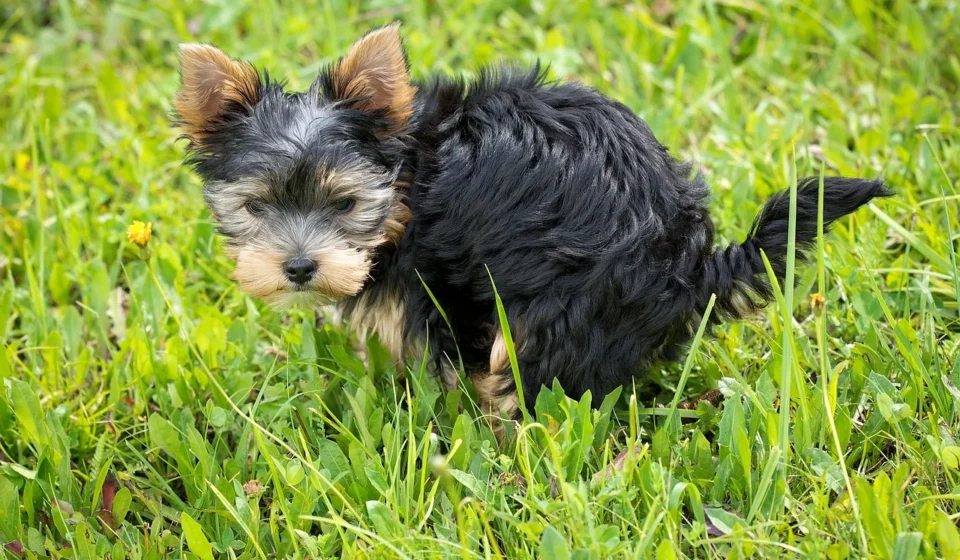
Most puppies poop three to five times a day. However, young pups under 12 weeks may eliminate more often. They might go up to six or more times daily. Their digestive systems mature over time. Also, their feeding frequency decreases. As a result, most puppies settle into a regular routine. They poop one to three times each day by six months of age.
Understanding how often puppies poop gives you direct insight. It shows their digestive health and nutritional intake. It also shows their overall physical development. Tracking these patterns helps establish effective potty training schedules. In addition, it allows you to catch digestive problems early.
How often do puppies poop at different ages?
A puppy’s age is the primary factor. It determines how often they need to defecate. As a puppy grows, their stomach capacity expands. Their intestine also matures. Muscle control over their bowels improves. What is normal for an eight-week-old pup would be abnormal for an eight-month-old dog.
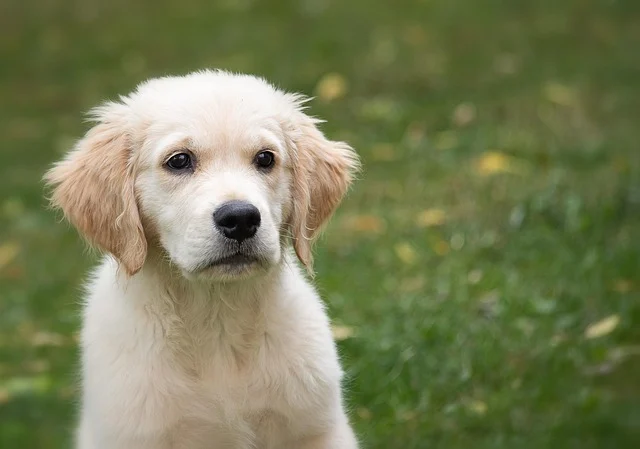
How often do puppies poop at 8 weeks (or 8 to 12 weeks old)?
At eight to twelve weeks, puppies typically poop often. They usually go between four and six times a day. Sometimes, they go even more. During this stage, puppies eat three to four meals daily. This supports their rapid growth. Their digestive tracts process food very quickly. Also, their small stomachs mean waste moves rapidly through the intestines. Owners should expect a young pup to need a potty break within 15 to 30 minutes after every meal. They also need one immediately after waking up. And they need one following energetic play sessions.
How often do puppies poop at 3 months (or 3 to 5 months old)?
Most puppies poop three to five times daily. This occurs between three and five months of age. Muscle control over the anal sphincter improves then. This allows the puppy to hold bowels longer. Many owners transition their puppy to three meals daily. This naturally reduces daily bowel movements. Digestion also slows slightly. This gives more consolidated, predictable elimination times, which answers the question of how often do puppies poop.
How often do puppies poop at 6 months (or 6 to 12 months old)? When do puppies stop pooping so much?
By six to twelve months, a young dog’s digestive system operates like an adult’s. Most puppies in this age bracket poop one to three times daily. Feeding schedules usually shift to twice a day. This means once in the morning and once in the evening. Pooping once or twice daily is perfectly healthy. This signals full digestive maturity, as long as the stool remains firm and consistent. This is when puppies typically stop pooping as much as they did when younger.
| Puppy Age | Average Daily Poops | Daily Meal Count | Max Holding Time | Stool Expectations |
|---|---|---|---|---|
| 8–12 Weeks | 4–6+ times | 3–4 meals | 1–2 hours | Small, frequent, semi-soft to firm logs |
| 3–5 Months | 3–5 times | 3 meals | 3–4 hours | Well-formed, consistent shape and texture |
| 6–12 Months | 1–3 times | 2 meals | 6–8 hours | Firm, segmented, adult-like consistency |
Why do puppies poop so soon after eating?
If your puppy runs toward the door, you see the gastrocolic reflex. They also circle after eating. This biological response triggers contractions. It occurs whenever food enters the stomach. The stretching stomach wall sends neural signals to the colon. This pushes out existing waste. It makes room for incoming nutrition.
The gastrocolic reflex is especially prompt and powerful in young puppies. Puppies lack neurological maturity. They also lack sphincter strength to resist the urge. Waste usually moves through a puppy’s stomach and small intestine. It then enters the colon within 15 to 30 minutes after eating.
Beyond meal times, several predictable physical triggers prompt puppies to poop:
- Waking from sleep: Physical movement after rest stimulates gut motility.
- Post-play activity: Running, jumping, and wrestling massage abdominal organs. As a result, this speeds up waste passage.
- High excitement: Meeting new people, playing with toys, or exploring outdoors triggers adrenaline. It also triggers nerve activity. This stimulates bowel evacuation.
How diet and feeding schedules shape bowel movements
Several factors determine your puppy’s pooping frequency. They also affect stool quality. For example, the type of food you feed them matters. Also, how often you feed them affects this. The stability of their diet is important too.
Impact of feeding schedules
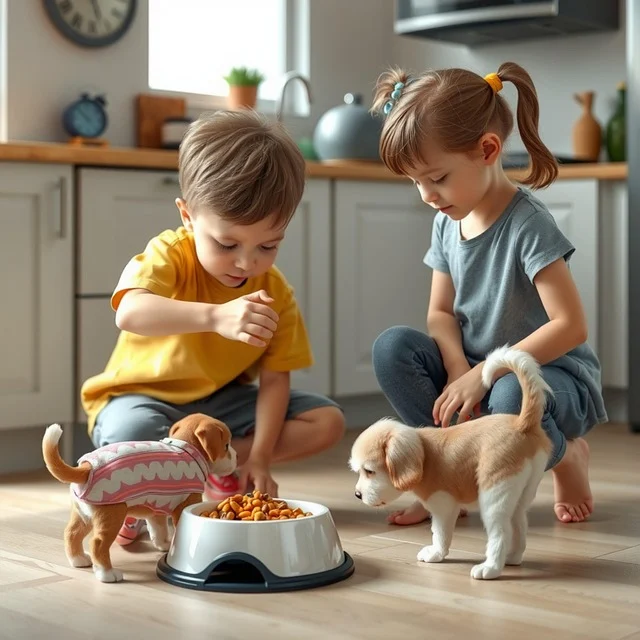
Free-feeding means leaving food out all day. This leads to unpredictable pooping schedules. However, you can establish structured meal times. Feed your puppy three or four set times daily. This creates predictable bowel movements. As a result, potty training becomes much easier to manage.
Food quality and ingredients
Higher-quality puppy diets offer easily digestible proteins and fats. Your puppy’s body absorbs these efficiently. This creates smaller, firmer, and less frequent stools. However, lower-quality foods have cheap fillers or artificial additives. They pass through the digestive tract largely unabsorbed. This bulk leads to larger, softer, and more frequent poops, affecting how often do puppies poop. For example, your puppy may poop six or seven times daily. This occurs even without soft stool. Therefore, their food may contain high levels of indigestible fiber or filler.
Switching puppy food safely
Sudden changes in diet shock a puppy’s digestive tract. This upsets the delicate balance of beneficial gut bacteria. Often, it causes loose stools, gas, and hyperactive bowel movements. When you change foods, always transition gradually. Use the following proportion schedule over a 7-to-10-day period.
- Days 1–3: 75% old food, 25% new food
- Next, Days 4–6: 50% old food, 50% new food
- Days 7–9: 25% old food, 75% new food
- Day 10: 100% new food
Treats and table scraps
Excessive training treats can cause issues. So can human table scraps or rich chews. These introduce excess fat and unfamiliar ingredients. Often, they trigger mild stomach upsets. This leads to soft stools or sudden increases in pooping frequency.
What should healthy puppy poop look and feel like?
Assessing stool consistency and appearance provides vital diagnostic information. Veterinarians evaluate dog stool using a 7-point scale, where Type 1 represents very hard, dry stool and Type 7 represents watery diarrhea. [purinainstitute.com] Ideal puppy poop falls firmly in the Type 3 to Type 4 range.
Characteristics of ideal puppy stool
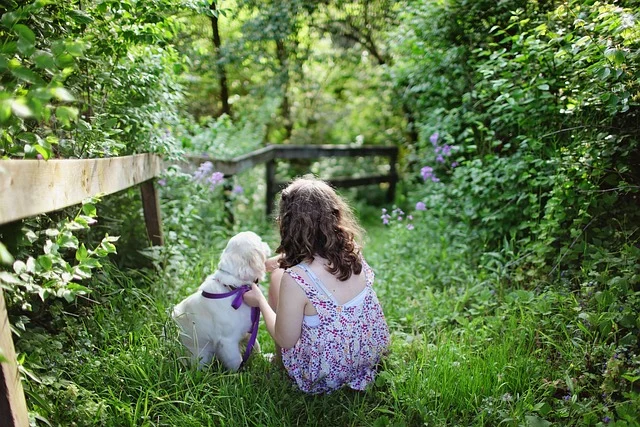
- Color: Chocolate brown is the standard, normal color resulting from healthy bile breakdown during digestion.
- Consistency: Firm yet pliable, shaped like a log, with distinct segments. It should hold its form when picked up and leave minimal residue on the ground.
- Size: It is proportional to the amount of food your puppy eats. However, abnormally bulky stools suggest poor nutrient absorption.
- Coating: Clean surface without visible mucus, blood, or oily film.
Decoding puppy poop colors
Changes in color offer clear warnings regarding internal health:
- Green: Puppies commonly eat grass. This causes green stool. It can also indicate rapid gut transit time. So, bile does not break down properly.
- Yellow or orange: This often signals liver issues. It can also mean gallbladder distress or rapid movement through the biliary tract.
- Black or tarry (melena): This indicates digested blood. It originates high in the gastrointestinal tract. For example, stomach ulcers or severe inflammation can cause it. Therefore, this requires immediate veterinary attention.
- Bright red streaks (hematochezia): Indicates fresh blood from the lower bowel, rectum, or anus. Caused by straining, severe colitis, or intestinal parasites.
- Grey or greasy: This suggests excess fat in the diet. Also, it can indicate an issue with pancreas function. This prevents the proper breakdown of fats.
- White specks or rice-like grains: Often indicates tapeworm segments or dead intestinal parasites passed in waste.
What causes sudden changes in puppy pooping frequency?
A puppy’s normal elimination routine might suddenly shift. For example, they might poop more frequently. Or, they might stop entirely. Several underlying factors could be responsible for this change.
Intestinal parasites
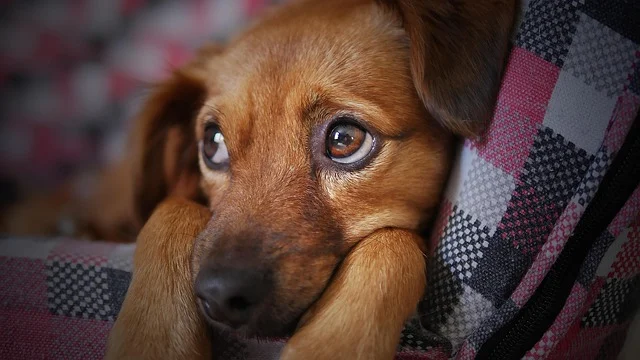
Parasites are extremely common in young dogs. Roundworms, hookworms, whipworms, Giardia, and Coccidia colonize the intestinal lining, disrupting nutrient absorption and causing inflammation. Parasitic infections frequently cause frequent, watery, or mucus-covered stools, often accompanied by a swollen, pot-bellied appearance. Regular deworming protocols prescribed by your veterinarian are essential during early development.
Stress and environmental changes
Puppies are sensitive to environmental disruption. For example, leaving their mother and littermates can trigger stress. Moving into a new home also causes stress. Travel or sudden changes in family routines can also trigger stress responses. Stress releases cortisol and adrenaline. This speeds up intestinal contractions. As a result, puppies have frequent, soft stools. People often call this “stress colitis.”
Dietary indiscretion and foreign objects
Puppies explore the world with their mouths. Swallowing grass, dirt, mulch, sticks, fabric, or small plastic toys irritates the gut lining. This leads to vomiting and hyperactive bowel movements. Also, a foreign object can lodge in the stomach or intestines. This can cause a partial or complete blockage. As a result, it leads to repeated unproductive straining or a total absence of poop.
Infectious diseases
Viral infections like Parvovirus or Coronavirus, alongside bacterial pathogens such as Salmonella or Campylobacter, attack the intestinal lining aggressively. Parvovirus is a life-threatening medical emergency that causes severe, foul-smelling, bloody diarrhea, rapid dehydration, lethargy, and vomiting. If a puppy exhibits these symptoms, seek emergency veterinary care immediately.
How to tell if your puppy is constipated or has diarrhea
Recognizing the difference between temporary digestive fluctuation and actual constipation or diarrhea allows you to respond effectively.
Recognizing puppy constipation
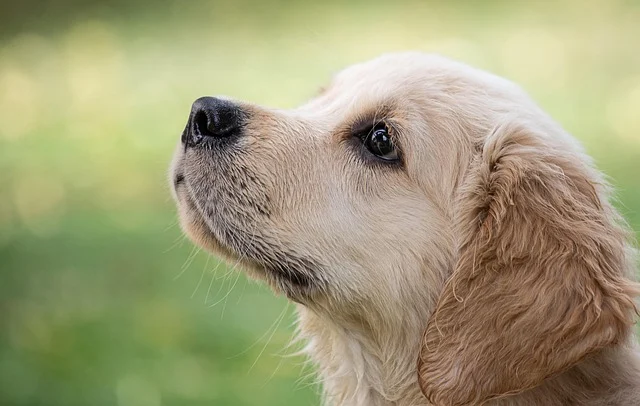
Constipation occurs when a puppy has difficulty passing stool or fails to poop for more than 24 hours. Symptoms include:
- Straining or whining while attempting to defecate.
- Passing small, hard, dry pebbles instead of soft logs.
- A tense, painful abdomen when touched.
- Decreased appetite and mild lethargy.
Mild dehydration, low fiber, or ingesting dry bone or hair causes puppy constipation. You can assist mild cases. First, ensure constant fresh water access. Also, add a teaspoon of plain, pureed canned pumpkin (no spices). However, consult your vet immediately if constipation persists past 24 hours. Do this especially if vomiting accompanies it, as this relates to how often do puppies poop. This will rule out intestinal blockages.
Managing soft stools and diarrhea
When stool passes through the gut too rapidly, diarrhea occurs. This prevents water reabsorption. For puppies, diarrhea quickly escalates into dehydration. This is because they have a small body mass. If your puppy has mild soft stool, monitor them closely. Do this for 12 to 24 hours. However, they must remain energetic. They must also continue eating and drinking. If diarrhea persists beyond 24 hours, see a veterinarian right away. Also see a vet if it contains blood. See a vet if it coincides with lethargy, which could impact how often do puppies poop.
How to build a potty training schedule around poop frequency
Successful house-training relies on anticipating when your puppy needs to eliminate rather than reacting to indoor accidents. Understanding natural pooping rhythms lets you set up a routine that sets your puppy up for success.
Key timing guidelines for potty breaks
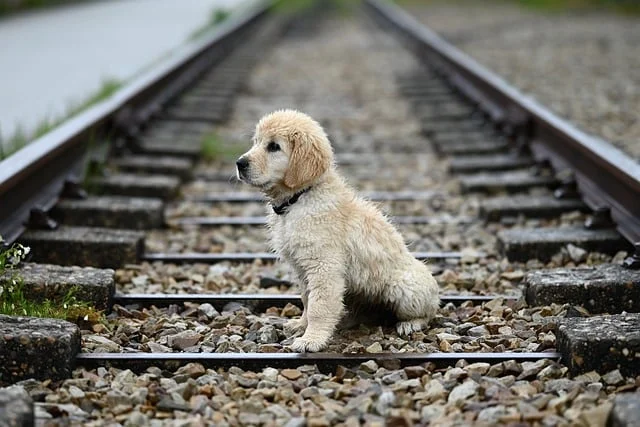
To establish a reliable routine, take your puppy to their designated outdoor spot:
- First thing every morning immediately after waking up.
- Within 15 to 20 minutes after completing every meal.
- Immediately after waking from any nap during the day.
- Right after vigorous playtime, running, or chewing sessions.
- Before placing them in their crate for sleep at night.
When you train your puppy, use a leash outside. Wait quietly; do not play. This helps them learn the trip is for business. The moment they finish, reward them immediately. Use enthusiastic praise and a high-value treat. Aligning potty training with how often do puppies poop builds solid habits. This avoids stress for both you and your dog.
A notebook or app tracks puppy routines. Record feeding, water, potty times, and stool for two weeks. This log shows exact patterns. It makes adjusting schedules easier. It also prevents indoor accidents. Learn more about how often do puppies poop, routines, and care on our site What Did Your Turtle Eat? A Guide to Safe Feeding.
When to call the vet: serious red flags in puppy stools
While occasional soft stool is normal during puppyhood, certain warning signs require immediate medical intervention. Because young puppies deteriorate quickly when ill, do not wait if you observe any of the following signs:
- Blood in stool: Bright red blood patches or black, tarry waste.
- Persistent diarrhea: Watery stools lasting longer than 12 to 24 hours.
- Frequent vomiting: Inability to keep water or food down alongside bowel changes.
- Lethargy and weakness: Unresponsiveness, unwillingness to stand, or extreme sleeping beyond normal nap patterns.
- Abdominal pain or swelling: A hard, bloated, or tight belly that causes crying when touched.
- Total absence of stool: Straining unproductively or failing to poop for over 24 hours.
- Signs of fever or dehydration: Pale or tacky gums, loss of skin elasticity, and dry nose.
When visiting the veterinarian, bring a fresh stool sample collected within the last two to four hours. Place it in a clean, sealed plastic bag or container. This allows the veterinary clinic to perform immediate fecal tests for parasite eggs, Giardia antigen, and bacterial imbalances.
Related reading
Frequently asked questions
How many times a day do puppies poop on average?
Most puppies poop three to five times per day. This is between eight and twenty weeks of age. Very young pups under 12 weeks may go up to six times daily. However, six-month-old puppies usually settle into a schedule. They typically go one to three times a day.
Why does my puppy poop right after eating?
The gastrocolic reflex causes this. It is an involuntary neurological response. This response triggers intestinal contractions when food hits the stomach. Young puppies have strong gastrocolic reflexes. They usually need to poop within 15 to 30 minutes after a meal.
What should I do if my puppy poops twice as often after switching food?
A sudden increase in poop frequency usually indicates a problem. Perhaps you introduced the new food too quickly. It might also contain hard-to-digest fillers. So, slow down the dietary transition. Do this over 7 to 10 days. Mix old food with new. Alternatively, consult your vet if stool remains loose.
Can deworming cause temporary changes in puppy poop?
Yes, deworming medication often causes mild, temporary loose stool. It also increases bowel frequency for 24 to 48 hours. This happens as dead parasites clear from the digestive tract. Contact your vet if diarrhea continues beyond two days. Also, contact them if your puppy acts lethargic.
Is it normal for a puppy to poop during the night?
Very young puppies often need one nighttime potty break. They are usually under 12 to 16 weeks old. Their bowel and bladder capacities are still developing. By four to five months of age, most puppies can sleep through the night. They will not need to poop. Just feed them their final meal several hours before bedtime.
Sources