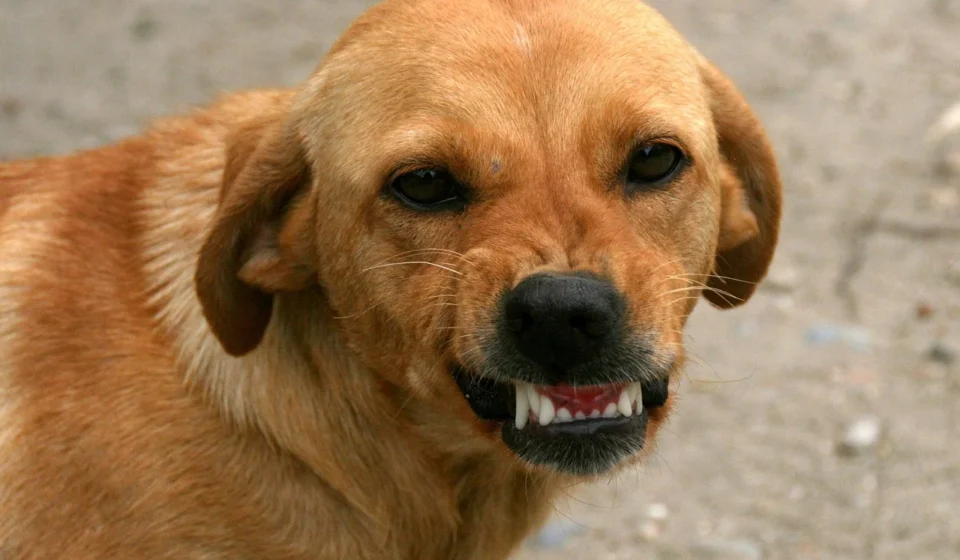
An adult dog has 42 permanent teeth. In contrast, a puppy has only 28 deciduous (baby) teeth. Puppies start developing temporary teeth around three weeks. Adult teeth fully replace these by about seven months. This includes new molars. You might wonder, how many teeth do dogs have?
How many teeth do puppies have?
Puppies are born completely without teeth. Around 3 to 4 weeks after birth, their primary teeth (also referred to as deciduous teeth or milk teeth) start breaking through the gum line. By 7 to 8 weeks of age, a puppy develops a complete set of 28 sharp baby teeth designed for weaning and exploring their environment through mouthing.

The puppy dental formula
A puppy’s 28 teeth arrange symmetrically across the upper maxilla and lower mandible. Divided evenly into four quadrants (upper right, upper left, lower right, and lower left), the breakdown includes:
- Incisors: 12 total (6 on the top jaw, 6 on the bottom jaw)
- Canines: 4 total (2 on the top jaw, 2 on the bottom jaw)
- Premolars: 12 total (6 on the top jaw, 6 on the bottom jaw)
- Molars: 0 total
Veterinarians express the puppy dental formula as 2 x (I 3/3, C 1/1, P 3/3) = 28. This formula shows a puppy’s teeth. On each side of the mouth, a puppy has three incisors. It also has one canine and three premolars. This applies to both the upper and lower jaws.
Why puppies do not have molars
Puppies lack molars. Their small jaws cannot hold large grinding teeth. Also, their early diet needs no molars. Milk teeth serve as temporary placeholders. They help puppies shift from nursing to solid food. Young dogs mature fast. So, these smaller teeth shed. This occurs before strong adult chewing forces can fracture them. They also shed before harming expanding jaw bones. This all relates to how many teeth do dogs have.
How many teeth do adult dogs have?
An adult dog has 42 permanent teeth. This complete set replaces the baby teeth when the dog is 3 to 7 months old. Also, brand-new molars erupt. These molars have no baby predecessors.

The adult canine dental formula
An adult dog develops 14 additional teeth compared to a puppy set. So, the full adult mouth contains:
- Incisors: 12 total (6 upper, 6 lower)
- Canines: 4 total (2 upper, 2 lower)
- Premolars: 16 total (8 upper, 8 lower)
- Molars: 10 total (4 upper, 6 lower)
In veterinary anatomy, we write the adult canine dental formula as 2 x (I 3/3, C 1/1, P 4/4, M 2/3) = 42. Per quadrant, an adult dog has 3 incisors, 1 canine, 4 premolars, and 2 molars in its upper jaw. In addition, it has 3 incisors, 1 canine, 4 premolars, and 3 molars in its lower jaw.
Differences between upper and lower jaws
Adult dogs do not have the same number of teeth on top and bottom. Both jaws hold 6 incisors, 2 canines, and 8 premolars. However, the lower jaw contains 6 molars, with 3 on each side. The upper jaw has only 4 molars, with 2 on each side. The extra pair of lower molars provides more crushing surface. This helps crush tough tissue and dry kibble.
What are the four types of dog teeth and their functions?
Dogs are heterodonts, meaning they possess distinct types of teeth specialized for specific dietary and behavioral functions. Their dental structure reflects their evolutionary position as scavenging carnivores.
Incisors
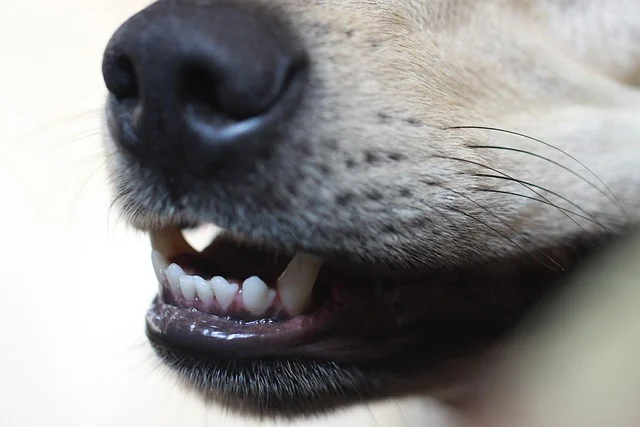
Incisors are small, single-rooted teeth. They are at the front of the mouth. You find them between the large canine teeth. Dogs have 12 incisors. Six are in the upper jaw. Six are in the lower jaw. The central incisors are the smallest. Corner incisors are slightly larger. Dogs use incisors for delicate work. They scrape meat off bones. They pick up small food pieces. Also, they groom their coats. They remove burrs or flea debris. This helps answer how many teeth do dogs have.
Canines
People call canines fangs or eye teeth. These are long, curved, pointed teeth. They sit beside the incisors. Adult dogs have four canines. This helps answer how many teeth do dogs have. Each has a single long root. This root extends deep into the jawbone. These teeth puncture and hold prey or toys. They also tear dense muscle tissue. In addition, they play a structural role. For example, they keep the tongue safely inside the mouth.
Premolars
Premolars sit behind canines, and they are along jaw sides. Adult dogs have 16 premolars total; eight are on the top jaw, and eight are on the bottom jaw. Premolars feature sharp, shearing edges. Also, they have one, two, or three roots. Dogs use them for cutting, tearing, and holding food. This is part of how many teeth do dogs have in total.
The fourth upper premolar on each side is exceptionally large and specialized. It works with the first lower molar directly beneath it. Together, these form the “carnassial pair.” Carnassial teeth function like heavy-duty shears. They enable dogs to slice through tough tendons. Also, they cut cartilage and hard food items effortlessly.
Molars
Molars are wide, flat teeth situated at the back of the mouth. Adult dogs have 10 molars: 4 in the upper jaw (2 per side) and 6 in the lower jaw (3 per side). Upper molars typically feature three roots to withstand heavy chewing pressure, while lower molars have two roots. Their main job is grinding and crushing tough food into smaller pieces before swallowing.
The dog teeth timeline: when baby teeth fall out and adult teeth erupt
The dental transition from puppyhood to adult teeth takes several months. You can track this timeline. As a result, you can identify missing teeth early. You can also spot double rows of teeth soon after they develop.
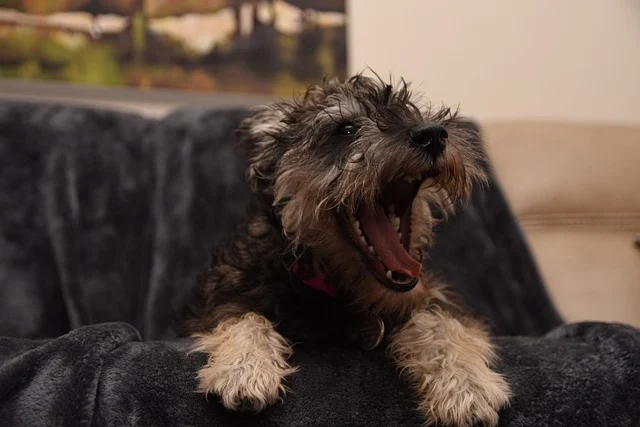
Stage 1: Birth to 8 weeks (puppy teeth emerge)
- 0 to 3 weeks: Puppies are toothless and rely exclusively on nursing.
- 3 to 5 weeks: Deciduous incisors and canines emerge through the gums.
- 5 to 7 weeks: Deciduous premolars erupt.
- 8 weeks: All 28 baby teeth are fully present, allowing the puppy to transition smoothly to solid food.
Stage 2: 3 to 7 months (teething and tooth transition)
Puppies typically start losing their baby teeth at 3 to 4 months of age. Adult tooth buds grow within the jaw bone. They press against the roots of the baby teeth. As a result, the baby roots absorb and loosen.
- 3 to 4 months: Deciduous incisors shed and permanent incisors erupt.
- 4 to 6 months: Deciduous premolars shed. Adult premolars then erupt. Permanent molars begin emerging behind the premolars.
- 5 to 7 months: Deciduous canines drop out and permanent canines erupt completely.
Stage 3: 7 months and beyond (adult dentition)
By 7 to 8 months of age, all 42 permanent teeth should be present. They should also be fully visible. Over the following year, the roots beneath the gum line continue to anchor firmly into the jawbone. This finalizes dental development.
How dog breed and jaw shape affect tooth count and arrangement
While 42 is the baseline count for adult dogs, skull morphology significantly impacts how teeth fit within the jaw.
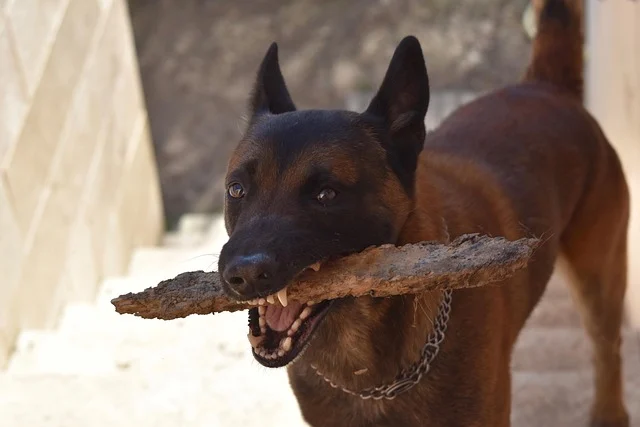
Brachycephalic breeds and overcrowded teeth
Flat-faced breeds have short upper jaws. Pugs, French Bulldogs, and English Bulldogs are examples. Shih Tzus also fit this type. They still grow 42 adult teeth. This causes severe dental crowding. Teeth often rotate sideways. They may overlap or push out. Some teeth stay impacted. This happens under the gumline. There is no space for them to erupt. For more on how many teeth do dogs have, crowded jaws are a concern.
Toy breeds and persistent baby teeth
Toy and miniature breeds often suffer from retained baby teeth. These breeds include Toy Poodles, Chihuahuas, and Yorkshire Terriers. They also experience genetic tooth absence, known as oligodontia. Their jawbones are compact. So, adult teeth sometimes erupt next to baby teeth. This prevents the baby roots from resorbing naturally.
Dolichocephalic breeds and extra spacing
Long-muzzled dogs have elongated jaws. For example, Greyhounds, Whippets, Collies, and German Shepherds have them. Their teeth are usually widely spaced. This makes them less prone to crowding. However, individual premolars can still be missing.
Common tooth count problems and what to do
However, veterinary exams frequently encounter deviations from the standard 42-tooth count. Identifying these conditions prevents pain and progressive oral disease.
Retained deciduous teeth
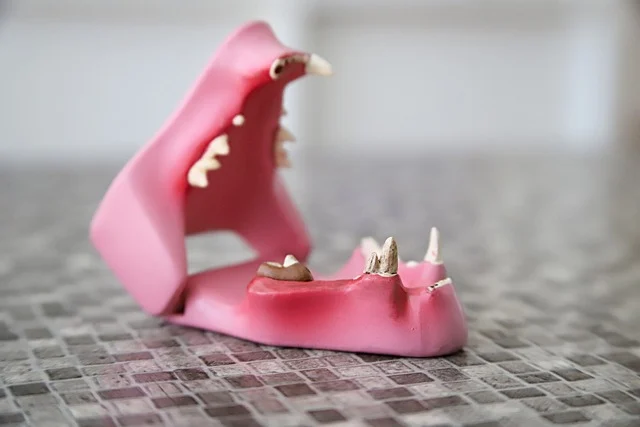
A baby tooth that does not fall out is a retained deciduous tooth. The permanent tooth erupts next to it. This creates a “double tooth.” Canine teeth are most often affected. Hair, kibble, and bacteria get stuck between these teeth. Plaque quickly accumulates. This leads to localized periodontal infection. The American Veterinary Dental College recommends prompt extraction. This prevents further complications, answering a question like how many teeth do dogs have.
Supernumerary (extra) teeth
Hyperdontia is a condition where a dog develops extra permanent teeth beyond the normal 42. These extra teeth are usually duplicate incisors or premolars. As a result, supernumerary teeth cause severe crowding, damage nearby root structures, and alter the bite. A veterinarian can take dental X-rays to check root health and determine if surgical extraction is necessary.
Missing teeth (hypodontia and oligodontia)
When a dog has fewer than 42 teeth, the cause typically falls into one of three categories:
- Congenital absence (hypodontia): The tooth germ never formed. The most commonly missing adult teeth are the first premolars (PM1) and third lower molars (M3).
- Impacted teeth: The tooth developed fully inside the jaw bone but failed to break through the gum line. Unerupted teeth can form dentigerous cysts, which destroy surrounding jaw bone if left untreated.
- Acquired loss: Teeth lost to trauma, severe periodontal disease, or previous surgical extractions.
Malocclusions and misaligned bites
Even when a dog possesses all 42 teeth, improper alignment (malocclusion) can cause health issues:
- Class I (Neutroclusion): Normal jaw length, but individual teeth are tilted or rotated out of position.
- Next, Class II (Overbite): The upper jaw extends significantly farther forward than the lower jaw.
- Class III (Underbite): The lower jaw extends forward past the upper jaw. This is normal for Boxers and Bulldogs. However, it is abnormal for long-muzzled breeds.
How to care for your dog’s teeth at every age
Caring for a teething puppy
First, check your puppy’s mouth weekly. Lift their lips to monitor shedding teeth. Also, inspect for double canine teeth or swollen gums. Provide durable, chilled rubber chew toys to relieve teething irritation. Avoid hard bones, nylon chews, or antlers. These can fracture delicate puppy teeth. They can also damage emerging adult tooth enamel.
Daily dental hygiene for adult dogs
Brush your dog’s teeth daily. Use a soft toothbrush and dog-safe enzymatic toothpaste. Never use human toothpaste. It has xylitol and high fluoride. These are toxic for dogs. Add VOHC-approved dental chews. They help scrub plaque. Schedule vet check-ups. They assess root health. Get professional cleanings when recommended. This helps answer how many teeth do dogs have, and keep them healthy.
Sources: Dog Dental Care: How Many Teeth Do Dogs Have?
Frequently asked questions
How many teeth does a puppy have?
Puppies have 28 deciduous, or baby, teeth. These include 12 incisors, 4 canines, and 12 premolars. They are born without teeth. However, baby teeth emerge when puppies are 3 to 8 weeks old.
When do puppies lose their baby teeth?
Puppies start losing baby teeth around 3 to 4 months of age, beginning with the front incisors. By 7 months of age, however, all 28 baby teeth should shed and adult teeth replace them.
How many teeth does a full-grown dog have?
A full-grown adult dog has 42 permanent teeth: 12 incisors, 4 canines, 16 premolars, and 10 molars. The lower jaw contains two more molars than the upper jaw.
Can a dog have more than 42 teeth?
Yes, dogs can develop supernumerary teeth (extra teeth) or retain baby teeth alongside adult teeth, resulting in more than 42 teeth. Extra teeth cause crowding and require veterinary evaluation to prevent gum disease.
Can a dog have fewer than 42 teeth?
Yes, dogs can have fewer than 42 teeth. This can be due to genetic absence or impacted teeth beneath the gums. Also, historical trauma or extractions for dental disease can cause this. Veterinary dental X-rays can confirm if missing teeth are absent or hidden under the gumline.