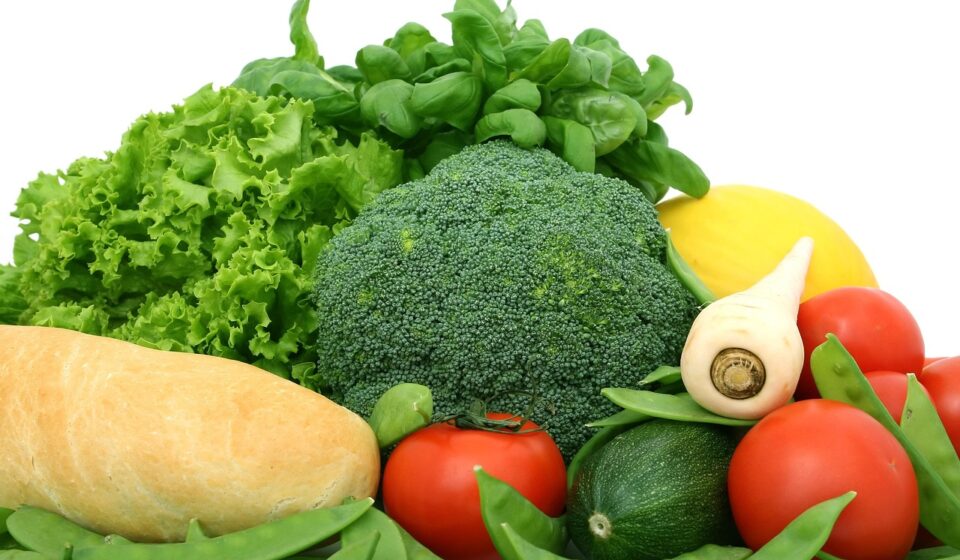
Can dogs have broccoli: Nutritional Benefits of Broccoli for Dogs
Broccoli is a nutritional powerhouse, and some of its components can indeed be beneficial for dogs. It’s a good source of Vitamin C, essential for immune function and skin health, and Vitamin K, vital for blood clotting and bone strength. The fiber content aids in digestion, helping to prevent constipation and maintain a healthy gut microbiome. Broccoli contains sulforaphane, a potent antioxidant that research suggests may have anti-inflammatory and even anti-cancer properties, though its impact on canine health is still being studied.
In real terms, a small amount of broccoli can contribute positively to your dog’s overall health by providing these vital nutrients. It’s a low-calorie vegetable, making it an excellent choice for dogs needing to manage their weight, provided it’s fed as part of a balanced diet and not as a primary food source.
Potential Risks and Dangers of Feeding Broccoli to Dogs
While broccoli offers benefits, it’s not without its risks. The primary concern, especially with raw broccoli, is the potential for choking. The florets can be small enough to be inhaled, and the stalks can splinter or cause obstructions if not cut properly. According to the American Kennel Club (AKC) as of 2026, choking is a significant risk, and owners must be vigilant about portion size and preparation.
Broccoli contains compounds called thiocyanates. In very small amounts, these are generally harmless and even beneficial as antioxidants. However, in large quantities, thiocyanates can irritate a dog’s gastrointestinal tract, leading to stomach upset, vomiting, diarrhea, and significant flatulence.
Pet MD notes that while broccoli is generally safe in moderation, excessive consumption could lead to these issues. Some sources suggest that consuming more than 10% of a dog’s daily food intake in broccoli could be problematic.
Raw vs. Cooked Broccoli: Which Is Better?
The debate between feeding raw or cooked broccoli to dogs often centers on digestibility and safety. Feeding raw broccoli, while retaining more of its raw nutrients, presents a higher risk of choking due to its tougher texture and fibrous nature. Dogs who are enthusiastic eaters or those with smaller breeds are particularly susceptible to choking on raw florets or stalks. Plus, raw broccoli is more difficult for a dog’s digestive system to break down, potentially leading to increased gas and discomfort.
Cooked broccoli, on the other hand, is significantly safer and easier for dogs to digest. Steaming or boiling the broccoli until it’s tender (but not mushy) breaks down the fibers and reduces the choking hazard. It’s crucial, however, to cook it plain, without any added salt, butter, oils, spices, or seasonings, as many of these can be harmful to dogs. Plain, cooked broccoli is the recommended form for most dogs.
How to Safely Prepare and Serve Broccoli
When introducing broccoli to your dog, always start with small, bite-sized pieces. For cooked broccoli, steam or boil florets until tender, then let them cool completely. Chop them into pieces no larger than your dog’s kibble. For raw broccoli, you must cut it into very small, manageable pieces to mitigate choking risks. Avoid feeding large chunks or whole florets.
Regarding broccoli stems, they are edible and contain nutrients, but they are also very fibrous. If you choose to feed stems, they must be peeled and then finely chopped or even puréed to prevent potential intestinal blockages. Many veterinarians advise against feeding large pieces of the stem due to this risk. As Canine Bible highlights, careful preparation is key to preventing adverse reactions.
A good rule of thumb is that treats and additions like broccoli should not constitute more than 10% of your dog’s total daily caloric intake. For a medium-sized dog, this might translate to just a few small florets per day or a couple of times a week.
Broccoli Stems and Farts: Addressing Common Concerns
Let’s talk about the elephant in the room – or rather, the gas in the living room. Broccoli is a cruciferous vegetable, and like other members of this family (cabbage, cauliflower), it can cause gas in dogs. This is due to the sugars and fiber content that ferment in the digestive tract. While some flatulence is to be expected, excessive gas can be a sign that your dog is eating too much broccoli or has a sensitive stomach.
The stems, being more fibrous than the florets, can contribute more significantly to digestive discomfort and gas if not prepared correctly. Peeling and finely chopping or puréeing the stems before feeding them can help reduce this issue. If your dog experiences severe gas or discomfort after eating broccoli, it’s best to reduce the quantity or cease feeding it altogether. According to Pet MD, understanding how much is too much is vital for avoiding these common side effects.
How Much Broccoli Can Dogs Eat?
The quantity of broccoli a dog can safely consume depends on their size, breed, age, and overall diet. A general guideline, supported by various veterinary sources as of 2026, is that broccoli should make up no more than 10% of your dog’s daily food intake. This means it should be treated as a treat or a supplement, not a meal replacement.
For a small dog, a single small floret or a few finely chopped pieces might be sufficient. A medium-sized dog might tolerate a slightly larger portion, perhaps a tablespoon or two, a few times a week. Large breeds can generally handle a bit more, but it’s always wise to err on the side of caution.
Overfeeding can lead to digestive upset, including vomiting, diarrhea, and excessive gas, as previously mentioned. If you’re unsure about the appropriate portion size for your specific dog, consulting your veterinarian is always the best course of action.
Feeding Broccoli to Dogs with Specific Health Conditions
Dogs with certain health conditions may need to avoid or consume broccoli with extreme caution. For instance, dogs with kidney or bladder stones might need to limit their intake of foods high in oxalates, and while broccoli isn’t as high as some other vegetables, it does contain some. Dogs with sensitive stomachs or those prone to digestive issues might find broccoli exacerbates their symptoms. Similarly, dogs with pancreatitis should generally stick to a low-fat diet, and while broccoli itself is low in fat, any added ingredients during cooking can be detrimental.
And, if your dog is on a prescription diet, it’s imperative to consult your veterinarian before introducing any new foods, including broccoli. What might seem like a healthy snack could interfere with the specific nutritional balance of their therapeutic diet. Always prioritize your vet’s advice for dogs with pre-existing conditions.
Alternatives to Broccoli for Dogs
If broccoli doesn’t agree with your dog, or if you’re looking for variety in your dog’s vegetable intake, several other safe and nutritious options exist. Carrots, green beans, sweet potatoes (cooked), peas, and pumpkin are popular choices among dog owners. These vegetables offer a range of vitamins, minerals, and fiber, contributing to your dog’s health without the same potential for gas or toxicity concerns as broccoli.
For example, cooked carrots provide beta-carotene, which converts to Vitamin A for vision and skin health. Green beans are low in calories and high in fiber, supporting weight management and digestion. Cooked pumpkin is excellent for digestive health, often recommended for both constipation and diarrhea. When choosing any vegetable for your dog, ensure it’s prepared plain and in appropriate, bite-sized portions.
Frequently Asked Questions About Dogs and Broccoli
Can dogs eat broccoli raw?
While dogs can eat raw broccoli, it’s generally not recommended. Raw broccoli poses a higher choking hazard due to its tough texture and can be harder to digest, potentially leading to gas and stomach upset. Cooked and cooled broccoli, prepared plain, is a safer choice.
How much broccoli is too much for a dog?
Broccoli should not exceed 10% of your dog’s daily food intake. Overfeeding can cause significant digestive issues like vomiting, diarrhea, and excessive gas due to thiocyanates and fibre content.
Can broccoli stems harm my dog?
Broccoli stems are fibrous and can pose a choking or blockage risk if not prepared correctly. They should be peeled and finely chopped or puréed to be safely consumed by dogs.
Are broccoli florets safe for dogs?
Yes, broccoli florets are generally safe for dogs when cooked until tender and cut into small, bite-sized pieces. Raw florets should be avoided due to choking risks.
What are the signs of too much broccoli in dogs?
Signs of excessive broccoli consumption include severe gas, bloating, vomiting, diarrhea, lethargy, or abdominal discomfort. If you notice these symptoms, stop feeding broccoli and consult your vet.
Can puppies eat broccoli?
Puppies can eat small amounts of cooked, plain broccoli, but it should be introduced cautiously. Their digestive systems are more sensitive, and choking hazards need extra consideration due to their smaller size and developing chewing habits.
What vegetables should I absolutely never feed my dog?
Vegetables that are toxic or harmful to dogs include onions, garlic, leeks, chives, avocado (especially the pit and skin), and macadamia nuts. Always verify the safety of any human food before offering it to your dog.