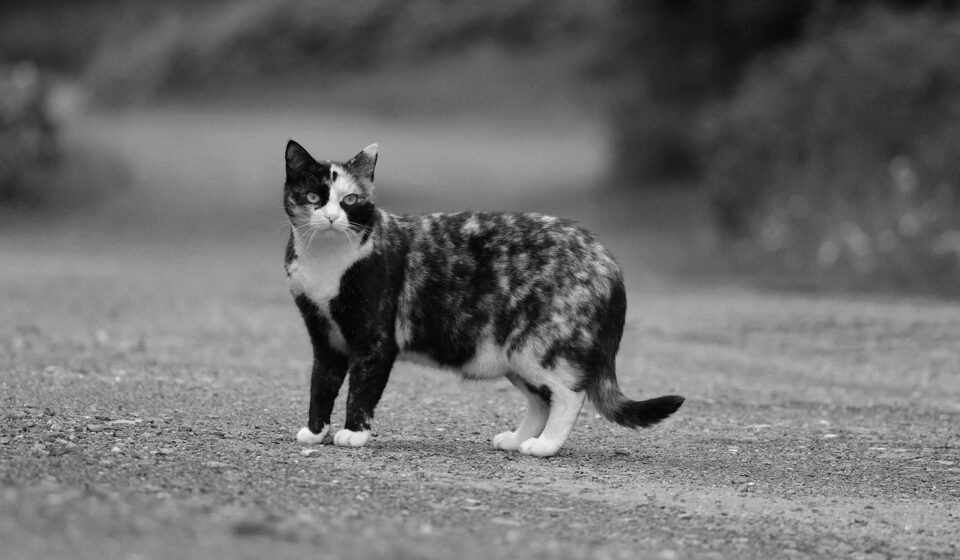
Unlocking the Enigma: Why Are Cats So Curious?
Most cat owners marvel at their feline companions’ insatiable curiosity. From a rustle in the bushes to a new box delivered to the doorstep, cats seem compelled to investigate every nook and cranny of their environment. But why are cats so curious?
This innate drive is not just a charming quirk; it’s a fundamental aspect of their survival, evolution, and overall well-being. Understanding the roots of feline curiosity helps us better care for our whiskered friends and enrich their lives.
- Cats’ curiosity is a survival trait honed over millennia, enabling them to hunt, assess threats, and find resources.
- Their highly developed senses, particularly hearing and sight, fuel their desire to explore and understand their surroundings.
- Environmental enrichment is crucial for satisfying a cat’s curiosity, preventing boredom, and promoting good mental health.
- Understanding a cat’s specific interests and personality helps owners provide appropriate stimulation and manage their exploratory behaviour.
The Evolutionary Imperative: Survival Through Exploration
In the wild, a cat’s survival depended heavily on its ability to explore its territory effectively. As natural predators, they needed to constantly assess their surroundings for potential prey, avoid larger predators, and locate safe havens. This evolutionary pressure instilled a deep-seated instinct for exploration. A cat that wasn’t curious might miss a vital food source or fail to detect a lurking danger, making it less likely to survive and reproduce.
This ancestral drive persists in our domesticated companions. Even a well-fed house cat retains the innate need to investigate, map out its territory, and understand potential opportunities or threats within its perceived domain. It’s behaviorr deeply embedded in their genetic code.
Sensory Superpowers: Fuelling the Feline Fascination
Cats possess an array of highly attuned senses that act as powerful drivers of their curiosity. Their exceptional hearing, for instance, can detect frequencies far beyond human range, allowing them to pinpoint the faintest scuttling of a mouse behind a wall or the subtle click of a door opening. This ability to perceive subtle auditory cues naturally leads them to investigate the source.
Their vision is also remarkable, particularly in low light, enabling them to see movement that might be imperceptible to us. This keen eyesight encourages them to track moving objects, whether it’s a dust mote dancing in a sunbeam or a toy mouse skittering across the floor. The world is a constant stream of sensory information waiting to be decoded.
And, their sense of smell and touch, particularly through their whiskers, provides them with a rich mix of information about their environment. Whiskers help cats gauge whether they can fit through narrow spaces and detect air currents, adding another layer to their sensory exploration. Every new scent, texture, or vibration is an invitation to investigate.
Novelty Seeking: The Thrill of the Unknown
Cats are inherently novelty seekers. The allure of something new – a different smell, an unusual object, an unexpected sound – triggers a powerful response. This is closely linked to their predatory instincts; a new stimulus could represent a new prey item, a potential mate, or a rival. Their brains are wired to pay attention to and investigate anything that deviates from the norm.
This drive for novelty is why cats often become fascinated with simple objects like cardboard boxes, plastic bags, or even a fallen leaf. These items introduce new textures, shapes, and potential hiding places, offering a temporary but exciting deviation from their everyday surroundings. The thrill of the unknown is a potent motivator.
This behaviour isn’t just about potential prey. It’s also about cognitive stimulation. Engaging with new stimuli helps keep their minds sharp and prevents the mental stagnation that can lead to stress and behavioural issues. A bored cat is often an unhappy cat.
Environmental Enrichment: Satisfying the Curious Mind
For domestic cats, environmental enrichment is not a luxury but a necessity, directly addressing their innate curiosity. Providing a stimulating environment helps fulfil their need to explore, hunt, and problem-solve. Without adequate stimulation, cats can become bored, anxious, and destructive, manifesting their pent-up curiosity in undesirable ways, such as excessive scratching or vocalization.
Effective enrichment can take many forms. Puzzle feeders, for example, require cats to use their problem-solving skills to extract treats, mimicking the challenge of hunting. Climbing structures and shelves allow them to explore vertical space, observing their territory from different vantage points, much like they would in the wild. Interactive toys, such as feather wants or laser pointers (used responsibly), engage their predatory drive and satisfy their urge to chase and pounce.
The key is variety and unpredictability. Rotating toys and introducing new elements regularly keeps the environment fresh and engaging. Even seemingly simple additions, like a new cardboard box or a paper bag (with handles removed for safety), can provide hours of exploratory fun. As of May 2026, the availability of sophisticated smart toys that mimic prey movement is increasing, offering even more advanced enrichment options.
Puzzle Feeders: A Case Study in Curiosity Satisfaction
Consider the case of ‘Jasper’, a two-year-old domestic short hair whose owners noticed he was becoming increasingly restless and destructive. He would bat at ornaments, repeatedly knock items off shelves, and pace incessantly. His owners, based in Manchester, realised his sedentary lifestyle was likely the culprit. They introduced a variety of puzzle feeders, starting with a simple ball dispenser and progressing to more complex treat-dispensing toys.
Initially, Jasper was hesitant, batting the feeders tentatively. However, the reward of accessible treats soon engaged his problem-solving skills. Within weeks, his destructive behaviour decreased significantly.
He spent more time actively engaging with the feeders, which not only satisfied his curiosity but also provided him with physical exercise. This illustrates how a targeted approach to enrichment can directly address and channel a cat’s exploratory drive.
Territorial Behaviour and Curiosity
A cat’s territory is its safe space, and understanding and maintaining it’s paramount. Curiosity plays a vital role in this. Cats constantly patrol their territory, sniffing, rubbing, and observing to gather information. This includes checking for any changes, such as new objects, scents, or even the presence of other animals, which could indicate a potential threat or an opportunity.
When a new item enters their territory – be it a piece of furniture, a shopping bag, or even a new human or animal – a cat’s curiosity is piqued. They will approach cautiously, sniffing, circling, and perhaps even giving it a tentative pat. This investigation is their way of assessing the novelty and determining if it poses a risk or can be incorporated into their familiar environment. Even familiar objects, if moved or altered, can trigger this investigative behaviour.
Socialization and Curiosity: The Role of Early Experiences
A kitten’s early experiences significantly shape its future behaviour, including its level of curiosity and how it expresses it. Kittens that are well-socialized during their critical developmental period (typically between 2 and 7 weeks of age) tend to be more confident and adaptable. This confidence allows them to explore new environments and stimuli with less fear and more interest.
Conversely, kittens that have limited exposure to different sights, sounds, and people may develop into adult cats who are more timid and less inclined to explore. Their curiosity might be present but suppressed by fear. Therefore, responsible breeders and rescue centres prioritise exposing kittens to a variety of positive experiences to foster healthy curiosity and adaptability. For example, kittens at the RSPCA’s Mill brook Animal Centre are introduced to different textures, sounds, and gentle handling from a young age to prepare them for their forever homes.
Curiosity and Play: An Intertwined Relationship
Play is a fundamental aspect of a cat’s life, and curiosity is often the spark that ignites it. The chase instinct, driven by curiosity about movement, is a prime example. A dangling string, a swiftly moving toy, or even a shadow on the wall can capture a cat’s attention, triggering a playful response. This play behaviour mimics hunting, allowing them to practice their skills in a safe context.
Curiosity also drives cats to interact with toys that offer an element of surprise or challenge. A toy that dispenses treats, a crinkly tunnel that hides sound, or a ball that rolls unpredictably all engage a cat’s inquisitive nature, making playtime more engaging and rewarding. Without this curiosity, play might become monotonous and less beneficial.
When Curiosity Becomes a Concern
While curiosity is generally a positive trait, it can sometimes lead cats into dangerous situations. Their tendency to investigate small, enclosed spaces could lead them to get stuck in appliances, drains, or sheds. Similarly, their exploration of potentially toxic plants or household chemicals can have severe health consequences. This is why a proactive approach to safety is crucial for owners of curious cats.
Ensuring your home is ‘cat-proofed’ is an essential part of responsible pet ownership. This involves securing cabinets containing cleaning supplies, keeping toxic plants out of reach (or opting for pet-safe alternatives), and ensuring windows and balconies are securely meshed. For instance, a common household item like a liquid laundry pod, if ingested by a curious cat, can cause severe internal burns and is a significant veterinary emergency.
The Royal Society for the Prevention of Cruelty to Animals (RSPCA) frequently highlights the dangers of curious cats encountering hazards. They recommend owners conduct regular ‘cat safety audits’ of their homes and gardens. Understanding the potential risks associated with your cat’s curiosity allows you to create a safer environment for them to explore.
Breed Differences in Curiosity Levels
While all cats possess a degree of curiosity, some breeds are known for exhibiting it more intensely than others. Breeds like the Siamese, Abyssinian, and Bengal are often described as highly intelligent, active, and inquisitive. They tend to be more vocal about their explorations and may demand more interaction and mental stimulation.
For example, Siamese cats are famously known for their desire to ‘help’ their owners with tasks, often perching on shoulders or peering into bags. This is a direct manifestation of their intense curiosity and desire to be involved. Conversely, breeds like the Persian or British Short hair might be perceived as more laid-back, their curiosity expressed in quieter, less demanding ways, perhaps content to observe from a comfortable perch.
However, it’s important to remember that individual personality plays a far greater role than breed alone. Within any breed, you will find cats with varying levels of curiosity, driven by genetics, early experiences, and individual temperament. A mixed-breed rescue cat might be just as, if not more, curious than a pedigree animal.
Facilitating and Managing Cat Curiosity
As owners, we can actively facilitate and safely manage our cats’ curiosity. Providing a stimulating environment with opportunities for exploration, hunting simulation, and problem-solving is key. This includes offering a variety of toys, climbing opportunities, and safe outdoor access where possible (e.g., a secure catio).
Understanding your cat’s specific interests can guide your enrichment efforts. Does your cat love to chase? Focus on wand toys and laser pointers. Is it a puzzle solver? Introduce treat balls and complex feeders. Does it enjoy heights? Ensure ample climbing spaces are available. Tailoring enrichment to your individual cat’s personality is the most effective way to satisfy their curiosity and keep them happy and healthy.
It’s also about setting boundaries when necessary. If your cat’s curiosity leads it to areas that are unsafe or to behaviours you wish to discourage, gentle redirection is more effective than punishment. For instance, if a cat is fixated on trying to open a cupboard, you can redirect its attention with a favourite toy or by offering a puzzle feeder. The goal is to channel their inquisitive nature constructively.
FAQs About Cat Curiosity
Why is my cat so curious about boxes?
Cats are drawn to boxes because they offer a sense of security and novelty. A box provides a confined, safe space that mimics a den or hiding spot, triggering their instinct to explore and feel secure. The new smell and texture also pique their interest.
Do older cats remain curious?
While a cat’s curiosity might lessen slightly with age as they become more set in their routines, it rarely disappears entirely. Many senior cats remain inquisitive about their surroundings and enjoy gentle play and exploration. Ensuring their environment is still stimulating can help maintain their mental acuity.
How can I tell if my cat is bored and needs more stimulation?
Signs of boredom include increased destructiveness, excessive grooming, lethargy, overeating, or demanding constant attention. If your cat seems listless or is engaging in behaviours you wouldn’t normally see, it’s likely their curiosity needs an outlet.
Is it normal for my cat to be curious about water?
Some cats, particularly certain breeds like the Bengal or Turkish Van, show an unusual fascination with water. For most cats, however, their curiosity might extend to watching running taps or batting at water in their bowls. A general aversion to being submerged is common due to their coat type and evolutionary history.
Can a cat’s curiosity be a sign of intelligence?
Yes, a high degree of curiosity often correlates with intelligence in cats. Their drive to investigate, solve problems, and learn about their environment are hallmarks of a sharp and active mind. Intelligent cats often require more stimulation to prevent boredom.
What are the risks of a cat’s curiosity?
Curiosity can lead cats into dangerous situations, such as getting stuck in small spaces, ingesting toxic substances (plants, chemicals), or encountering hazards like open flames or electrical cords. Cat-proofing your home is essential to mitigate these risks.
Conclusion: Embracing the Inquisitive Feline
The curiosity of cats is a deeply ingrained trait, a legacy of their wild ancestry that continues to shape their behaviour today. It’s a powerful force that drives their exploration, learning, and survival. By understanding the evolutionary, sensory, and psychological factors behind their inquisitive nature, we can provide them with environments that are not only safe but also rich in stimulation, allowing their innate curiosity to flourish constructively.
Actionable Takeaway: Regularly introduce new, safe toys and enrichment activities (like puzzle feeders or climbing opportunities) into your cat’s environment at least once a week to satisfy their natural curiosity and prevent boredom.
Source: Britannica
Frequently Asked Questions
What is why are cats so curious?
why are cats so curious is a topic that many people search for.
Why does why are cats so curious matter?
Understanding why are cats so curious helps you make better decisions. Whether you’re a beginner or have some experience, staying informed on this topic is genuinely useful.
Where can I learn more about why are cats so curious?
We recommend checking authoritative sources and official websites for the most current information.