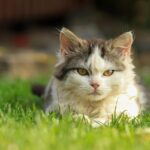
Newfoundland Poodle Dog: Your 2026 Guide to the ‘Newfiepoo’
When considering a loyal, gentle, and intelligent canine companion, the Newfoundland Poodle dog, more commonly known as the Newfiepoo, emerges as a fascinating hybrid. This crossbreed marries the steadfast, loving nature of the Newfoundland with the remarkable intelligence and elegance of the Standard Poodle. As of May 2026, the Newfiepoo continues to capture hearts with its imposing size, affectionate disposition, and potential for a lower-shedding coat. This complete guide delves into everything prospective owners need to know about this magnificent hybrid, from their origins and temperament to their unique care requirements.
- The Newfoundland Poodle dog, or Newfiepoo, is a cross between a Newfoundland and a Standard Poodle.
- They are large dogs known for their gentle, affectionate, and intelligent temperaments.
- Newfiepoos can be a good option for families, provided they receive proper socialisation and training.
- Grooming is a significant commitment, requiring regular brushing and professional trims to manage their thick coats.
- Potential owners should be prepared for the exercise needs and potential health concerns associated with this large hybrid breed.
Origins and Development of the Newfiepoo
The Newfiepoo is a relatively modern designer dog breed, emerging from intentional crossbreeding efforts in the late 20th and early 21st centuries. Breeders sought to combine desirable traits from both parent breeds. The Newfoundland, a breed renowned for its strength, calm demeanor, and natural aptitude as a water rescue dog, brings a gentle giant’s essence.
The Standard Poodle, celebrated for its exceptional intelligence, trainability, and often hypoallergenic coat, contributes agility and a keen mind. The goal was to create a large, intelligent, and potentially low-shedding family companion. While not officially recognised by major kennel clubs like the Kennel Club (UK) or the American Kennel Club (AKC), the Newfiepoo has gained a dedicated following among hybrid dog enthusiasts.
The precise origin of the Newfiepoo is not as well-documented as that of ancient breeds. However, the trend of crossbreeding purebred dogs to create ‘designer breeds’ gained significant traction in the 1980s and 1990s. This movement aimed to capitalise on the perceived benefits of hybrid vigour (better health due to genetic diversity) and to combine the best traits of popular breeds. The Newfiepoo is one such example, appealing to those who admire the Newfoundland’s loyalty and size but desire the Poodle’s intelligence and potentially reduced shedding.
Understanding the Newfoundland Poodle Dog Temperament
The temperament of a Newfoundland Poodle dog is a delightful blend of its parent breeds. Expect a dog that’s profoundly loyal, affectionate, and patient. Newfoundlands are famously gentle giants, often referred to as ‘nanny dogs’ due to their affinity with children.
Poodles, on the other hand, are highly intelligent, eager to please, and possess a playful, sometimes mischievous, streak. The Newfiepoo typically inherits this combination, making them wonderful family companions. They are generally good with children and other pets, especially when socialised from a young age.
However, it’s crucial to remember that this is a hybrid, and individual personalities can vary. Some Newfiepoos may lean more towards the placid nature of the Newfoundland, while others might exhibit more of the Poodle’s energetic and sensitive disposition. Early socialisation is paramount to ensure they develop into well-adjusted adults.
Exposing them to various sights, sounds, people, and other animals during their critical developmental period (typically between 3 to 16 weeks) helps them become confident and friendly dogs. Without adequate socialisation, their sheer size could make them intimidating or overly boisterous.
Worth noting is their intelligence. Poodles are consistently ranked among the most intelligent dog breeds, and this trait often shines through in their crosses. This means Newfiepoos are typically quick learners, responding well to positive reinforcement training methods.
However, their intelligence can also mean they get bored easily if not mentally stimulated, potentially leading to destructive behaviours. Providing them with puzzle toys, training games, and varied experiences is key to keeping their sharp minds engaged.
Socialisation: A Crucial First Step
For a Newfoundland Poodle dog, early and consistent socialisation is not just beneficial; it’s essential. As a large breed, their interactions with the world from puppyhood onwards will shape their adult behaviour. This involves carefully managed introductions to new environments, people of all ages and appearances, and other well-behaved dogs.
Puppy socialisation classes are an excellent way to achieve this in a controlled, safe setting, often recommended by veterinarians and professional dog trainers. The goal is to build confidence and prevent fear-based reactions later in life.
Physical Characteristics and Size of the Newfiepoo
The Newfoundland Poodle dog is undeniably a large breed. Given the significant size of the Newfoundland parent (males can weigh 60-70 kg and stand 70-75 cm tall) and the Standard Poodle (males typically weigh 25-32 kg and stand over 45 cm tall), expect a substantial dog. Adult Newfiepoos can range from 60 to 80 cm in height at the shoulder and weigh anywhere from 35 to 65 kg, with males often being larger than females. Their build is strong and muscular, reflecting their Newfoundland heritage, but with a more refined head and often a slightly longer muzzle influenced by the Poodle.
Their coat is a major talking point. It’s typically thick, dense, and can be wavy or curly, inheriting the Poodle’s characteristic texture. Colours can vary widely, including black, brown, grey, white, apricot, or a combination of these.
While many Newfiepoos are sought after for their potential to be low-shedding, it’s not guaranteed. Some may inherit more of the Newfoundland’s double coat, leading to significant seasonal shedding. Those with a coat more akin to the Poodle are generally considered to be more hypoallergenic, though no dog is truly 100% hypoallergenic.
The face is usually expressive, with large, dark, round eyes that convey a gentle and intelligent gaze. Their ears are typically floppy, hanging down the sides of their head, and covered in soft, wavy hair. The tail is often carried with a gentle wag, though it can be quite substantial and should be considered when navigating confined spaces!
Grooming and Coat Care for Your Newfiepoo
Grooming is one of the most significant commitments for any Newfiepoo owner. Their thick, dense coats require consistent and thorough care to prevent matting and maintain skin health. Daily brushing is often recommended, especially during shedding seasons, using a slicker brush and a metal comb to work through any tangles. Pay close attention to areas prone to matting, such as behind the ears, under the legs, and around the tail.
Beyond daily brushing, professional grooming is usually a necessity. Most owners opt for regular visits to a groomer, typically every 6-8 weeks, for a thorough bath, trim, and deshedding treatment. The Poodle influence means their coat can grow continuously, and without regular trims, it can become unruly and uncomfortable for the dog.
Styles can range from a practical, shorter ‘puppy cut’ for easier maintenance to a more elaborate, longer style that showcases the breed’s natural beauty. Owners who choose to groom at home will need to invest in professional-grade clippers, brushes, combs, and potentially a high-velocity dryer.
Regular ear cleaning is also vital, as their floppy ears can trap moisture and debris, increasing the risk of ear infections. Teeth should be brushed several times a week, and nails trimmed regularly to prevent overgrowth and discomfort. A complete grooming routine not only keeps your Newfiepoo looking and feeling their best but also provides an excellent opportunity to check for any lumps, bumps, or skin irritations.
Health and Lifespan of the Newfoundland Poodle Dog
Like many large breeds and crossbreeds, the Newfoundland Poodle dog can be prone to certain genetic health conditions. Responsible breeders will screen their breeding stock for common issues to minimise the risk in their puppies. Common concerns to be aware of include:
- Hip and Elbow Dysplasia: Both parent breeds can suffer from these joint conditions, where the hip or elbow joint doesn’t form properly. This can lead to arthritis and lameness. Reputable breeders will provide hip scores for their breeding dogs.
- Heart Conditions: Dilated Cardiomyopathy (DCM) is a concern in Newfoundlands, and certain heart issues can affect Poodles. Regular cardiac evaluations by a veterinary cardiologist are advisable.
- Bloat (Gastric Dilatation-Volvulus – GDV): Large, deep-chested breeds like Newfoundlands and Standard Poodles are at higher risk for GDV, a life-threatening condition where the stomach twists. Feeding smaller meals, avoiding exercise immediately after eating, and potentially considering a preventative gastropexy surgery can help reduce the risk.
- Eye Conditions: Progressive Retinal Atrophy (PRA) and cataracts are seen in both breeds. Regular eye exams by a veterinary ophthalmologist are recommended.
- Skin Allergies: While often touted as hypoallergenic, they can still develop allergies, which may manifest as skin irritation or ear infections.
The average lifespan for a Newfoundland Poodle dog is generally between 8 and 12 years. This is a reasonable lifespan for a large breed, though it can vary significantly based on genetics, diet, exercise, and overall health care. Early detection and management of health issues are key to ensuring your Newfiepoo lives a long, happy, and comfortable life.
As of May 2026, veterinary advancements continue to improve the diagnosis and management of these conditions. Owners should maintain a close relationship with their veterinarian and be vigilant for any changes in their dog’s behaviour or physical condition.
Feeding and Nutrition for Your Newfiepoo
Feeding a Newfoundland Poodle dog requires careful consideration of their large size and energy levels. Puppies, in particular, need a high-quality diet specifically formulated for large-breed puppies. These diets are designed to promote controlled growth, preventing them from growing too quickly, which can exacerbate joint issues like hip dysplasia. Look for foods with appropriate calcium and phosphorus ratios and added joint support supplements like glucosamine and chondroitin.
For adult Newfiepoos, a high-quality commercial dog food appropriate for large breeds is recommended. The protein content should be moderate (around 22-26%), and the fat content should be controlled (around 12-16%) to help maintain a healthy weight. Overfeeding can lead to obesity, placing undue stress on their joints and increasing the risk of health problems. It’s essential to follow the feeding guidelines on the dog food packaging, adjusting portions based on your individual dog’s activity level, metabolism, and age.
Consider feeding two meals a day rather than one large meal, especially for adults, to help prevent bloat. Avoid strenuous exercise for at least an hour before and after meals. Fresh, clean water should always be available. Consulting with your veterinarian about the best diet and portion sizes for your specific Newfiepoo is always a wise decision. They can provide personalised recommendations based on your dog’s health status and lifestyle.
Exercise and Training Requirements
Despite their size, Newfiepoos are not typically hyperactive dogs, but they do require regular exercise to stay healthy and happy. A daily walk of 30-60 minutes is usually sufficient for adult dogs, along with opportunities for free play in a safely enclosed garden. Given their Newfoundland heritage, many Newfiepoos enjoy water and swimming, which can be an excellent, low-impact form of exercise.
Mental stimulation is just as important as physical exercise for these intelligent dogs. Puzzle toys, training sessions, and interactive games can help prevent boredom and potential behavioural issues.
Training a Newfoundland Poodle dog is generally a rewarding experience due to their intelligence and eagerness to please. Positive reinforcement methods, such as praise, treats, and clicker training, work best. Consistency, patience, and early socialisation are key.
Start training basic commands like ‘sit’, ‘stay’, ‘come’, and ‘leave it’ from puppyhood. Their size means that basic obedience is crucial for manageability. Teaching them to walk politely on a lead, for example, is vital to prevent them from pulling you over, especially when they are young and still mastering their strength.
Because of their intelligence, they can learn complex commands and tricks. Enrolment in obedience classes, and perhaps even advanced training or dog sports like agility or scent work, can be highly beneficial for both the dog and the owner. These activities provide excellent mental and physical outlets, strengthening the bond between you and your Newfiepoo.
Are Newfiepoos Good Family Pets?
The Newfoundland Poodle dog is generally considered an excellent family pet, provided the family is prepared for the commitment. Their gentle nature, patience, and affectionate disposition make them wonderful companions for children. They are typically very devoted to their families and enjoy being involved in household activities. Their imposing size can be a deterrent for some, but their calm demeanour often means they are not overly boisterous indoors, especially once past the puppy stage.
However, as with any large breed, supervision is always recommended when young children are interacting with them, simply due to their size. A playful nudge from a 50kg dog can easily knock a small child over. Early socialisation and consistent training are crucial to ensure they are well-mannered around all family members, including visiting guests and other pets. Their loyalty also means they can develop separation anxiety if left alone for extended periods, so a family where someone is home frequently or where the dog can accompany them is ideal.
For families looking for a devoted, intelligent, and loving large dog with the potential for less shedding, the Newfiepoo is a strong contender. They thrive on companionship and are happiest when an integral part of the family unit. Their needs for grooming, exercise, and training require a dedicated owner, but the rewards of having such a unique and loving companion are immense.
Considering a Newfiepoo Puppy
When looking for a Newfoundland Poodle dog puppy, it’s vital to find a responsible breeder. A good breeder will be knowledgeable about the breed, screen their breeding dogs for genetic health conditions, and provide health clearances for both parent dogs. They should be happy to answer your questions, allow you to meet the puppies’ mother (and ideally father, if possible), and provide references. Avoid breeders who seem more interested in making a quick sale than in the well-being of their dogs, or those who can’t provide health guarantees or documentation.
The initial cost of a Newfiepoo puppy can vary widely, typically ranging from £1,500 to £3,000 or more, depending on the breeder’s reputation, the parents’ lineage, and the demand. Beyond the purchase price, prospective owners must budget for ongoing costs such as high-quality food, regular grooming, veterinary care (including vaccinations, parasite control, and potential health issue management), training classes, toys, and accessories. These costs can easily amount to several hundred pounds per year.
Common Mistakes to Avoid When Owning a Newfiepoo
Potential owners often make several common mistakes when bringing a Newfoundland Poodle dog into their lives. One of the most frequent is underestimating the grooming commitment. Many are drawn to the ‘hypoallergenic’ aspect but fail to realise the daily brushing and frequent professional grooming required.
This can lead to severely matted coats, causing pain and skin infections for the dog. Investing in grooming tools and a budget for professional services from the outset is crucial.
Another mistake is not providing adequate socialisation and training. Due to their size, an untrained or unsocialised Newfiepoo can be difficult to manage. Failing to expose them to various people, places, and other animals during their puppyhood can lead to fearfulness, aggression, or excessive shyness as adults. Consistent, positive reinforcement training from a young age is non-negotiable.
Finally, many owners underestimate the exercise and mental stimulation needs. While not marathon runners, these intelligent dogs require daily walks and mental challenges. Boredom can manifest as destructive chewing, excessive barking, or other unwanted behaviours. Ensuring they have enough to do, both physically and mentally, will contribute to a well-adjusted and happy companion.
Expert Tips for Newfiepoo Owners
When it comes to raising a healthy and happy Newfoundland Poodle dog, a few expert tips can make a significant difference. Firstly, invest in a high-quality grooming kit and learn basic grooming techniques, even if you plan to use a professional groomer. Being able to spot early signs of matting or skin issues between professional visits is invaluable. Consider a grooming course specifically for Poodle-type coats to gain confidence.
Secondly, focus on mental enrichment. Puzzles, scent games, and short, engaging training sessions are fantastic for keeping your Newfiepoo’s sharp mind occupied. Rotate their toys and introduce new challenges regularly to prevent boredom. A mentally stimulated dog is a well-behaved dog. As of 2026, numerous online resources and local training clubs offer innovative ideas for canine enrichment.
Thirdly, understand their potential health predispositions. Regular veterinary check-ups are paramount. Discuss with your vet about preventative measures for common issues like hip dysplasia and bloat. Early screening and proactive health management can significantly improve your dog’s quality of life and longevity.
Frequently Asked Questions
What is a Newfoundland Poodle dog called?
A Newfoundland Poodle dog is commonly known as a Newfiepoo. This affectionate nickname reflects its heritage from the Newfoundland and Poodle breeds.
Are Newfiepoos good with children?
Yes, Newfiepoos are generally excellent with children due to the Newfoundland’s innate gentleness and the Poodle’s playful nature. However, due to their large size, supervision is always recommended, especially with younger children.
Do Newfiepoos shed a lot?
While many Newfiepoos inherit the Poodle’s low-shedding coat, it’s not guaranteed. Some may shed moderately, especially if they have more of the Newfoundland’s double coat. Regular grooming is essential regardless of shedding levels.
What is the average lifespan of a Newfiepoo?
The typical lifespan for a Newfoundland Poodle dog is between 8 and 12 years. Genetics influencs this range, diet, exercise, and overall health care throughout their lives.
How much exercise does a Newfiepoo need?
Adult Newfiepoos generally require 30-60 minutes of moderate exercise daily. This can include walks, playtime, and activities like swimming, which they often enjoy.
Are Newfiepoos intelligent dogs?
Absolutely. They inherit the high intelligence of the Standard Poodle, making them quick learners. This intelligence means they also need significant mental stimulation to prevent boredom.