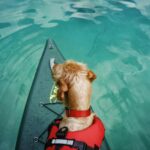
This means considering factors like size, stability, and material. Some manufacturers offer specialised accessories or even larger, more stable models designed with dogs in mind. The goal is to provide a secure and comfortable platform for your dog to share your paddling journey.
For instance, a sturdy, wide-beam kayak offers more stability than a narrow, performance-oriented one. This extra width is invaluable when a dog shifts their weight or simply gets excited. Owners often look for kayaks with ample deck space where a dog can comfortably sit or lie down without obstructing paddling. Materials also play a role; durable plastics are less prone to scratches from claws than softer inflatables, though inflatables offer portability.
The rise of ‘dog-friendly kayaking’ as a trend in 2026 means more resources and product options are available. This includes not just kayaks but also specialised dog life vests, secure tethers, and even waterproof dog mats for added comfort. The emphasis is on creating a safe and enjoyable experience for both pet and owner, turning a simple kayak into a shared adventure vessel.
Why Take Your Dog Kayaking? The Benefits
Integrating your dog into your kayaking excursions offers a wealth of benefits, fostering a deeper bond and providing both of you with enriching experiences. It’s a fantastic way to get both human and canine exercise in a low-impact, enjoyable manner.
For your dog, kayaking provides mental stimulation and physical activity. Exploring new environments, smelling new scents, and experiencing the gentle motion of the water can be incredibly engaging for them. It’s a way to socialise them with new environments and sounds in a controlled, safe setting. For owners, it’s the joy of sharing a beloved hobby with their best friend, creating lasting memories and strengthening the human-animal connection.
And, it can be a therapeutic activity. The rhythmic motion of paddling and the calming effect of being near water can be stress-reducing for both parties. According to the Pet Wellbeing Institute (2025), activities that promote shared experiences between pets and owners are linked to reduced anxiety and improved overall behavioural health in dogs.
Choosing the Right Dog Kayak: Key Considerations
Selecting the ideal kayak for you and your canine companion involves more than just picking a colour. Several factors need careful consideration to ensure safety, comfort, and suitability for your specific needs.
Size and Weight Capacity
The most critical factor is ensuring the kayak is large enough to comfortably accommodate your dog. A good rule of thumb is to ensure there’s enough space for your dog to sit, lie down, and shift their weight without feeling cramped. For larger breeds like Great Danes or Mastiffs, you’ll need a significantly longer and wider kayak, often a tandem or a specialised large-dog model. Always check the kayak’s maximum weight capacity, factoring in your weight, your dog’s weight, and any gear you plan to bring.
For example, a standard 10-foot recreational kayak might have a capacity of around 150-200 kg. If you weigh 75 kg and your dog weighs 30 kg, you’re using 105 kg of capacity. This leaves plenty of room for gear and ensures the kayak isn’t overloaded, which is crucial for stability and safety. A dog like a Labrador (around 25-35 kg) can often fit comfortably in a well-designed solo recreational kayak, provided there’s sufficient deck space.
Stability and Design
Stability is paramount when kayaking with a dog. Wide, flat-bottomed kayaks generally offer superior stability compared to narrow, V-shaped hulls designed for speed. Look for models described as ‘recreational’ or ‘touring’ kayaks, as these tend to prioritise stability. A kayak with a lower centre of gravity also helps prevent tipping.
The deck design matters too. A sit-on-top kayak, for example, offers an open deck that’s easier for dogs to get on and off and provides more space. The cockpit of a sit-in kayak can be restrictive. Some kayaks come with built-in tie-down points or accessory tracks that can be useful for securing your dog’s leash or other gear.
Material and Portability
Kayaks come in various materials, each with pros and cons:
- Polyethylene: Durable, impact-resistant, and generally the most affordable. However, it can be heavy and difficult to transport.
- ABS Plastic: Lighter than polyethylene, offering a good balance of durability and weight, but typically more expensive.
- Composite (Fibreglass/Kevlar): Lightweight and performant, but expensive and less durable against impacts.
- Inflatable: Highly portable and easy to store, often made from tough PVC or drop-stitch materials. They can be susceptible to punctures from claws if not properly protected.
For owners with limited storage or transport options, an inflatable dog kayak or a modular kayak that breaks down into sections might be the most practical choice. A high-quality inflatable, like those from brands such as Advanced Elements or Red Paddle Co, can be surprisingly strong when properly maintained.
Specialised Dog Kayaks and Accessories
While many standard kayaks can work, some brands are now offering ‘dog kayaks’ or specific accessories. These might include wider decks, integrated ramps for easier boarding, or special non-slip surfaces. For instance, a company might offer a large sit-on-top kayak with a vast rear deck specifically marketed for canine passengers. Other manufacturers provide universal dog kayak seats or platforms that can be attached to existing kayaks.
Worth noting, the term ‘dog kayak’ often refers to any kayak used with a dog, rather than a unique category of watercraft. The key is adapting a suitable existing model with the right accessories. A sturdy paddleboard can also be a viable alternative for calmer waters and well-trained dogs, offering a similar shared-activity experience.
Essential Safety Gear for Dog Kayaking
Safety is non-negotiable when introducing your dog to kayaking. Proper gear ensures peace of mind and protects your pet in and around the water.
Dog Life Vests (PFDs)
A well-fitting Personal Flotation Device (PFD) is the single most important safety item. Even if your dog is a strong swimmer, a PFD will keep them afloat, visible, and make it easier for them to re-enter the kayak or reach shore. Look for vests with a strong handle on top for easy lifting and rescue.
When selecting a dog PFD, ensure it’s designed for swimming and not just a float coat. Brands like Ruffwear, Kurgo, and NRS offer excellent dog PFDs. The vest should fit snugly but comfortably, without restricting movement.
Check the buoyancy rating – a higher rating is generally better for larger dogs or in choppier waters. According to the American Animal Hospital Association (2025), ensuring a dog’s PFD is properly fitted can increase their confidence and safety around water.
Leashes and Tethers
While a leash is essential for control on land, in a kayak, it can pose a entanglement risk if too long or restrictive. Opt for a shorter, quick-release leash or a specialised kayak tether. These are designed to securely attach your dog to the kayak without allowing them to fall overboard or get tangled. Ensure any tether is attached to a strong point on the kayak, not just a flimsy bungee cord.
A good compromise is a leash attached to a D-ring on the kayak, but with a quick-release mechanism that you can activate instantly if needed. Alternatively, some owners use a harness with multiple attachment points, securing the dog to two separate points on the kayak for redundancy. This prevents them from falling out while still allowing them some movement.
Water and Snacks
Kayaking can be physically demanding, and your dog will need hydration and potentially a small snack, especially on longer trips. Bring plenty of fresh water and a portable bowl. Choose high-energy, easily digestible snacks. Avoid feeding a large meal right before paddling, as this can lead to discomfort or even bloat.
Remember to pack a small, waterproof bag for your dog’s essentials, including any medications they might need. A compact first-aid kit tailored for pets is also wise. Consider the weather too; on hot days, a cooling mat or even a small spray bottle of water can help keep your dog comfortable.
Training Your Dog for Kayaking: A Step-by-Step Approach
The key to successful dog kayaking is gradual, positive reinforcement-based training. Never force your dog into the kayak; let them explore and build confidence at their own pace.
Phase 1: Introduction to the Kayak (On Land)
Start by simply having the kayak accessible in a familiar, safe area, like your garden or living room (if it fits!). Let your dog investigate it on their own terms. Place treats or their favourite toys around and inside the kayak to create positive associations. Reward any calm curiosity.
Once they seem comfortable, encourage them to get in the kayak while it’s on land. Use high-value treats and praise. Keep initial sessions short – just a few minutes at a time. The goal is for them to see the kayak as a positive, safe space.
Phase 2: Introduction to Water (Shallow, Calm Areas)
When your dog is happy getting in and out of the kayak on land, move to the water’s edge. Place the kayak in very shallow water where their paws can still touch the bottom. Encourage them to get in. If they’re hesitant, you can sit in the kayak yourself to show them it’s stable and safe.
Keep these sessions brief. The focus is on building confidence. If your dog seems anxious, go back a step. Celebrating small successes with treats and enthusiastic praise is vital. This gradual approach helps them adapt to the sensation of the kayak floating beneath them.
Phase 3: Short Paddles in Calm Waters
Once your dog is comfortable in the kayak in shallow water, you can attempt short paddles in very calm, sheltered areas like a quiet pond or a protected cove. Ensure you have their PFD on and that you’re both secure. Start with just a few minutes on the water.
Your primary focus should be on your dog’s comfort. Watch their body language closely for signs of stress, such as panting excessively, whining, or trying to jump out. If they remain relaxed, you can gradually increase the duration of your paddles. Introduce them to gentle waves or slightly more open water only when they are completely at ease.
Phase 4: Building Endurance and Confidence
As your dog becomes more accustomed to kayaking, you can extend the length of your trips and explore new waterways. Continue to use positive reinforcement and always pack water and snacks. Be aware of your dog’s limits; some dogs may only tolerate short excursions, while others might enjoy longer adventures.
Consider practising getting in and out of the kayak from a dock or a very gentle slope. This builds their independence and confidence in re-boarding. Always make sure the kayak is stable before they attempt to get in or out. The goal is to make kayaking a fun, regular activity for your canine companion.
Paddling Techniques and Etiquette with Your Dog
Kayaking with a dog requires some adjustments to your usual paddling techniques and a strong awareness of etiquette.
Maintaining Balance and Control
Your dog’s weight distribution can affect the kayak’s balance. Encourage your dog to sit or lie in the most stable part of the kayak, usually towards the centre. Avoid sudden movements or sharp turns that could unbalance the kayak. Paddle smoothly and deliberately. If your dog is particularly energetic, you might consider a wider, more stable kayak or a tandem setup where you can better manage their movements.
A common issue is dogs leaning over the side to look at things. While natural, this can cause the kayak to list. Gently redirecting their attention or using a secure tether can help manage this. For larger breeds, ensure they are positioned centrally to maintain an even keel.
Navigating Waterways Safely
Always check the conditions before you set off. Avoid kayaking in strong currents, high winds, or rough water, especially when you’re new to kayaking with your dog. Stick to calm, sheltered lakes, ponds, or slow-moving rivers initially. Be aware of other watercraft and potential hazards like submerged objects or shallow areas.
When passing other boats or swimmers, slow down and give them plenty of space. Remember that not everyone is comfortable around dogs, especially in a confined space like a kayak. Following general water safety guidelines, such as letting someone know your route and expected return time, is also crucial. The RNLI (Royal National Lifeboat Institution) provides excellent general water safety advice applicable to all water sports.
Respecting Wildlife and the Environment
It’s vital to be a responsible paddler. Keep a safe distance from wildlife, especially nesting birds or seals. Your dog’s presence can disturb animals, so keep them under control and prevent them from chasing or barking at wildlife. Always pack out everything you pack in, leaving no trace behind.
Consider the impact on the environment. Avoid paddling through sensitive habitats. If you’re visiting a new area, research local regulations regarding pets and water access. Many popular UK paddling spots, particularly in national parks, have specific guidelines for dog owners. Leaving no trace is a fundamental principle of responsible outdoor recreation, as promoted by organisations like the Leave No Trace Centre for Outdoor Ethics.
Common Mistakes to Avoid When Kayaking with Your Dog
Even experienced paddlers can make mistakes when introducing their dogs to kayaking. Being aware of these pitfalls can save you trouble and ensure a safer, more enjoyable outing.
Mistake 1: Inadequate Safety Gear
Failing to use a proper dog life vest or a secure tether is a significant oversight. Relying on your dog being a ‘good swimmer’ is risky. Water conditions can change rapidly, and exhaustion or panic can overcome even the best swimmers. Always outfit your dog with a well-fitting PFD and a reliable way to secure them.
Correction: Invest in a high-quality dog PFD with a strong dorsal handle and a sturdy, quick-release leash or tether. Ensure the PFD fits correctly and is used on every outing, no matter how short or calm the water.
Mistake 2: Rushing the Training Process
Trying to get your dog on a long paddle before they are comfortable can create negative associations. If their first experiences are stressful, they may refuse to get in the kayak again. Patience is key.
Correction: Follow the gradual training steps outlined above. Celebrate small victories and keep sessions short and positive. Your dog’s comfort and confidence should always be the priority.
Mistake 3: Overlooking Your Dog’s Needs
Forgetting to bring water, snacks, or a way to manage your dog in hot weather can lead to discomfort or dehydration. Also, not considering your dog’s breed and energy levels can lead to unrealistic expectations.
Correction: Always pack more water than you think you’ll need. Bring appropriate snacks and consider a cooling mat or portable shade for hot days. Research your dog’s breed characteristics and tailor your kayaking trips accordingly.
Mistake 4: Lack of Environmental Awareness
Not understanding local regulations or the impact on wildlife can lead to fines or environmental damage. Some areas have strict rules about dogs near sensitive ecosystems or during certain seasons.
Correction: Research your intended paddling location beforehand. Check local council websites or speak to park rangers about pet policies. Always practice ‘Leave No Trace’ principles.
Tips for the Best Dog Kayaking Adventures in 2026
To make your dog kayaking experiences as smooth and enjoyable as possible, consider these expert tips:
- Introduce a ‘Kayak Command’: Teach your dog a specific word or signal they associate with getting into the kayak. This can help them get in calmly and on cue.
- Non-Slip Surfaces: Add a non-slip mat or rug inside the kayak, especially if it’s a sit-on-top model. Dog kayaks provides better traction and comfort for your dog, preventing slips.
- Practice Re-entry: Work on your dog’s ability to get back into the kayak from the water. This is a critical safety skill. Practice in controlled conditions with their PFD on.
- Know When to Turn Back: Pay close attention to your dog’s signals. If they seem stressed, tired, or uncomfortable, it’s time to head back. A happy dog is a safe dog.
- Consider Tandem Kayaks for Large Dogs: For very large or highly active dogs, a tandem kayak offers more space and allows you to better manage their movements and re-entry.
- Weather Watch: Always check the weather forecast. Extreme heat, cold, or strong winds can make kayaking unsafe and uncomfortable for your dog.
The growth in the popularity of dog-friendly activities in the UK, including kayaking, means that as of 2026, there are more accessible locations and resources than ever before. Many local councils and outdoor activity centres are now actively promoting dog-welcoming watersports.
Frequently Asked Questions about Dog Kayaks
Are dog kayaks a real thing, or just regular kayaks used for dogs?
While there isn’t a distinct category of ‘dog kayak’ manufactured separately from human kayaks, many standard kayaks are well-suited for dogs. Some brands offer specialised accessories or larger, more stable models that cater to canine passengers. The term generally refers to any kayak adapted for use with a dog.
How do I choose the best kayak for my dog?
Consider your dog’s size, weight, and temperament. Prioritise stability, ample deck space, and a weight capacity that accommodates both you and your dog. Material and portability are also important factors depending on your lifestyle and storage options.
Is kayaking safe for my dog?
Yes, kayaking can be safe for dogs when the right precautions are taken. Essential safety gear like a dog PFD and proper training are crucial. Always introduce your dog gradually and monitor their comfort and stress levels.
What safety equipment is essential for dog kayaking?
The most critical safety items are a well-fitting dog life vest (PFD) and a secure leash or tether. Bringing fresh water and a portable bowl is also important for hydration on the water.
How do I train my dog to get into a kayak?
Start by making the kayak a positive experience on land with treats and praise. Gradually introduce it to shallow water, then short paddles in calm areas. Patience and positive reinforcement are key to building your dog’s confidence.
Can my large breed dog kayak?
Absolutely. For larger breeds, you’ll need a kayak with a higher weight capacity and more deck space. Tandem kayaks or wider, stable solo models are often suitable. Ensure their PFD is appropriately sized and buoyant.
Conclusion: start Your Next Adventure
Kayaking with your dog can be an incredibly rewarding experience, offering a unique way to explore the great outdoors together. By carefully selecting the right gear, committing to gradual training, and prioritising safety at all times, you can create unforgettable adventures on the water. Start small, stay patient, and enjoy the journey with your four-legged first mate.