
Why Specialising in Cat Breeds Matters For many, the decision to welcome a cat into their home is driven by affection and the desire for companionship. However, overlooking the nuances between distinct cat breeds can lead to a mismatch between a cat’s inherent needs and a household’s capabilities. As of July 2026, the sheer diversity of recognised and developing cat breeds means there’s a feline for almost every lifestyle, but choosing wisely is paramount. Most prospective owners consider basic traits like coat length or general friendliness. Yet, diving deeper into breed-specific characteristics—from energy levels and social needs to potential health predispositions and grooming requirements—can prevent future heartache and ensure a harmonious, long-term relationship. This article aims to guide experienced cat enthusiasts and seasoned owners alike through the world of feline diversity, focusing on traits that go beyond surface-level appeal.
- Breed selection significantly impacts a cat’s behaviour, care needs, and potential health issues.
- Understanding a breed’s energy level, social disposition, and grooming requirements is crucial for a successful match.
- While many breeds exist, careful research into specific traits and potential health concerns is vital for long-term compatibility.
- Consider a breed’s vocalization tendencies and space requirements, especially in smaller homes or apartments.
- Hypoallergenic breeds offer hope for allergy sufferers, but individual reactions can still vary.
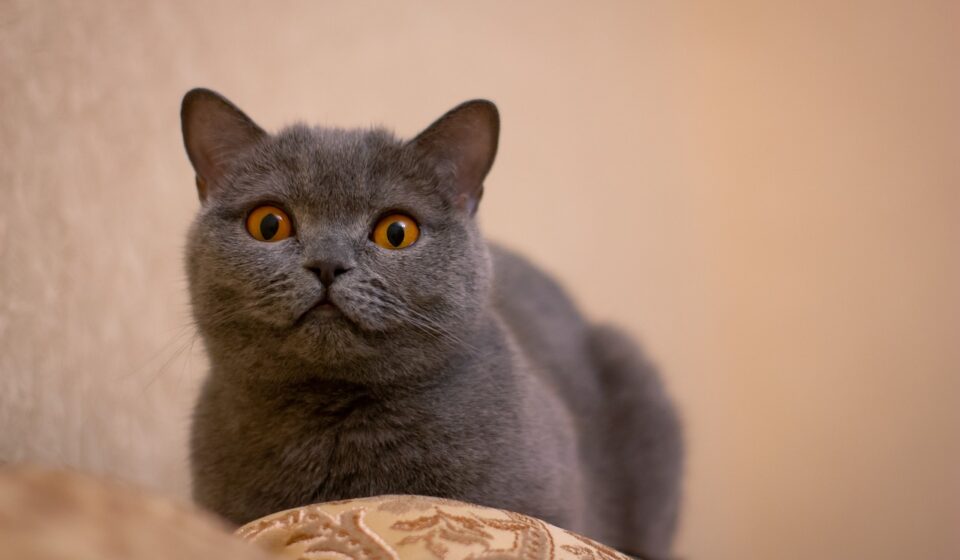
Decoding Feline Personalities: Temperament Traits by Breed When we talk about cat breeds, personality often takes centre stage. While individual cats within a breed can vary, certain temperamental tendencies are more prevalent in specific breeds. For instance, the Siamese cat is renowned for its vocal, intelligent, and highly social nature, often described as ‘dog-like’ in its desire for interaction. They thrive on conversation and can become anxious or destructive if left alone for long periods without stimulation. In contrast, the British Short hair is typically more reserved and independent, content with quiet companionship rather than constant attention. They are generally placid and adaptable, making them excellent choices for households that may not always be bustling. Understanding these core temperament differences is the first step in finding a cat whose personality complements your own.

Coat Considerations: From Silky Straight to Curly Charm Coat type is a significant factor influencing grooming commitment. Long-haired breeds like the Persian or Maine Coon require daily brushing to prevent mats and tangles, which can be uncomfortable and lead to skin issues. These breeds are often admired for their luxurious manes and flowing fur, but this beauty demands a substantial time investment. On the other end of the spectrum are breeds with short or no hair.
The Sphinx, for example, lacks a coat but requires regular bathing to remove skin oils that would otherwise be absorbed by fur. Cornish Rex and Devon Rex breeds have short, wavy coats that need minimal brushing but can still be prone to skin sensitivities. For those seeking low-maintenance cat breeds in terms of grooming, breeds like the Abyssinian or Russian Blue, with their short, dense coats, are excellent options that typically only need weekly brushing.
High-Energy Hunters vs. Couch Companions Energy levels vary dramatically among cat breeds. The Bengal, for instance, is a highly energetic and intelligent breed, often likened to a wild cat in its need for activity and mental stimulation. They enjoy climbing, hunting games, and puzzle toys, and may even take to water. Bengals are not suited for owners who prefer a sedentary feline. For a more laid-back companion, breeds like the Rag doll are ideal.
Known for their docile and affectionate nature, Rag dolls are often happy to lounge with their owners, enjoying gentle play rather than rigorous activity. They are typically very tolerant and make wonderful pets for families or individuals seeking a calm, cuddly friend. Understanding these energy differences is crucial for preventing behavioural issues stemming from boredom or unmet needs. Breed-Specific Health Insights for Long-Term Well-being Responsible ownership involves being aware of potential breed-specific health concerns.
For example, the Scottish Fold is prone to developing a painful genetic condition called Feline Hypertrophic Osteodystrophy (FHO) which affects bone and cartilage development, particularly in their folded ears and legs. While charming, this genetic predisposition requires vigilant monitoring and potentially costly veterinary care. Similarly, the Maine Coon, despite its strong build, can be susceptible to hip dysplasia and hypertrophic cardiomyopathy (HCM), a heart condition. According to the Cornell University College of Veterinary Medicine (2025), HCM is a common heart disease in cats, and while it affects many breeds, certain genetic lines within the Maine Coon population have a higher incidence.
Choosing a reputable breeder who screens their cats for these genetic issues can significantly mitigate risks. Researching the typical lifespan and common health issues for any breed you’re considering is a vital part of due diligence.

Allergy-Friendly Felines: Fact vs. Fiction The concept of hypoallergenic cat breeds is a beacon of hope for many allergy sufferers. However, it’s important to understand that no cat is truly 100% hypoallergenic. Allergies are typically triggered by Fel d 1 protein, found in a cat’s saliva, urine, and dander. While some breeds produce less of this protein or shed less dander, individual reactions can still occur. Breeds often cited as more allergy-friendly include the Siberian, known for producing lower levels of Fel d 1, and the Sphinx, which has no fur to trap dander.
However, even with these breeds, spending time with a particular cat before adoption is crucial to gauge your personal reaction. According to the Asthma and Allergy Foundation of America (AAFA) (2025), it’s the individual cat, not just the breed, that determines allergen levels. Considering Your Living Space and Noise Tolerance Your living situation plays a significant role in breed suitability. Large, active breeds like the Norwegian Forest Cat, while beautiful and gentle, require ample space to roam, climb, and play.
Cramping such a cat into a small apartment without sufficient vertical territory or environmental enrichment can lead to stress and behavioural problems. Vocalization is another factor. The Oriental Short hair, for example, is known for being quite chatty, often communicating its needs and opinions with gusto. If you live in an apartment with thin walls or simply prefer a quieter home environment, breeds known for their softer voices, like the Russian Blue or the American Curl, might be a better fit.
Researching a breed’s typical vocal tendencies is as important as understanding its energy level. Exploring the World of Rare and Designer Cat Breeds Beyond the commonly recognised breeds, a fascinating array of rare and designer cat breeds are emerging. These might include experimental crosses or land races being developed into standardized breeds. For example, the Lykoi, often called the ‘werewolf cat’, has a unique partially hairless coat and a mischievous personality.
Its distinctive appearance comes from a natural mutation. Keep in mind that acquiring a rare or designer breed can sometimes be more challenging, with waiting lists for kittens and potentially higher costs. Many of these newer breeds may not yet have extensive research on long-term health or temperament, making thorough investigation and choosing a responsible breeder even more critical. As of July 2026, organisations like The International Cat Association (TICA) are actively evaluating and recognising many of these new breeds, bringing them into the spotlight.
The Practicalities: Making Your Breed Choice When choosing a cat breed, consider these practical steps. First, assess your lifestyle: How much time can you dedicate to grooming and play? What is your living space like? Are there children or other pets in the household? Answering these questions honestly will help narrow down your options significantly. Next, research breeds that align with your answers. Look for reputable breeders who prioritise health and temperament testing. Don’t be afraid to ask questions about the parents’ health history, the kitten’s socialization, and the breeder’s return policy. For those considering adoption, shelters often have knowledgeable staff who can help match you with a cat, sometimes even a purebred, whose personality fits your needs, even if their exact lineage isn’t fully known.
Common Mistakes to Avoid
A frequent error is selecting a cat purely on appearance without considering its behavioural needs. A beautiful long-haired cat that requires daily grooming might not be a good fit for someone with a demanding schedule, leading to neglect of its coat. Similarly, choosing a highly energetic breed for a sedentary household can result in destructive behaviour. Another mistake is assuming all cats of a breed are identical. Individual variation is significant. Always aim to meet the cat or its parents if possible, and observe their interactions. Relying solely on breed stereotypes without considering the individual animal can lead to disappointment.
Expert Tips for Experienced Owners
For those who have owned cats before, consider exploring breeds that offer a new challenge or a different dynamic. Perhaps a more independent breed like the Russian Blue if you’ve only known very clingy cats, or a highly intelligent breed like the Abyssinian if you’re ready for a stimulating mental challenge. Experienced owners are often better equipped to handle the specific needs of breeds that might be overwhelming for first-time owners. Also, consider mixed breeds or ‘domestic’ cats. While not a specific breed, these cats often exhibit a strong ‘hybrid vigor’ and can possess wonderfully unique personalities. A skilled foster or shelter worker can often help you identify a domestic cat with traits that align with your preferences, even without a pedigree. Frequently Asked Questions
What is the most popular cat breed in 2026?
As of July 2026, the Rag doll remains exceptionally popular due to its docile temperament and affectionate nature. Breeds like the Maine Coon and British Short hair also consistently rank high in popularity surveys for their appealing characteristics and adaptability.
Are there any truly hypoallergenic cat breeds?
While no cat breed is completely hypoallergenic, some, like the Siberian and Sphinx, are known to produce fewer allergens. However, individual reactions vary, so spending time with a specific cat before adoption is recommended.
Which cat breeds are best suited for families with young children?
Breeds known for their patience and gentle nature, such as the Ragdoll, Maine Coon, and American Short hair, are generally considered excellent choices for families with children. Their calm demeanours make them more tolerant of playful, sometimes boisterous, interactions.
What are some of the most independent cat breeds?
Breeds like the Russian Blue, British Short hair, and Persian are often noted for their independent streaks. They appreciate companionship but are typically content to entertain themselves and don’t demand constant attention.
Which cat breeds are known for being very vocal?
The Siamese and Oriental Shorthair breeds are famously vocal, often ‘talking’ to their owners. The Abyssinian and Bengal breeds can also be quite communicative and expressive through vocalization.
How does breed affect a cat’s lifespan?
While lifestyle and healthcare play major roles, some breeds have predispositions to certain conditions that can affect lifespan. Generally, smaller, less extreme breeds tend to live longer, often into their late teens or early twenties, whereas breeds with known genetic health issues may have shorter average lifespans.


