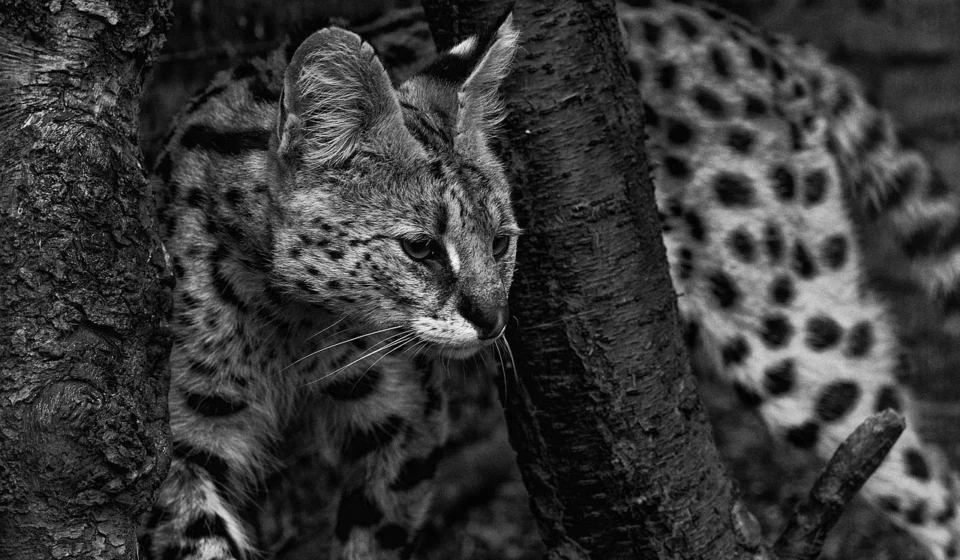
A serval cat (Leptailurus serval) is a wild, medium-sized feline from sub-Saharan Africa, known for its spotted coat, long legs, and large ears. While some people keep servals as exotic pets, owning a serval requires extensive specialized care, including a whole-prey diet, massive secure enclosures, and strict legal licensing, making it unsuitable for most households.
Many animal lovers are captivated by the idea of sharing their home with an exotic feline. They imagine a unique companion unlike any traditional pet. However, keeping a serval cat is fundamentally different from caring for a domestic cat. Servals carry deeply ingrained instincts shaped by millions of years of evolution on the African savanna. As a result, meeting those wild requirements inside a residential setting presents severe logistical, financial, and legal challenges.
- Serval cats are wild African felines with high energy, extreme leaping capabilities, and strong hunting instincts.
- Their diet consists of whole prey such as rodents, poultry, and rabbits, requiring significant monthly expenditure.
- Enclosures must be tall, fully roofed, spacious, and escape-proof with subterranean digging barriers.
- Many regions heavily regulate or ban legal ownership, including strict licensing under the UK Dangerous Wild Animals Act 1976.
- Servals exhibit intense scent-marking behaviours, including urine spraying, that you cannot eliminate through domestic training.
What is a Serval Cat and Where Do They Come From?
The serval (Leptailurus serval) is a medium-sized wild cat indigenous to sub-Saharan Africa. They thrive primarily in savanna grasslands, reed beds, and marshy habitats near water sources. Built specifically for stalking small prey through tall grasses, a full-grown serval stands between 20 to 24 inches (50 to 60 cm) at the shoulder and weighs between 20 and 40 pounds (9 to 18 kg).
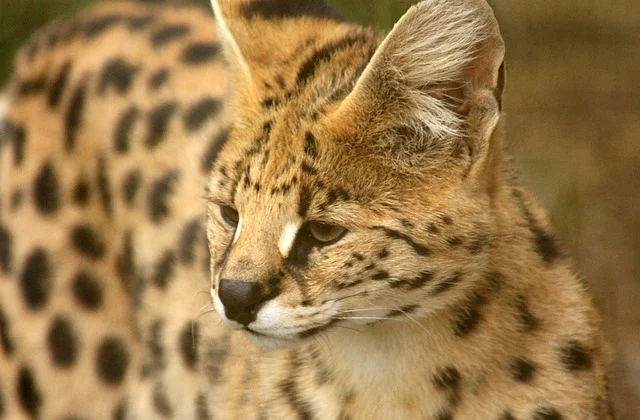
Their physical structure features striking evolutionary adaptations. Relative to their body size, servals possess the longest legs of any cat species. This gives them an elevated vantage point in tall vegetation. Also, their oversized, oval ears act as sensitive sound dishes. They are capable of detecting the faint rustle of rodents moving underground or under dense cover. Their coats are tawny gold patterned with distinct black spots and stripes, providing camouflage in sunlit grass.
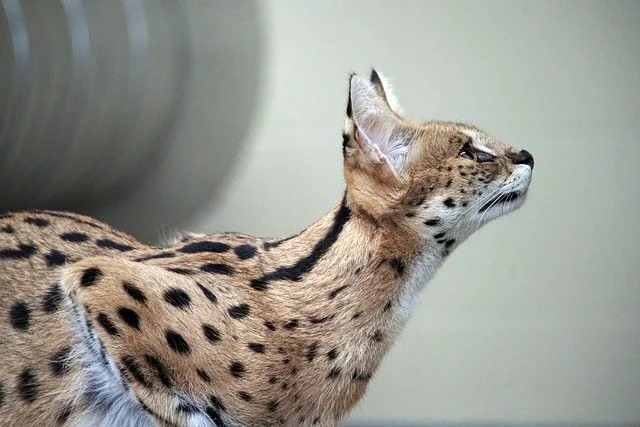
Unlike many big cats, servals are solitary and active primarily during dawn, dusk, and daylight hours. They use a characteristic high-pouncing jump, leaping more than 6 feet (2 metres) into the air or up to about 12 feet horizontally to land precisely on prey like mice, rats, frogs, birds, lizards, and large insects. [twpark.com]
Can a Serval Cat Be a Pet?
While it is technically possible to own a serval cat as a pet in some regions, it is a highly demanding undertaking that requires significant resources, expertise, and a deep understanding of their wild nature. Servals are not domesticated animals; they are wild felines whose instincts remain intact even when raised by humans. They are not suitable for typical household environments, and you cannot treat them like a domestic cat.
How Do Serval Cats Behave in a Home Environment?
In a home setting, a serval cat does not behave like an oversized house cat. While early socialization with human handlers can make a serval tolerant of contact, they retain their wild instincts throughout their lives. Servals are intense, active, and hyper-alert animals that operate on their own terms.
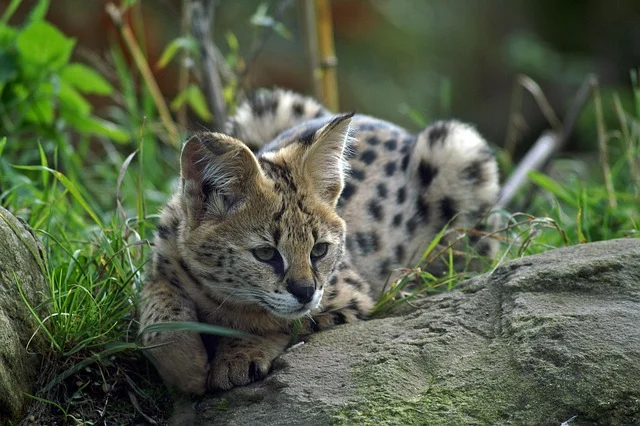
Servals express affection differently than domestic breeds. A bonded serval may greet its owner with high-pitched chirps, head-butts, or by following them from room to room. However, they rarely tolerate prolonged cuddling, sitting on laps, or physical restraint. When startled, stressed, or frustrated, their defensive response can include sharp swiping, biting, growling, and loud hissing.
Key behavioural traits potential owners must anticipate include:
- Territorial scent marking: Servals have an instinct to mark their territory by spraying urine on walls, furniture, and doorways. This behaviour is hormonal and environmental; even neutered or spayed servals frequently spray. You cannot train this out of them, and it is a common reason serval owners become overwhelmed.
- High prey drive: Smaller domestic pets—including small dogs, domestic cats, rabbits, guinea pigs, and pet birds—are viewed as prey items by a serval cat. You should never house them together. Also, even supervised interactions are extremely risky.
- Unpredictable vertical leaping: A serval can leap effortlessly onto the tops of doors, high cabinets, and refrigerators, clearing shelves and knocking over household items. Therefore, they require enclosures that account for their exceptional agility and jumping ability.
- Vocalizations: Rather than purring or meowing like a domestic cat, servals communicate through sharp chirps, bird-like calls, growls, and loud warning hisses. Their vocalisations can be loud and startling to those unfamiliar with them.
What Do Serval Cats Eat and How Much Does Feeding Cost?
Serval cats are strict obligate carnivores with digestive systems designed exclusively for processing whole raw animals. Feeding standard commercial cat food, canned meat, or boneless raw beef leads to catastrophic health failures. These failures include metabolic bone disease, severe calcium deficiencies, and organ failure.
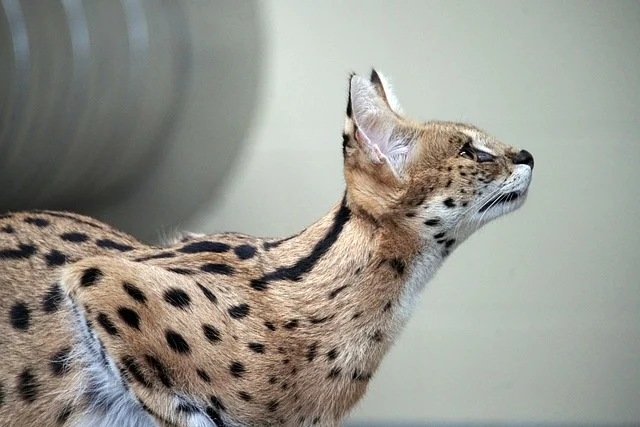
A balanced serval diet consists of complete prey items containing whole meat, organs, cartilage, and bone. In captivity, owners must supply a daily rotation of raw prey, which usually includes:
- Whole mice and rats
- Day-old chicks and adult quail
- Whole rabbits (with hide and bone)
- Freshly prepared commercial whole-prey diets enriched with essential exotic feline supplements
Sourcing and storing whole prey requires dedicated freezer space and reliable wholesale suppliers. Preparing these meals involves handling raw carcasses daily, which can be challenging for squeamish owners. Monthly food costs typically run into hundreds of pounds depending on local availability and carcass size. In addition, you must add vitamin and calcium supplements specifically formulated for wild felids to prevent nutritional deficits.
What Kind of Enclosure Does a Serval Cat Require?
A standard indoor house or apartment is entirely unsuited for a serval cat. Keeping a serval indoors leads to heavy furniture destruction, ceiling-high escapes, and severe stress-induced pacing. Therefore, a proper housing setup requires a spacious, fully secured outdoor enclosure connected to a climate-controlled indoor retreat.
An ideal serval enclosure must meet strict structural standards:
- Space and height: A minimum outdoor floor area of 500 square feet (46 square metres) with a ceiling height of at least 8 to 10 feet to accommodate high leaping. This space allows for sufficient exercise and mental stimulation.
- Roof containment: Servals are exceptional climbers and jumpers. Therefore, you must completely cover the top of the enclosure with heavy-gauge chain-link fence or reinforced wire mesh. Open-top enclosures are not secure.
- Digging barriers: Because servals naturally dig, the mesh fencing must extend underground at least 2 to 3 feet, or be anchored to a heavy concrete perimeter apron. This prevents them from digging under fences and escaping.
- Safety vestibules: Double-door entry systems are essential to prevent the cat from darting out when an owner enters or exits. This creates a secure buffer zone.
- Environmental enrichment: Structures must include elevated wooden platforms, climbing logs, hiding boxes, resting shelves, and shallow water basins, as servals enjoy playing in water. These elements are important for their physical and mental well-being, mimicking aspects of their natural habitat.
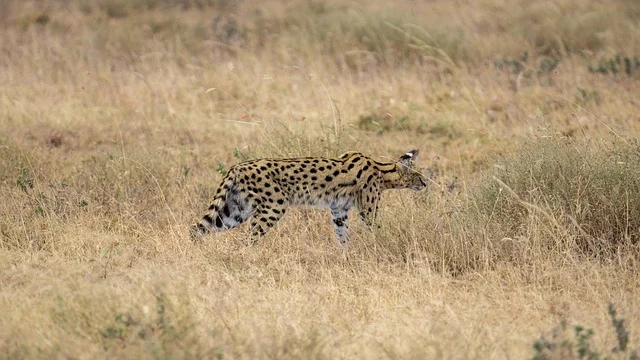
Failure to provide adequate space and mental stimulation results in stereotypic stress behaviours, such as repetitive pacing along fence lines, self-mutilation, excessive vocalization, and increased aggression toward caretakers.
Is it Legal to Own a Serval Cat?
The legal framework surrounding serval cat ownership is complex and heavily enforced worldwide. Because servals are wild felines, regulations are designed to protect public safety, prevent escaped exotic populations, and ensure animal welfare standards.
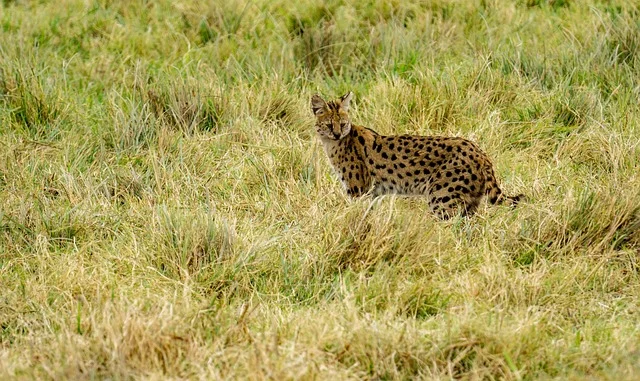
In the United Kingdom, keeping a serval cat requires a licence under the Dangerous Wild Animals Act 1976 (DWA). Local council authorities inspect premises to verify that enclosures are escape-proof, built to strict structural specifications, and covered by comprehensive public liability insurance. However, licenses are difficult to obtain for private residential properties, and authorities often restrict them to licensed breeding facilities or sanctuaries.
In the United States, laws vary dramatically by state and county:
- Strict bans: States such as California, Georgia, Hawaii, Washington, and New York prohibit private ownership of serval cats entirely.
- Permit required: States including Florida, Texas, and Indiana permit ownership under specific permits, requiring background checks, facility inspections, and documented exotic animal experience.
- Local ordinances: Even in states without statewide bans, individual cities and counties often enforce strict exotic animal bans. Therefore, it is important to check both state and local laws.
Unlawful possession can lead to criminal penalties, substantial fines, and immediate confiscation of the animal. Because overcrowded sanctuaries can rarely place confiscated exotic cats, illegal ownership frequently results in authorities euthanizing the animal.
How Much Does a Serval Cat Cost to Purchase and Keep?
The total cost of keeping a serval cat extends far beyond the initial purchase price of the kitten. Prospective owners must prepare for major upfront capital expenses followed by high recurring monthly costs. As a result, the significant financial commitment is a primary barrier for most potential owners.
Key expenses associated with serval ownership include:
- Purchase price: Pure serval kittens from specialized, reputable breeders generally cost between £5,000 and £10,000 in the UK, or $7,000 to $15,000 in the US. Prices can vary based on lineage, breeder reputation, and availability.
- Enclosure construction: Building a professional, escape-proof outdoor enclosure with double safety doors, buried footings, climbing features, and a climate-controlled shelter typically costs anywhere from £5,000 to £20,000 or more, depending on size and materials.
- Licensing and permits: Annual council DWA inspection fees or state permits, combined with required public liability insurance policies, add ongoing overhead. These fees can range from hundreds to thousands per year.
- Monthly whole-prey feeding: Sourcing rats, chicks, rabbits, and raw supplements costs several hundred pounds (typically £200-£400) or dollars ($300-$600) each month, depending on the serval’s size and activity level.
- Exotic veterinary care: Routine wellness exams, specialized vaccinations, parasitic testing, and emergency surgeries carry premium costs compared to standard pet care. For example, a single emergency visit could cost thousands.
- Enrichment and supplies: Toys, bedding, and other enrichment items also contribute to ongoing costs.
Over a serval’s 15-20 year lifespan, the total financial commitment can easily exceed £100,000 or $150,000, making it one of the most expensive pets to keep.
How Does a Serval Cat Compare to a Savannah Cat and a Domestic Cat?
Many people interested in the wild appearance of a serval choose a hybrid alternative, such as the Savannah cat. People create Savannah cats by crossing a pure serval cat with a domestic cat (such as an Oriental Shorthair or Egyptian Mau). The filial generation (F1, F2, F3, F4, F5) indicates how closely removed the cat is from its wild serval ancestor.
Understanding these differences helps buyers evaluate whether a wild serval, a high-generation hybrid, or a standard domestic cat best fits their lifestyle.
| Feature | Pure Serval Cat | F1 Savannah Cat | F4 / F5 Savannah Cat | Domestic Cat |
|---|---|---|---|---|
| Weight | 20–40 lbs (9–18 kg) | 15–30 lbs (7–14 kg) | 10–18 lbs (4.5–8 kg) | 8–15 lbs (3.5–7 kg) |
| Diet | Whole raw prey only | Raw diet / high-protein meat | High-quality commercial cat food | Standard commercial cat food |
| Housing | Large roofed outdoor pen | Large secure indoor/outdoor space | Standard indoor home setup | Standard indoor home setup |
| Litter Box Reliability | Poor (frequent urine spraying) | Variable (may mark territory) | High (typical cat training) | High |
| Temperament | Wild, independent, prey-driven | Wilder traits, high energy, bonded to one owner | More domesticated, active, playful | Varied, generally affectionate, adaptable |
| Legal Licensing | DWA license / State permits needed | Permit required in some areas | Generally legal as domestic | Fully legal worldwide |
| Lifespan | 15–20 years | 12–15+ years | 12–15 years | 12–18 years |
For those who desire the spotted look of a wild cat without the extreme housing and legal burdens, later-generation Savannah cats or domestic spotted breeds provide a safer and far more practical choice.
What Veterinary Care and Health Issues Do Serval Cats Have?
Providing veterinary care for a serval cat is significantly more complex than taking a domestic cat to a local clinic. Standard domestic cat veterinarians are generally not qualified or equipped to handle wild felines, and many clinics refuse to treat them due to safety risks and liability insurance limits.

Prior to acquiring a serval, owners must establish a relationship with a certified exotic veterinarian. This veterinarian must have specific experience with wild felids. Common health considerations include:
- Nutritional metabolic bone disease: Imbalanced raw diets lacking sufficient calcium and whole bones cause soft bones, painful joint deformities, and spontaneous fractures in young servals. However, this is a common and preventable issue with proper diet.
- Foreign body ingestion: Servals frequently chew on non-food items like rubber, plastic toys, fabric, and enclosure padding. Often, this requires emergency abdominal surgery to clear intestinal blockages. Because of their strong jaws and curiosity, they are prone to ingesting unsuitable items.
- Anesthesia risks: Wild felines react differently to standard veterinary sedatives and anesthetics, requiring specialized monitoring equipment and dosages. Therefore, this necessitates a vet with specific exotic animal expertise.
- Parasite control: Consuming whole raw carcasses increases exposure to internal parasites, requiring regular fecal screenings and targeted deworming protocols. Also, regular preventative care is essential.
- Vaccinations: Servals require specific vaccinations, often different from those given to domestic cats, tailored by an exotic vet.
In a well-managed environment with an appropriate whole-prey diet and expert exotic vet care, a captive serval cat can live for 15 to 20 years. This long lifespan represents a two-decade commitment of daily care and financial upkeep.
Who is a Serval Cat Suited For?
A serval cat is completely unsuited for average pet owners, families with children, apartment dwellers, or anyone seeking an affectionate household companion. You cannot leave them alone with small pets. Also, you cannot reliably litter train them. Furthermore, you cannot board them at standard pet cattery facilities when you travel.
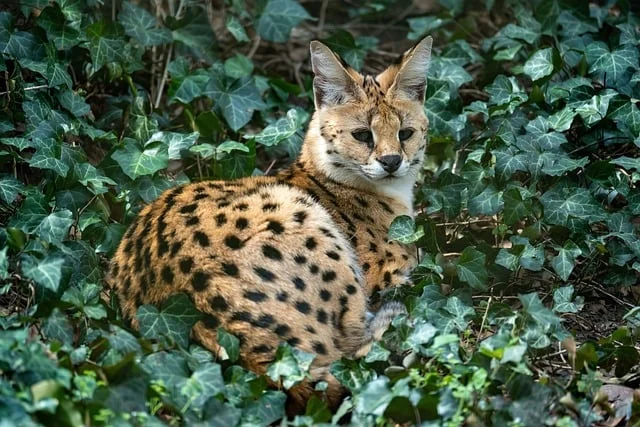
Keeping a serval suits only experienced exotic animal handlers who possess:
- Sufficient land to construct a large, fully enclosed outdoor habitat that meets legal and welfare standards.
- The financial capacity to cover high monthly raw feeding and specialized exotic vet care, as well as unexpected emergency costs.
- Legal clearance and official licenses from local authorities or state wildlife agencies, and the ability to maintain compliance.
- The time and dedication to provide continuous daily care without relying on casual pet sitters, as finding suitable care for a serval when you are away is extremely difficult.
- An understanding of wild animal behaviour and the commitment to meet their complex needs for their entire lifespan.
For most admirers, supporting wild serval conservation in Africa or visiting accredited sanctuaries and zoos remains the most responsible way to appreciate these extraordinary wild cats.
Frequently asked questions
Can a serval cat be litter trained?
While some serval cats will use a large litter box for solid waste, they cannot be reliably housebroken like domestic cats. Servals have a deep, instinctual drive to mark their territory. They do this by spraying urine against vertical surfaces, walls, and furniture regardless of litter box availability.
Are serval cats aggressive toward humans?
Servals are not naturally aggressive toward humans, but they are wild animals that react defensively when frightened, cornered, or stressed. Their powerful jaws, sharp claws, and high leaping abilities mean an accidental bite or swipe can inflict severe injury compared to a domestic cat.
What is the lifespan of a serval cat in captivity?
With an appropriate whole-prey diet, secure housing, and specialized exotic veterinary care, a serval cat in captivity typically lives between 15 and 20 years. This requires a dedicated long-term commitment from the owner.
Is it legal to keep a serval cat as a pet in the UK?
In the UK, keeping a pure serval cat is legal only if you hold a license under the Dangerous Wild Animals Act 1976 issued by your local council. Obtaining this license requires meeting strict security, enclosure, insurance, and welfare criteria that most private homes cannot fulfill.
Can a serval cat live safely with other house pets?
No, you should not house serval cats with smaller pets like small dogs, domestic cats, rabbits, or birds. Due to their high prey drive and rapid leaping ability, a serval will view smaller animals as natural prey.
Sources