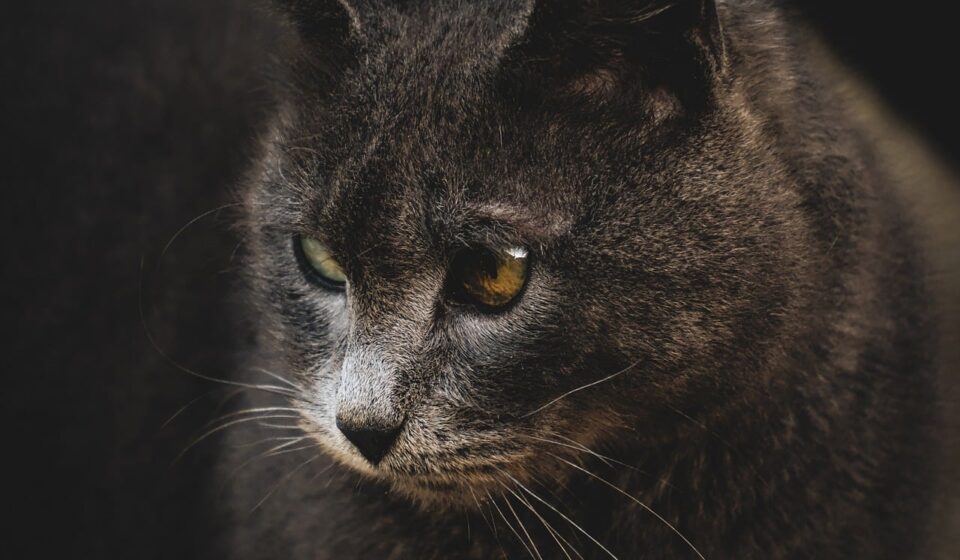
The Allure and Reality of the Serval Cat
The idea of sharing your home with a serval cat is undeniably captivating. With their striking spotted coats, exceptionally long legs, and a wild grace rarely seen outside their natural habitat, servals represent the pinnacle of exotic pet ownership. However, as of July 2026, prospective owners must understand that these are not domestic cats in disguise. Owning a serval is a significant undertaking, demanding a unique blend of commitment, specialised knowledge, and substantial resources. This article delves into the true nature of the serval cat, exploring their needs, legalities, and the profound responsibilities involved in keeping one.
Last updated: July 3, 2026
Key Takeaways
- Serval cats are wild animals native to Africa, not domesticated pets, requiring specialised care.
- Legality varies significantly by region; many places prohibit or heavily regulate serval ownership.
- Their diet is strictly carnivorous, focused on high-quality proteins, and their hunting instincts are strong.
- Housing requires large, secure enclosures designed to accommodate their size, agility, and climbing abilities.
- Serval cats can be unpredictable, with complex social and behavioural needs that differ greatly from domestic cats.
More Than Just a Pretty Face: Understanding the Serval’s Wild Nature
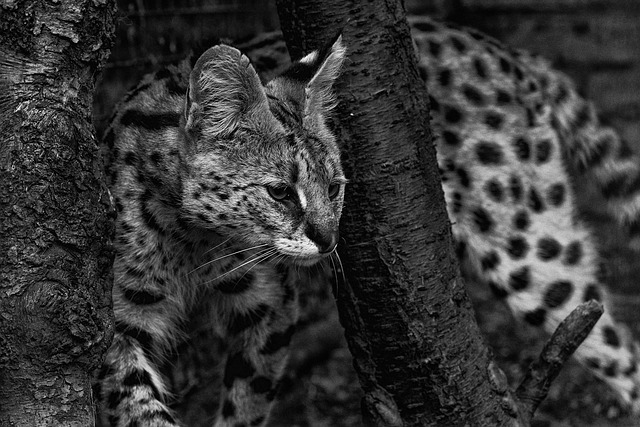
The serval (Leptailurus serval) is a medium-sized wild cat endemic to Africa. It’s characterized by its slender build, disproportionately long legs – the longest of any cat relative to body size – a small head, and enormous ears. Their coat is typically golden-yellow to buff, adorned with black spots and stripes. While visually stunning, these traits are adaptations for a life hunting small prey in grasslands and wetlands, not for lounging on a sofa.
Unlike our familiar house cats, servals retain a strong predatory drive and are often crepuscular or diurnal, meaning they are active during dawn, dusk, or even daytime. Their intelligence is high, but it’s geared towards survival and instinctual behaviours. In real terms, this means a serval is likely to be more interested in ‘hunting’ your feet or any small moving object than in a cuddle session. Their energy levels are immense, and their need for stimulation far surpasses that of a domestic feline.

Navigating the Legal Maze: Is Owning a Serval Cat Even Possible?
The single biggest hurdle for aspiring serval owners is legality. As of July 2026, owning a serval cat is illegal in many countries and states. Regulations vary wildly, with some regions outright banning exotic pet ownership, while others require stringent permits, specialised enclosures, and proof of experience. For instance, in the United States, ownership is restricted or prohibited in states like California, Colorado, and New York, though it might be permissible with permits in others like Texas or Nevada. In the UK, servals fall under the Dangerous Wild Animals Act 1976, requiring a licence from the local authority, which is not granted lightly.
Prospective owners must thoroughly research their local, regional, and national laws. Acquiring a serval without proper authorization can lead to severe penalties, including hefty fines and the confiscation of the animal. Ethical considerations are also paramount. These animals have complex needs that are difficult, if not impossible, to fully meet in a typical domestic environment. Responsible ownership means prioritising the animal’s welfare above personal desire, which often leads to the conclusion that a serval is best admired in its natural habitat or in accredited sanctuaries.
Creating a Serval Sanctuary: The Ultimate Enclosure
Forget a simple cat tree or a cozy bed. A serval requires an enclosure that’s both spacious and incredibly secure. Think of it as a mini-zoo habitat. The enclosure needs to be large enough to allow for natural behaviours like running, jumping, and climbing. According to the Serval Conservancy, a minimum enclosure size of 100 square feet (approximately 9 square metres) for a single serval is often recommended, with much larger spaces being ideal, especially for active individuals or pairs. Vertical space is also crucial; servals are excellent jumpers, capable of leaping several feet into the air.
Security is non-negotiable. Servals are escape artists and possess considerable strength. The enclosure must be constructed with sturdy materials, such as reinforced mesh or solid fencing, with no gaps a serval could exploit. The top must be secured to prevent climbing out. The habitat should be enriched with elements that mimic their natural environment, such as elevated platforms, hiding spots, and varied textures. Providing a secure, stimulating, and appropriately sized environment is a significant financial and logistical commitment, often costing thousands of pounds to build and maintain.

Fueling the Hunter: A Carnivore’s Diet
Servals are obligate carnivores, meaning their diet must consist almost entirely of meat. In the wild, their prey consists of rodents (like vlei rats), small birds, frogs, insects, and reptiles. Replicating this diet in captivity requires careful planning and access to specialised food sources. A common diet for pet servals includes whole prey items such as mice and rabbits, supplemented with high-quality commercial raw cat food or a specially formulated raw meat diet. According to veterinary guidelines for exotic cats, a balanced diet should include a good source of calcium and other essential nutrients that might be lacking in muscle meat alone.
it’s crucial to avoid feeding them processed cat foods designed for domestic cats, as these often lack the necessary protein levels and can contribute to health problems. Some owners also supplement with vitamin and mineral powders specifically formulated for carnivorous animals. The cost of feeding a serval can be substantial, often running into hundreds of pounds per month, depending on the availability and type of prey items. Providing a varied and nutritionally complete diet is vital for their long-term health and well-being, preventing issues like nutritional deficiencies or obesity.
Decoding the Serval’s Mind: Behavioural Quirks and Social Needs
The serval’s temperament is a complex mix of wild instinct and potential for socialization. While some servals raised from a young age with extensive human interaction can develop a degree of tolerance or even affection towards their owners, they are not naturally cuddly companions. They can be skittish, fearful of strangers, and prone to destructive behaviour if bored or stressed. Their hunting instincts are powerful; they may stalk, pounce on, and even injure small pets or children if not properly managed and supervised.
Servals often exhibit ‘chattering’ or ‘hissing’ when agitated or defensive. They are also known for their scent-marking behaviours. Socialization from a very young age is critical if one hopes to manage their behaviour, but even well-socialized servals remain wild animals with unpredictable moments. Unlike domestic cats, their play can be rough, and their bites, though often playful, can be deep and require medical attention. Understanding and respecting these innate behaviours, rather than trying to domesticate them, is key to responsible serval ownership.
Long-Term Commitment: Health and Lifespan of Pet Servals
Serval cats have a potential lifespan of 15 to 20 years, sometimes even longer in captivity with excellent care. This is a significant commitment, comparable to owning a dog for its entire life. Their health needs are specialised. Finding a veterinarian experienced with exotic felines can be challenging and expensive. Common health issues can include dental problems, parasites, and issues related to diet if not properly managed. According to the American Veterinary Medical Association (AVMA), exotic pets often require specialised diagnostic equipment and treatment protocols not found in standard veterinary practices.
Vaccinations and parasite control are essential, but the specific protocols may differ from those for domestic cats. Regular veterinary check-ups are crucial for early detection of potential health problems. The cost of veterinary care for an exotic animal can be considerably higher than for a domestic pet, often running into thousands of pounds annually for routine care and potential emergency treatments. This financial and emotional commitment must be factored into the decision to own a serval.
The Daily Reality: Challenges of Serval Cat Ownership
Beyond the initial setup and ongoing costs, living with a serval presents unique daily challenges. Their natural hunting behaviour means they might ‘hunt’ household objects or even smaller pets. Their high energy requires constant stimulation and exercise, which can be difficult to provide consistently. Unlike a dog that can be walked, a serval’s exercise needs are best met in a secure, expansive outdoor enclosure. Litter box training can be inconsistent; while some servals can be trained, others may not take to it reliably, leading to accidents.
Another significant factor is the potential for destruction. Their strength and natural instincts mean furniture, carpets, and other household items can become targets for scratching, digging, or batting. Servals also have specific social needs that can be difficult to fulfil. While they can be housed in pairs or small groups if raised together, introducing new animals can be problematic. Their wild nature means they can be prone to stress and anxiety in busy or unpredictable environments, which can manifest in various behavioural issues.
Considering Alternatives: More Manageable Exotic Felines
For those captivated by the allure of exotic cats but daunted by the immense challenges of serval ownership, several hybrid breeds offer a more manageable alternative. The Savannah cat, a hybrid of a serval and a domestic cat, retains some of the serval’s striking appearance and intelligence but is generally more amenable to domestic life, especially in later generations (F3 and beyond). However, even Savannah cats require significant commitment and specialised care compared to domestic cats.
Other exotic cat breeds, such as the Bengal (a cross between an Asian Leopard Cat and a domestic cat), also offer a more domesticated, yet still distinct, feline companion. These breeds are often subject to different legal restrictions and have more predictable temperaments, although they still require owners who understand their unique needs. These hybrids can offer a taste of the exotic without the extreme challenges associated with owning a pure wild animal like a serval.
Serval Cat vs. Domestic Cat: The Crucial Differences
The distinction between a serval cat and a domestic cat can’t be overstated. Domestic cats have been selectively bred for thousands of years to live alongside humans, resulting in a wide range of temperaments and behaviours that are generally compatible with household living. They are typically smaller, have more predictable social and behavioural patterns, and are easier to house and feed.
In contrast, servals are wild animals. Their instincts, dietary needs, enclosure requirements, and social behaviours are fundamentally different. Attempting to treat a serval as a domestic cat is not only impractical but also detrimental to the animal’s welfare. Their size, agility, strength, and predatory instincts make them unsuitable for most homes. As noted by the World Association of Zoos and Aquariums (WAZA), the welfare of exotic animals in private collections is a significant concern, and not all species are suited for such environments.
Frequently Asked Questions About Serval Cats
Can a serval cat be truly domesticated?
No, a serval cat can’t be truly domesticated. While they can be socialised to some extent from a young age, they retain their wild instincts and behaviours, making them fundamentally different from domestic cats.
What is the average cost of a serval cat?
The initial purchase price for a serval cat can range from £5,000 to £20,000 or more, depending on the breeder, lineage, and availability. However, this is only a fraction of the total cost, which includes specialised housing, diet, and veterinary care.
Are serval cats good pets for families with children?
Generally, serval cats are not recommended for families with children. Their strong predatory instincts, potential for rough play, and unpredictable nature can pose risks to young children.
What kind of veterinary care do serval cats need?
Serval cats require specialised veterinary care from exotic animal veterinarians. This includes regular check-ups, vaccinations, parasite control, and potentially specialised treatments for diet-related or exotic-specific health issues.
How much space does a serval cat need?
Serval cats require very large, secure outdoor enclosures, with a minimum often recommended at 100 square feet, but larger is always better. They need space to run, jump, climb, and explore.
Is it legal to own a serval cat in the UK?
Owning a serval cat in the UK requires a licence under the Dangerous Wild Animals Act 1976. Obtaining this licence is difficult and requires demonstrating a strong justification, appropriate enclosure, and experience.
The Verdict: A Wild Heart Demands a Wild Life
The serval cat is a magnificent creature, a testament to the beauty and power of the wild. However, their place is not typically in a domestic household. The commitment to providing adequate space, specialised diet, secure housing, legal compliance, and expert veterinary care is immense, making them unsuitable for the vast majority of people. As of July 2026, the consensus among wildlife experts and animal welfare organisations remains clear: admiring these incredible animals from afar, or supporting their conservation in accredited sanctuaries and their natural habitats, is the most responsible and ethical choice.
Last reviewed: July 2026. Information current as of publication; pricing and product details may change.
Source: Britannica
Editorial Note: This article was researched and written by the Pet Magazine editorial team. We fact-check our content and update it regularly. For questions or corrections, contact us.