
A Burst of Personality: Understanding the Jack Russell Terrier Jack
The Jack Russell Terrier, often affectionately called ‘Jack’, is a small dog with a colossal personality, known for its boundless energy, intelligence, and tenacious spirit. As of July 2026, these spirited terriers continue to capture hearts worldwide, appealing to owners who appreciate their lively nature and eagerness for adventure. If you’re considering bringing a Jack Russell Terrier into your life, understanding their unique traits, needs, and potential challenges is crucial for a harmonious relationship.
Key Takeaways
- Jack Russells are highly energetic and intelligent dogs requiring significant mental and physical stimulation.
- Consistent, positive reinforcement training is essential due to their independent and sometimes stubborn nature.
- Common health concerns include patellar luxation, eye conditions, and deafness, though responsible breeding mitigates risks.
- Proper socialisation from a young age is key to managing their prey drive and potential for territorial behaviour.
- They thrive in active households that can provide ample exercise and engaging activities.
The Jack Russell Terrier’s Signature Energy
One of the most defining characteristics of the Jack Russell Terrier is their inexhaustible energy. Bred for hunting, they possess a stamina and drive that few other breeds can match. This means they need more than just a short walk around the block. Without sufficient outlets for their energy, Jacks can become bored, leading to destructive behaviours like excessive barking, chewing, or digging. In real terms, a Jack Russell Terrier Jack needs at least an hour to two hours of vigorous exercise daily. This can include brisk walks, runs, games of fetch, agility training, or even scent work. Their intelligence means they also crave mental stimulation; puzzle toys, training sessions, and learning new tricks are vital to keep their sharp minds engaged and prevent boredom-induced mischief.

Navigating Their Tenacious Temperament
Jack Russells are renowned for their intelligence, but this often comes hand-in-hand with a strong independent streak and a stubborn nature. This combination can make training a rewarding but sometimes challenging endeavour. They respond best to positive reinforcement methods, such as treats, praise, and play, rather than harsh correction, which can make them more resistant. Consistency is paramount. Early socialisation is also critical. Exposing your Jack Russell Terrier Jack to various sights, sounds, people, and other animals from a young age is crucial. This helps them grow into well-adjusted adults. Without it, their natural prey drive and territorial instincts can manifest as aggression or excessive barking towards strangers or other dogs. According to the American Kennel Club (AKC), early socialisation is vital for developing a confident and balanced dog.
Keeping Your Jack Healthy and Happy
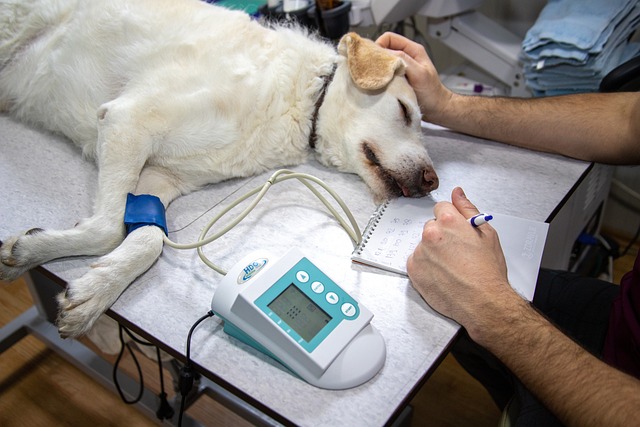
While generally a strong breed, Jack Russell Terriers are predisposed to certain health conditions. Responsible breeders screen their dogs for these issues, but owners should still be aware. Common concerns include patellar luxation (a dislocated kneecap), certain eye conditions like progressive retinal atrophy, and hereditary deafness, particularly in dogs with a high percentage of white on their heads. Veterinary check-ups, a balanced diet, and appropriate exercise are fundamental to maintaining your Jack’s health. As of July 2026, there’s a growing emphasis on preventative care, including regular dental cleanings and parasite control. The average lifespan for a Jack Russell Terrier is typically between 13 to 16 years, but with excellent care, some can live even longer. Ensuring your dog receives high-quality food tailored to their life stage and activity level is essential. This also contributes to their longevity and well-being.
Grooming Needs for the Active Jack
Grooming a Jack Russell Terrier Jack is relatively straightforward compared to some other breeds. They come in three coat types: smooth, broken, and rough. Smooth-coated Jacks require minimal grooming, usually just a weekly brush to remove loose hair and keep their coat shiny. Broken and rough-coated varieties, however, may need occasional hand-stripping or professional grooming to maintain their coat’s texture and prevent matting. Regardless of coat type, regular nail trims, ear cleaning, and dental care are essential. Bathing should be done only when necessary, using a gentle dog shampoo. Because they’re so active and often enjoy digging or exploring, keeping their coat clean and free of debris is important. A good quality brush, nail clippers, and dog-specific ear cleaner are basic grooming tools every Jack Russell owner should have.
Socialisation: The Key to a Well-Adjusted Jack
The Jack Russell Terrier’s hunting heritage means they often have a strong prey drive, which can extend to smaller animals like cats, rodents, or even birds. Early and consistent socialisation is vital to help them understand that not every small creature is a target. Introducing them to a variety of pets under controlled, supervised conditions from a young age can make a significant difference. Beyond prey drive, Jacks can also be prone to possessiveness over toys or food if not properly trained. This is where consistent training and clear boundaries come into play. A well-socialised Jack Russell Terrier Jack is more likely to be confident, less anxious, and better behaved. This applies in various situations, whether at home or out in public. The RSPCA highlights that early socialisation is a cornerstone of responsible pet ownership for breeds with strong natural instincts.
Finding the Right Home for a Jack Russell Terrier Jack
Jack Russells aren’t ideal for every household. They thrive in active environments where they receive plenty of attention, exercise, and mental engagement. Families with older children who understand how to interact gently with dogs are often a good fit. Individuals who lead an active lifestyle also find them suitable. Apartment living can work, but only if the owner is committed to providing extensive daily exercise and stimulation outside the home. Their intelligence means they can be escape artists, so secure fencing is a must. They are also known for their vocal nature, so if you live in close proximity to neighbours, this is something to consider. When choosing a Jack Russell Terrier Jack, whether from a breeder or a rescue organisation, ensure their energy levels and temperament align with your own lifestyle. Many rescue centres can provide detailed insights into a dog’s individual personality and needs.
Practical Tips for Jack Russell Terrier Jack Owners
To ensure a happy and fulfilling life for your Jack Russell Terrier Jack, consider these practical tips:
- Consistent Training: Use positive reinforcement and keep sessions short and fun to maintain their interest.
- Exercise Routine: Aim for at least 60-120 minutes of varied exercise daily. Include walks, runs, and games.
- Mental Stimulation: Provide puzzle toys, teach new tricks, and engage in scent games to prevent boredom.
- Socialisation: Expose your puppy to diverse experiences from an early age to manage prey drive and territorial instincts.
- Secure Environment: Ensure fences are high and secure, and supervise your dog when they are outdoors.
- Dietary Needs: Feed a high-quality diet appropriate for their age and activity level. Consult your vet for recommendations.
- Grooming: Maintain regular grooming based on coat type, including nail trims, ear cleaning, and dental care.
Frequently Asked Questions
Are Jack Russell Terriers good with children?
Jack Russell Terriers can be excellent companions for children, especially if raised with them and properly socialised. However, their high energy and strong prey drive mean they need supervision around very young children. Gentle handling and teaching children how to interact appropriately are essential for a safe relationship.
How much exercise does a Jack Russell Terrier Jack need?
As of 2026, it’s widely recommended that Jack Russell Terriers need at least 60 to 120 minutes of vigorous exercise daily. This can include brisk walks, running, playing fetch, or participating in dog sports like agility. Insufficient exercise can lead to behavioural issues.
What are the common health problems for Jack Russells?
Common health concerns for Jack Russell Terriers include patellar luxation, eye conditions such as progressive retinal atrophy, and hereditary deafness. Responsible breeders screen for these, but owners should remain vigilant for any signs of illness and seek veterinary advice promptly.
Are Jack Russells easy to train?
Jack Russells are intelligent but can be stubborn and independent, making them a moderate challenge to train. They respond best to consistent, positive reinforcement methods. Early socialisation and obedience training are highly recommended for this spirited breed.
What is the lifespan of a Jack Russell Terrier?
The average lifespan for a Jack Russell Terrier is typically 13 to 16 years. With excellent care, a balanced diet, regular exercise, and prompt veterinary attention, many can live even longer, providing many years of devoted companionship.
Do Jack Russells shed a lot?
Shedding varies by coat type. Smooth-coated Jack Russells shed moderately year-round. Broken and rough-coated varieties tend to shed less but may require more specialised grooming, such as hand-stripping, to manage their coat effectively and minimise shedding. Information current as of July 2026; pricing and product details may change.
Editorial Note: This article was researched and written by the Pet Magazine editorial team. We fact-check our content and update it regularly. For questions or corrections, contact us.
Last updated: July 23, 2026
Related read: Finding the Perfect Male German Shepherd Names for Your 2026 Companion
Related read: Irish Setter Dogs for Sale in 2026: Finding Your Fiery Friend
Related read: Dog Nail Clipping Near Me: Your 2026 Guide to Cost & Care.
Related read: Can Dogs Eat Shrimp Safely?