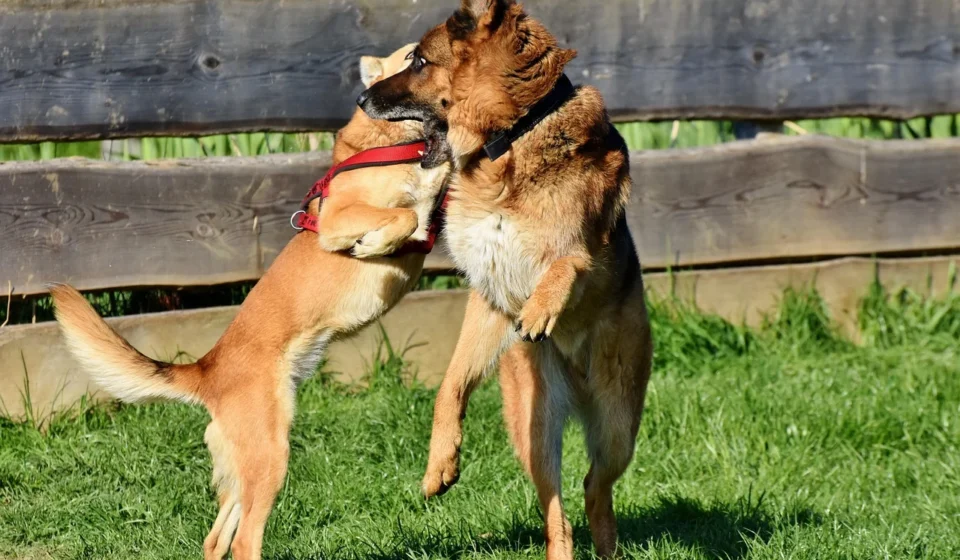
Their suitability for an owner depends on proper socialisation, consistent training, and meeting their exercise needs. Aggression often results from inadequate socialisation and training, not from inherent traits. With appropriate care, a German Shepherd mix can be a devoted family member, thriving on mental stimulation and physical activity. This article explores common traits, popular mixes, lifespan, and how to find a puppy responsibly.
What is a German Shepherd Mix?
A German Shepherd mix is any dog that has one German Shepherd parent and one parent from another pure breed, or a second-generation Shepherd mix where parents or grandparents are a combination of a German Shepherd and another dog breed. These dogs are not standardized breeds, meaning their appearance, size, and temperament can vary significantly even within the same litter.
The appeal of a German Shepherd mix lies in the potential to combine the desirable traits of the German Shepherd – such as intelligence, loyalty, and trainability – with characteristics from another breed. This often results in a unique and adaptable companion. However, this lack of standardization also means that you cannot precisely predict the exact outcome. Prospective owners should be prepared for a range of possibilities.
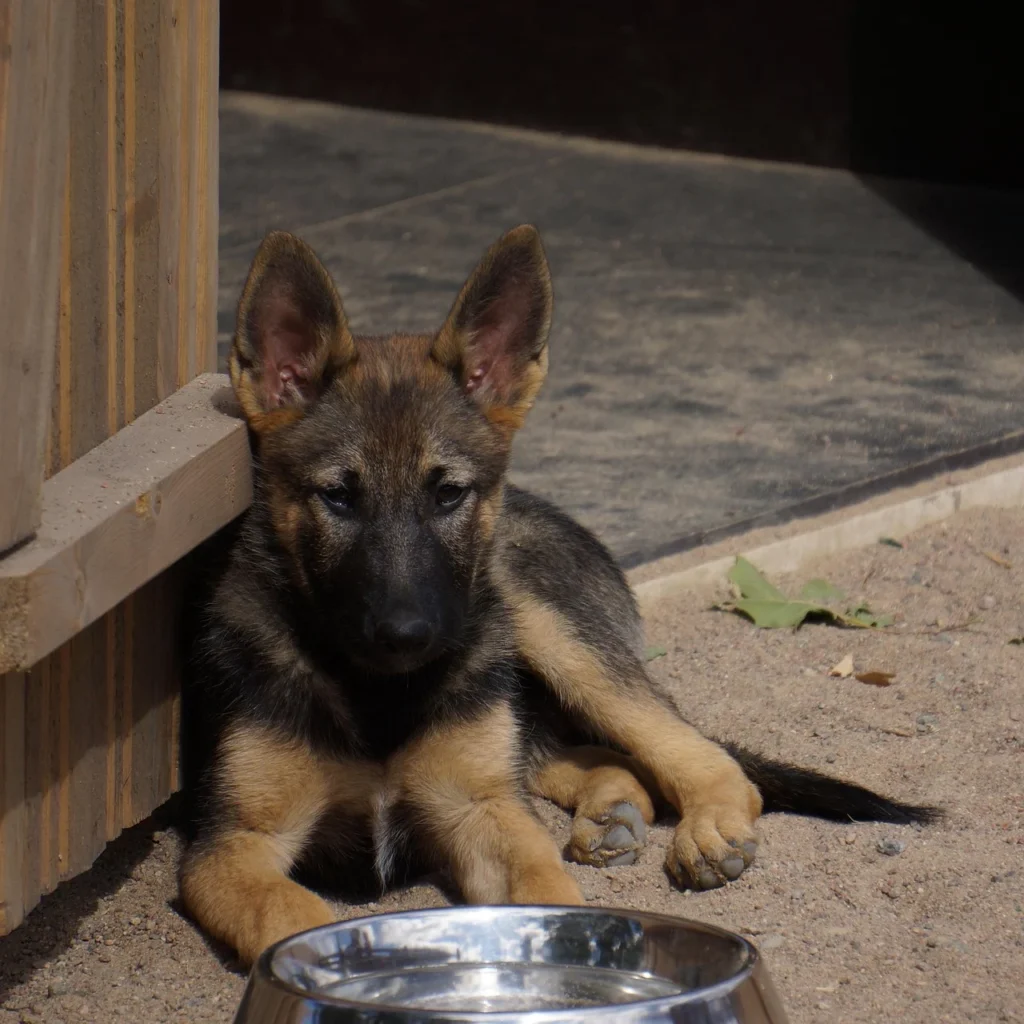
Are German Shepherd Mixes Good Dogs?
Yes, German Shepherd mixes are generally considered good dogs. They often inherit the intelligence, loyalty, and protective instincts of their German Shepherd parent. Most German Shepherd mixes are active, intelligent, affectionate, and easy to train. They frequently retain protective or guarding instincts, according to current facts. Their suitability for a particular owner depends heavily on proper socialisation, consistent training, and meeting their exercise needs.
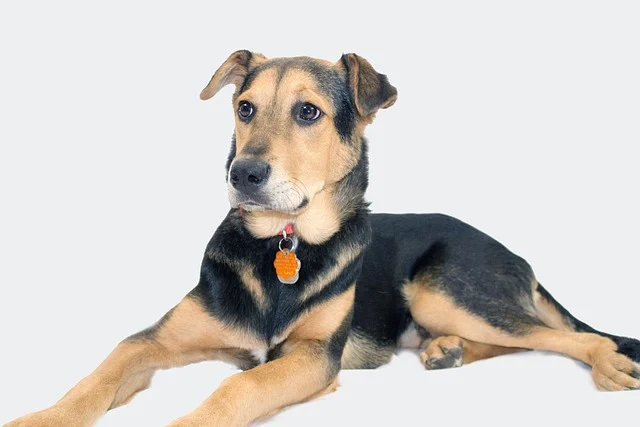
A common misconception is that German Shepherds are inherently aggressive. In reality, aggression often results from inadequate socialisation and training. They are not naturally more violent than other breeds. This applies equally to their mixes. With appropriate care and guidance, a German Shepherd mix can be a devoted family member. Early and consistent positive reinforcement training, coupled with exposure to various people, places, and other animals, helps to shape a well-adjusted and confident dog.
What are the Common Traits of a German Shepherd Mix?
Common traits of a German Shepherd mix often include a blend of intelligence, loyalty, and an active nature. They also have characteristics from the other parent breed. Most German Shepherd mixes are medium to large dogs. They typically weigh between 50 and 90 pounds. These dogs often possess a strong work ethic and a desire to please. This makes them highly trainable. Their coat types and colours can vary widely. You might see the classic black and tan of a German Shepherd or the colours and textures of their other parent.
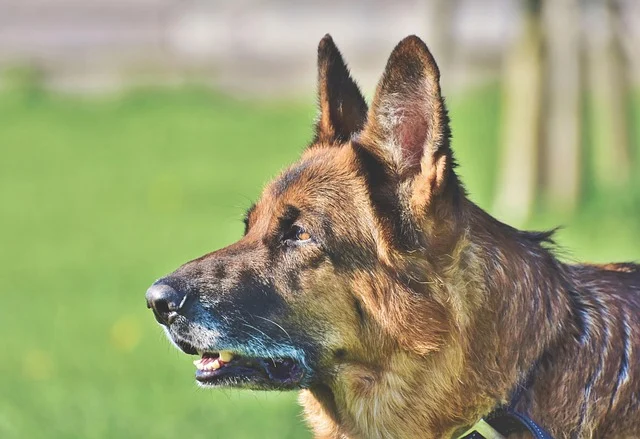
From my perspective, potential owners must research the typical characteristics of both parent breeds to get a clearer picture of what to expect. For example, a mix with a Labrador might be more eager to retrieve. One with a Husky might have a stronger prey drive and vocal tendencies. Regardless of the mix, these dogs generally thrive on mental stimulation and physical activity. They are not suited for owners who cannot commit to daily exercise and engagement.
What are the Five Main Types of German Shepherds?
While the search query asks about “five main types,” we must clarify that there’s no official, universally recognized list of “five main types” of German Shepherds. You might categorize entirely different breeds in this way. Instead, people typically categorize German Shepherds by their lineage. This often reflects their purpose or country of origin. It also influences their temperament and appearance. The main lines often discussed include:
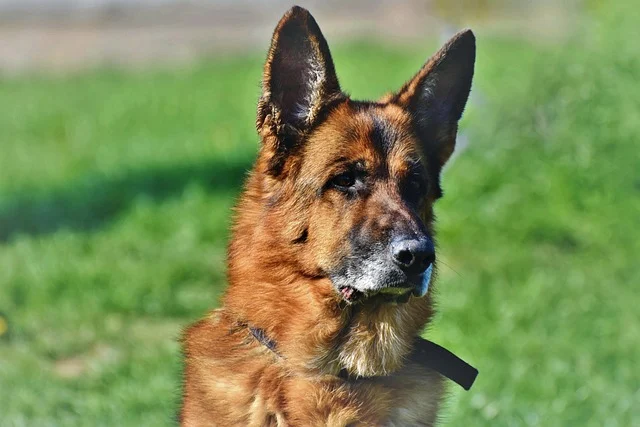
- West German Show Line: These dogs are bred for conformation shows, emphasizing specific physical standards. They tend to have a sloped back and a more relaxed temperament than working lines.
- West German Working Line: Bred for utility and performance in areas like Schutzhund, these dogs possess high drive, excellent work ethic, and often a more traditional, less exaggerated conformation.
- East German (DDR) Working Line: Originating from East Germany, these dogs are known for their solid build, strong nerves, and intense working drive. People historically used them for border patrol and military work.
- Czech Working Line: Similar to DDR lines, Czech Shepherds are also highly driven working dogs. They often have a more compact build. People focus them on police and military applications.
- American/Canadian Show Line: Bred for the American Kennel Club (AKC) or Canadian Kennel Club (CKC) show ring, these dogs often have a more exaggerated angulation and a generally softer temperament compared to their European counterparts.
These distinctions are important because they can influence the traits passed on to a German Shepherd mix. For instance, a mix with a West German Working Line parent might have a higher energy level and need more intense training than one with an American Show Line parent.
Exploring Popular German Shepherd Mixes
Many German Shepherd mixes combine the best (and sometimes the most challenging) traits of two distinct breeds. Understanding the characteristics of these popular mixes can help you decide if one is right for you. We suggest considering the potential health issues of both parent breeds, as these can be inherited.

German Shepherd Labrador Mix (Sheprador)
The Sheprador is a cross between a German Shepherd and a Labrador Retriever. These dogs are generally known for being intelligent, loyal, and friendly, often making excellent family pets. They typically inherit the Labrador’s affable nature and the German Shepherd’s protective instincts. Separators are active dogs that require consistent exercise and mental stimulation. Their coat can range from short to medium length and may come in various colours, including black, brown, and yellow. A Labrador German Shepherd mix black is a common and striking combination.
German Shepherd Husky Mix (Gerberian Shepsky)
The Gerberian Shepsky is a striking mix of a German Shepherd and a Siberian Husky. These dogs are highly energetic, intelligent, and can be quite vocal. They often inherit the Husky’s piercing blue eyes and thick coat, combined with the German Shepherd’s strong build and protective nature. Gerberian Shepskies require extensive exercise and mental engagement to prevent boredom and destructive behaviours. They are not for the faint of heart or those who prefer a quiet, low-energy companion.
German Shepherd Golden Retriever Mix (Golden Shepherd)
The Golden Shepherd combines the German Shepherd with the beloved Golden Retriever. This mix often results in a dog that is intelligent, eager to please, and affectionate, typically making a wonderful family companion. They usually inherit the Golden Retriever’s friendly disposition and the German Shepherd’s loyalty. Like their parent breeds, Golden Shepherds are active and require regular exercise and training. Their coat is usually medium to long and can be a mix of golden, tan, and black.
German Shepherd Rottweiler Mix (Shepweiler)
The Shepweiler is a powerful and intelligent mix of a German Shepherd and a Rottweiler. These dogs are known for their loyalty, protectiveness, and strong guarding instincts. They can be excellent companions for experienced owners. These owners can provide firm, consistent training and early socialisation. Due to their size and potential for dominance, we do not recommend Shepweilers for first-time dog owners. They require a confident leader and plenty of physical and mental challenges.
German Shepherd Terrier Mix
A German Shepherd Terrier mix can vary widely depending on the specific terrier breed involved. This mix often results in a dog with the German Shepherd’s intelligence and loyalty, combined with the terrier’s tenacity, energy, and sometimes a strong prey drive. These dogs can be highly active and require consistent training and socialisation to manage their diverse traits. It is important to consider the size and temperament of the specific terrier breed when evaluating this mix.
German Shepherd Mix Lifespan
The lifespan of a German Shepherd mix typically ranges from 10 to 14 years. This can vary based on the specific breeds involved, genetics, overall health care, and lifestyle. Generally, mixed-breed dogs can sometimes have a slight advantage in longevity. This is due to increased genetic diversity, a phenomenon often referred to as hybrid vigor. However, they are still susceptible to health conditions common in both parent breeds.

For example, if one parent breed is prone to hip or elbow dysplasia (common in German Shepherds), the mix might also be at risk. We recommend regular veterinary check-ups, a high-quality diet, and appropriate exercise. This helps to maximize your German Shepherd mix’s lifespan and quality of life. Owners should also be aware of the signs of common age-related conditions. They should discuss preventative care with their vet.
How to Find a German Shepherd Mix Puppy Responsibly
Finding a German Shepherd mix puppy responsibly involves careful research and choosing reputable sources, whether that’s a rescue organisation or a responsible breeder. We always advise prioritizing the welfare of the animals and the transparency of the source.
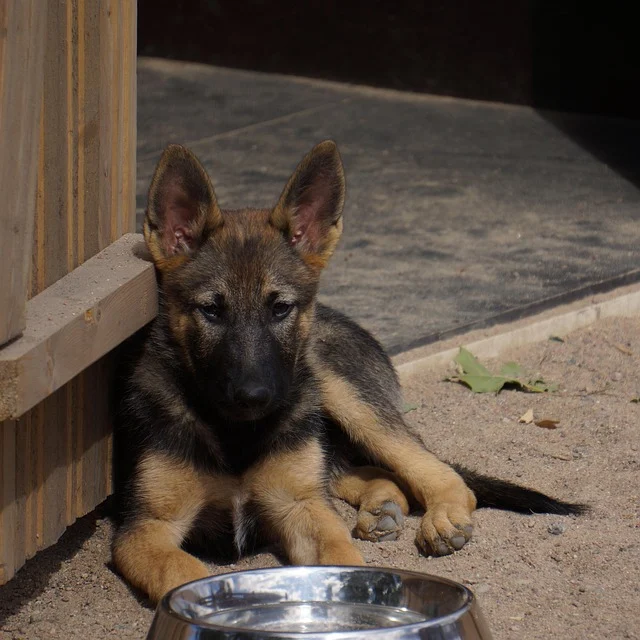
- Consider Adoption First: Many German Shepherd mixes end up in rescue centers, often through no fault of their own. Adoption fees for German Shepherd mixes from rescue organisations usually range from £200 to £500, often including vaccinations, microchipping, and spaying/neutering. This is typically a more economical option and provides a loving home to a dog in need. You can find many wonderful dogs through organisations like Adoptapet.com.
- Research Reputable Breeders: If you choose to go through a breeder, ensure they are reputable. A responsible breeder will be transparent about their breeding practices. They allow you to meet the puppy’s parents. They also provide health clearances for both parent dogs. A good breeder should also be knowledgeable about the specific mix they are breeding. They will be able to discuss the potential temperament and health concerns. Avoid breeders who sell multiple breeds, cannot provide health documentation, or seem unwilling to answer your questions thoroughly.
- Ask About Health Screenings: Both German Shepherds and many breeds they are mixed with can be prone to certain genetic health issues, such as hip and elbow dysplasia, bloat, and certain eye conditions. A responsible breeder will screen their parent dogs for these conditions and be able to show you the results.
- Observe the Environment: Whether it’s a rescue or a breeder, visit the facility. You must ensure the puppies are raised in a clean, stimulating, and loving environment. Puppies should appear healthy, alert, and well-socialized.
- Microchipping Requirements: In the UK, microchipping regulations require dogs to be microchipped and registered by 8 weeks of age, and owners are obliged to keep their details updated on the database. [gov.uk] Ensure any puppy you acquire is microchipped and registered appropriately.
Cost of a German Shepherd mix
The cost of a German Shepherd puppy from a breeder in the U.S. typically ranges from $800 to $3,500 in 2026. Some show-quality or working lineage pups cost $4,000 or more. While prices in the UK will differ, this gives an indication of the investment involved for a purebred. Mixes from reputable sources might be at the lower end of this scale. However, focus should always be on health and responsible breeding, not just price.
How to Train and Socialise a German Shepherd Mix
Training and socializing a German Shepherd mix effectively requires consistency, patience, and a positive reinforcement approach, starting from a young age. Given their intelligence and potential protective instincts, early intervention is key.

- Start Early with Socialisation: Expose your German Shepherd mix puppy to a wide variety of sights, sounds, people, and other well-behaved dogs during their critical socialisation period (roughly 3–16 weeks of age). This helps them develop into confident, well-adjusted adults. Enrollment in puppy classes is an excellent way to achieve this in a controlled environment.
- Implement Consistent Training: German Shepherd mixes thrive on structure and routine. Use positive reinforcement methods, such as treats, praise, and toys, to reward desired behaviours. Focus on basic obedience commands like ‘sit,’ ‘stay,’ ‘come,’ and ‘leave it.’ Consistency across all family members is vital; everyone should use the same commands and expectations.
- Provide Mental Stimulation: These intelligent dogs need more than just physical exercise; they require mental challenges. Incorporate puzzle toys, scent work, obedience training, and even dog sports like agility or flyball. A common misconception is that German Shepherds are not intelligent; they are actually one of the smartest breeds, capable of learning quickly and reading body language accurately. This intelligence needs an outlet.
- Manage Protective Instincts: German Shepherds, and often their mixes, have natural protective tendencies. While this can be desirable, you must manage it through proper training to prevent unwarranted aggression. Teach them to distinguish between real threats and everyday situations. People often misconceive that you cannot trust German Shepherds around children or other pets. Their behaviour in these situations largely depends on proper training and early socialisation. Similarly, the belief that German Shepherds are automatic guard dogs without training is false. Real protection work requires hundreds of hours of professional training.
- Address Nipping and Biting: Puppies often nip and bite during play. Teach bite inhibition by yelping loudly when they nip too hard and withdrawing attention. Redirect their biting onto appropriate chew toys.
Commitment required for a wonderful companion
Remember, a well-trained and socialised German Shepherd mix is a joy to live with, but it requires a significant commitment of time and effort from their owners. If you find yourself struggling, we suggest seeking guidance from a certified professional dog trainer.
Sources: German Shepherd Dog, Get your dog or cat microchipped
Frequently asked questions
What’s the best German Shepherd mix?
There isn’t a single “best” German Shepherd mix, as the ideal choice depends on an individual owner’s lifestyle, experience, and living situation. Popular and generally well-regarded mixes include the Sheprador (German Shepherd Labrador mix) for its friendly and intelligent nature, and the Golden Shepherd (German Shepherd Golden Retriever mix) for its affectionate disposition.
What German Shepherds don’t shed?
All German Shepherds, and therefore nearly all German Shepherd mixes, shed. There is no German Shepherd type or mix that is truly non-shedding, though some mixes with low-shedding breeds like a Poodle (e.g., a German Shepadoodle) might shed less than a purebred German Shepherd. Regular grooming is essential for managing shedding in these dogs.
S. typically ranges from $800 to $3,500 in 2026, with show-quality or working lineage pups sometimes costing $4,000 or more. Prices can vary based on lineage, breeder reputation, location, and specific health clearances.