Meet the Doberpit: A Striking Hybrid
The Doberman Pitbull mix, often affectionately nicknamed the ‘Doberpit,’ is a captivating hybrid that merges the regal presence and intelligence of the Doberman Pinscher with the tenacity and loyalty of the American Pitbull Terrier. As of July 2026, this breed is gaining traction among dog enthusiasts who appreciate a dog with a strong build, a protective nature, and a potentially devoted personality. However, potential owners must understand that this mix inherits traits from two powerful breeds, requiring responsible ownership, consistent training, and ample socialization to thrive.
Last updated: July 19, 2026
What truly defines the Doberman Pitbull mix is the fascinating interplay of its parent breeds’ characteristics. While the Doberman is known for its sleek physique, alert demeanour, and keen intelligence, the Pitbull contributes a solid muscularity, a playful spirit, and an unwavering loyalty. This combination can result in a dog that’s both an impressive guardian and a loving family member, provided its needs are met.
Key Takeaways
- The Doberman Pitbull mix, or Doberpit, is a hybrid of the Doberman Pinscher and American Pitbull Terrier.
- Temperament can vary widely, but generally includes loyalty, protectiveness, and intelligence, requiring early socialization and consistent training.
- These dogs have high energy levels and need significant daily exercise and mental stimulation to prevent destructive behaviours.
- Potential health concerns include common issues from both parent breeds, such as hip dysplasia and bloat.
- Experienced dog owners are generally best suited for this powerful and energetic breed.
Understanding the Parent Breeds’ Influence
To truly appreciate the Doberman Pitbull mix, one must first understand the distinct qualities each parent breed brings to the table. The Doberman Pinscher, developed in Germany in the late 19th century, was bred for protection and companionship. They are renowned for their intelligence, loyalty, courage, and alert nature, often forming a strong bond with their families and acting as vigilant guardians. Their sleek, athletic build and imposing stature are unmistakable.
On the other hand, the American Pitbull Terrier, originating from the United Kingdom and later developed in the United States, has a history rooted in bull-baiting and dog fighting, though modern Pitbulls are primarily bred as companions and for dog sports. They are known for their strength, confidence, determination, and affectionate, eager-to-please attitude towards their people. Despite their sometimes-misunderstood reputation, they are often incredibly loyal and gentle with family members.
The Doberpit inherits a complex blend of these traits. You might see the Doberman’s elegant stride and keen intellect combined with the Pitbull’s muscular frame and unwavering devotion. However, the specific combination and dominance of these traits can vary significantly from one individual dog to another, making early observation and training paramount.
Temperament and Behaviour: A Complex Profile
The temperament of a Doberman Pitbull mix is perhaps the most crucial aspect for potential owners to understand. Because they are a hybrid, their personality can be a toss-up between their Doberman and Pitbull lineages, or a balanced blend of both. Generally, these dogs are loyal, courageous, and can be highly protective of their families, making them excellent watchdogs and potential guardians.
Their intelligence, inherited from the Doberman, means they are capable of learning quickly. However, this intelligence, coupled with the tenacity of the Pitbull, can also lead to stubbornness if not guided correctly. Early and consistent positive reinforcement training is absolutely essential. Without it, a Doberpit might develop undesirable behaviours such as excessive guarding, territoriality, or even aggression, especially towards other dogs if not properly socialized.
Socialization from a young age is not just recommended; it’s vital. Exposing Doberpits to various people, environments, sounds, and other well-behaved animals from puppyhood helps them grow into well-adjusted, confident adults. A Doberpit that’s not adequately socialized may become fearful or reactive in unfamiliar situations.
Training and Socialization Strategies for Success
Training a Doberman Pitbull mix requires patience, consistency, and a firm but fair approach. Given their intelligence and potential for strong will, positive reinforcement methods work best. This involves rewarding desired behaviours with treats, praise, or play. Harsh corrections or punishment-based training can backfire, potentially leading to fearfulness or increased aggression in a dog with such a powerful build and protective instincts.
Begin training as early as possible, ideally when they are puppies. Basic obedience commands like ‘sit,’ ‘stay,’ ‘come,’ and ‘leave it’ should be mastered. Leash training is also critical, as a Doberpit can be quite strong and may pull if not trained properly. Enrolling in puppy classes and then advanced obedience courses can provide valuable structure and social opportunities.
Consistency across all family members is key. Everyone should use the same commands and maintain the same house rules. A Doberpit thrives on routine and clear expectations. Remember, their protective instincts can be a double-edged sword; channeling this energy into positive outlets like agility, obedience trials, or simply structured play will help them channel their inherent drive constructively.
Exercise and Mental Stimulation: Keeping a Doberpit Happy
The Doberman Pitbull mix is a high-energy breed that requires a substantial amount of daily exercise to remain physically and mentally healthy. Without adequate outlets for their energy, they can become bored, anxious, and destructive. This might manifest as excessive barking, chewing, digging, or even escape attempts. As of July 2026, understanding and meeting these needs is non-negotiable for owners.
A minimum of 60–90 minutes of vigorous exercise per day is typically recommended for an adult Doberpit. This can include brisk walks, jogging, hiking, playing fetch in a securely fenced yard, or engaging in dog sports. Mental stimulation is equally important. Puzzle toys, scent games, training sessions, and interactive play can all help keep their intelligent minds engaged and prevent boredom.
Consider the Doberman’s history as a working dog and the Pitbull’s athletic capabilities. They often excel in activities that challenge them physically and mentally. If you live in an apartment, ensure you can commit to providing ample exercise outside the home. A securely fenced yard is highly advantageous for this breed to safely expend energy.
Health and Lifespan Considerations
Like all purebred and hybrid dogs, the Doberman Pitbull mix is susceptible to certain health conditions that are common in their parent breeds. Responsible breeders will screen their breeding stock for genetic predispositions. As of July 2026, it’s crucial for owners to be aware of these potential issues to ensure their dog receives timely veterinary care.
Common health concerns that may affect the Doberpit include:
- Hip Dysplasia: A malformation of the hip socket, common in many larger breeds, including Dobermans and Pitbulls.
- Bloat (Gastric Dilatation-Volvulus): A life-threatening condition where the stomach fills with gas and can twist, often seen in deep-chested breeds like the Doberman. Feeding smaller, more frequent meals and avoiding strenuous activity after eating can help mitigate risk.
- Heart Conditions: Dilated cardiomyopathy (DCM) is a concern for Dobermans, and other cardiac issues can appear in Pitbulls. Regular veterinary check-ups are important.
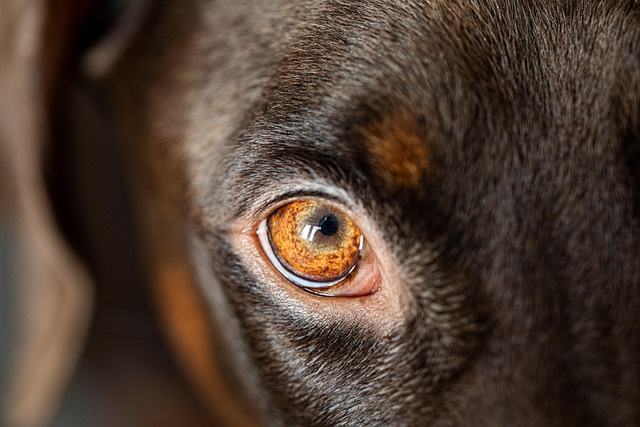
- Eye Conditions: Such as progressive retinal atrophy (PRA), which can lead to blindness, and cataracts.
- Skin Allergies: Some Pitbull-type dogs can be prone to environmental or food allergies.
The average lifespan for a Doberman Pitbull mix typically ranges from 10 to 14 years, depending on genetics, diet, exercise, and overall health management. Providing a high-quality diet, regular veterinary care, and appropriate exercise are the best ways to promote a long and healthy life for your Doberpit.
Diet and Nutrition: Fueling a Powerful Breed
Proper nutrition is fundamental to the health and well-being of any dog, and the Doberman Pitbull mix is no exception. These dogs are typically muscular and energetic, requiring a diet that supports their high metabolism and activity levels. As of July 2026, feeding a high-quality dog food formulated for active or large breeds is recommended.
Look for foods that list a quality protein source (like chicken, beef, lamb, or fish) as the first ingredient. Avoid foods with excessive fillers, artificial colours, or preservatives. The exact amount of food will depend on the dog’s age, size, activity level, and metabolism. It’s best to follow the feeding guidelines on the dog food packaging as a starting point, and adjust as needed based on your dog’s condition.
For puppies, a diet specifically designed for large breed puppies is essential to support controlled growth and prevent skeletal issues like hip dysplasia. Older or less active dogs may benefit from a senior formula or food with fewer calories. Always ensure fresh, clean water is available. Consulting with your veterinarian can provide personalized dietary recommendations for your specific Doberpit.
Suitability for Families and Owners
The Doberman Pitbull mix can make a wonderful companion for the right owner or family. However, they are not a suitable breed for first-time dog owners or those seeking a low-maintenance pet. Their intelligence, energy, and protective instincts require a confident, experienced handler who can provide consistent leadership, training, and socialization.
For families with children, early socialization is paramount. A well-socialized Doberpit can be a patient and playful companion for older children, but supervision is always recommended, as with any dog breed, to ensure both child and dog safety. Their protective nature means they may be wary of strangers, so introductions should be managed carefully.
Prospective owners should also consider the breed’s strength and potential for guarding. A securely fenced yard is a must, and they should not be left unsupervised with very young children or other pets without a solid history of positive interaction. If you can commit to their training and exercise needs, a Doberpit can be an incredibly loyal, loving, and devoted family member.
Common Mistakes to Avoid with a Doberpit
Many challenges with Doberman Pitbull mixes stem from owners underestimating their needs or misinterpreting their behaviour. One common mistake is failing to socialise them adequately from a young age. This can lead to fear-based aggression or excessive wariness of new people or animals, which is difficult to correct later.
Another frequent error is underestimating their exercise requirements. A bored Doberpit can become a destructive Doberpit. Owners who don’t provide enough physical and mental stimulation may find their furniture chewed, their garden dug up, or their house constantly barked at. Consistent training is also vital; inconsistency or reliance on harsh methods can lead to behavioural problems.
Finally, assuming a Doberpit will automatically be a guard dog without proper training and socialization is a mistake. Their protective instincts need to be channelled correctly. Likewise, expecting them to be inherently aggressive is a misconception; their behaviour is shaped by their upbringing and environment. Responsible ownership involves understanding their potential and actively working to shape their behaviour positively.
Expert Insights and Best Practices
For those considering a Doberman Pitbull mix, prioritise finding a reputable breeder who screens their dogs for health issues and understands the temperament of both parent breeds. If adopting, work with rescue organisations that can provide insights into a dog’s history and personality. As of July 2026, the demand for hybrid breeds means many sources exist, so diligence is key.
Invest in professional training, especially if you are a first-time owner of a powerful breed. A certified professional dog trainer can guide you through effective positive reinforcement techniques. Building a strong bond with your Doberpit through consistent interaction, play, and training will foster a well-behaved and happy dog.
Remember that each dog is an individual. While breed characteristics offer a guideline, your specific Doberpit’s personality will be shaped by genetics, early life experiences, and your consistent training and care. Embrace their unique traits and provide them with the structure, love, and activity they need to thrive.
Frequently Asked Questions
Is Doberman Pitbull mixes aggressive?
Doberman Pitbull mixes are not inherently aggressive, but they can be protective and may exhibit guarding behaviours if not properly socialized and trained. Their temperament is a blend of their parent breeds, requiring consistent, positive reinforcement training and early socialization to ensure a well-adjusted dog.
How much exercise does a Doberman Pitbull mix need?
These dogs are energetic and typically require at least 60–90 minutes of vigorous exercise daily. This should include activities like brisk walks, jogging, or play in a secure yard, along with mental stimulation through training and puzzle toys to prevent boredom and destructive behaviour.
What is the average lifespan of a Doberman Pitbull mix?
The average lifespan for a Doberman Pitbull mix is generally between 10 to 14 years. This can be influenced by genetics, diet, exercise levels, and the quality of veterinary care they receive throughout their lives.
Are Doberman Pitbull mixes good with children?
With proper socialization from a young age and careful supervision, a well-trained Doberman Pitbull mix can be good with older children. However, their protective instincts and strength mean that interactions with very young children should always be supervised to ensure safety for both.
What health issues are common in Doberman Pitbull mixes?
Common health concerns include hip dysplasia, bloat (GDV), heart conditions like dilated cardiomyopathy (DCM), and potential eye issues. Responsible breeding practices and regular veterinary check-ups are crucial for early detection and management of these conditions.
Do Doberman Pitbull mixes shed a lot?
Their shedding level can vary, but generally, they have a double coat and may shed moderately year-round, with heavier shedding during seasonal changes. Regular grooming, including brushing several times a week, can help manage shedding.
Information current as of July 2026; pricing and product details may change.
Related read: Can Dogs Eat Strawberries Safely?