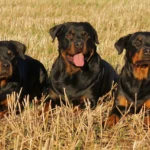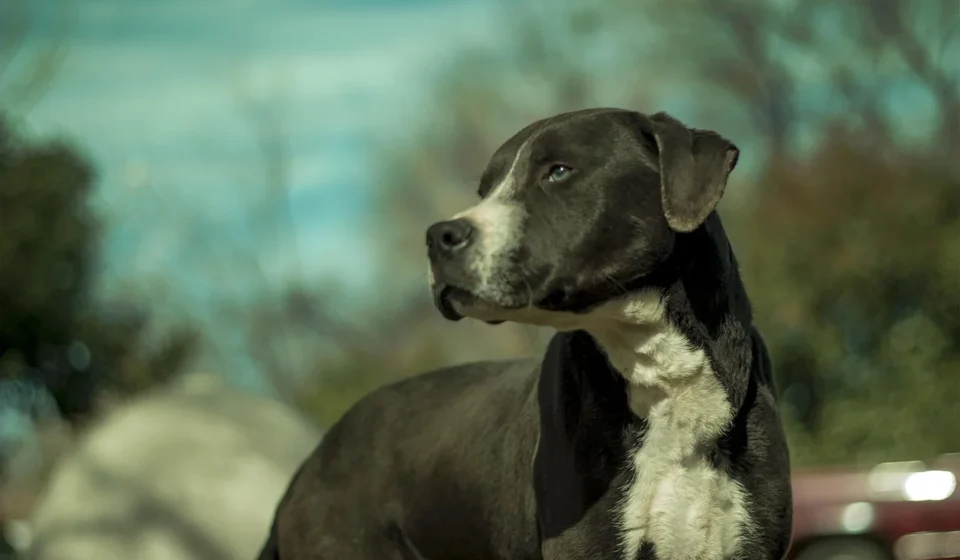
The Rottweiler Pitbull mix, often called a Pitweiler, is a powerful, loyal hybrid dog that combines the strength and protective instincts of both parent breeds. This guide helps you understand their unique traits, potential challenges, and how to provide the responsible care this intelligent and energetic dog needs to thrive.
What is the Name for a Rottweiler and a Pitbull Mix?
People commonly refer to a Rottweiler and Pitbull mix as a Pitweiler. You might also hear them called a Rottweiler Pit, Rotten Pit, or Pitbull Rottie mix. These names are informal, as the Pitweiler is a hybrid dog, not a recognised breed by organisations like the American Kennel Club (AKC).
How Much Does a Pitbull Rottweiler Mix Cost?
The cost of a Pitweiler puppy varies significantly based on factors like the breeder’s reputation, the parents’ lineage, health screenings, and your geographic location. As of 2026, prices from reputable breeders can range from £1,000 to £2,500 or more. Responsible breeders invest in health testing for parent dogs, proper nutrition for the mother and puppies, and early socialisation, which reflects in the price.
Understanding Breeder Costs
When you consider a breeder, remember that the price often includes:
- Health clearances for both parent dogs.
- Initial vaccinations and deworming for puppies.
- Microchipping.
- A health guarantee.
- Pedigree information for the parent breeds.
- Support and advice from the breeder after you take your puppy home.
Be wary of unusually low prices, as these can indicate backyard breeders or puppy mills that may not prioritise the health or welfare of their dogs.
Adoption Costs for a Pitweiler
Adoption fees from shelters or rescue organisations are typically much lower, often ranging from £150 to £400. This fee usually covers:
- Spaying or neutering.
- Initial vaccinations.
- Microchipping.
- A veterinary health check.
Adopting an adult Pitweiler can be a rewarding experience. You provide a loving home to a dog in need, and often, adult dogs come with some basic training and a clearer indication of their temperament.
Rottweiler Mix Pitbull Dog Temperament: What to Expect
The temperament of a rottweiler mix pitbull dog blends its parent breeds. Both Rottweilers and Pitbulls are strong, intelligent, and loyal. This mix is often confident, alert, and deeply devoted to its family. However, individual temperament varies, even within the same litter. This depends on which parent’s traits are more dominant.
Are Rottweiler Pitbull Mixes Aggressive?
They are not inherently aggressive. A rottweiler mix pitbull dog can possess protective instincts. They have a strong guarding nature. Aggression in this mix typically results from poor socialisation. A lack of consistent training causes aggression. Fear or improper handling also causes aggression. Responsible ownership is paramount for managing their protective traits effectively.
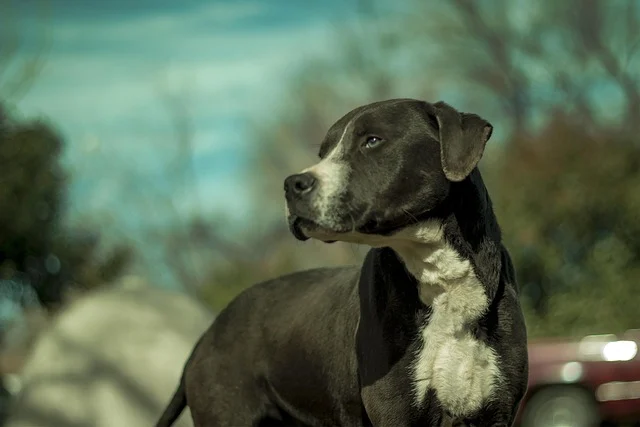
Do Pitbulls Pick a Favorite Person?
Pitbulls, and by extension a rottweiler mix pitbull dog, often form strong bonds with one household member. They typically love their entire family. The “favourite person” usually spends the most time training, exercising, and interacting. As a result, this deep bond translates into intense loyalty. They desire to please that individual. This makes them highly responsive to their chosen person’s commands.
Are Rottweiler Pitbull Mixes Good with Children?
They make excellent family companions. This is especially true when raised with children from a young age. A rottweiler mix pitbull dog is often affectionate. They are also tolerant with their family members. Due to their size, strength, and potential for high energy, we recommend strict supervision. This applies during interactions between dogs and young children. You must also teach children how to respectfully engage with dogs. Avoid pulling ears or tails. Do not disturb a dog while it eats or sleeps.
Is a Rottweiler Pitbull Mix a Good Guard Dog?
Yes, a rottweiler mix pitbull dog often makes an excellent guard dog. This is due to strong guarding instincts inherited from the Rottweiler parent. Their imposing presence, deep bark, and loyalty effectively deter intruders. They are naturally alert and observant of surroundings. Proper training ensures they distinguish between a genuine threat and a welcomed visitor.
Essential Training and Socialisation for Your Pitweiler Puppy
Early and consistent training and socialisation are critical for a well-adjusted Pitweiler. Given their intelligence and strength, an untrained Pitweiler can become challenging to manage.
Start Socialisation Early
Begin socialisation after initial puppy vaccinations. Expose your rottweiler mix pitbull dog to varied sights, sounds, people, and other dogs. Do this in a positive, controlled manner. This helps them become confident, well-rounded adults. As a result, they will not be fearful or reactive.
- Puppy Classes: Enroll in puppy kindergarten classes. These offer structured socialisation with other puppies and people, plus basic obedience training.
- Controlled Exposure: Introduce your puppy to different environments, like parks (after full vaccination), pet-friendly stores, and friends’ homes.
- Positive Interactions: Always ensure these experiences are positive. For example, use treats and praise to create good associations.
Implement Consistent Training
Pitweilers respond best to positive reinforcement training methods. They are eager to please their owners and learn quickly when you make training fun and rewarding.
- Basic Obedience: Start with commands like “sit,” “stay,” “come,” and “down” from a young age. Consistency is key; therefore, everyone in the household should use the same commands and hand signals.
- Leash Training: Due to their strength, teaching your Pitweiler to walk politely on a leash without pulling is vital. Use a sturdy harness or head halter if needed.
- Boundary Training: Teach your dog what areas are off-limits, both inside and outside the home.
- Management of Prey Drive: Both parent breeds can have a prey drive. Therefore, train a strong “leave it” command and ensure secure fencing.
Avoid harsh corrections or punishment, as these can damage your bond and lead to fear or aggression in a powerful breed like the Pitweiler.
Exercise Needs for a Pitbull Rottweiler Mix Full Grown
Pitweilers are energetic dogs that require significant daily exercise to stay healthy and happy. A full-grown Pitweiler needs more than just a quick walk around the block.
Daily Exercise Requirements
Aim for at least 60-90 minutes of vigorous exercise each day. This can be broken into multiple sessions. Without adequate exercise, a Pitweiler can become bored, destructive, or develop behavioural problems.
- Brisk Walks or Jogs: Long, fast-paced walks or jogs are excellent.
- Running: If you are a runner, your Pitweiler can make an excellent running companion once fully grown and cleared by a vet.
- Fetch and Play: Engage in active games of fetch, frisbee, or tug-of-war in a securely fenced yard.
- Hiking: They often enjoy adventures on hiking trails.
- Dog Sports: Consider activities like agility, obedience trials, or weight pulling, which provide both physical and mental stimulation.
Mental Stimulation
Beyond physical exercise, Pitweilers need mental challenges to prevent boredom. Their intelligence means they thrive on learning and problem-solving.
- Puzzle Toys: Use treat-dispensing toys that require your dog to work for their food.
- Training Sessions: Incorporate short, fun training sessions throughout the day to reinforce commands and teach new tricks.
- Scent Work: Hide treats around the house or yard and encourage your dog to find them.
How Big Does a Rottweiler Pitbull Mix Get?
The size of a Pitweiler can vary depending on the dominant genes inherited from its parents. Both Rottweilers and Pitbulls are medium to large breeds, so you can expect a sturdy, muscular dog.
| Characteristic | Range for Pitweiler |
|---|---|
| Weight | 45 to 100 pounds (20 to 45 kg) |
| Height | 18 to 25 inches (45 to 63 cm) at the shoulder |
Males tend to be larger and heavier than females. They typically reach their full height by 12-18 months and continue to fill out in muscle mass until they are 2-3 years old.
Health and Care for Your Pitweiler
Like all breeds, Pitweilers can be prone to certain health conditions inherited from their parent breeds. However, understanding these potential issues helps you provide proactive care.
Common Health Concerns
- Hip and Elbow Dysplasia: A common joint condition in large breeds like Rottweilers. Responsible breeders screen for this.
- Bloat (Gastric Dilatation-Volvulus): A life-threatening condition common in deep-chested dogs. Feed smaller meals; also avoid exercise immediately after eating.
- Hypothyroidism: An underactive thyroid gland.
- Allergies: Both food and environmental allergies can affect Pitbulls.
- Cataracts: Can occur in older dogs, potentially leading to vision loss.
- Aortic Stenosis: A heart condition that can be present in Rottweilers.
Regular veterinary check-ups, a balanced diet, and appropriate exercise help maintain your Pitweiler’s health. Also, the typical lifespan for a Rottweiler Pitbull mix is between 10 to 14 years.
Grooming Needs
Pitweilers typically have a short, dense coat that sheds moderately. Regular weekly brushing will help to manage shedding and keep their coat in good condition. However, we do not consider them a heavy-shedding breed compared to some others.
- Brushing: Use a rubber curry brush or a shedding blade once or twice a week.
- Bathing: Bathe only when necessary, typically every 2-3 months, using a dog-specific shampoo. Over-bathing can strip natural oils.
- Nail Trimming: Trim nails every 3-4 weeks to prevent overgrowth, which can cause discomfort and lead to foot problems.
- Ear Cleaning: Check and clean ears weekly to prevent infections, especially if your dog spends time swimming or in damp environments.
- Dental Care: Brush your dog’s teeth several times a week to prevent plaque buildup and gum disease.
Diet and Nutrition
A high-quality diet is crucial for a powerful, active breed like the Pitweiler. So, choose a dog food formulated for large, active breeds. The specific amount will depend on your dog’s age, weight, activity level, and metabolism.
- Protein-Rich Food: Look for dog foods with real meat as the first ingredient.
- Portion Control: Follow feeding guidelines on the dog food package, but adjust as needed to maintain a healthy weight. Avoid overfeeding, as obesity can exacerbate joint problems.
- Divide Meals: Feed adult Pitweilers two meals a day to help prevent bloat.
- Fresh Water: Always ensure your dog has access to fresh, clean water.
Who is a Pitweiler Suitable For?
The Rottweiler Pitbull mix is a powerful, loyal hybrid dog that suits experienced owners. As a result, they thrive in homes where owners understand and commit to their specific needs.
This breed is best for:
- Experienced Dog Owners: You understand dog behaviour, training principles, and the commitment required for a strong, intelligent breed.
- Active Individuals or Families: You can provide at least 60-90 minutes of vigorous daily exercise.
- Homes with Secure Fencing: A securely fenced yard is essential to prevent escape and manage their exercise needs.
- Families Committed to Early and Ongoing Socialisation: You will actively expose your dog to various people, places, and other animals.
- Owners Who Prioritise Training: You are ready to invest time in consistent, positive reinforcement training throughout the dog’s life.
This breed may not be the best fit for:
- First-time dog owners without a strong commitment to professional training.
- Individuals with limited time for exercise and mental stimulation.
- Apartment dwellers without easy access to a yard or dog park for daily rigorous exercise.
- Families unwilling to supervise interactions between the dog and young children.
Related guides
Sources: List of fatal dog attacks, Rottweiler Dog Breed Information
Frequently Asked Questions
Are Rottweiler Pitbull mixes aggressive?
They are not inherently aggressive, though they can possess protective instincts. Aggression typically results from poor socialisation, lack of training, fear, or improper handling. Responsible ownership is essential for managing their protective traits effectively.
How much do Rottweiler Pitbull mix dogs cost?
The cost varies based on the breeder’s reputation and location. From reputable breeders, prices can range from £1,000 to £2,500 or more. However, adoption fees from shelters are typically much lower, often ranging from £150 to £400.
What is the average lifespan of a Rottweiler Pitbull mix?
The typical lifespan for a Rottweiler Pitbull mix is between 10 to 14 years. However, genetics, diet, exercise, and the quality of veterinary care throughout their lives can influence this.
Are Rottweiler Pitbull mixes good with children?
They can be excellent family companions when raised with children from a young age and properly socialised. However, due to their size and strength, we always recommend supervision during interactions, and you should teach children how to respectfully engage with dogs.
Do Rottweiler Pitbull mixes shed a lot?
They typically have a short, dense coat that sheds moderately. Regular weekly brushing will help to manage shedding and keep their coat in good condition. However, we do not consider them a heavy-shedding breed compared to some others.