Understanding the Rottweiler Doberman Mix Puppy in 2026
A Rottweiler Doberman mix puppy, often colloquially referred to as a “Rottweiler” or “Rott-Dobe,” is a fascinating hybrid breed that merges the formidable presence and loyalty of the Rottweiler with the sleek athleticism and intelligence of the Doberman Pinscher. As of May 2026, these dogs continue to capture the attention of potential owners seeking a devoted, protective, and capable canine companion. However, their powerful lineage means they require a specific type of owner—one who is committed to consistent training, ample socialization, and understanding their inherent traits.
Last updated: May 30, 2026
Many prospective owners are drawn to the striking appearance and perceived guardian abilities of this mix. Yet, misconceptions about their temperament and needs can lead to challenges. This article aims to provide a complete guide for those considering or already raising a Rottweiler Doberman mix puppy, detailing their characteristics, essential care, and crucially, the common pitfalls to avoid.
Key Takeaways
- The Rottweiler Doberman mix is a large, powerful, and intelligent hybrid requiring experienced ownership.
- Early socialization and consistent, positive reinforcement training are paramount for managing their protective instincts.
- These dogs need significant physical and mental stimulation to prevent boredom and potential behavioural issues.
- Potential owners must be prepared for a substantial commitment to training, exercise, and socialization throughout the dog’s life.
- Common mistakes include underestimating their energy, neglecting socialization, and relying on outdated dominance-based training methods.
The Power Duo: Origins and Lineage
To understand the Rottweiler Doberman mix puppy, one must first appreciate the distinct qualities of its parent breeds. The Rottweiler, with roots tracing back to Roman drover dogs, was bred for work, guarding livestock, and pulling carts. They are known for their calm demeanour, immense strength, confidence, and unwavering loyalty to their families. Their serious nature and protective instincts are deeply ingrained.
The Doberman Pinscher, developed in Germany in the late 19th century by Karl Friedrich Louis Dobermann, was specifically bred to be a vigilant personal protection dog. They are renowned for their intelligence, alertness, speed, endurance, and a natural inclination to bond closely with their handlers. Dobermans are often described as fearless, loyal, and sometimes sensitive companions.
When these two breeds are combined, the resulting Rottweiler Doberman mix puppy can inherit a blend of these traits. The predictability of a hybrid is less than that of a purebred, meaning an individual puppy might lean more towards one parent breed’s characteristics or exhibit a unique combination. This unpredictability is a key factor for potential owners to consider.
Physical Characteristics of the Rottweiler Doberman Mix Puppy
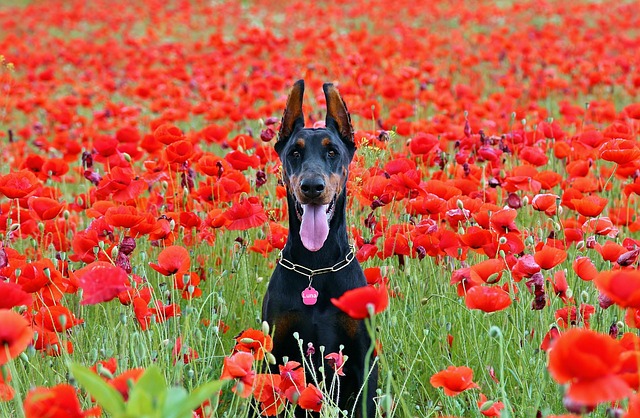
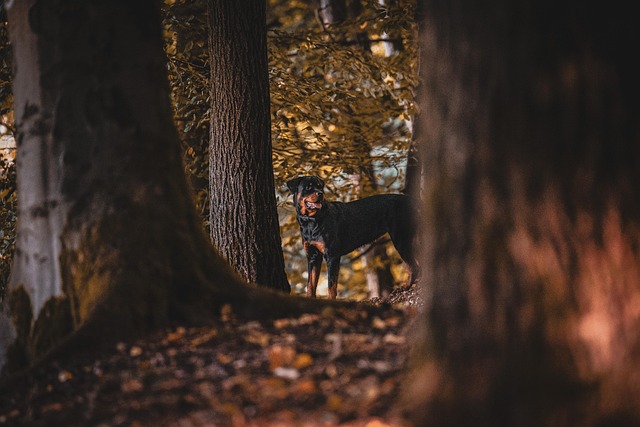
As a crossbreed of two large and strong dogs, the Rottweiler Doberman mix puppy is destined to grow into a substantial adult. Expect a dog that’s muscular, athletic, and has a commanding presence. Their build will likely be sturdier than a typical Doberman, with the Rottweiler’s solid bone structure.
Coat colour can vary widely. They might inherit the Doberman’s classic black and tan, red and tan, or the Rottweiler’s black with rust or mahogany markings. Some may even present with a solid black coat or a mix of colours depending on the genetic lottery. The coat is typically short, dense, and relatively easy to maintain, requiring regular brushing to manage shedding.
Head shape often reflects a blend, with a broad skull and a strong muzzle. Their ears might be naturally floppy like a Rottweiler’s or crop-prone if they inherit the Doberman’s ear set. Tail docking is a practice associated with both breeds, though increasingly debated and banned in many regions; natural tails are common in mixed breeds. Their size can be significant, with adult males often weighing between 80 to 130 pounds (36-59 kg) and standing 24 to 27 inches (61-69 cm) at the shoulder, while females are typically a bit smaller.
Temperament and Behaviour: A Protective Guardian
The temperament of a Rottweiler Doberman mix puppy is perhaps its most defining and complex aspect. Both parent breeds are known for their protective instincts and loyalty. This hybrid is likely to be highly devoted to its family and possess a strong guarding instinct, making them excellent deterrents to intruders.
Intelligence is a hallmark of both Rottweilers and Dobermans, meaning the Rottweiler Doberman mix puppy will be a quick learner. However, this intelligence, coupled with a strong will, means they can also be stubborn. They require clear leadership and consistent training from an early age. Without proper guidance, their intelligence can be channelled into mischievous or undesirable behaviours.
Their protective nature can sometimes manifest as wariness towards strangers. Proper socialization is therefore not just beneficial, but absolutely essential. A well-socialized Rottweiler Doberman mix puppy grows into a confident, well-adjusted adult that can distinguish between a genuine threat and a friendly visitor. Conversely, a poorly socialized dog might develop excessive suspicion, fear-based aggression, or territoriality.
The Crucial Role of Early Socialization and Training
For a Rottweiler Doberman mix puppy, socialization and training are not optional extras; they are foundational pillars for raising a well-behaved companion. The critical window for socialization is between 8 to 16 weeks of age. During this period, expose your puppy to a wide variety of sights, sounds, people, places, and other well-behaved animals in a positive and controlled manner.
This early exposure helps to prevent fear-based reactions and aggression later in life. Think “quality over quantity” – a few positive, controlled experiences are far more valuable than overwhelming, negative ones. Puppy socialization classes are an excellent resource, providing a safe environment to interact with other puppies and learn basic obedience under professional guidance. According to the American Kennel Club (AKC) guidelines for responsible dog ownership, early and ongoing socialization is key to a well-adjusted pet.
Training should commence immediately. Positive reinforcement methods, such as using treats, praise, and play, are most effective. These dogs respond well to clear commands and consistent boundaries. Avoid harsh or punitive methods, as they can damage your bond and potentially lead to fear, anxiety, or aggression. A Rottweiler Doberman mix puppy that respects you is more likely to obey than one that fears you. Recall training, leash manners, and basic obedience cues like “sit,” “stay,” and “come” should be prioritised.
Meeting Their Exercise and Mental Stimulation Needs
These dogs are not couch potatoes. Both Rottweilers and Dobermans are active breeds with significant energy reserves. A Rottweiler Doberman mix puppy will require ample daily exercise to stay physically and mentally healthy. Insufficient exercise is a primary cause of behavioural problems in high-energy breeds, leading to destructive chewing, excessive barking, and restlessness.
Aim for at least 60–90 minutes of vigorous exercise per day for an adult Rottweiler Doberman mix. This could include brisk walks, jogging, hiking, swimming, or engaging in dog sports like agility or protection work. Remember that puppies have different needs; over-exercising can harm their developing joints. Short, frequent play sessions are better for young pups.
Mental stimulation is just as crucial as physical exercise. Boredom can be a significant trigger for destructive behaviours. Puzzle toys, interactive feeders, scent games (nose work), and obedience training sessions provide excellent mental challenges. Teaching new tricks or commands engages their intelligent minds and strengthens your bond. For instance, a Rottweiler Doberman mix might excel at advanced obedience or even scent detection work, channeling their natural drives constructively.
Common Mistakes When Owning a Rottweiler Doberman Mix
The allure of this powerful crossbreed can sometimes lead to impulsive decisions. Owners must be aware of the potential challenges and avoid common mistakes that can lead to behavioural issues or an unsuitable living situation. One of the most frequent errors is underestimating the dog’s energy levels and need for consistent training. Many people see the Rottweiler’s calm nature and the Doberman’s sleek look and assume an easy pet, which is rarely the case.
Another significant mistake is neglecting early and ongoing socialization. Without exposure to various people, places, and other animals from a young age, a Rottweiler Doberman mix puppy can develop into an overly suspicious or fearful adult. This can lead to aggression towards strangers or other dogs, making public outings stressful and potentially dangerous. As noted by the ASPCA, a lack of socialization is a leading cause of behavioural problems in dogs.
Relying on outdated or harsh training methods is also detrimental. These dogs are intelligent and sensitive; they thrive on positive reinforcement and clear leadership. Using dominance-based techniques can break their trust, increase anxiety, and provoke defensive aggression. In real terms, a dog that fears its owner is not a well-behaved dog. Failing to provide adequate mental stimulation can result in destructive behaviours driven by boredom. A Rottweiler Doberman mix puppy left to its own devices with nothing to do is a recipe for disaster.
Health Considerations for the Mix
Like all breeds, Rottweilers and Doberman Pinschers are prone to certain genetic health conditions. When these breeds are crossed, the resulting Rottweiler Doberman mix puppy can inherit predispositions from either parent. Responsible breeders will screen their breeding stock for common issues.
Potential health concerns include hip and elbow dysplasia, common in large breeds. Heart conditions, such as dilated cardiomyopathy (DCM) in Dobermans, and subaortic stenosis (SAS) in Rottweilers, are also possibilities. Autoimmune diseases can affect both breeds. Von Willebrand’s disease, a bleeding disorder, is prevalent in Dobermans. Bloat (gastric dilatation-volvulus) is a serious risk for deep-chested breeds like both parents.
Regular veterinary check-ups are essential. According to the World Small Animal Veterinary Association (WSAVA), annual or semi-annual wellness exams can help detect health problems early. Responsible ownership includes being aware of these potential issues, choosing a reputable breeder who performs health clearances, and providing a balanced diet, appropriate exercise, and prompt veterinary care. The average lifespan for this mix is typically between 10 to 12 years, but this can vary based on genetics, care, and lifestyle.

Living with a Rottweiler Doberman Mix: Is it Right for You?
A Rottweiler Doberman mix puppy can be an exceptionally rewarding companion for the right owner. They are fiercely loyal, protective, and can form deep bonds with their families. However, they are not suited for novice dog owners or those who can’t commit the time and energy required for their upbringing and ongoing care.
Ideal owners are experienced dog handlers who understand canine behaviour, particularly of large guardian breeds. They must be committed to consistent, positive training and socialization throughout the dog’s life. A home with a securely fenced yard is highly recommended, as is an owner who can provide ample physical and mental stimulation. These dogs often do best in active households and may not thrive in environments where they are left alone for extended periods.
Consider the financial commitment as well. Large breeds require substantial food, regular veterinary care (which can be costly, especially for potential genetic conditions), grooming, and training classes. According to pet insurance data from 2025, the average annual cost for a large breed dog can range from £1,000 to £2,000, not including unexpected vet bills.
Pros of Owning a Rottweiler Doberman Mix:
- Intense loyalty and devotion to family.
- Natural guarding instincts provide a sense of security.
- High intelligence means they can learn a variety of commands and tasks.
- Athletic and capable of participating in dog sports.
- Striking appearance.
Cons of Owning a Rottweiler Doberman Mix:
- Requires extensive and consistent training and socialization.
- High exercise needs; can develop behavioural issues if not met.
- Can be wary of strangers if not properly socialized.
- Prone to certain genetic health conditions common in parent breeds.
- Requires an experienced owner who can provide firm, fair leadership.
Feeding and Nutrition for Your Growing Mix
Proper nutrition is vital for the healthy development of any puppy, especially a large breed like the Rottweiler Doberman mix. A diet formulated for large-breed puppies is recommended. These formulas are designed to control growth rates, helping to prevent skeletal problems like hip dysplasia by ensuring calcium and phosphorus levels are balanced.
Look for high-quality dog food with a reputable brand that lists a specific meat source (like chicken, beef, or lamb) as the first ingredient. Avoid foods with excessive fillers, artificial colours, or preservatives. As your puppy grows, you will need to transition to an adult large-breed formula, typically around 12–18 months of age, depending on their growth rate.
Consult your veterinarian about the best feeding schedule and food type for your individual Rottweiler Doberman mix puppy. They can provide tailored advice based on your puppy’s age, activity level, and any specific health considerations. Portion control is crucial to prevent obesity, which can exacerbate joint issues and other health problems. As a rough guide, feeding guidelines on the dog food packaging are a starting point, but always monitor your dog’s body condition and adjust as needed, ideally under veterinary guidance.
Grooming and Maintenance Requirements
Fortunately, the short, dense coat of the Rottweiler Doberman mix is relatively low-maintenance compared to breeds with long or curly fur. Regular brushing, perhaps once or twice a week, is usually sufficient to remove loose hair, reduce shedding, and keep the coat healthy and shiny. A slicker brush or a grooming mitt works well for this type of coat.
Bathing should only be done when necessary, typically when the dog is dirty or has a noticeable odor. Over-bathing can strip the natural oils from their skin, leading to dryness and irritation. Use a dog-specific shampoo to ensure safety and efficacy. Nail trimming should be a regular part of the grooming routine, ideally every 3–4 weeks, to prevent overgrowth, which can affect their gait and cause discomfort. If you hear nails clicking on the floor, it’s time for a trim.
Ear cleaning is also important, especially if they have floppy ears that can trap moisture and debris, leading to infections. Gently clean the outer ear canal with a veterinarian-approved ear cleaner and a soft cloth. Dental hygiene is paramount; aim to brush your dog’s teeth several times a week using a dog-specific toothbrush and toothpaste to prevent plaque buildup, gum disease, and bad breath. Establishing these grooming habits early with your Rottweiler Doberman mix puppy will make them a routine part of their lives.
Frequently Asked Questions
What is the average lifespan of a Rottweiler Doberman mix?
The average lifespan for a Rottweiler Doberman mix is typically between 10 to 12 years. Genetics influencs this range, diet, exercise, and overall health care provided throughout their lives.
Is Rottweiler Doberman mixes good with children?
With proper socialization from puppyhood and supervision, Rottweiler Doberman mixes can be good with children. However, their size and protective instincts mean interactions should always be supervised, especially with very young children.
Do Rottweiler Doberman mixes shed a lot?
Yes, they tend to shed moderately year-round, with heavier shedding periods usually in the spring and autumn. Their short, dense coat requires regular brushing to manage shedding effectively.
Is Rottweiler Doberman mixes aggressive?
These dogs possess natural guarding instincts and can be wary of strangers if not socialised properly. They are not inherently aggressive but require consistent training and socialization to ensure they are well-behaved and confident around new people and situations.
How much exercise does a Rottweiler Doberman mix puppy need?
Puppies need shorter, more frequent exercise sessions. For adult dogs, aim for at least 60–90 minutes of vigorous activity daily, including walks, runs, and playtime, alongside mental stimulation.
Is a Rottweiler Doberman mix a good choice for first-time dog owners?
Generally, no. Due to their size, strength, intelligence, high energy levels, and strong protective instincts, they are best suited for experienced dog owners who understand large, working breeds.
Information current as of May 2026; pricing and product details may change.
Editorial Note: This article was researched and written by the Pet Magazine editorial team. We fact-check our content and update it regularly. For questions or corrections, contact us. Knowing how to address rottweiler mix doberman puppy early makes the rest of your plan easier to keep on track.
Related read: Choosing Perfect Corgi Dog Names in 2026
Related read: Puppy Dog Breath in 2026: Your Guide to Causes & Solutions
Related read: Rottie and Doberman Mix 2026.