What Exactly Are Ghost Shrimp?
Ghost shrimp, scientifically classified as Palaemonetes paludosus, are small, translucent freshwater crustaceans native to the southeastern United States. Often referred to as glass shrimp or eastern grass shrimp, these delicate creatures are celebrated for their hardiness, intriguing behaviour, and minimal tank requirements, making them a frequent choice for both beginner and experienced aquarists. Their near-invisible bodies and constant activity bring a unique dynamic to any aquatic setup.
Last updated: July 20, 2026
As of June 2026, ghost shrimp continue to be one of the most accessible and popular invertebrate additions to home aquariums. Their ecological role as detritivores and scavengers also lends them a beneficial function within the tank ecosystem, assisting in waste breakdown. This guide delves into everything you need to know to successfully keep and appreciate these fascinating aquatic dwellers.
A Glimpse into Their World: Description and Natural Habitat
Ghost shrimp are easily recognizable by their transparent or semi-transparent bodies, which allow a clear view of their internal organs. This camouflage is a vital survival mechanism in their natural environment, helping them evade predators. Adults typically reach a length of 1 to 2 inches (2.5 to 5 cm), with females often being slightly larger and plumper than males.
They possess delicate antennae, five pairs of walking legs, and several pairs of pleopods (swimmerets) on their abdomen, which they use for propulsion. Their coloration can vary subtly depending on their diet and surroundings, sometimes exhibiting faint greenish, bluish, or brownish hues. Their fragility necessitates careful handling.
In the wild, ghost shrimp inhabit slow-moving freshwater bodies across the southeastern United States, including marshes, swamps, ponds, and the vegetated edges of rivers and lakes. They thrive in environments with abundant vegetation, which provides both shelter from predators and a rich source of food. According to research from the U.S. Geological Survey (2025), these habitats are characterized by soft substrates and plenty of hiding places, crucial for their survival and reproduction.
Setting Up the Perfect Ghost Shrimp Home: Tank and Environment
Creating a suitable environment for ghost shrimp is straightforward, making them ideal for various aquarium setups. A small tank, even a 5-gallon (approximately 19-litre) aquarium, can comfortably house a small colony. However, for optimal health and behaviour, a 10-gallon (approximately 38-litre) or larger tank is recommended, especially if you plan to keep them with other inhabitants.
The key environmental factors are clean, stable water conditions. Ghost shrimp prefer temperatures between 68°F and 78°F (20°C to 26°C) and a pH level of 6.5 to 7.5. They are sensitive to fluctuations, so a reliable heater and water testing kit are advisable. A gentle filtration system, such as a sponge filter, is best, as strong currents can overwhelm these small creatures. The filter should be sized appropriately for the tank volume to ensure good water quality without creating excessive flow.
Substrate is less critical, but a fine gravel or sand substrate can be beneficial for natural foraging behaviours. Most importantly, ghost shrimp require ample hiding places. Live aquarium plants like Java moss, Anubias, or hornwort are excellent choices, providing both cover and a natural food source. Decorations such as driftwood, caves, or smooth rocks also contribute to a secure environment. Aim for a densely planted tank to mimic their natural habitat and reduce stress.
Key Takeaways
- Ghost shrimp are hardy, translucent freshwater crustaceans native to the southeastern U.S.
- A 5-10 gallon tank is suitable, with ample hiding places provided by plants or decor.
- Stable water parameters (68-78°F, pH 6.5-7.5) are crucial; avoid strong currents.
- They are omnivorous scavengers, benefiting from a varied diet including algae wafers and blanched vegetables.
- Ghost shrimp can live with peaceful tank mates but are vulnerable to aggressive or large fish.
Ghost Shrimp Diet and Feeding Habits
In their natural environment, ghost shrimp are omnivorous scavengers, feeding on algae, biofilm, leftover food particles, and small organic debris. Replicating this varied diet in an aquarium is essential for their health and longevity. As of June 2026, a balanced diet is considered one of the primary factors in ensuring ghost shrimp thrive.
A staple diet can consist of high-quality sinking algae wafers or shrimp pellets specifically formulated for invertebrates. These provide essential nutrients and minerals. Supplementing their diet with blanched vegetables is highly recommended. Options include small pieces of zucchini, spinach, peas (shelled and cooked), or carrots. Blanching makes them softer and easier for the shrimp to consume.
It’s important not to overfeed. Ghost shrimp are efficient scavengers and will graze on any uneaten food from other tank inhabitants, as well as algae and biofilm that naturally grow in the aquarium. Offer a small amount of supplemental food every 2–3 days, removing any uneaten portions after a few hours to prevent water fouling. Observing their behaviour can help gauge their needs; if they seem to be constantly foraging and are active, they are likely receiving adequate nutrition.
Behaviour and Temperament
Ghost shrimp are peaceful and highly social creatures, often found in groups in the wild, and they tend to do best when kept in small colonies of six or more individuals. In a suitable environment, they are constantly active, exploring their surroundings, foraging for food, and interacting with each other. Their transparent bodies make observing their natural behaviours a fascinating experience for aquarists.
They are not aggressive and pose no threat to other peaceful aquarium inhabitants. Their primary defense mechanism is their transparency and their tendency to hide amongst plants and decorations when feeling threatened or during rest periods. They are also known to “dance” or wiggle their bodies when excited or before molting, a behaviour that’s unique to observe.
A common misconception is that ghost shrimp are short-lived pets. While some commercially bred specimens might have a reduced lifespan due to poor conditions during transport or inadequate care, a well-maintained ghost shrimp can live for 1 to 2 years, and sometimes even longer. According to The Shrimp Farm’s care guide (2025), with optimal conditions, their lifespan can extend beyond this average.
Choosing Compatible Tank Mates
When selecting tank mates for ghost shrimp, the guiding principle is peace and compatibility. Their small size and delicate nature make them vulnerable to larger or more aggressive fish species. Introducing ghost shrimp to a tank with predators like larger cichlids, oscars, or even some aggressive betta fish is generally not advisable, as they are likely to be viewed as food.
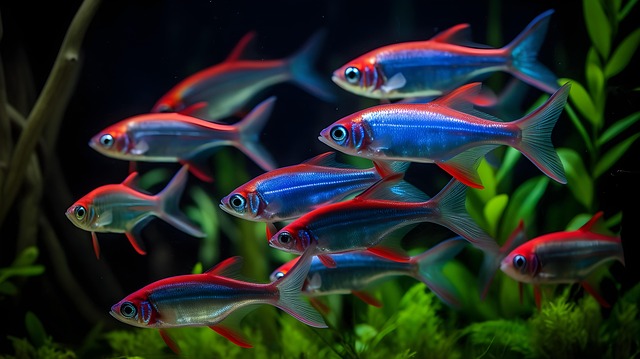
Ideal tank mates include other small, peaceful, and non-predatory fish. This category includes small tetras (like neon tetras or cardinal tetras), small rasboras (like chili rasboras or harlequin rasboras), peaceful guppies, and Ender’s live bearers. Small, peaceful schooling fish in numbers can provide a beautiful display alongside a colony of ghost shrimp.
Other invertebrates can also make excellent companions. Small, peaceful snails such as Nerite snails or Ramshorn snails are good choices. Dwarf shrimp species like cherry shrimp or Amano shrimp can coexist, though it’s important to ensure the tank is large enough to prevent competition for resources, especially if breeding is intended. The key is to ensure that no inhabitant poses a threat to the ghost shrimp, and that resources like food and hiding places are abundant for all.
Breeding Ghost Shrimp in Captivity
Breeding ghost shrimp in a home aquarium is possible, though often achieved unintentionally rather than through dedicated efforts. The process is relatively simple, provided there are healthy adult shrimp, suitable water conditions, and a lack of predators.
Female ghost shrimp can be identified by a saddle-shaped structure on their back, which develops from the ovaries. When ready to reproduce, they will release their eggs, which are then fertilized by males. The female under her carries the fertilized eggs abdomen, attached to her swimmerets. She will diligently fan them and keep them clean during the incubation period, which typically lasts about 20–30 days.
Once the eggs hatch, tiny larval shrimp are released. In a community tank, these larvae are highly vulnerable and are often consumed by other fish or even adult shrimp. For successful rearing of young ghost shrimp, a separate breeding tank with a gentle filter (like a sponge filter) and no other inhabitants is recommended. The larvae are planktonic and require a specialised diet of infusorial or micro-algae. Alternatively, some aquarists have reported success with feeding newly hatched brine shrimp or powdered fry food. The survival rate of larvae in a well-established community tank is typically very low, meaning most hobbyists will observe ghost shrimp in their tanks without seeing many, if any, offspring survive to adulthood.
Common Health Concerns and Troubleshooting
Ghost shrimp are generally strong, but like all aquatic creatures, they can be susceptible to certain health issues, often stemming from poor water quality or stress. As of June 2026, the most common problems encountered by aquarists revolve around water parameters and improper tank mates.
Water Quality: Ammonia, nitrite, and nitrate spikes are detrimental. Ensure the aquarium is properly cycled before introducing shrimp and perform regular partial water changes (10-20% weekly). A sudden drop in temperature or pH can also cause stress. Use a reliable water testing kit to monitor these parameters consistently.
Molting Issues: Shrimp shed their exoskeletons (molt) to grow. If water parameters are poor, or if the water lacks essential minerals like calcium, they may struggle to molt successfully, leading to death. Ensure your water has adequate mineral content, perhaps by using a remineralized water source or by providing a substrate with trace minerals.
Disease: While specific diseases affecting ghost shrimp are less documented than those in fish, external parasites or bacterial infections can occur, often as a secondary issue to poor living conditions. Visible signs might include lethargy, loss of appetite, discoloration, or abnormal growths. For any suspected illness, immediate water parameter checks and potentially quarantine of affected individuals are recommended. However, due to their low cost and delicate nature, many aquarists opt to replace individuals rather than attempt treatment.
Predation: As mentioned, aggressive or large tank mates are the most common cause of ghost shrimp mortality. If you find your ghost shrimp disappearing, carefully assess the compatibility of all tank inhabitants.
Buying Ghost Shrimp: What to Look For
When purchasing ghost shrimp, whether from a local fish store or an online retailer, selecting healthy individuals is paramount. The price of ghost shrimp is typically very low, often ranging from $0.79 to $2.00 per shrimp, making them an accessible purchase. PetSmart, for instance, lists them at a similar price point, often sold in small bundles.
Look for shrimp that are actively swimming and appear alert. Their bodies should be mostly transparent, without significant cloudy patches or visible parasites. Avoid shrimp that are lethargic, lying on their side, or exhibiting unusual behaviour. Check for any signs of injury, such as missing limbs or damaged antennae, though some minor damage is common and can be sustained during transport.
If buying from an in-store display, observe the general condition of the tank. Is the water clean? Are the other shrimp healthy? A reputable seller will maintain good water quality and handle their livestock with care. When ordering online, ensure the seller has a good reputation for shipping live invertebrates and check their policies regarding live arrival guarantees. Due to their delicate nature, they require careful acclimation to your aquarium’s water parameters.
Ecological Role and Benefits in the Aquarium
Ghost shrimp play a surprisingly significant role in their native ecosystems and can offer similar benefits within a home aquarium. Their primary ecological function is that of a detritivore and scavenger. They constantly forage through the substrate, plant matter, and any detritus, consuming uneaten food, decaying organic matter, and algae. This cleaning behaviour helps to break down waste products, which can contribute to a healthier, more balanced aquarium environment.
By consuming leftover fish food and decaying plant matter, ghost shrimp help to reduce the load of ammonia and nitrates in the water. This can be particularly useful in community tanks with multiple inhabitants. Their presence also provides a natural food source for larger, peaceful fish, offering them enrichment and a more natural foraging experience. The U.S. Geological Survey notes their role in nutrient cycling in natural water bodies, a principle that extends to their aquarium function.
And, their constant movement and foraging add visual interest and activity to the tank. Observing their interactions, feeding behaviours, and scavenging efforts can be a source of relaxation and enjoyment for aquarists. Their low bioload and minimal dietary needs also make them an eco-friendlier choice compared to many fish species, aligning with the growing trend towards sustainable pet ownership as highlighted by eco-friendly pet care advocates.
Conclusion: Are Ghost Shrimp Right for You?
Ghost shrimp are an excellent addition to many aquariums, offering a unique blend of hardiness, fascinating behaviour, and low-maintenance care. Their transparent bodies, active foraging, and peaceful disposition make them a joy to observe. They are particularly well-suited for beginner aquarists or those looking to add a dynamic, low-impact species to a community tank.
To ensure success, focus on providing stable water conditions, ample hiding places through live plants or decorations, and a varied diet. Careful selection of tank mates is crucial to prevent them from becoming prey. With proper care, ghost shrimp can live for one to two years, contributing positively to the aquarium’s ecosystem and providing endless hours of viewing pleasure. They truly embody a low-cost, high-reward pet for the discerning aquarist.
Information current as of June 2026; pricing and product details may change.
Frequently Asked Questions
What is ghost shrimp?
ghost shrimp is a topic that many people search for.
Why does ghost shrimp matter?
Understanding ghost shrimp helps you make better decisions. Whether you’re a beginner or have some experience, staying informed on this topic is genuinely useful.
Where can I learn more about ghost shrimp?
We recommend checking authoritative sources and official websites for the most current information.
Editorial Note: This article was researched and written by the Pet Magazine editorial team. We fact-check our content and update it regularly. For questions or corrections, contact us.
Related read: Reptiles as Pets: Your 2026 Guide to Care and Keeping.