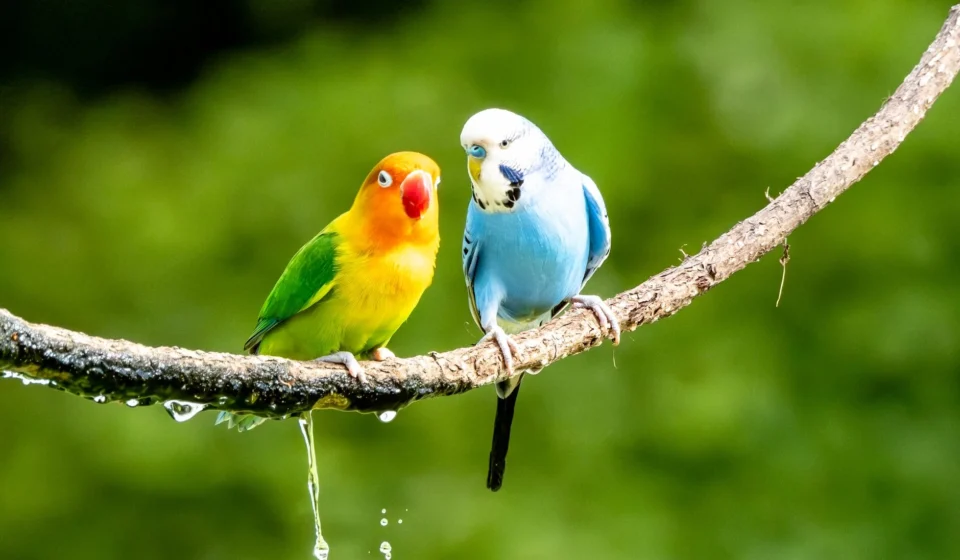
When searching for parakeets for sale, expect to pay between £20 and £60 for a standard budgerigar from a reputable breeder or pet store, or £25 to £50 through a rescue organisation. Healthy birds exhibit bright eyes, smooth plumage, clean vents, and active behaviour, requiring a wide cage, a pellet-based diet, and daily social interaction.
Budgerigars, commonly known as budgies, are native to Australia, where they live in large social flocks. In captivity, these intelligent, vocal birds have a lifespan ranging from 5 to 15 years, requiring a long-term commitment similar to owning a cat or dog. Their engaging personalities, manageable size, and capacity to learn tricks or mimic speech make them popular pets. However, they are not suited for households unable to offer daily out-of-cage interaction or homes with unsupervised predatory pets like cats and dogs.
Where can you buy or adopt a parakeet?
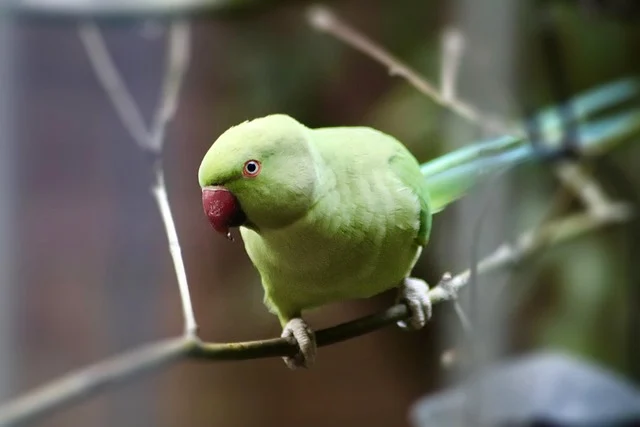
The journey to finding parakeets for sale usually leads through four primary channels: specialist breeders, avian rescue organisations, local pet stores, and online classifieds. Each source offers distinct trade-offs regarding cost, health transparency, and the bird’s early handling.
| Sourcing Option | Average Price | Health Transparency | Socialization Level | Best Suited For |
|---|---|---|---|---|
| Specialist Breeders | £20–£60 (£80–£200 for rare strains) | High (lineage and health history documented) | High (often hand-reared or regularly handled) | Buyers seeking specific colour mutations, young tamed birds, or exhibition lines. |
| Avian Rescues | £25–£50 | High (vet checked and evaluated) | Variable (ranges from tame to shy) | Adopters looking to rehome a bird in need with known behavioural traits. |
| Pet Stores | £20–£60 | Low to Moderate (limited parentage history) | Low to Moderate (depends on staff handling) | First-time buyers seeking immediate local purchase and basic starter supplies. |
| Online Classifieds | £10–£25 (budget) to £100+ | Low (unverified background) | Unpredictable | Experienced keepers able to inspect birds in person before buying. |
Buying from specialist breeders
Private breeders, whether hobbyists or professional avian specialists, remain an excellent source for healthy, well-socialized parakeets. Reputable breeders understand lineage, genetics, and proper weaning techniques. According to the American Federation of Aviculture (AFA), early handling and socialization during chick development are critical for producing confident, gentle pet birds.
When contacting a breeder, ask to see the aviary or breeding setup. A responsible breeder willingly demonstrates the bird’s living environment, discusses their diet, and lets you view the parent birds. Look for clean nest boxes, fresh water, and active parent birds. Be cautious if a breeder refuses an in-person visit or attempts to sell unweaned chicks that still rely on formula feed, as hand-feeding requires specialized experience.
Adopting from avian rescues and shelters
Avian rescues and animal shelters frequently care for parakeets surrendered due to owner lifestyle changes, allergies, or neglect. Adopting a rescue budgie gives a deserving bird a second chance while benefiting from the shelter’s preliminary health assessments. Adoption fees generally range between £25 and £50, which directly supports rescue operations and veterinary care for other sheltered animals.
Rescue staff assess each bird’s temperament, flight ability, and noise habits, giving you an honest picture of the bird’s personality before you commit. While some rescue budgies need extra patience to overcome past trauma or lack of handling, many are already tame, friendly, and accustomed to household sounds.
Purchasing from pet stores
Pet shops and large retail chains provide convenient access to parakeets and initial cage supplies. However, health transparency and individual attention vary significantly between stores. Before buying, inspect the shop’s avian area closely. The cages should be spacious, uncrowded, and free from built-up droppings on perches or floor liners. Water dishes must be clean, and birds should be active rather than sitting huddled on the floor.
Inquire with store employees about where the birds were sourced and how long they have been in the shop. Independent pet shops often partner with local breeders, while larger chains may source from commercial avian farms where handling is minimal. Birds from high-turnover stores often require more time and patience during home taming.
Navigating online classifieds and bird forums
Online listing platforms like Hoobly, specialized avian classified sites like Birds Now, and regional bird forums frequently advertise parakeets for sale. While these platforms list many options, extreme caution is necessary. Classified listings featuring prices under £20 often involve older birds, untamed aviary stock, or individuals with unrecognised health problems.
Always arrange to meet the seller in person at a safe location to evaluate the bird’s health before exchanging money. Never send non-refundable deposits or agree to have a parakeet shipped long distances via courier unless dealing with a recognized, fully verified breeder. Shipping causes immense stress for small birds and increases susceptibility to illness.
How much do parakeets cost to buy and keep?
The upfront price of buying a parakeet is relatively small compared to the long-term cost of initial equipment, food, and ongoing health care. Understanding the breakdown of expenses ensures you budget accurately before bringing a bird home.
Initial purchase prices
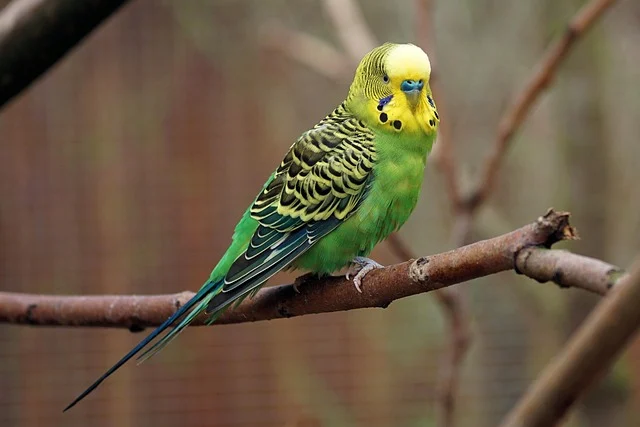
Standard green and blue wild-type budgerigars from pet shops or local breeders typically cost between £20 and £60. Color mutations—such as lutino (pure yellow with red eyes), albino (pure white with red eyes), violet, opalines, and clearwings—command higher prices, often ranging from £60 to £80 or more.
Exhibition budgerigars (English budgies), which are physically larger with distinct feathery crests on their foreheads, typically sell for £80 to £150. DNA-sexed birds, disease-tested stock, or proven breeding pairs listed on specialized sites like Birds Now can cost upwards of £100 to £200. These higher figures reflect breeder investment in DNA lab testing, vet screening, high-grade parent diets, and intensive early handling.
Essential cage and equipment costs
Setting up a proper living environment requires an initial investment in durable equipment. Skimping on cage quality or essential accessories often leads to early replacements or injuries to the bird.
- Flight Cage: £50 to £150 for a sturdy metal cage meeting minimum dimensions (45 cm x 45 cm x 60 cm).
- Natural Wood Perches: £15 to £30 for 3–4 perches of varying diameters and textures.
- Stainless Steel Food and Water Dishes: £10 to £20 for coop cups that lock into cage bars.
- Enrichment and Toys: £20 to £40 for shreddable wood, paper, foraging toys, and bells.
- Calcium and Mineral Supplement: £5 to £10 for cuttlebone and a mineral block.
Ongoing monthly and annual expenses
Monthly maintenance costs average £25 to £45 per bird. High-quality formulated pellets, clean seed mixtures, and fresh organic vegetables cost approximately £15 to £25 monthly. Paper cage liners, bird-safe cage cleaning sprays, and replacement chew toys account for another £10 to £20 per month.
Annual health care is an essential recurring cost. Routine health checks with an avian vet cost between £40 and £80 annually. Setting aside emergency funds or securing exotic pet insurance is prudent, as avian veterinary treatments for unexpected illness or trauma can exceed £200 to £500.
How do you spot a healthy parakeet before buying?
Selecting a healthy parakeet is the most critical step in avoiding immediate heartbreak and costly veterinary bills. Budgerigars are prey animals that naturally conceal signs of illness, a biological trait known as masking syndrome. Performing a thorough physical inspection before purchase helps identify signs of distress.
Physical health indicators
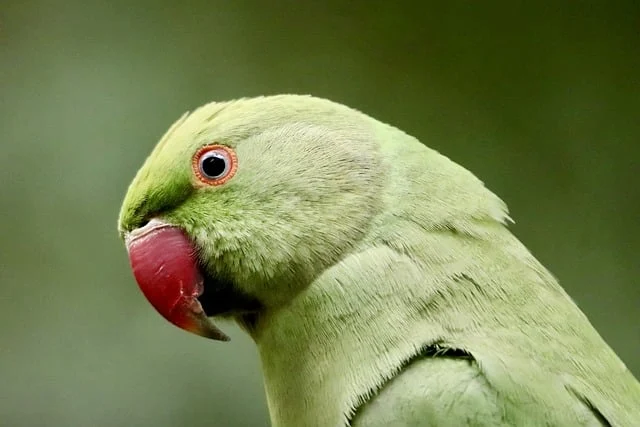
- Eyes and Nostrils: The eyes must be round, clear, and bright, with no cloudiness, swelling, or wet discharge. The nostrils (nares) located above the beak should be clean, dry, and free from blockage or caked discharge.
- Cere Condition: The smooth area of skin housing the nostrils is the cere. In adult males, it is typically rich royal blue; in females, it ranges from light blue-white to tan or dark brown. A crusty, flaky, or honeycomb-like texture on the cere indicates scaly face mite infestation.
- Plumage and Vent: Feathers should be smooth, shiny, and tightly held against the body. Avoid birds with patchy feather loss, missing wing feathers, or unkempt, fluffed-up feathers. Inspect the vent area under the tail; sticky, soiled, or wet feathers around the vent indicate active diarrhoea or intestinal distress.
- Beak and Feet: The beak must be smooth, properly aligned, and free from cracks or excessive overgrowth. Feet should have four flexible toes (two pointing forward, two pointing backward) with smooth scales and intact nails. Check the foot pads for red, inflamed spots that signal early bumblefoot.
- Respiration: Healthy breathing is quiet and barely visible. Tail bobbing (the tail shifting up and down rhythmically with every breath), open-mouth panting, wheezing, or clicking sounds indicate severe respiratory disease.
Behavioural indicators
Observe the bird quietly from a few feet away before approaching the cage. A healthy budgie actively engages with its surroundings, climbs cage bars, preens its feathers, or chirps to cage mates. Avoid birds sitting motionless on the cage floor, resting with both eyes closed during active daylight hours, or tucking their heads under their wings continuously while others are active.
What cage and supplies do you need before bringing your parakeet home?
Preparing a comfortable, safe enclosure before bringing your bird home reduces stress and eases transition. The cage serves as your parakeet’s sanctuary, so design choices directly affect physical health and mental stability.
Selecting the right cage
Space is paramount when choosing a cage. While standard pet guides suggest an absolute minimum cage size of 45 cm wide x 45 cm deep x 60 cm high (18″ x 18″ x 24″), larger horizontal flight cages are significantly better. Budgerigars fly horizontally, not vertically; wide cages measuring 60 cm to 90 cm in width allow room for short flights between perches, promoting essential muscle exercise.
Bar spacing must be no wider than 1 cm to 1.5 cm (0.5 inches). Wider spacing allows budgies to force their heads between the bars, risking strangulation or escape. Choose rectangular cages rather than round cages. Round cages lack corners, leaving birds feeling exposed and anxious, while internal bar convergence at the top of round cages can trap toes and beaks.
Perch selection and arrangement
Avoid standard smooth plastic or uniform wooden dowel rods included with budget cages. Standing on uniform dowels exerts constant pressure on identical spots on the feet, causing painful pressure sores known as pododermatitis (bumblefoot).
Equip the cage with natural wood perches made from non-toxic woods like apple, hazel, or eucalyptus. Natural perches vary in thickness, texture, and shape, exercising foot muscles and naturally wearing down claws. Place perches at varying heights, ensuring food and water dishes remain free from perches directly above them to prevent droppings from contaminating food.
Dishes, cuttlebone, and cage accessories
Use heavy ceramic or stainless steel food and water bowls that latch securely to cage bars. Plastic dishes scratch easily, creating crevices where bacteria thrive despite regular washing. Position dishes away from cage corners to reduce contamination from falling feathers or seed husks.
Install a cuttlebone and a mineral block inside the cage using non-toxic metal clips. Cuttlebone provides essential dietary calcium necessary for bone health and egg production in females, while mineral blocks help wear down the beak naturally.
Toys and mental enrichment
Budgies require daily mental engagement to prevent boredom and compulsive behaviours like feather plucking. Provide a mixture of toy types:
- Shredding Toys: Made from soft balsa wood, woven seagrass, cardboard, or palm leaf for chewing.
- Foraging Toys: Devices that conceal small seeds or millet, encouraging natural searching behaviour.
- Interactive Toys: Swings, wooden ladders, and bird-safe bells with enclosed internal clappers that cannot trap beak tips or toes.
Rotate toys every 2 to 3 weeks to maintain novelty and mental stimulation without cluttering the cage flight path.
What is the best diet for a pet parakeet?
Dietary malnutrition remains the leading cause of premature illness and death in pet budgerigars. While seed-only diets were once considered standard, modern avian veterinary medicine emphasizes a balanced, nutrient-dense diet.

The primary pellet base
Commercial seed mixes consist primarily of high-fat, low-vitamin seeds like millet and canary seed. Feeding seeds exclusively leads to fatty liver disease, obesity, iodine deficiency, and Vitamin A deficiency. According to the Royal Society for the Protection of Birds (RSPB), a diet rich in variety is key to avian health.
Pellets combine ground grains, seeds, vitamins, and minerals into uniform bites, preventing selective eating and ensuring comprehensive nutrition. Transitioning a seed-addicted budgie to pellets requires patience; gradually mix pellets into seeds over several weeks until pellets form the primary meal.
Fresh vegetables and leafy greens
Offer fresh produce in a shallow dish daily, removing uneaten portions after 4 to 6 hours to prevent spoilage and bacterial growth.
- Safe Leafy Greens: Kale, spinach, romaine lettuce, Swiss chard, dandelion greens, and coriander.
- Safe Vegetables: Finely chopped carrots, broccoli, bell peppers (red, yellow, green), sweet potatoes (cooked), peas, and zucchini.
- Fruit Treats (5% max): Small slices of apple (core and seeds completely removed), blueberries, strawberries, and melon offered once or twice weekly due to high sugar content.
Toxic and dangerous foods to avoid
Never feed your parakeet the following dangerous items:
- Avocado: Contains persin, a toxin that causes cardiac necrosis and rapid respiratory failure in birds.
- Chocolate and Caffeine: Causes severe heart arrhythmias, hyperactivity, and seizures.
- Fruit Seeds and Pits: Apple seeds, cherry pits, peach pits, and plum pits contain trace cyanide compounds.
- Onions and Garlic: Contain thiosulphates that destroy red blood cells, leading to anaemia.
- High-Salt, High-Sugar, or Fatty Human Foods: Causes kidney strain, digestive distress, and arterial disease.
How do you tame and bond with your new parakeet?
Taming your feathered friend requires patience, consistency, and positive reinforcement. For detailed hand-rearing and chick management guidance, see Baby Parrots: Essential Care for Your Feathered Friend for step-by-step techniques.
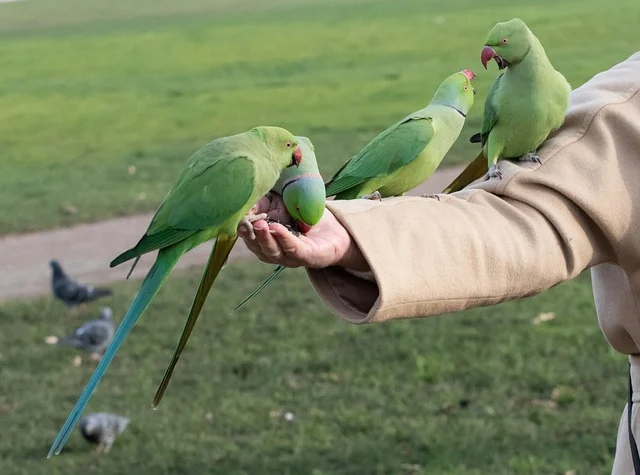
The step-by-step taming process
- Acclimatisation Phase (Days 1–7): Place the cage in a brightly lit room with quiet family activity. Avoid grabbing or forcing the bird out of the cage during this period. Allow the bird to observe daily routines and recognize that its cage is a safe home.
- Voice Conditioning: Spend 10 to 15 minutes several times daily sitting beside the cage. Speak in a gentle, reassuring tone, or read aloud to help the bird connect your presence with safety.
- Treat Association: Offer a long spray of spray millet through the cage bars. Hold the end firmly and wait for the bird to stretch forward and nibble. Repeat this process until the bird approaches the bars without hesitation whenever you approach.
- Hand Introduction: Place your hand slowly inside the cage, resting it still near the bottom while holding a small millet piece. Let the bird adjust to your hand without chasing or cornering it.
- Teaching the Step-Up Command: Gently press your index finger horizontally against the bird’s lower abdomen, just above the legs, while clearly saying “step up”. The natural pressure prompts the bird to step onto your finger. Reward compliance immediately with a bite of millet.
- Out-of-Cage Bonding: Once the bird consistently steps up inside the cage, practice moving your hand slowly outside into a safe, enclosed room. Ensure all windows and doors are closed, curtains are drawn over glass, and ceiling fans are turned off.
Keep training sessions short (5 to 10 minutes) and conduct them 2 to 3 times daily. Always end sessions on a successful note with a positive reward.
What common mistakes should new parakeet owners avoid?
Avoiding frequent husbandry errors protects your parakeet from injury, illness, and unnecessary stress.
Airborne toxin exposure
Parakeets possess an extraordinarily efficient respiratory system with air sacs extending throughout their bodies, making them extremely sensitive to airborne toxins. Non-stick cookware coated with polytetrafluoroethylene (Teflon/PTFE) releases toxic fumes when overheated. Inhaling these invisible fumes causes rapid lung congestion and fatal respiratory failure within minutes. Avoid using non-stick pans, self-cleaning oven cycles, air fryers with non-stick coatings, or space heaters with PTFE elements near pet birds. Similarly, avoid aerosol sprays, scented candles, incense, plug-in air fresheners, and cigarette smoke.
Inadequate social interaction and isolation
Budgies are social flock creatures. Leaving a single budgie isolated in a quiet room without human companionship or stimulating toys causes severe psychological stress. Deprived birds often develop compulsive screaming habits, aggression, or self-mutilating feather plucking. If you cannot spend dedicated time daily with your bird, consider housing a compatible pair.
Hazardous household environments
Before allowing free flight, bird-proof the surrounding environment thoroughly. Uncovered windows and large mirrors present dangerous obstacles that flying birds collide with at high speeds. Standing water in uncovered sinks, open toilets, or filled bathtubs poses drowning risks. Open doors, unmeshed windows, and active ceiling fans represent constant physical hazards.
How do you recognise and manage parakeet health problems?
Early identification of health problems significantly improves treatment outcomes. Veterinary care for exotic pets requires specialized expertise, so locating a qualified avian veterinarian prior to purchase is essential. The Pet Food Manufacturers Association (PFMA) highlights that exotic pet care demands specialized dietary and medical protocols distinct from cats and dogs.
Common diseases and conditions
- Respiratory Infections: Bacterial, fungal, or viral infections causing wheezing, tail bobbing, nasal discharge, and lethargy. Requires immediate antibiotic or antifungal treatment prescribed by an avian vet.
- Psittacosis (Parrot Fever): A bacterial disease caused by Chlamydia psittaci that can transfer between birds and humans. Symptoms include eye inflammation, lime-green diarrhoea, tremors, and severe lethargy.
- Scaly Face and Leg Mites: Parasitic mites (Knemidokoptes gallinae) burrowing into skin tissue around the cere, beak, and legs, producing crusty, white honeycomb-like crusts. Treated effectively with topical antiparasitic medication like ivermectin.
- Egg Binding: A life-threatening emergency in female budgies where an egg becomes stuck in the reproductive tract due to calcium deficiency or oversized eggs. Signs include heavy straining, swollen lower abdomen, inability to perch, and sitting exhausted on the cage floor.
- Feather Plucking: Compulsive pulling or chewing of feathers caused by low humidity, dietary shortages, underlying skin infections, or severe environmental boredom.
How do parakeets compare to other small companion birds?
Choosing the right pet bird depends on your home environment, available time, budget, and desired level of interaction. Comparing parakeets with other popular small birds helps clarify which species fits your lifestyle best.
| Bird Species | Average Lifespan | Handling & Interaction | Noise & Vocal Style | Ideal Owner |
|---|---|---|---|---|
| Parakeet (Budgie) | 5–15 years | High (easily tamed, step-up, speech mimicry) | Moderate (chattering, quiet chirps) | First-time owners, families, apartment dwellers seeking an interactive companion. |
| Zebra or Society Finch | 5–10 years | Low (observational only, handles poorly) | Low (soft peeping, gentle squeaks) | Busy owners who prefer watching flock interactions in a flight cage without daily taming. |
| Cockatiel | 15–20 years | Very High (cuddly, affectionate, highly social) | Moderate to Loud (whistling, contact calls) | Owners seeking a larger, longer-lived parrot companion with time for intensive daily bonding. |
Parakeets strike an ideal balance between the observational nature of finches and the high-maintenance demands of larger parrots. They offer interactive companionship, speech capability, and low space requirements at an accessible price point.
Frequently asked questions
Should I keep one parakeet or a pair?
If you work from home and can spend 1 to 2 hours of direct interaction daily, a single parakeet can thrive and form a very close bond with you. However, if you work outside the home full-time, keeping a pair is much better for their mental well-being, as solitary budgies suffer from severe loneliness and boredom.
Can all parakeets learn to speak human words?
Male parakeets are generally more vocal and better at mimicking human speech than females, though individual ability varies considerably. While many budgies learn short words or phrases with consistent daily repetition, vocal mimicry should be viewed as an added bonus rather than a primary reason to buy a bird.
How long do pet parakeets live on average?
With a balanced pellet-based diet, fresh vegetables, an expanded flight cage, and regular avian veterinary care, pet parakeets live an average of 8 to 12 years, with some reaching up to 15 years. Poor diets consisting only of dry seeds often shorten their lifespan to just 3 to 6 years.
Are parakeets too noisy for apartment living?
Parakeets chatter and chirp pleasantly throughout daylight hours, but their overall sound volume is low compared to cockatoos or macaws. According to reference guides on bird biology like Britannica, their soft flock calls rarely penetrate walls, making them well suited for apartment dwellers.