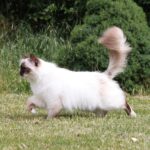
A World of Feline Diversity Beyond the Familiar
This guide covers everything about Beyond the Basics: Exploring Unique Cat Breeds in 2026. When most people think of domestic cat breeds, images of Siamese, Persians, or Maine Coons often come to mind. Yet, the world of felines is far more diverse than these popular choices suggest.
As of July 2026, numerous registries recognise dozens of distinct cat breeds, and beyond these, lies a fascinating array of rare, exotic, and developing breeds. This article delves into some of the most unique cat breeds, offering insights for enthusiasts looking beyond the common.
- Beyond common breeds like Siamese and Persian, a rich diversity of rare and exotic cat breeds exists.
- Understanding breed-specific traits, temperaments, and care needs is crucial for responsible ownership.
- Unique breeds often have specific genetic predispositions, grooming requirements, and social needs.
- Exploring less common breeds requires thorough research and often a commitment to specialized care.
The Allure of the Uncommon: Why Seek Out Unique Breeds?
The appeal of unique cat breeds lies in their distinctiveness. Whether it’s an unusual coat pattern, a striking physical feature, or a particularly charming temperament, these felines capture the imagination. For seasoned cat owners or those looking for a companion with a specific set of characteristics, exploring less common cat breeds can be incredibly rewarding.
These breeds often originate from specific geographical regions or are the result of deliberate, sometimes centuries-long, breeding programs. They can offer a window into feline genetics and the selective pressures humans have applied. Worth noting is that ‘unique’ doesn’t always mean ‘rare’ in terms of availability; some breeds are uncommon due to their recent development or specialised appeal rather than scarcity.
Standout Breeds: A Glimpse at the Extraordinary
Each offers a unique combination of physical attributes and personality traits.
The Sphynx and Its Kin: Hairless Wonders
The Sphynx is perhaps one of the most recognisable of the ‘unusual’ breeds, known for its lack of fur. However, they are not truly hairless but covered in a fine, downy fuzz that gives them a suede-like feel. This breed is exceptionally social, affectionate, and requires regular bathing to manage their skin oils, as they lack the fur to absorb them.
Related breeds like the Donskoy and Peterbald also feature hairlessness or very fine hair. The Donskoy, originating from Russia, can be born with hair that falls out, or be bald from birth. Peterbalds are a cross between the Donskoy and Oriental Shorthair, resulting in a range of coat types from bald to brush-coated.
The Lykoi: A ‘Werewolf’ Feline
The Lykoi breed is relatively new and instantly recognisable due to its unique ‘roan’ coat pattern, where a mix of coloured and white hairs creates a shimmering, often dark appearance. Their facial mask and sparse ‘wolf-like’ coat are distinctive. This breed is known for its playful, curious, and intelligent nature, often displaying dog-like behaviours such as playing fetch.
Their coat is a result of a natural mutation that affects only the base of the hair shaft, creating a sparse, brittle texture. Lykoi cats are generally healthy, but their coat requires specific care, and they may be prone to skin issues due to the lack of protective guard hairs. According to Lykoi breeders, the breed’s development is ongoing, with new registries gradually recognising them.
The Bengal: A Touch of the Wild
For those drawn to the striking patterns of wild cats, the Bengal offers an exotic appeal with its distinct spotted or marbled coat, reminiscent of leopards or jaguars. Bengals are a hybrid breed, typically resulting from crosses between domestic cats and the Asian Leopard Cat. As of 2026, early generation Bengals (F1, F2, F3) may still exhibit more pronounced wild traits and require specialised handling, while later generations (F4 onwards) are generally considered more domesticated.
Bengals are highly energetic, intelligent, and vocal cats. They often enjoy water, are adept climbers, and require plenty of stimulation. Their playful nature means they can be excellent companions for active households, but they are not suited for owners seeking a sedentary lap cat. Their grooming needs are minimal due to their short, dense coat.
The LaPerm: A Curly-Coated Charmer
Its distinctive curly or characteriss the LaPerm breed wavy coat, which can range from tight ringlets to loose waves. This mutation is spontaneous and can affect body hair, whiskers, and even eyebrows. LaPerms are known for their affectionate, gentle, and playful personalities, often forming strong bonds with their families.
Their curly coat is relatively low-maintenance, typically requiring weekly brushing to prevent matting. They are considered a relatively strong breed, though as with any breed, genetic diversity is important for long-term health. The breed originated from a spontaneous mutation on a farm in Oregon, USA, in the 1980s.
The American Curl: Ears That Wow
The defining feature of the American Curl is its ears, which curl backward from the face, giving them a unique, ‘uncanny’ look. A genetic mutation that causs this distinctive trait affects the cartilage, making the ears curve. The degree of curl varies, from slightly curved to a dramatic arc.
Beyond their ears, American Curls are known for being social, playful, and curious cats. They often retain a kitten-like playfulness well into adulthood. Their coat requires moderate grooming, and they are generally considered a healthy breed with no significant breed-specific health concerns beyond potential ear infections if not kept clean. According to the Cat Fanciers’ Association (CFA), the American Curl is a recognised breed with a growing following.
Practicalities: What to consider Before Adopting a Unique Breed
While the allure of a rare or exotic cat breed is strong, responsible ownership means looking beyond aesthetics. Several practical factors come into play:
Temperament and Lifestyle Match
Just like with any cat, a breed’s typical temperament should align with your household. Highly energetic breeds like Bengals or Sphynx cats need owners who can provide ample playtime and mental stimulation. Less active or more independent breeds might suit quieter homes. Researching the specific personality traits associated with each breed is paramount.
Grooming and Health Needs
Some unique breeds have specific grooming requirements. The Sphynx needs regular baths, while curly-coated breeds like the LaPerm may require different brushing techniques. Some breeds can be predisposed to certain health conditions. For instance, the Sphynx’s lack of fur makes them more susceptible to sun damage and cold.
It’s vital to understand these needs thoroughly. According to the American Veterinary Medical Association (AVMA) guidelines on breed-specific health, potential owners should always discuss common health concerns with breeders or veterinarians. As of 2026, genetic testing is becoming more accessible, helping to identify and mitigate predispositions.
Availability and Cost
Unique cat breeds are often less common than mainstream breeds, which can affect availability. You may need to search for reputable breeders specialising in that particular breed, potentially involving waiting lists or travel. This rarity, coupled with the specialised care some require, can also influence the initial purchase price, which can range significantly.
For example, while a common domestic shorthair might be found for adoption at a local shelter for a nominal fee, a purebred, rare breed kitten from a reputable breeder could cost anywhere from £800 to £3,000 or more, depending on the breed, lineage, and breeder reputation. It’s crucial to distinguish between a ‘rare’ breed and one that’s simply ‘uncommon’ due to recent popularity shifts.
Socialisation and Environment
Many of these breeds, particularly those with hybrid origins or highly social natures, thrive on interaction. Ensuring they have adequate socialisation from a young age and a stimulating environment is key to their well-being. This might include providing climbing structures, interactive toys, or even a companion animal if appropriate for the breed and existing pets.
Hypoallergenic Cat Breeds: A Closer Look
The concept of ‘hypoallergenic’ cat breeds is often misunderstood. No cat is truly 100% hypoallergenic, as the allergic reaction is typically to a protein (Fel d 1) found in saliva, urine, and dander, not the fur itself. However, some breeds produce less of this protein or shed less dander, making them potentially more tolerable for allergy sufferers.
Breeds often cited as hypoallergenic include the Siberian, Balinese, Russian Blue, and Sphynx. The Siberian, for instance, is thought to produce less Fel d 1 protein. However, individual reactions can vary greatly. According to Allergy UK, consulting with allergy specialists and spending time with a specific breed before committing is the most reliable approach to determining suitability.
Navigating Breed Registries and Standards
Understanding cat registries is important when researching purebred cat breeds. Major organisations like The International Cat Association (TICA), The Cat Fanciers’ Association (CFA), and the Fédération Internationale Féline (FIFe) have different criteria for recognising breeds. As of 2026, TICA recognises 75 standardised breeds, while the CFA recognises 45. This means a breed recognised by one may not be by another, leading to variations in breed standards and classifications.
These registries maintain breed standards that outline the ideal physical characteristics and temperament for each recognised cat breed. When seeking a purebred cat, it’s advisable to choose a breeder who adheres to the standards set by a reputable registry and can provide documentation for the kitten’s lineage.
Common Pitfalls When Choosing a Unique Breed
Potential owners often make a few common mistakes when considering less common cat breeds:
- Focusing solely on looks: A cat’s appearance is just one factor; temperament and care needs are equally, if not more, important.
- Underestimating energy levels: Breeds like the Bengal or Abyssinian are highly active and need significant engagement.
- Ignoring specialised health needs: Hairless cats need skin care, and some breeds may have specific genetic predispositions.
- Assuming ‘exotic’ means ‘wild’: While some breeds have wild ancestry, they are domesticated animals requiring appropriate care and handling, not wild animals.
- Not verifying breeder credentials: This can lead to purchasing from less reputable sources, potentially resulting in health issues or misrepresentation of the breed.
Expert Insights for Potential Owners
From my years working with various feline breeds, I’ve observed that the most successful owner-cat relationships stem from thorough research and realistic expectations. For unique breeds, this means going beyond the glossy photos. Spend time with the breed if possible, speak to multiple reputable breeders and owners, and honestly assess if your lifestyle can truly accommodate the cat’s needs.
For instance, I recall a client who fell in love with the Ocicat’s spotted coat, only to find its high energy and need for constant stimulation were overwhelming in their quiet apartment. They eventually rehomed the cat, which was heartbreaking for everyone. Had they researched its specific needs – its tendency to be vocal and its requirement for vertical space – they might have made a different choice or been better prepared.
The key is to match the cat’s intrinsic nature to your environment and commitment level. A unique cat breed can be an incredible companion, but it requires an equally unique understanding and dedication from its human family. Consider what you can offer the cat in terms of time, space, and specialised care, not just what you hope to gain in companionship.
Frequently Asked Questions
What is the rarest cat breed?
Pinpointing the absolute rarest cat breed can be challenging as registry numbers fluctuate and new breeds emerge. However, breeds like the Sokoke, LaPerm, and Kurilian Bobtail are often considered among the rarest due to limited breeding populations and recognition.
Are exotic cat breeds aggressive?
The term ‘exotic’ often refers to breeds with wild ancestry or striking appearances. While early generations of hybrids might retain more primal instincts, domesticated exotic breeds are typically no more aggressive than any other cat breed. Temperament is highly individual and influenced by socialisation and environment.
Do unique cat breeds require more expensive food?
Generally, unique cat breeds don’t require more expensive food solely based on their breed. High-quality, balanced nutrition appropriate for a cat’s life stage and health is key for all breeds. Some breeds might have specific dietary sensitivities or needs, but these are breed-specific rather than a general rule for ‘exotic’ cats.
How can I find a reputable breeder for an unusual cat breed?
Finding a reputable breeder involves thorough research. Look for breeders who are members of established cat associations, welcome visits, provide health clearances for parent cats, offer a contract, and are knowledgeable and passionate about their breed. They should be willing to answer all your questions and may even ask you many to ensure a good match.
Are all unique cat breeds indoor cats?
While many unique breeds, especially those with hybrid ancestry or highly social natures, are best kept indoors for safety and to protect local wildlife, this isn’t a universal rule. However, due to their rarity and potential value, many owners of unique breeds opt for indoor living to minimise risks associated with outdoor exploration.
What are the differences between TICA and CFA recognised cat breeds?
TICA (The International Cat Association) and CFA (The Cat Fanciers’ Association) are two major cat registries with different lists of recognised breeds and varying standards. TICA is known for recognising newer breeds and hybrids more readily, while CFA often has a more conservative approach. A breed recognised by one may not be by the other.
Source: Britannica
Related Articles
- Puppy Breath: The Sweet Smell of New Beginnings in 2026
- The Best Dog Shampoo for a Healthy Coat in 2026
- Newfoundland Poodle Mix 2026: Your Complete Guide