Every rabbit colour is genetically rooted in either black or chocolate pigment. Genes then modify these to create a vast array of hues. You can dilute these foundational colours. For instance, blue is a diluted form of black. Lilac is a diluted form of chocolate. Further genes interact to produce the wide spectrum of appearances seen in rabbits.
The American Rabbit Breeders Association (ARBA) categorises these varied rabbit colours into eight primary groups. These groups result from the complex interaction of five main gene loci—A, B, C, D, and E—each with multiple alleles that determine the final coat colour and pattern. This article explores these genetic foundations and describes the main categories of rabbit colours and patterns.
Understanding Rabbit Colours: A Spectrum of Genetic Beauty
Rabbit colours are remarkably varied, emerging from intricate genetic combinations that dictate their coat’s appearance. While it might seem like a simple matter of a few basic shades, the reality is a complex mix of genes, loci, and alleles that produce an astonishing array of patterns and hues.
As we explore this topic, we must clarify that every rabbit colour is genetically rooted in either black or chocolate pigment. Blue is a diluted form of black; lilac is a diluted form of chocolate. Other genes then modify these foundational pigments. They create the multitude of colours and patterns seen. Organizations like the American Rabbit Breeders Association (ARBA) and the British Rabbit Council (BRC) categorize these into various groups.
How Many Rabbit Colours Are There? Understanding Genetic Loci
The exact number of distinct rabbit colours is challenging to quantify precisely because of continuous variations and combinations. However, the American Rabbit Breeders Association (ARBA) Standard of Perfection (SOP) categorises rabbit colours into eight primary groups. These groups arise from the interaction of five primary gene loci—A, B, C, D, and E—each with multiple alleles that combine to determine the final coat colour and pattern.
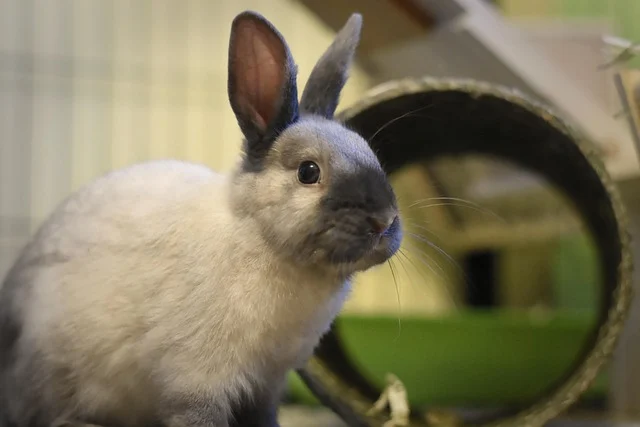
At the most basic level, rabbit coat colour is genetically based on either black (B) or chocolate (bb), according to current genetic understanding. You can then dilute these two base colours. Blue (B_ dd) is a diluted form of black, and lilac (bb dd) is a diluted form of chocolate. The presence and interaction of these genes, along with others, create the incredible diversity.
The Five Primary Gene Loci Explained
To truly appreciate rabbit colours, it helps to understand the roles of the main gene loci:
- A Locus (Agouti/Non-Agouti): This gene determines whether the rabbit has an agouti pattern (banded hairs, like a wild rabbit) or a self-colored (solid) coat. ‘A’ produces agouti, ‘a’ produces self.
- B Locus (Black/Brown): This is the fundamental colour locus. ‘B’ results in black pigment, while ‘b’ produces chocolate (brown) pigment.
- C Locus (Colour Density/Restriction): This locus controls the density and distribution of pigment. Alleles here can lead to full colour (C), chinchilla (cchd), sable (cchl), or albino (c).
- D Locus (Dilution): This gene dilutes the base colour. ‘D’ results in dense colour, while ‘d’ dilutes black to blue and chocolate to lilac.
- E Locus (Extension): This locus affects how far pigment extends along the hair shaft. ‘E’ allows full extension, while ‘e’ restricts dark pigment, often resulting in red or orange shades.
The specific combination of alleles at these five loci, along with other modifying genes, generates all the recognized rabbit colours and patterns. It’s a complex system, but this genetic foundation explains why certain colours appear and others do not.
What Are the Main Categories of Rabbit Colours and Patterns?
The American Rabbit Breeders Association (ARBA) groups rabbit colours into eight main categories based on how these genetic interactions express themselves visually. These categories help breeders and enthusiasts identify and classify the vast spectrum of rabbit appearances.
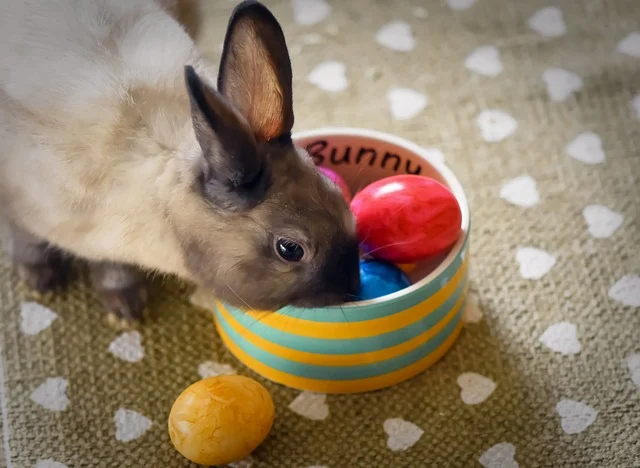
1. Agouti Group
Agouti rabbits are characterised by hairs that have three or more bands of colour. This gives them a ‘wild’ or ticked appearance. The belly, eye circles, and underside of the tail are typically lighter than the main body colour. This group includes popular colours such as:
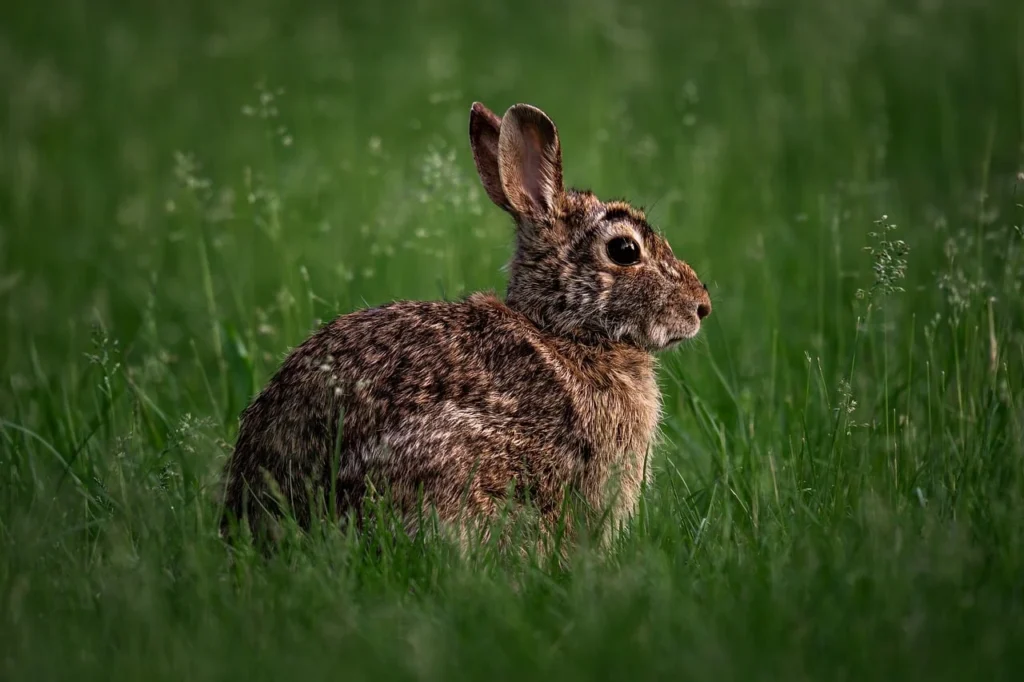
- Chestnut Agouti: A common colour, resembling a wild rabbit, with black ticking over a rich reddish-brown base.
- Opal: A diluted agouti, where the black is diluted to blue, resulting in a blue-grey ticking over a fawn-orange base.
- Chinchilla: A greyish colour with black ticking, often having a pearl or white undercolour.
- Lynx: A pinkish-grey colour with lilac ticking, often with white or cream underparts.
- Cinnamon: A reddish-brown agouti with chocolate ticking.
2. Wide Band Group
Rabbits in the Wide Band group lack black ticking and typically display warm, solid colours with an absence of dark pigment on the hair tips. The undercolour is often the same shade as the surface colour or a slightly lighter cream.
- Orange: A vibrant, clear orange colour, often with a white underbelly.
- Fawn: A paler, creamy orange or yellowish colour.
- Cream: A very light, dilute orange or fawn.
3. Self Group
Self-colored rabbits display a single solid colour uniformly across their body, meaning each hair shaft is the same colour from base to tip. There are no markings, shading, or ticking. This group includes some of the most basic and fundamental rabbit colours:
- Black: A deep, solid black with no brown or rusty tones.
- Blue: A solid, dark slate-blue colour, a diluted form of black.
- Chocolate: A rich, solid dark brown colour.
- Lilac: A soft, overgrew colour with a pinkish tint, a diluted form of chocolate.
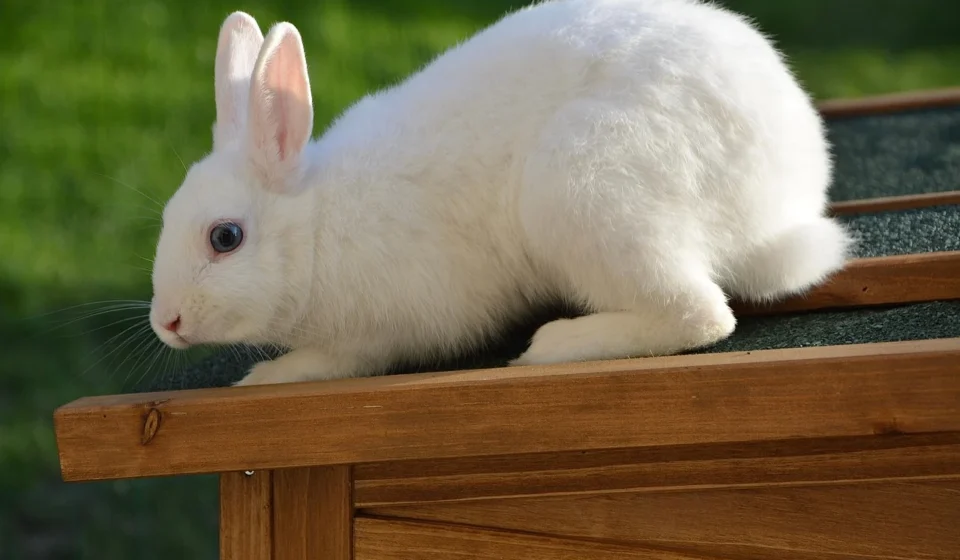
- Ruby-Eyed White (REW): Pure white with distinctive red eyes, caused by the c (albino) allele.
- Blue-Eyed White (BEW): Pure white with bright blue eyes, resulting from specific genetic combinations, often involving the Vienna gene.
4. Shaded Group
Shaded patterns feature dramatic contrasts. They have darker “points” on areas like the ears, nose, feet, and tail, against a paler body. The shading often blends gradually across the body.
- Siamese Sable: A rich sepia-brown shading, darkest on the points and fading to a lighter brown on the flanks.
- Seal: A very dark sepia-brown, almost black, with slightly darker points.
- Smoke Pearl: A delicate reddish-brown, with darker points.
- Tortoiseshell (Tort): A warm orange or fawn body with darker, often black or blue, shading on the points.
5. Tan Pattern Group
Tan pattern rabbits have a distinct body colour contrasting with lighter tan or white markings on the belly, nostrils, eye circles, and inside of the ears. These are genetically agouti rabbits with specific modifiers.
- Otter: A black, blue, chocolate, or lilac body colour with a tan belly, chest, and eye circles, often with a lighter undercolour.
- Marten: Similar to Otter but with silver or white markings instead of tan.
6. Ticked Group
Ticked rabbits have a solid base colour with individual hairs tipped with a contrasting colour, giving a frosted or grizzled appearance. The most common example is:
- Steel: A black, blue, chocolate, or lilac body colour with silver or gold ticking throughout the coat.
7. Pointed White Group
This group specifically refers to rabbits with a white body and coloured points (ears, nose, feet, tail). The most well-known example is:
- Himalayan: A white body with black, blue, chocolate, or lilac points, similar to a Siamese cat.
8. Broken Group
Broken patterns involve white markings on the rabbit’s coat. They typically cover at least 10% of the body. The “English Spot” gene influences this pattern. It creates patches of colour against a white background. A broken rabbit can have any of the solid or patterned colours above, combined with white.
- Broken Black: Patches of black on a white background.
- Broken Chestnut: Patches of chestnut agouti on a white background.
Keep in mind that the British Rabbit Council (BRC) also maintains its own specific terminology and standards for rabbit colours in the UK, which can sometimes differ slightly from ARBA classifications, especially in nomenclature.
What Colours Do Rabbits See?
A common misconception is that rabbits see only in black and white, but this is not true. Rabbits possess dichromatic vision, meaning they can perceive certain colours, primarily blues and greens, more clearly than others. Their vision is adapted to detect predators and forage in low light conditions.
Unlike humans, who have three types of cone cells in our eyes (trichromatic vision) that respond to red, green, and blue light, rabbits have two types of cone cells. These cells respond mainly to blue and green wavelengths. This means their colour spectrum is more limited compared to ours. For instance, according to sources like pets4homes.co.uk, they typically perceive reds, oranges, and hot pinks as shades of grey-brown. Therefore, the idea that red objects terrify rabbits is a misconception. They simply don’t see red as a distinct, vibrant colour in the same way we do.
Understanding their vision helps us create a more comfortable and stimulating environment for them. While they may not appreciate a bright red toy, they will certainly notice and interact with blue or green objects.
What Are Rare Bunny Colours and Which Is Most Popular?
When it comes to rarity and popularity, these can be subjective. They often depend on current breeding trends, breed standards, and the difficulty of consistently producing specific colours. Generally, colours that are genetically more complex or require specific recessive genes to be expressed tend to be rarer.
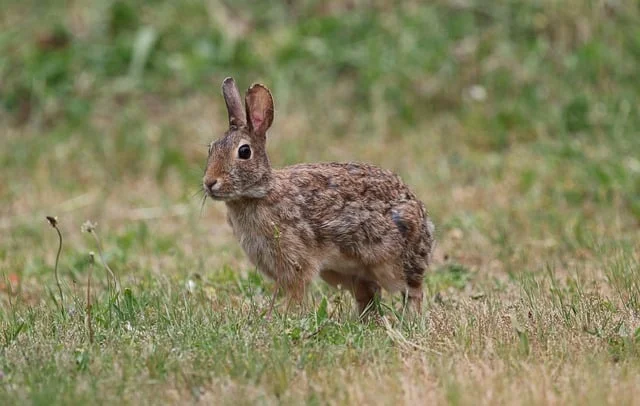
Rare Rabbit Colours
Some colours are considered rarer because breeders find them more challenging to breed consistently. They are also less common in general rabbit populations. These often involve specific genetic combinations that are not widely distributed. They are also difficult to maintain in a breeding program without careful selection. Examples include:
- Lilac: While listed as a self-colour, a true, clear lilac (a diluted chocolate) can be less common than black or blue.
- Sable Marten: A variation within the Tan Pattern group, combining sable shading with marten markings, requiring precise genetic expression.
- Chocolate or Lilac Pointed White: While Himalayan (black pointed white) is common, chocolate or lilac points can be rarer depending on the breed.
- Certain Wide Band variations: Specific shades of fawn or cream can be less commonly seen than more vibrant oranges.
The rarity can also be breed-specific. A colour that is common in one breed might be extremely rare or even non-existent in another due to genetic limitations or breed standards.
Most Popular Rabbit Colours
Determining the “most popular” rabbit colour is difficult without specific market data. Popularity often shifts with trends and individual preference. However, based on common sight and breed prevalence, we suggest that generally, colours that mimic wild rabbits, such as Chestnut Agouti, tend to be widely appreciated for their natural appearance. Additionally, solid, classic colours like Black, Blue, and Ruby-Eyed White are consistently popular due to their striking simplicity and widespread presence across many breeds.
Broken patterns, with their distinctive patches of colour, also enjoy considerable popularity as they offer unique visual appeal.
Understanding Colour Changes in Rabbit Kits
It’s important for prospective rabbit owners to know that rabbit kits can change colour significantly as they mature. Their adult coat typically develops over the first few months of their life, and the initial colour they display as a newborn might not be their final hue.
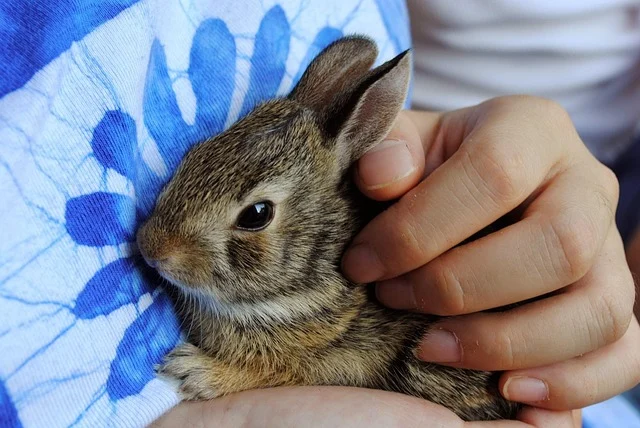
For example, some kits might appear very light or have indistinct markings at birth. These will darken or become more defined as their adult fur grows in. Shaded colours, in particular, show very little shading as kits. The points develop more prominently as they age and are exposed to cooler temperatures. This is a natural part of their development. We advise new owners to be aware of this, especially if you choose a kit based on its immediate appearance.
Choosing a Rabbit Based on Colour
While rabbit colours are undeniably beautiful and a significant factor for many when choosing a pet, it is crucial to prioritize temperament, health, and suitability to one’s lifestyle above specific coat colour. A rabbit’s personality and health will have a far greater impact on an owner’s experience than its shade of fur.
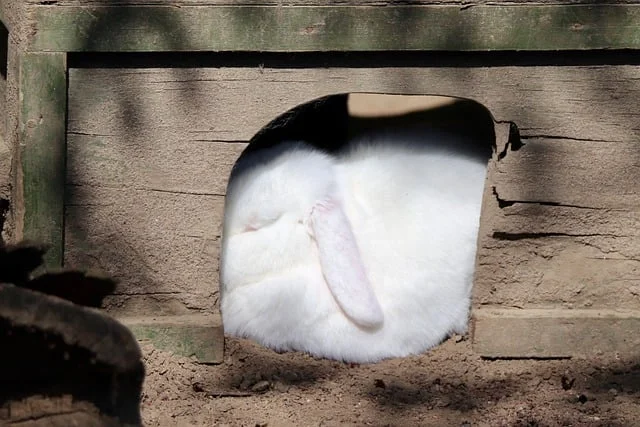
If you have a strong preference for a particular colour, we recommend researching breeds known for that colour. Then seek out a reputable breeder or rescue center. Always ensure you are selecting a healthy, well-socialized rabbit. If you find a rabbit with an ideal temperament but a colour you hadn’t initially considered, we encourage you to keep an open mind. You might just find your perfect companion regardless of its exact hue.
Frequently Asked Questions
How many colours of rabbit exist?
While it’s difficult to give an exact number due to genetic variations, the American Rabbit Breeders Association (ARBA) categorises rabbit colours into eight main groups, encompassing a vast array of shades and patterns arising from complex genetic interactions.
Can rabbits see colours other than black and white?
Yes, rabbits do not see only in black and white. They possess dichromatic vision, meaning they can perceive colours, primarily blues and greens, more clearly than other shades. They typically see reds, oranges, and hot pinks as variations of grey-brown.
Do rabbit kits change colour as they grow?
Yes, rabbit kits can change colour significantly as they mature. Their adult coat develops over the first few months, and their initial appearance as a newborn might not reflect their final, permanent colour and pattern.
What is the genetic basis for rabbit colours?
Five primary gene loci (A, B, C, D, E) control rabbit coat colour. Each has multiple alleles. These genes interact to determine the base pigment (black or chocolate), its dilution (blue or lilac), and how the colour is distributed and patterned across the coat.