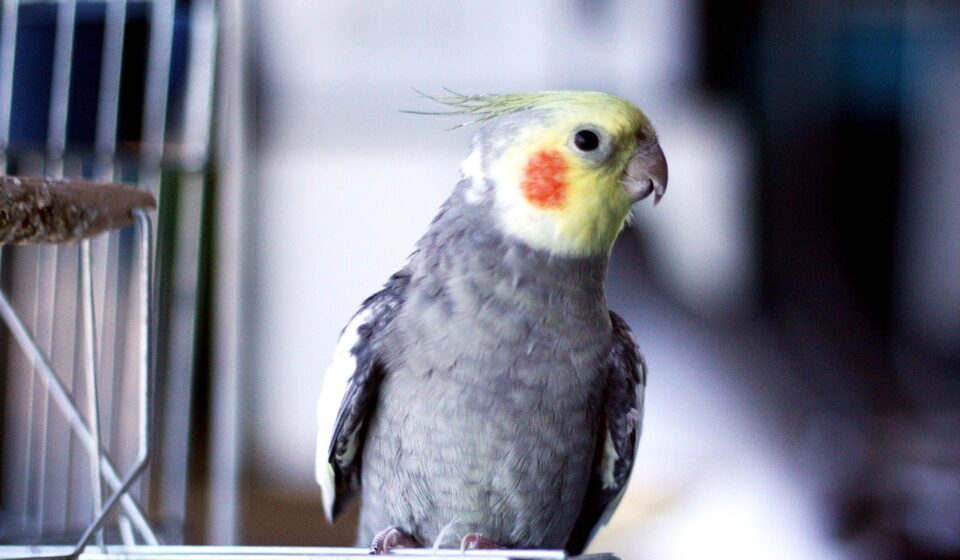
Your Feathered Friend Awaits: Navigating the Cockatiel for Sale Market
As of July 2026, the market for a cockatiel for sale continues to offer these intelligent and affectionate birds to eager pet owners. Known for their distinctive crests, whistling abilities, and gentle nature, cockatiels are a popular choice for those seeking a companion bird. However, purchasing a cockatiel involves more than just finding a listing; it requires understanding their needs, potential costs, and how to identify a healthy bird. This guide aims to equip you with the knowledge needed to make an informed decision when bringing a cockatiel into your home.
Last updated: July 23, 2026
Key Takeaways
- Cockatiels are social, intelligent, and can be trained, making them rewarding companions.
- Prices for a cockatiel for sale typically range from $150 to $400, depending on age, colour mutation, and breeder.
- Hand-raised cockatiels are generally more accustomed to human interaction and easier to train.
- A healthy cockatiel exhibits bright eyes, clean feathers, and an alert demeanour.
- Proper care involves a balanced diet, spacious cage, mental stimulation, and regular veterinary check-ups.
Why Cockatiels Capture Hearts
Cockatiels, scientifically known as Nymphicus hollandicus, are native to Australia and belong to the parrot family. Their appeal lies in their unique combination of beauty, intelligence, and sociability. They are capable of learning to whistle complex tunes and even mimic speech, though this varies by individual. Their gentle demeanour and ability to bond closely with their owners make them excellent pets for individuals, couples, and families alike.
The average lifespan for a well-cared-for cockatiel is between 15 and 20 years, with some individuals living into their mid-20s. This longevity means a significant commitment, underscoring the importance of thorough preparation before bringing one home. Their social nature means they thrive on interaction and can become lonely or distressed if left alone for extended periods.
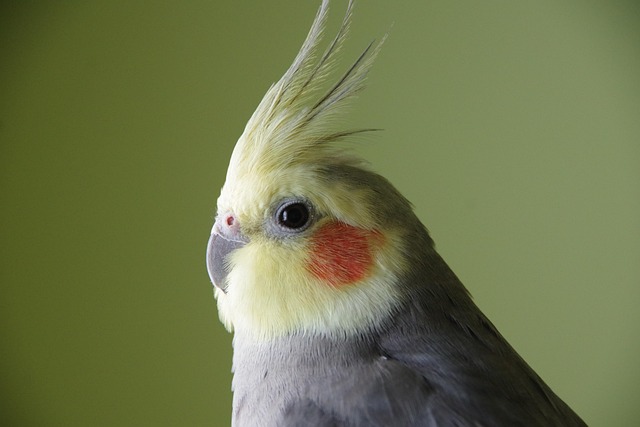
Decoding the Price Tag: What to Expect for a Cockatiel for Sale
The cost of a cockatiel for sale can vary significantly. As of July 2026, you can typically expect prices to range from approximately $150 to $400 USD. Several factors influencs this figure, including the bird’s age, colour mutation, breeder reputation, and geographic location. More common colour variations, such as the Lutino or Cinnamon, may be at the lower end of the spectrum, while rarer mutations like Pearl, Pied, or Whiteface can command higher prices.
Hand-raised cockatiels, which have been nurtured from a young age by human caregivers, often cost more than those that are parent-raised. This is due to the intensive labour and time involved in their upbringing. According to some breeders in 2026, hand-raised birds can fetch between $250 and $600, particularly if they are already showing signs of good socialization and temperaments.
Beyond the initial purchase price, potential owners must budget for essential supplies. A suitable cage can cost anywhere from $100 to $300, depending on size and material. Food, toys, perches, and veterinary care will add ongoing expenses. For instance, a high-quality seed mix or pellet-based diet, supplemented with fresh fruits and vegetables, might cost $20-$40 per month. Veterinary check-ups, especially for initial health assessments or any unforeseen illnesses, should also be factored in, potentially ranging from $50 to $150 per visit.
Where to Find Your Cockatiel: Breeders, Pet Stores, and Rescues
When looking for a cockatiel for sale, several avenues exist. Reputable bird breeders are often the best source for well-socialized, healthy birds. They possess deep knowledge of avian health and behaviour and can provide valuable insights into a bird’s lineage and personality. Seek out breeders who are transparent about their practices, allow you to visit their facilities, and can answer detailed questions about the birds’ upbringing.
Some larger pet store chains may also have cockatiels available. While convenient, it’s crucial to assess the store’s hygiene standards and the birds’ apparent health. Observe if the birds are alert, have clean surroundings, and appear well-fed. Smaller, independent pet shops might offer a more personalized experience, but due diligence is still advised.
Adoption from avian rescues or rehoming organisations is another rewarding option. Many cockatiels end up in rescues through no fault of their own, and providing a loving home can be incredibly fulfilling. Rescue organisations often conduct thorough health checks and temperament assessments and can match you with a bird suited to your lifestyle. The initial adoption fee for a cockatiel from a rescue is typically lower than purchasing from a breeder, often ranging from $50 to $150, and covers initial vet care.

Signs of a Healthy Cockatiel
Identifying a healthy cockatiel is paramount. Look for a bird that’s alert, active, and responsive to its surroundings. Its eyes should be clear and bright, with no discharge or cloudiness. The feathers should be smooth, sleek, and lie flat against the body, indicating good grooming habits and overall health. Avoid birds that appear lethargic, have ruffled feathers constantly, exhibit discharge from the eyes or nostrils, or have difficulty breathing.
A healthy cockatiel will typically have clean feet with no swelling or abnormalities. Its droppings should be firm, with a white urate cap and dark faecal matter, and the vent area (under the tail) should be clean. Any signs of diarrhea, discolored droppings, or a soiled vent warrant caution. According to the American Veterinary Medical Association (AVMA) in 2026, prompt identification of these signs can prevent the spread of illness and ensure a better prognosis for the bird.
Temperament is equally important. A well-socialized cockatiel will be curious and may approach you, perhaps bobbing its head or chirping. While some shyness is normal, an overly fearful or aggressive bird may require more advanced behavioural training. Hand-raised birds are generally more amenable to human interaction from the outset, making them a popular choice for first-time owners.
Setting Up for Success: Cockatiel Care Essentials
Once you’ve found your cockatiel for sale, preparing its living environment is crucial. Cockatiels require a spacious cage, ideally a vertical cage with bar spacing no more than 1.2 cm (0.5 inches) to prevent escape or injury. A minimum cage size of 60 cm wide x 50 cm deep x 70 cm high (24″ W x 20″ D x 28″ H) is recommended, though larger is always better. The cage should be equipped with various perches of different textures and diameters to promote foot health, as well as food and water dishes.
Diet is foundational to a cockatiel’s health. While seed mixes can form part of the diet, they should not be the sole food source, as they are high in fat and lack essential nutrients. A balanced diet comprises high-quality pellets formulated for parrots, supplemented daily with fresh vegetables (like leafy greens, carrots, and broccoli) and small amounts of fruit. Small portions of cooked grains or legumes can also be offered. According to the Association of Avian Veterinarians (AAV) in 2026, a varied diet is critical for preventing nutritional deficiencies and promoting longevity.
Mental stimulation is vital for an intelligent bird like a cockatiel. Provide a variety of safe toys, including those for chewing, foraging, and shredding. Rotate toys regularly to keep your bird engaged and prevent boredom. Daily interaction, training sessions, and supervised out-of-cage time in a bird-proofed room are essential for their well-being.
Pitfalls to Sidestep When Buying a Cockatiel
One common mistake is underestimating the commitment required. Cockatiels are social creatures needing daily interaction. Leaving them alone for eight hours or more without adequate stimulation can lead to behavioural issues such as feather plucking or excessive screaming. Many new owners also underestimate the noise level; cockatiels can be quite vocal, especially in the morning and evening.
Another error is providing an inadequate diet. Relying solely on seed mixes can lead to obesity, fatty liver disease, and vitamin deficiencies. Owners must educate themselves on appropriate pellet bases and fresh food offerings. Neglecting to provide a sufficiently large cage or insufficient mental stimulation can result in a bored and unhappy bird. Lastly, failing to schedule regular veterinary check-ups with an avian veterinarian can mean missing early signs of illness.
Nurturing a Bond: Training and Socialization Tips
Training a cockatiel can be a rewarding experience, strengthening your bond. Start with basic trust-building, allowing the bird to get used to your presence. Offer treats through the cage bars, then progress to hand-feeding. Once comfortable, you can begin target training, using a clicker or a word cue to teach your cockatiel to touch a target stick. This positive reinforcement method can be used to teach various behaviours, from stepping up onto your finger to performing simple tricks.
Socialization should extend beyond just the primary owner. If you plan for the bird to interact with children or other family members, ensure they understand how to approach and handle the bird gently. Always supervise interactions between children and pets. Introducing new toys and experiences gradually helps build the bird’s confidence and adaptability. A well-socialized cockatiel is a happier, more well-adjusted companion.
Frequently Asked Questions
Are cockatiels noisy?
Cockatiels can be vocal, especially during dawn and dusk, or when seeking attention. Their calls include chirps, whistles, and occasional screams, which can be loud. However, they are generally less noisy than larger parrot species.
What is the lifespan of a cockatiel?
With proper care, a cockatiel can live for 15 to 20 years, with some individuals reaching 25 years or more.
How much interaction do cockatiels need daily?
Cockatiels are highly social and require at least 1–2 hours of direct interaction and supervised out-of-cage time daily.
What colour mutations are most common?
Common colour mutations include Lutino (yellow with orange cheeks), Cinnamon, Whiteface, and Pied. Rarer mutations can be more expensive.
Can cockatiels be kept with other birds?
Yes, but caution is advised. Cockatiels can sometimes coexist with other birds, but introductions must be slow and supervised, and they should ideally be of similar size and temperament. Never leave different species unsupervised together.
What’s the best age to buy a baby cockatiel?
The ideal age is typically between 8 to 12 weeks old, after they have been fully weaned from their parents and have begun socializing.
Bringing Home Your New Companion
Purchasing a cockatiel for sale is an exciting prospect, promising years of companionship and joy. By understanding the costs, knowing where to find a reputable source, assessing a bird’s health and temperament, and preparing for its care needs, you can ensure a smooth transition for both you and your new feathered friend. Remember that a cockatiel is a long-term commitment requiring patience, knowledge, and a lot of love.
Information current as of July 2026; pricing and product details may change. Knowing how to address cockatiel for sale early makes the rest of your plan easier to keep on track.
Related read: Mosquito Fish: Their Role in Pest Control and Ponds.